
When upgrading your home tech, you look for energy-efficient devices that save money and support sustainability. Seamless integration across your gadgets is key, making control simple and hassle-free. You prefer sleek, modern designs that blend into your home decor without being bulky or obtrusive. Reliability, ease of use, and good customer support also matter, ensuring your system works smoothly long-term. If you want to discover the top features to contemplate, keep exploring the essentials for a smarter home upgrade.
Play games included with Prime
Start a Prime free trial and play with Amazon Luna on your devices.
As an affiliate, we earn on qualifying purchases.
Key Takeaways
- Compatibility and seamless integration across existing devices and platforms.
- Energy efficiency features that reduce long-term operating costs.
- User-friendly interfaces with easy setup and control options.
- Sleek, modern designs that complement home aesthetics.
- Reliable support and regular updates from trusted brands.
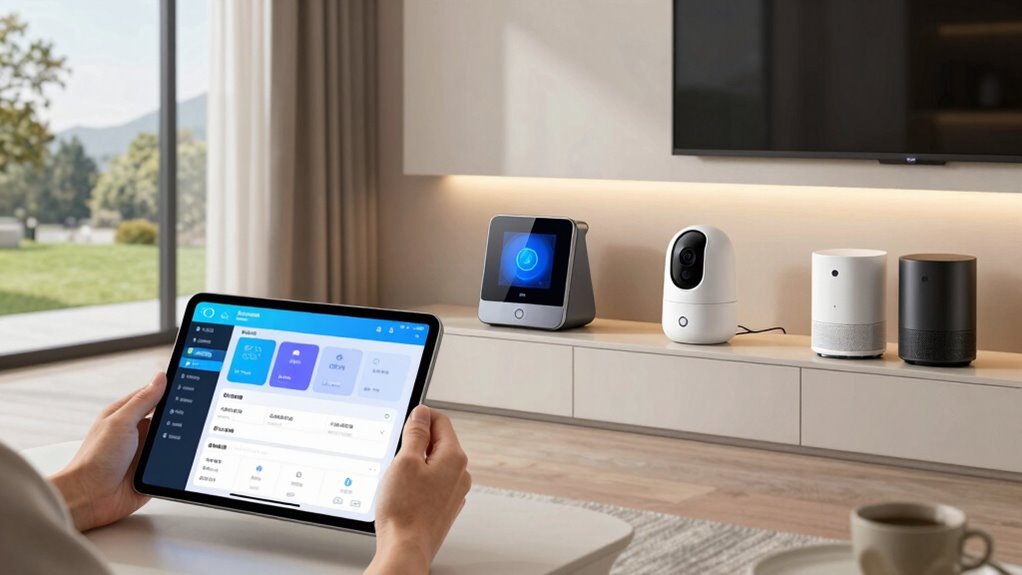
Energy efficiency is another critical factor in your upgrade decisions. Smart home technology that enhances energy efficiency helps you save money on utility bills and reduces your carbon footprint. You’ll look for smart thermostats that learn your schedule and adjust temperatures accordingly, avoiding unnecessary heating or cooling when you’re not home. Automated lighting systems that turn off when rooms are unoccupied also contribute to lower energy consumption. Additionally, energy-efficient smart appliances, such as refrigerators and washing machines, not only reduce waste but often come with monitoring features that help you track and optimize usage. When considering upgrades, you’re also mindful of systems that provide real-time energy consumption data, empowering you to make smarter choices and identify areas for further savings. Energy monitoring features allow you to assess your overall consumption and target specific areas for improvement, making your upgrades more impactful. Prioritizing sustainable technology aligns with a broader commitment to conservation and long-term environmental health. Incorporating smart integration ensures all devices work seamlessly together, enhancing your overall experience and efficiency. You may also consider future-proofing your system by choosing adaptable platforms that can accommodate new devices and updates over time.
Reliability and ease of use are other key considerations. You want systems that work smoothly together, with minimal setup and maintenance. Compatibility across devices ensures you won’t have to juggle multiple apps or interfaces, simplifying control and troubleshooting. User-friendly interfaces, whether through apps or voice commands, are essential because they make managing your smart home intuitive rather than frustrating. You’re also likely to research brands with solid customer support and regular updates, so your investment remains functional and secure over time.
Finally, aesthetics matter. You prefer sleek, modern designs that blend seamlessly into your home decor without appearing bulky or obtrusive. When choosing new tech, you’re looking for devices that are both functional and visually appealing, elevating your space rather than detracting from it. Overall, your goal is to create a smart home that’s convenient, energy-efficient, reliable, and stylish—all tailored to fit your lifestyle and preferences.
energy-efficient smart thermostats
As an affiliate, we earn on qualifying purchases.
As an affiliate, we earn on qualifying purchases.
Frequently Asked Questions
How Do I Ensure Compatibility With Existing Home Systems?
To guarantee compatibility with existing home systems, you should check device integration options and compatibility standards first. Research the smart devices you’re interested in and verify they work with your current setup or hub. Look for products supporting popular standards like Zigbee or Z-Wave, which facilitate seamless integration. Reading manufacturer specifications and user reviews also helps confirm that new devices will work smoothly with your existing home tech environment.
What Is the Average Cost of Upgrading Home Tech?
Upgrading home tech usually costs between $1,000 and $5,000, depending on what you want to achieve. You might find that investing in energy efficiency features and enhancing user convenience pays off in the long run. Keep in mind, it’s a balancing act—spending too much can be a shot in the dark. Plan your upgrade wisely, and you’ll get the best bang for your buck without breaking the bank.
Are Smart Home Devices Secure From Hacking?
Smart home devices can be secure from hacking if you follow proper security protocols. While privacy concerns exist, manufacturers often implement encryption and regular updates to protect your data. You should change default passwords, enable two-factor authentication, and keep firmware up-to-date. These steps help guarantee your devices stay secure, reducing the risk of unauthorized access and giving you peace of mind as you upgrade your home tech.
How Difficult Is It to Install New Smart Devices?
Installing new smart devices is usually quite straightforward, especially with device integration and a user-friendly setup. Most devices come with clear instructions and step-by-step guides, making the process manageable for you. You might need to connect them to your Wi-Fi and sync with existing systems, but many smart devices are designed to be installed quickly without professional help. Overall, the process is accessible, even for beginners.
What Is the Typical Lifespan of Smart Home Technology?
Think of your smart home tech as a trusty companion—generally, it lasts about 3 to 5 years, but wireless connectivity and device longevity vary. High-quality devices with strong wireless connections tend to stay reliable longer, making upgrades less frequent. However, tech evolves rapidly, so even durable devices may need replacement sooner to keep up with new features. Regular updates and proper maintenance can extend your smart home’s lifespan.
As an affiliate, we earn on qualifying purchases.
Conclusion
By keeping these key factors in mind, you’ll avoid costly mistakes and turn your home into a futuristic haven. Remember, the right upgrades can transform your space into a sanctuary that feels like it’s straight out of a sci-fi movie. Don’t settle for less—be the smart buyer who demands excellence and innovation. Your dream smart home isn’t just a fantasy; it’s within your reach, ready to elevate your life to levels you never thought possible.
As an affiliate, we earn on qualifying purchases.
As an affiliate, we earn on qualifying purchases.
NFL season / tailgating Picks
team gear
As an affiliate, we earn on qualifying purchases.