
Wi-Fi 7 offers faster speeds, lower latency, and better support for high-demand devices, but it’s not for everyone right now. Your current setup might still meet your needs, especially if your devices don’t support Wi-Fi 7 yet. Upgrading can be costly and challenging due to compatibility issues. If you want to know whether an upgrade makes sense for you now or later, there’s more to weigh.

Get hardware and tech essentials delivered free with Prime
- Fast, free delivery on millions of items
- Prime Video, Amazon Music and more included
- Member-only deals all year
Key Takeaways
- Many current devices lack Wi-Fi 7 support, requiring hardware upgrades for full compatibility.
- Upgrading prematurely may be costly if your existing network meets current speed and performance needs.
- Wi-Fi 7 benefits are most significant for heavy users like gamers and streamers; casual users may not notice immediate gains.
- Compatibility issues and firmware updates can delay or limit the advantages of upgrading now.
- Waiting for price drops or broader device support ensures better value and smoother transition.
As an affiliate, we earn on qualifying purchases.
What Is Wi-Fi 7 and How Is It Different?
What exactly is Wi-Fi 7, and how does it stand out from previous versions? Wi-Fi 7 is the latest wireless standard, promising faster speeds and lower latency. It introduces advanced features like 320 MHz channels and multi-link operation, which improve performance in crowded environments. Additionally, as you consider upgrading, keep security concerns in mind. New technology can bring vulnerabilities if not properly managed, making security a top priority. Staying informed about halal technology standards and ethical considerations can help ensure responsible adoption. Additionally, legal regulations around data privacy and device interoperability may influence how quickly Wi-Fi 7 becomes widespread. While it offers impressive capabilities, you should stay informed about evolving security standards and digital safety and compliance requirements. Upgrading too soon might expose you to legal or security risks if regulations haven’t fully caught up with the technology. Understanding nail biology/hygiene can remind us that even advanced systems require proper maintenance and care, just like our digital infrastructure. Moreover, being aware of technology adoption timelines can help you decide the best moment to upgrade without unnecessary risks.
As an affiliate, we earn on qualifying purchases.
Should You Stick With Wi-Fi 6 or Upgrade to Wi-Fi 7?
Deciding whether to stick with Wi-Fi 6 or upgrade to Wi-Fi 7 depends on your device compatibility, performance expectations, and budget. If you need the latest speeds and lower latency, Wi-Fi 7 offers clear advantages, but it might come with higher costs and limited device support now. Consider your current setup and future needs before making the switch. Additionally, understanding projector technology can help you optimize your home entertainment system alongside your network choices.
Compatibility With Devices
While upgrading to Wi-Fi 7 promises faster speeds and improved performance, you’ll need to evaluate whether your current devices support the new standard. Device compatibility is a key factor, as most existing gadgets may not be ready out of the box. Check if your devices have the necessary hardware or firmware updates to handle Wi-Fi 7. Manufacturers often release software updates to upgrade device capabilities, but not all devices will receive these updates. If your devices are several years old, they might lack the hardware required for full Wi-Fi 7 compatibility. In that case, upgrading your devices or waiting for newer models could be your best option. Ensuring compatibility now helps avoid frustration and guarantees you get the most out of your Wi-Fi network.
Performance Gains Expectations
Is upgrading to Wi-Fi 7 worth it for the performance gains? If you’re seeking faster speeds and lower latency, especially for a busy smart home or business environment, the upgrade offers promising improvements. Wi-Fi 7 can deliver up to four times the throughput of Wi-Fi 6, enhancing streaming, gaming, and file transfers. However, the real-world benefits depend on your setup and devices. Consider the following comparison:
| Feature | Wi-Fi 6 | Wi-Fi 7 |
|---|---|---|
| Max Speed | Up to 9.6 Gbps | Up to 30 Gbps |
| Latency | Moderate | Reduced markedly |
| Smart Home Use | Adequate | Enhanced for multiple devices |
| Business Connectivity | Sufficient | Better for high-demand tasks |
| Range | Similar | Slight improvements possible |
If your current network meets your needs, sticking with Wi-Fi 6 might suffice; otherwise, Wi-Fi 7 promises future-proofing.
Cost and Upgrade Timing
Upgrading to Wi-Fi 7 involves weighing the costs against the potential benefits, especially if your current Wi-Fi 6 setup already meets your needs. Consider factors like the price of new hardware, installation costs, and future-proofing. You should also think about security concerns, as Wi-Fi 7 introduces advanced features that may require updated security protocols. Regulatory challenges could impact device availability or compatibility in your region. If your network handles basic browsing and streaming, sticking with Wi-Fi 6 might be smarter until Wi-Fi 7 becomes more mainstream and affordable. Additionally, eco-friendly natural pools and sustainable practices in backyard design highlight the importance of considering environmental impacts when upgrading or modifying your outdoor spaces.
high-performance gaming Wi-Fi router
As an affiliate, we earn on qualifying purchases.
As an affiliate, we earn on qualifying purchases.
What Should You Consider Before Upgrading to Wi-Fi 7?

Before upgrading to Wi-Fi 7, you should consider whether your current devices are compatible and will benefit from the new technology. Think about the cost and whether the performance improvements justify the investment. Finally, assess if your network needs the increased speed and efficiency that Wi-Fi 7 offers. Additionally, consider how emerging AI and society trends may influence future network demands and technological adoption. Staying informed about digital nomad connectivity requirements can also help determine if the upgrade aligns with your remote work needs.
Compatibility With Existing Devices
While Wi-Fi 7 offers impressive speed and efficiency, it’s essential to check if your current devices can support the new standard. Device compatibility is key; older gadgets might not connect or perform at their best. Many devices will require software updates to work with Wi-Fi 7, so confirm your router and client devices have the latest firmware. Before upgrading, verify:
- Compatibility of your smartphones, laptops, and tablets
- Whether your current Wi-Fi adapters support Wi-Fi 7
- Availability of necessary software or firmware updates
- Whether your current operating system supports Wi-Fi 7 features
- The need for new hardware if existing devices lack support
Understanding these factors helps you avoid investing in incompatible equipment and guarantees a seamless transition.
Cost and Investment Needs
Considering the costs involved in adopting Wi-Fi 7 is essential to making an informed decision, as the investment can vary considerably depending on your existing setup. You’ll need to evaluate hardware compatibility and compare prices to avoid overspending. Upgrading might mean purchasing a new router, compatible devices, or both, which can add up quickly. To help you assess, here’s a quick overview:
| Upgrade Type | Estimated Cost | Compatibility Consideration |
|---|---|---|
| New Wi-Fi 7 Router | $300–$600 | Requires Wi-Fi 7 compatible devices |
| Existing Devices | N/A | May need upgrades or replacements |
| Network Extenders | $50–$200 | Enhance coverage, compatible with Wi-Fi 7 |
| Complete Ecosystem | $400–$1000 | Full upgrade for *ideal* performance |
Carefully compare prices and hardware compatibility before investing.
Network Performance Gains
Upgrading to Wi-Fi 7 promises significant performance improvements, but it’s important to evaluate whether your current network setup can fully benefit. Wi-Fi 7 offers faster speeds, better interference mitigation, and enhanced signal stability, which can transform your experience. However, these gains depend on your environment and devices. Consider whether your current hardware supports these features or if you’ll need new routers and devices. If you’re in a crowded area with many networks, interference mitigation becomes essential for maintaining peak performance. Additionally, signal stability can greatly impact streaming, gaming, and video calls. Before upgrading, assess your network’s current performance, the compatibility of your devices, and whether your internet plan can handle the increased speeds. Upgrading is worth it only if your setup can leverage these performance gains effectively. Also, evaluating your smart home devices compatibility with Wi-Fi 7 can ensure you maximize your investment. It’s also crucial to understand network performance gains and how they relate to your specific usage environment to make an informed decision. Understanding environmental factors can help determine if the upgrade will truly improve your network experience. Considering device compatibility is equally important to ensure all your devices can benefit from the upgrade.
As an affiliate, we earn on qualifying purchases.
When Is the Best Time to Upgrade to Wi-Fi 7?

Wondering when the perfect time to upgrade to Wi-Fi 7 is? The best moment depends on your device compatibility and budget. If your current devices support Wi-Fi 6 or earlier, upgrading now may not give you a significant boost. However, if you’re investing in new devices that are Wi-Fi 7 compatible, it makes sense to upgrade sooner to maximize performance. Consider your cost considerations too; Wi-Fi 7 routers and devices can be expensive initially, so waiting until prices drop or your current equipment starts showing limitations might be smarter. Also, if you rely heavily on fast, reliable internet for work or gaming, upgrading sooner could provide immediate benefits. Ultimately, the right time hinges on your device ecosystem and financial readiness.
How Much Does Upgrading to Wi-Fi 7 Cost?
The cost of moving to Wi-Fi 7 varies depending on the devices and equipment you choose. Upgrading might involve purchasing a new Wi-Fi 7 router, which can range from $300 to $600. You may also need compatible devices, like smartphones or laptops, adding to expenses. Keep in mind potential subscription costs for enhanced security features or firmware updates. Security concerns are a key factor, as newer networks often require updated security protocols, possibly incurring additional costs. Here are some factors to weigh:
- Price of Wi-Fi 7 routers and extenders
- Cost of compatible devices
- Subscription fees for security services
- Firmware or software updates
- Potential costs for professional installation
- Wi-Fi network capacity can influence the overall cost and performance of your upgrade. Additionally, investing in high-quality hardware can improve overall performance and reliability of your network. Staying informed about network security protocols can help you avoid unexpected expenses and protect your data. Recognizing that dust removal and proper filtration are vital for maintaining a healthy indoor environment, selecting a reliable vacuum can complement your efforts to create a cleaner, healthier home environment.
Will Your Devices Support Wi-Fi 7?

Before investing in Wi-Fi 7, it’s essential to check if your current devices can support the new standard. Device compatibility varies, as not all routers, smartphones, or laptops will be able to connect seamlessly. Most Wi-Fi 6 devices won’t automatically support Wi-Fi 7 without firmware updates or hardware upgrades. Keep in mind, supporting Wi-Fi 7 also involves security enhancements that improve data protection and reduce vulnerabilities. If your devices are older, they likely won’t be compatible, meaning you’ll need new hardware to take full advantage of Wi-Fi 7’s benefits. Checking manufacturer specifications or consulting device documentation helps ensure your equipment can support the latest features. Upgrading your devices is crucial to unlock Wi-Fi 7’s speed, reliability, and security enhancements.
Wi-Fi 7 Benefits for Gamers and Streamers
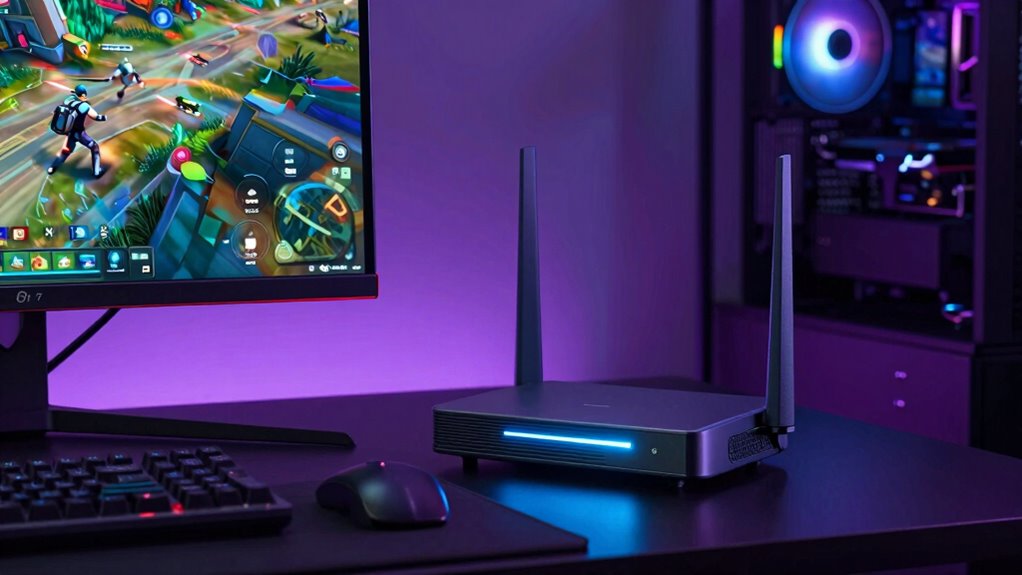
For gamers and streamers, Wi-Fi 7 offers significant advantages that can enhance your online experience. It promises faster speeds, lower latency, and more reliable connections, which are essential for seamless gameplay and high-quality streaming. With Wi-Fi 7’s increased bandwidth, you can support multiple devices—like your smart home gadgets—without sacrificing performance. Plus, its improved security features help address privacy concerns, giving you peace of mind. You’ll also benefit from:
- Reduced lag for competitive gaming
- Higher resolution streams with less buffering
- Better management of multiple smart home devices
- Enhanced network stability
- Improved privacy protections
- The technology also supports local automation, allowing your smart home to operate more efficiently and securely without relying solely on cloud connections. Additionally, as with other advanced wireless technologies, Wi-Fi 7 is designed to accommodate multiple device support, ensuring your entire ecosystem functions smoothly and efficiently. As the technology continues to evolve, understanding the environmental impact of wireless upgrades can help you make more sustainable choices when adopting new network hardware.
These benefits make Wi-Fi 7 ideal for those who demand top-tier performance, though early adoption might require careful consideration of your existing setup.
Challenges to Expect When Upgrading to Wi-Fi 7

While Wi-Fi 7 promises impressive improvements, upgrading isn’t without challenges. Security concerns are heightened with new technology, requiring you to stay vigilant against potential vulnerabilities. Additionally, environmental impact becomes a factor, as increased energy consumption from advanced hardware can contribute to carbon footprints. Consider this visual:
| Challenges | Impact |
|---|---|
| Security concerns | Greater risk of hacking if not properly secured |
| Environmental impact | Higher power use, affecting sustainability |
| Cost of upgrading | Expensive hardware and infrastructure investments |
| Compatibility issues | Older devices may struggle to connect |
These hurdles demand careful planning, ensuring your upgrade enhances performance without compromising security or environmental responsibility. For example, the energy consumption of new devices can also influence your long-term costs and ecological footprint. As nanotech fabrication advances, addressing these challenges will be crucial for sustainable development, especially as more self-sufficiency measures become integrated into everyday technology use.
Is Upgrading to Wi-Fi 7 a Good Investment for the Future?

Is upgrading to Wi-Fi 7 a wise investment for the future? It depends on your current setup and needs. While Wi-Fi 7 promises faster speeds and lower latency, consider potential security concerns and hardware compatibility issues. Upgrading too early might leave you vulnerable if your devices don’t support the new standards or lack security updates. Think about whether your devices and network infrastructure are ready for the change.
- You may need new routers or adapters
- Older devices could become obsolete
- Security vulnerabilities might arise if not properly managed
- Future-proofing your network could save costs later
- Compatibility issues could limit performance gains
Assess whether the benefits outweigh the risks before jumping in, especially if you’re concerned about security or hardware upgrades.
Frequently Asked Questions
Will Wi-Fi 7 Improve My Current Internet Speed Significantly?
Wi-Fi 7 can considerably improve your internet speed through bandwidth improvements and latency reduction, but the actual difference depends on your current setup. If you have a fast, modern connection, you might notice some gains, but for many users, the upgrade won’t be dramatic yet. To truly benefit, you’ll also need compatible devices and a service plan that supports these enhancements, making the upgrade worthwhile only in certain cases.
Are There Compatibility Issues With Older Devices Using Wi-Fi 7?
You might face device compatibility issues with Wi-Fi 7, as older devices often don’t support the new standard. To guarantee smooth operation, check if your devices need firmware updates or upgraded hardware. While Wi-Fi 7 offers faster speeds and better performance, it’s crucial to verify compatibility first. Upgrading your devices or updating firmware can help, but if your devices are too outdated, you may not fully benefit from Wi-Fi 7 yet.
How Long Will Wi-Fi 7 Routers Remain Relevant?
Imagine upgrading to a Wi-Fi 7 router today, hoping it’ll last for years, but your older devices might not support its full potential. Wi-Fi 7 routers will likely remain relevant for 5-7 years, offering future compatibility with emerging tech. However, device longevity depends on your gadgets’ ability to keep up. To maximize your investment, consider how long your current devices will benefit from Wi-Fi 7’s speeds and features.
Do I Need a New Modem to Support Wi-Fi 7?
You don’t necessarily need a new modem to support Wi-Fi 7, as modem compatibility depends on your device’s hardware. Most current modems may not support Wi-Fi 7 directly, but device adoption is key. Check if your modem is compatible with the latest standards. If it isn’t, upgrading your modem could be necessary to fully utilize Wi-Fi 7’s speeds and features, especially for future-proofing your network.
Will Upgrading to Wi-Fi 7 Increase My Internet Security Risks?
Upgrading to Wi-Fi 7 can slightly increase your internet security risks if your devices or network encryption aren’t up to date. Newer standards improve device authentication, reducing vulnerabilities, but if your router or connected devices lack proper security updates, they might be more exposed. To keep risks low, make sure your network encryption is strong and all devices support the latest security protocols before upgrading.
Conclusion
As Wi-Fi 7 emerges like a blazing trail in the tech landscape, you stand at a crossroads. While it promises lightning-fast speeds and seamless streaming, rushing in too soon might leave you stranded with incompatible devices and rising costs. Think of upgrading as planting seeds—patience today guarantees a lush, future-proof network tomorrow. Weigh the benefits against the challenges, and choose the moment that aligns with your needs, not just the hype.
Halloween Picks
halloween
As an affiliate, we earn on qualifying purchases.