
To build a home tech stack that ages gracefully, focus on core features like lighting, climate, and security first. Choose platforms with broad device support and compatibility, ensuring you can easily add new devices later. Prioritize standards, certifications, and firmware updates to keep your system secure and future-proof. Incorporate cloud and management solutions for scalability. By planning with flexibility and evolving standards in mind, you’ll create a resilient setup that adapts smoothly over time. Keep exploring to uncover more tips.

Get hardware and tech essentials delivered free — and shop member deals
- Fast, free delivery on millions of items
- Access to Prime Big Deal Days deals on October 6–7
- Prime Video, Amazon Music and more included
Key Takeaways
- Prioritize scalable and flexible infrastructure that supports future device additions and upgrades.
- Choose a universal platform with broad device support and compatibility to ensure seamless integration.
- Focus on devices with industry certifications and adherence to standards for longevity and security.
- Regularly update firmware and software to maintain security, performance, and compatibility.
- Stay informed about emerging standards and trends to adapt and future-proof your smart home ecosystem.
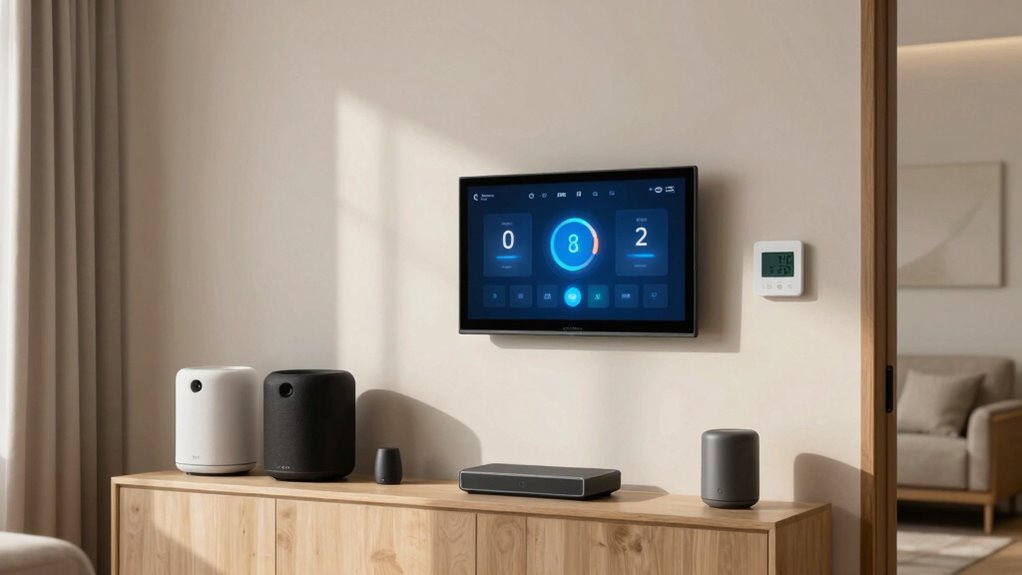
Building a future-proof home also means choosing technology that’s scalable. Start with the essentials—lighting, climate control, security—and then add more complex features like automation routines or multi-room audio as your needs evolve. Consider the software ecosystem too; platforms like Apple HomeKit, Google Home, or Amazon Alexa have different strengths and device support. Picking a platform with a broad device library ensures you’ll find options that suit your preferences and budget, and that they’ll stick around as your home’s tech needs grow. Additionally, understanding smart home standards can help you select devices that are more likely to be compatible and future-proof. Staying informed about emerging interoperability standards can also give you an edge in choosing adaptable devices. Being aware of industry certifications can further guide you towards reliable and secure options. Exploring cloud server solutions can enhance your home automation setup by providing scalable and remote management capabilities. Finally, keep in mind that a well-planned home tech stack isn’t just about today’s convenience—it’s about creating a foundation that can adapt over time. Regularly update firmware, keep an eye on emerging standards, and choose devices that support over-the-air updates. This proactive approach guarantees your smart home remains reliable, safe, and ready for future innovations. When you focus on smart home integration and device compatibility from the start, you’re setting yourself up for a home that ages gracefully—one that seamlessly incorporates new technology without sacrificing performance or security.
smart home hub compatible with multiple devices
As an affiliate, we earn on qualifying purchases.
As an affiliate, we earn on qualifying purchases.
Frequently Asked Questions
How Often Should I Upgrade My Home Tech Devices?
You should upgrade your home tech devices roughly every 3-5 years, depending on their device lifespan and performance. Keep an eye on software updates and new features, and replace devices when they become slow or incompatible. Regular upgrades ensure you benefit from improved security, efficiency, and compatibility, preventing obsolescence. By maintaining a steady upgrade frequency, your tech stays current, reliable, and seamlessly integrated into your evolving home environment.
What Are the Best Practices for Data Backups at Home?
They say, “Don’t put all your eggs in one basket,” and that’s true for data backups too. You should implement data redundancy by regularly backing up files locally and to the cloud. Use reliable cloud storage services for remote backups, and keep physical copies on external drives. Automate your backups to guarantee consistency, and periodically test restore processes to confirm your data remains safe and accessible.
How Can I Ensure My Smart Home Remains Secure?
To keep your smart home secure, prioritize addressing privacy concerns and guarantee device compatibility. Regularly update firmware and security settings on all devices to patch vulnerabilities. Use strong, unique passwords and enable two-factor authentication where possible. Keep your Wi-Fi network protected with a strong password and consider segmenting your network for added security. Staying vigilant about privacy and compatibility helps prevent unauthorized access and keeps your smart home safe.
What Should I Consider for Future-Proofing My Tech Investments?
To future-proof your tech investments, focus on future compatibility by choosing widely supported, open standards and brands with a strong update track record. Plan for longer upgrade cycles by avoiding overly proprietary systems, and consider modular components that are easy to upgrade or replace. Stay informed about emerging technologies, and allocate a flexible budget to adapt quickly, ensuring your smart home remains functional and relevant as new innovations arrive.
How Do I Integrate New Devices With Existing Systems?
Ironically, your newest device probably won’t fit perfectly—welcome to tech’s constant game of catch-up. To integrate new devices, focus on Device Compatibility and Ecosystem Integration. Choose platforms that support open standards or universal protocols like Zigbee or Z-Wave. Use hubs or bridges that connect different ecosystems seamlessly. Regularly update firmware and apps, ensuring your system remains adaptable, even as new gadgets arrive. This way, your smart home evolves without becoming a digital jumble.
future-proof smart lighting system
As an affiliate, we earn on qualifying purchases.
As an affiliate, we earn on qualifying purchases.
Conclusion
As you craft your home tech stack, think of it as planting a sturdy tree—each device a branch, each connection a leaf. With care and foresight, your setup will grow stronger and more resilient over time, weathering storms and adapting to changing seasons. Embrace simplicity now to guarantee your tech’s roots remain deep, allowing your smart home to flourish gracefully, standing tall through the years as a symbol of harmony and enduring comfort.
smart home security camera with industry certifications
As an affiliate, we earn on qualifying purchases.
As an affiliate, we earn on qualifying purchases.
cloud-based home automation controller
As an affiliate, we earn on qualifying purchases.
As an affiliate, we earn on qualifying purchases.
Halloween Picks
halloween
As an affiliate, we earn on qualifying purchases.