
To keep your digital assets safe, use hardware wallets for high security and store private keys offline. Regularly back up your seed phrases in encrypted or physical safes, and avoid digital formats prone to theft. Enable multi-factor authentication and update your software consistently. Practice testing your backups to make sure they work, and utilize HD wallets to generate new addresses and protect your privacy. Following these best practices helps safeguard your assets constantly—continue to explore for more detailed tips.
Key Takeaways
- Use hardware wallets for offline storage and maximum security of private keys.
- Regularly back up seed phrases in encrypted, physical locations to prevent loss.
- Enable multi-factor authentication and keep software wallets updated to reduce vulnerabilities.
- Test backups periodically by restoring wallets to ensure recovery effectiveness.
- Avoid digital backups in plain formats; prefer physical safes or encrypted drives for secure storage.
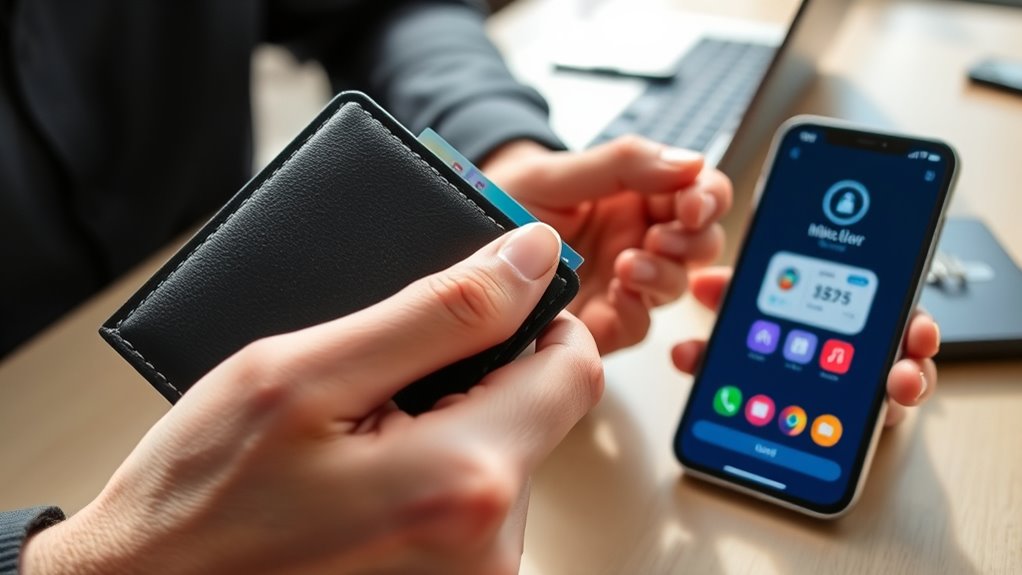
Managing your wallet effectively is essential for maintaining financial stability and reducing stress. When it comes to digital assets, your wallet is the gateway to your cryptocurrency holdings, so safeguarding it must be a top priority. Cryptocurrency security isn’t just about choosing strong passwords; it involves a thorough approach that includes understanding how to protect your private keys and ensuring your wallet’s resilience against theft or loss. One of the most critical aspects of this is implementing solid wallet backup strategies. Without proper backups, a device failure, malware attack, or accidental deletion could mean losing access to your assets forever.
Effective wallet management safeguards your assets and reduces stress through robust backup and security practices.
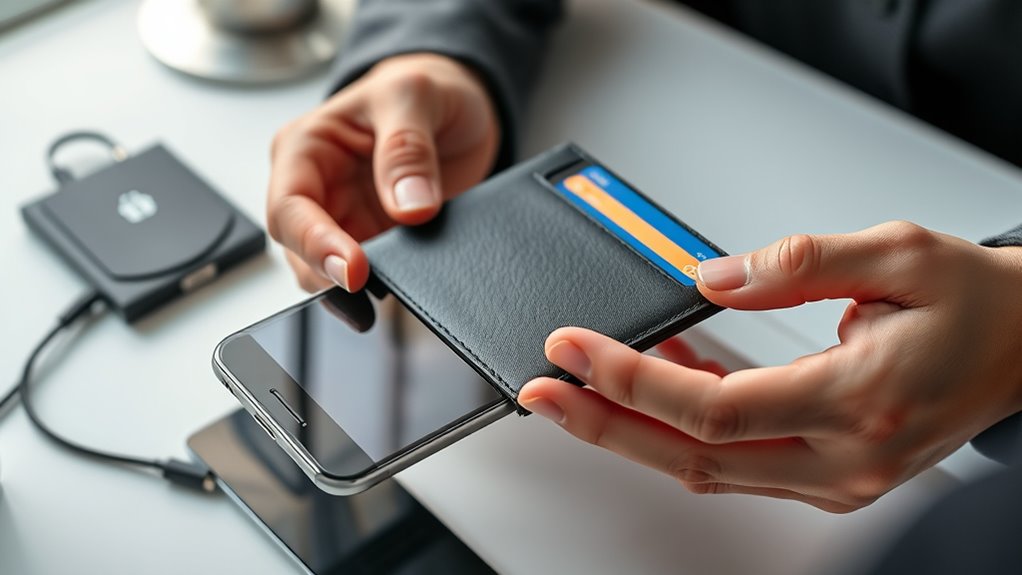
Start by selecting a reliable wallet that offers robust security features. Hardware wallets, for example, are considered among the safest options because they store private keys offline, away from internet threats. If you prefer software wallets, ensure they come from reputable sources and have multi-factor authentication enabled. Regularly updating your wallet software also adds an additional layer of security, patching vulnerabilities that hackers might exploit. Remember, no system is entirely invulnerable, so continuous vigilance is key.
Wallet backup strategies are your safety net. You should create multiple, secure backups of your private keys or seed phrases and store them in different physical locations. Avoid digital formats like plain text or unencrypted files, as these can be easily compromised. Instead, use encrypted USB drives or physical safes to keep your backup data safe from theft or damage. Writing down your seed phrase on paper and storing it in a secure, fireproof safe is a traditional yet highly effective method. Make sure you memorize or securely record the seed phrase, as it’s the only way to recover your wallet if your device is lost or damaged. Additionally, understanding the importance of color accuracy in projectors can help you set up your digital assets display with precise visual fidelity, enhancing your overall security awareness in digital environments.
Furthermore, consider employing a hierarchical deterministic (HD) wallet, which generates a new address for each transaction, minimizing the risk of address reuse and enhancing privacy. This feature also simplifies wallet backups, as all your addresses and private keys are derived from a single seed phrase. Consistently review and update your backup procedures—don’t just set and forget. Periodically test your backups by restoring your wallet on a different device to verify they work correctly.
Frequently Asked Questions
How Often Should I Update My Wallet’s Security Features?
You should update your wallet’s security features regularly, ideally every few months. Make sure to change your password updates often to prevent unauthorized access. Conduct security audits periodically to identify vulnerabilities and strengthen your defenses. Staying proactive by updating passwords and reviewing your security settings helps protect your digital assets from potential threats. Consistent maintenance guarantees your wallet remains secure, giving you peace of mind in managing your digital assets effectively.
Can I Recover My Wallet if I Forget My Password?
Yes, you can recover your wallet if you forget your password. Typically, wallet providers offer password recovery options like seed phrases or backup keys that securely restore wallet access. To keep your assets safe, store these recovery details securely. Remember, safeguarding your seed phrase is vital because it’s your ultimate key to wallet recovery, ensuring you won’t lose access if your password slips your mind.
What Are the Best Practices for Backing up My Wallet?
You should securely back up your wallet using seed phrases and store them in multiple backup locations. Write down your seed phrase on paper and keep it offline in a safe place, like a safe deposit box. Avoid digital storage that can be hacked. Regularly update your backups, especially after wallet updates, and never share your seed phrases with anyone. This guarantees you can recover your wallet if needed.
Are Hardware Wallets Really Safer Than Software Wallets?
You might think hardware wallets are safer than software ones, but that’s the irony—cold storage can be more secure than hot wallets if you keep it offline and protected. Hardware wallets, designed for cold storage, shield your assets from online threats. Meanwhile, hot wallets, always connected, are more vulnerable. So, yes, hardware wallets often provide better security, especially when you want peace of mind for large holdings.
How Do I Identify Phishing Attempts Related to My Wallet?
You can identify phishing attempts by closely examining emails and websites. Look out for phishing emails that create a sense of urgency or ask for your private keys or passwords. Check URLs carefully for misspellings or unusual domains, which often lead to fake websites. Never click on suspicious links or provide sensitive information. Always verify the sender’s email address and confirm you’re on a legitimate site before logging in or sharing your wallet details.
Conclusion
Remember, good wallet management isn’t just about technology—it’s about staying vigilant and disciplined. Some say that a well-kept digital wallet is like a fortress, guarding your assets fiercely. While no system is foolproof, taking simple steps like strong passwords and backups can make a huge difference. Trust me, treating your digital assets with care might just prove the old theory right: a little caution today saves a lot of stress tomorrow. Stay secure!