In Web3, your wallet acts as your digital identity, giving you control over your assets and online interactions. It’s more than just a storage tool—it’s your gateway to decentralized apps, providing privacy, ownership, and security. By managing your private keys carefully, you can protect yourself from hacks and scams. Continuing to explore this space will help you understand how wallets empower you to control your digital life securely.

Get hardware and tech essentials delivered free with Prime
- Fast, free delivery on millions of items
- Prime Video, Amazon Music and more included
- Member-only deals all year
Key Takeaways
- Wallets serve as portable digital identities, enabling users to access and verify decentralized services securely in Web3.
- They allow users to control personal data and share only necessary information across dApps.
- Wallets act as gateways for proof of ownership, identity verification, and participation in DeFi and NFT ecosystems.
- Proper wallet management enhances security, privacy, and ownership rights within the decentralized web environment.
- Using wallets as digital identities promotes user autonomy, reducing reliance on centralized authorities and fostering a private online experience.
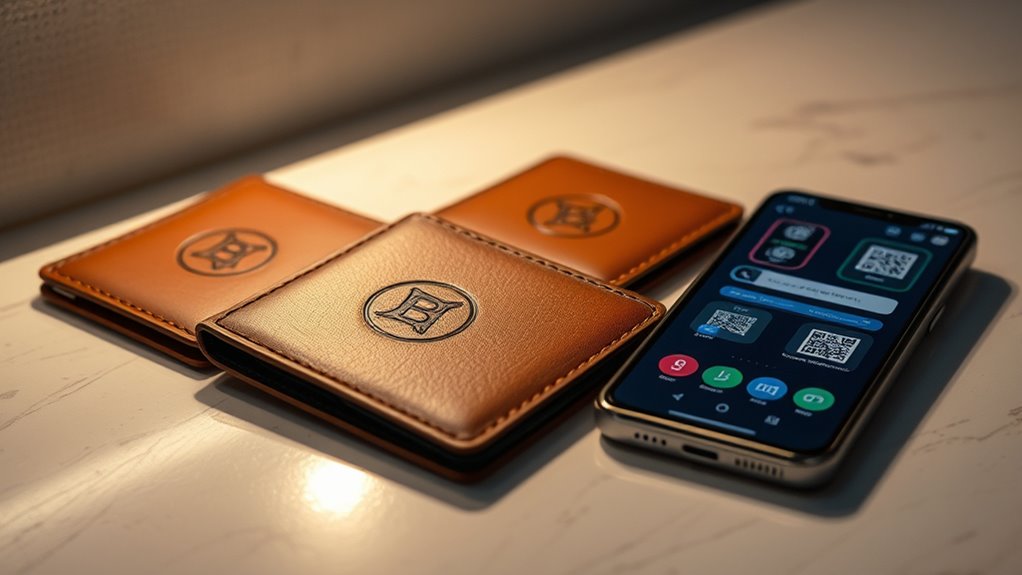
As Web3 continues to revolutionize the internet, wallets have become essential tools for users to manage their digital assets securely. These wallets aren’t just storage units; they’re the gateways to your decentralized identity and the core of your interactions in the Web3 ecosystem. When you use a wallet, you’re not just holding cryptocurrencies—you’re establishing a digital persona that grants you control over your assets and data. This shift from traditional accounts to decentralized identity means you don’t rely on centralized authorities to verify your identity or access your assets. Instead, your wallet becomes the key to proving who you are and what you own, all while maintaining privacy and ownership. Recognizing the importance of work-life balance can help prevent burnout and support healthier digital engagement.
Cryptocurrency security is a top priority for anyone venturing into Web3. With your wallet, you’re responsible for safeguarding your private keys—the cryptographic credentials that give you access to your digital assets. If these keys fall into the wrong hands, your assets could be compromised, so understanding how to protect them is vital. Hardware wallets, for example, provide a higher level of security because they store your keys offline, making them less vulnerable to hacking attempts. Software wallets, on the other hand, are more convenient but require diligent security practices, such as enabling two-factor authentication and avoiding phishing scams. Your awareness of these practices directly influences your ability to keep your digital assets safe and maintain confidence in your Web3 activities.
Safeguard your private keys with hardware wallets and security best practices to protect your digital assets in Web3.
Decentralized identity takes this a step further by allowing you to control your personal data without depending on third-party providers. Instead of creating multiple accounts across platforms, your wallet acts as a portable identity that you can use seamlessly across various decentralized apps (dApps). This means you can verify your identity or credentials without revealing unnecessary personal information, preserving your privacy. Your wallet becomes a digital passport, enabling you to participate in DeFi, NFTs, and other Web3 services with ease and security. It empowers you to choose what information to share and when to share it, giving you more autonomy over your online presence.
In essence, wallets in Web3 are more than storage solutions—they’re the foundation of your digital identity and security. They give you control, privacy, and security in a decentralized environment, making sure your assets and identity are protected as you explore the expanding world of Web3. Embracing this technology means taking charge of your digital life, where security and decentralization go hand in hand, shaping a more private and user-centric internet experience.
As an affiliate, we earn on qualifying purchases.
Frequently Asked Questions
How Secure Are Digital Wallets Against Hacking?
Digital wallets offer strong cryptographic security, making hacking difficult if you use secure passwords and enable two-factor authentication. However, you’re still vulnerable to phishing risks, where scammers trick you into revealing private keys or seed phrases. To stay safe, never share your recovery information, verify website URLs, and stay cautious of suspicious messages. While wallets are secure, your vigilance is key to protecting your digital assets.
Can I Use Multiple Wallets for Different Web3 Activities?
Think of your wallets as different keys to various rooms in a house—you can definitely use multiple wallets for different web3 activities. Multi-wallet management keeps your assets organized, reducing risk and making transactions smoother. By wallet organization, you guarantee each wallet serves a specific purpose, enhancing security and convenience. Yes, managing multiple wallets is practical and safe when you stay disciplined with your keys, keeping your digital life tidy and protected.
What Happens if I Lose Access to My Wallet?
If you lose access to your wallet, wallet recovery options are essential. You should have wallet backups stored securely, like seed phrases, to restore your wallet quickly. Without these backups, regaining access can be impossible, risking your digital assets and identity. Always keep your seed phrase private and offline, and regularly update your wallet recovery information to prevent losing everything if something happens to your wallet.
Are Wallets Compatible Across All Blockchain Platforms?
While wallets aren’t universally compatible across all blockchains, advances in interoperability standards and cross-chain compatibility are bridging the gap. You can use certain wallets that support multiple platforms, but some might require specific features or integrations. It’s like steering a multilingual landscape—your wallet’s versatility depends on the protocols it adheres to. As technology evolves, expect smoother cross-chain experiences, making your digital identity more flexible and accessible.
How Do Wallets Support Privacy and Data Control?
Wallets support privacy and data control by allowing you to set privacy settings that limit who can view your information. They give you data ownership, meaning you decide what data to share and with whom. You can choose to keep certain details private or reveal only what’s necessary. This empowers you to manage your digital identity securely, giving you control over your personal data in the decentralized Web3 ecosystem.
As an affiliate, we earn on qualifying purchases.
Conclusion
Embracing wallets as your digital identity bridges the gap between you and Web3, making interactions more seamless and secure. As you dive deeper, remember that having your wallet is like holding the keys to your digital kingdom—don’t leave them in the wrong hands. Stay informed, stay vigilant, and you’ll find that this new frontier isn’t as intimidating as it seems. With the right tools, you’re well on your way to riding the wave of the future.
As an affiliate, we earn on qualifying purchases.
As an affiliate, we earn on qualifying purchases.
Fall Picks
fall essentials
As an affiliate, we earn on qualifying purchases.