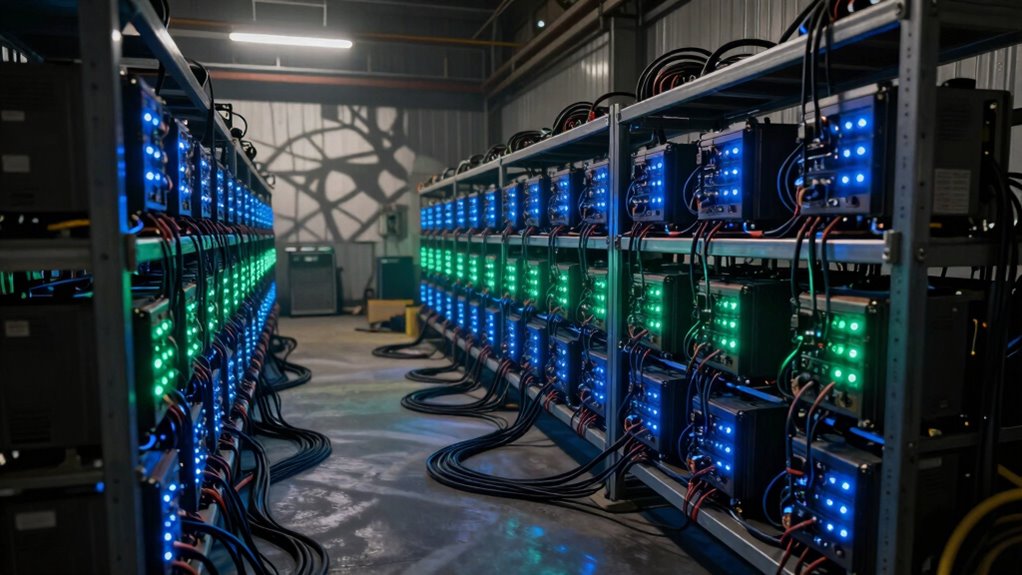

You’ll feel the true costs of Bitcoin mining long before profits appear, mainly through energy bills and environmental impact. Mining consumes massive amounts of electricity, often from fossil fuels, which adds hidden long-term costs. This affects your profitability and raises concerns about sustainability. As regulations tighten due to environmental concerns, you may face additional restrictions. Understanding these broader costs helps you weigh whether mining is worth it. Keep exploring to learn how these factors influence your success.

Get hardware and tech essentials delivered free with Prime
- Fast, free delivery on millions of items
- Prime Video, Amazon Music and more included
- Member-only deals all year
Key Takeaways
- High energy consumption from mining hardware leads to significant electricity costs before any profit is earned.
- Environmental impact and carbon footprint costs become evident long before mining yields financial rewards.
- Ongoing operational expenses, such as electricity and cooling, accumulate over time without immediate returns.
- Regulatory risks and potential restrictions due to environmental concerns can increase costs early in the process.
- The true long-term costs—environmental damage and energy use—are felt long before mining becomes profitable.
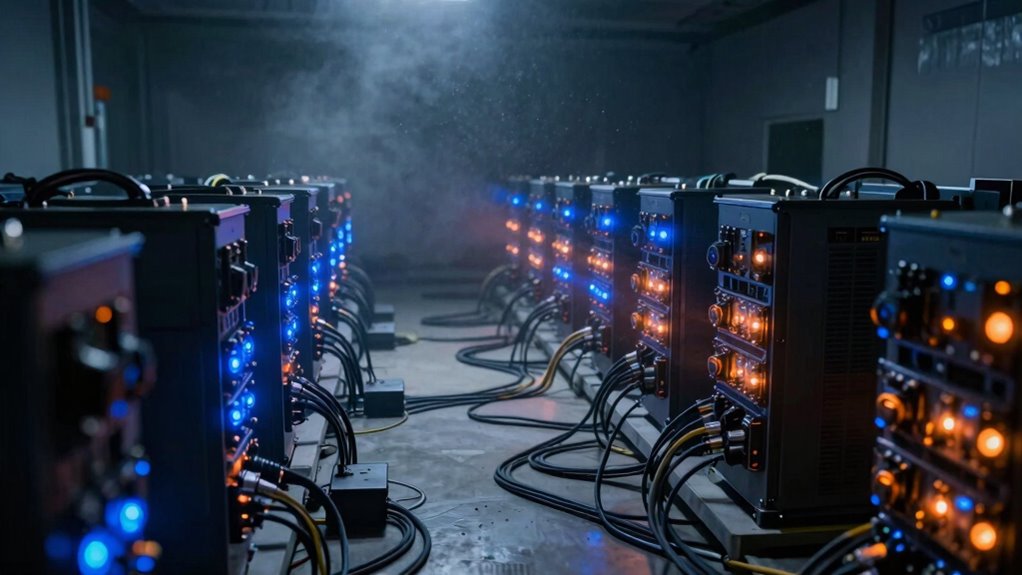
Ever wondered what it really costs to mine Bitcoin? The truth is, the expenses go far beyond just purchasing equipment or paying for electricity. When you step into the world of Bitcoin mining, you’re immediately confronted with the significant environmental impact and energy consumption involved. Mining operations require vast amounts of computing power, which translates directly into high energy use. This energy consumption isn’t just a marginal concern; it’s a core part of the process that can shape your entire understanding of costs. Large-scale mining farms often rely on fossil fuels, further exacerbating their environmental footprint. As a result, the environmental impact becomes a hidden cost that’s not always reflected in the immediate financial calculations but has long-term consequences for the planet.
Bitcoin mining’s true costs extend beyond equipment and electricity, impacting the environment and long-term sustainability.
The amount of energy needed to solve complex cryptographic puzzles is staggering. You might think that once you set up your mining hardware, profits will roll in, but that’s rarely the case. Instead, you’ll find yourself facing ongoing, substantial electricity bills. In some regions, the cost to run mining equipment can be prohibitively high, eating into potential profits from the start. This high energy consumption means your operational costs are directly tied to local energy prices, which can fluctuate unpredictably. If your electricity rates are high, your mining venture could become unprofitable before you even hit your first reward. Additionally, the energy efficiency of your mining hardware plays a crucial role in controlling these ongoing expenses.
Moreover, the environmental impact of these operations isn’t just about individual costs. Large-scale mining farms contribute to increased carbon emissions, which accelerates climate change. This broader impact can lead to increased scrutiny, regulation, or even restrictions, adding another layer of risk and cost to your mining activities. You might not see these costs immediately, but they influence the sustainability of your operation in the long run. The energy consumption involved in mining is an ongoing expense that doesn’t end once you buy hardware. It’s a continuous burden that you’ll carry as long as your operation runs. Sustainable practices in mining could help mitigate some of these long-term costs and environmental impacts.
In essence, the true cost of Bitcoin mining is felt long before profit appears in your account. The environmental impact and energy consumption form the foundation of your operational expenses, often overshadowing initial hardware investments. Understanding the environmental footprint is crucial for making informed decisions about the long-term viability of your mining endeavors. Recognizing these hidden costs early on can help you make smarter, more sustainable decisions about your mining endeavors.
As an affiliate, we earn on qualifying purchases.
Frequently Asked Questions
How Does Electricity Pricing Vary by Region for Mining?
Electricity pricing for mining varies widely by region due to regional energy policies and renewable energy incentives. Areas with supportive policies or abundant renewable resources often offer lower costs, making mining more profitable. Conversely, regions with high taxes or limited renewable incentives tend to have higher electricity prices. You should research local energy policies and incentives in your target region, as they directly impact your operational costs and potential profitability.
What Are Common Hidden Costs in Bitcoin Mining?
Hidden costs in bitcoin mining often hide behind the scenes, like the quiet drain of maintenance and upgrades. You might overlook expenses for specialized mining hardware and efficient cooling solutions, which are essential to keep your setup running smoothly. These costs can accumulate quickly, impacting your overall profitability. Staying aware of these less obvious expenses helps you plan better, ensuring your mining operation remains sustainable and profitable in the long run.
How Does Hardware Depreciation Affect Overall Mining Costs?
Hardware depreciation substantially affects your overall mining costs, as it reduces the value of your equipment over its mining lifespan. When calculating expenses, you need to account for how quickly your hardware’s worth declines, which increases the effective cost per mined bitcoin. This depreciation means you’ll have to replace or upgrade your equipment sooner, adding to ongoing expenses and impacting your profitability, especially during the early stages before seeing gains.
Can Mining Costs Fluctuate Significantly Over Time?
Imagine your mining operation as a ship steering through choppy waters—costs can shift suddenly. Yes, mining costs fluctuate markedly over time due to factors like changes in electricity rates, hardware depreciation, or the need for hardware upgrades. Joining a mining pool can help stabilize income, but unexpected expenses or hardware obsolescence can cause costs to spike unexpectedly. Staying adaptable and monitoring these variables is essential to managing your profitability.
What Are the Environmental Impacts of Bitcoin Mining Expenses?
Bitcoin mining expenses impact the environment primarily through its carbon footprint. When you rely on renewable energy sources, you markedly reduce this footprint, making your mining activities more eco-friendly. Without renewable energy, the high energy consumption from mining contributes to pollution and greenhouse gases. By choosing sustainable power options, you can lower environmental harm while still participating profitably in mining, balancing economic gains with ecological responsibility.
As an affiliate, we earn on qualifying purchases.
Conclusion
Think of Bitcoin mining like planting a seed in rocky soil—you invest time and resources, patiently tending it as it struggles to sprout. The journey’s tough, and the cost feels heavy at first, like watering a barren land. But if you persevere, patience becomes your sunlight, and eventually, your effort blossoms into a fruitful tree—your reward. Remember, every miner’s orchard begins with a single, determined seed, waiting for the right moment to grow.
cooling systems for mining farms
As an affiliate, we earn on qualifying purchases.
As an affiliate, we earn on qualifying purchases.
fossil fuel free mining equipment
As an affiliate, we earn on qualifying purchases.
As an affiliate, we earn on qualifying purchases.
Halloween Picks
halloween
As an affiliate, we earn on qualifying purchases.