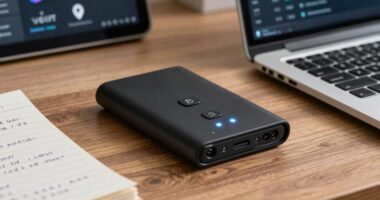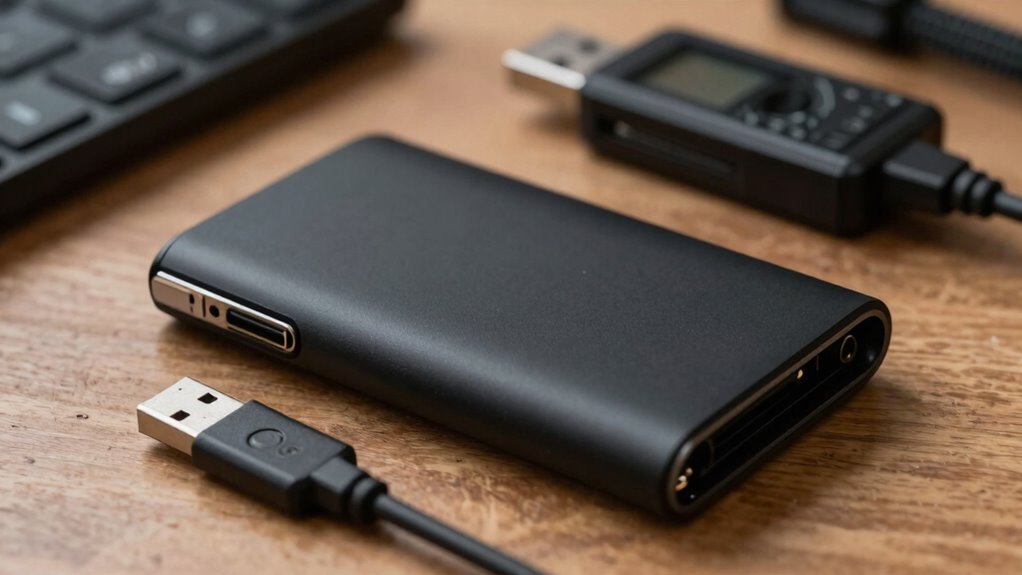

If you want maximum security, go with an air-gapped wallet, which stays completely offline and signs transactions without internet access, protecting against malware. USB wallets connect to your devices via USB, making them more convenient but potentially vulnerable if your computer gets infected. The key difference is how they guard your private keys: air-gapped devices are isolated, while USB wallets depend on your device’s security. Keep exploring to discover which option best fits your needs.

Get hardware and tech essentials delivered free with Prime
- Fast, free delivery on millions of items
- Prime Video, Amazon Music and more included
- Member-only deals all year
Key Takeaways
- Air-gapped wallets operate entirely offline, preventing remote hacking, while USB wallets connect to devices that could be malware-infected.
- Air-gapped devices generate and sign transactions offline, offering maximum security; USB wallets depend on the security of connected devices.
- Physical transfer methods like QR codes are used for air-gapped wallets, adding complexity; USB wallets provide quicker, more convenient access.
- Both types are cold storage solutions, but air-gapped wallets are ideal for long-term, high-value holdings due to their enhanced protection.
- Firmware security and hardware integrity are critical for both, but air-gapped wallets are less vulnerable to network-based attacks.
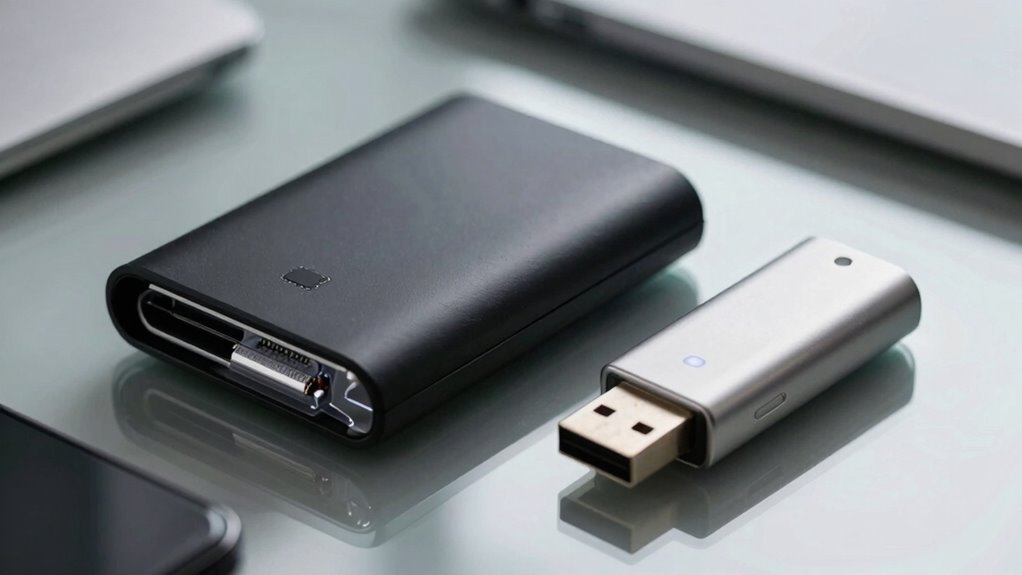
When it comes to securing your cryptocurrencies, choosing the right hardware wallet is essential, especially with options like air-gapped and USB-connected devices. Both serve as cold storage solutions, meaning your private keys stay offline, which greatly reduces exposure to online threats. However, they differ markedly in how they maintain security and protect against malware. Understanding these differences helps you decide which type best fits your needs.
An air-gapped hardware wallet operates entirely offline. It never connects directly to the internet or any network, making it one of the most secure forms of cold storage. You generate and sign transactions on the device itself, often using an independent computer or even a dedicated offline machine. Because it isn’t connected to the web, malware protection is inherently stronger. No malicious software can infiltrate an air-gapped device through network vulnerabilities, and the risk of hacking or remote attack drops dramatically. This makes air-gapped wallets ideal for long-term storage of large amounts of cryptocurrencies, where security is paramount. The only time you expose the device to potential risks is during physical transfer, such as when you move data via QR codes or hardware interfaces designed to prevent malware infection. Additionally, offline transaction signing further enhances its security by ensuring the private keys remain completely isolated. As the security of the device’s firmware is critical, choosing reputable hardware is essential for maintaining integrity. Ensuring that the hardware’s tamper-proof design remains uncompromised is also vital for safeguarding your assets.
In contrast, USB-connected hardware wallets are more convenient but slightly less resistant to malware threats. They connect directly to your computer or mobile device via USB or other ports, enabling quick transaction signing and easier management. While these wallets still keep your private keys offline, they depend on the security of the device’s firmware and the host computer. If your computer becomes infected with malware, it could potentially compromise the wallet during transaction signing, even if the private keys are stored securely. To mitigate this, reputable USB wallets incorporate security features like encrypted communication, firmware verification, and tamper-proof hardware. Still, the risk of malware infection exists, especially if your computer’s security is lax, making them less suitable for storing large sums or for long-term cold storage. Regularly updating the firmware and practicing good cybersecurity habits can significantly reduce these risks.
In the end, your choice depends on your priorities. If you prioritize maximum malware protection and are willing to accept less convenience, an air-gapped wallet offers unmatched security. But if ease of use and quick access are more important, a USB-connected wallet provides a balanced approach, provided you maintain good cybersecurity practices. Both types serve as effective cold storage options, but knowing their differences helps you make smarter decisions to keep your cryptocurrencies safe.
As an affiliate, we earn on qualifying purchases.
Frequently Asked Questions
Can Air-Gapped Wallets Be Hacked Remotely?
No, air-gapped wallets can’t be hacked remotely because they don’t connect to the internet or any network, ensuring strong protection against remote hacking. However, your physical security becomes critical; if someone gains access to the device or its transfer methods, they could compromise it. While remote hacking is highly unlikely, maintaining strict physical security is essential to prevent theft or tampering with your air-gapped wallet.
What Is the Cost Difference Between the Two?
You might think air-gapped wallets cost more, but that’s not always true. Generally, USB hardware wallets have lower manufacturing costs due to simpler security protocols, making them more affordable upfront. Air-gapped wallets, with enhanced security measures, tend to be pricier because of complex hardware and design. So, if budget matters, USB wallets are usually cheaper, but weigh the security benefits against the cost for your needs.
Are Air-Gapped Wallets Compatible With All Cryptocurrencies?
Air-gapped wallets generally support a wide range of cryptocurrencies, but compatibility varies by device. You need to check each wallet’s specifications for cryptocurrency compatibility and multi-coin support. Some are designed for specific coins, while others offer broader support. If you store multiple cryptocurrencies, choose an air-gapped wallet with multi-coin support to guarantee you can manage all your assets securely and effortlessly.
How Long Do USB Hardware Wallets Typically Last?
USB hardware wallets typically last between 2 to 10 years, depending on their battery lifespan and hardware durability. Most models don’t rely heavily on batteries, using them mainly for specific functions, so they tend to last longer. Proper handling and storage can extend their lifespan. Regularly checking for firmware updates and avoiding physical damage also help guarantee your wallet remains secure and functional over time.
Is One Type More User-Friendly for Beginners?
You might think air-gapped wallets are more complex, but in reality, USB hardware wallets are usually more user-friendly for beginners. Their straightforward user interface and simple setup process make them easier to navigate. With USB wallets, you plug in, follow prompts, and start managing your crypto quickly. Air-gapped wallets often involve more advanced steps, which can overwhelm newcomers, so USB wallets are generally the better choice for those just starting out.
USB hardware wallet for cryptocurrencies
As an affiliate, we earn on qualifying purchases.
As an affiliate, we earn on qualifying purchases.
Conclusion
Choosing between air-gapped and USB hardware wallets is like picking your path through a forest—each has its own safety trail. Air-gapped wallets offer a higher security level, keeping your crypto completely offline, while USB wallets are more convenient but slightly more vulnerable. Remember, your security is your fortress, so weigh your needs carefully. Whichever you choose, protect your private keys like gold—because in the world of crypto, they’re the key to your kingdom.
As an affiliate, we earn on qualifying purchases.
hardware wallet with QR code transfer
As an affiliate, we earn on qualifying purchases.
As an affiliate, we earn on qualifying purchases.
Halloween Picks
halloween
As an affiliate, we earn on qualifying purchases.