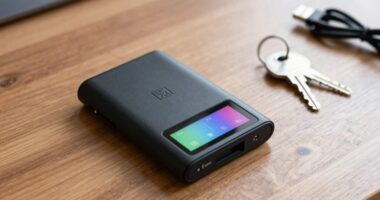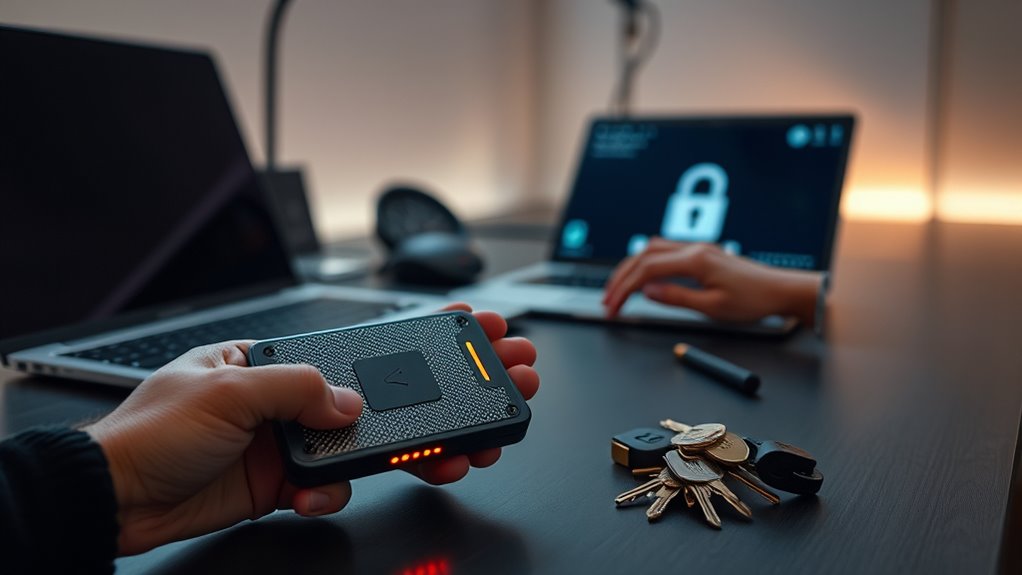

Protecting your crypto wallet requires more than just choosing the right storage method; it demands adopting robust security practices. The best overall approach combines hardware wallets with strong, unique passwords, but this might involve higher costs and complexity. Alternatively, beginners might prefer simpler solutions like secure mobile wallets with multi-factor authentication, though these may be more vulnerable to scams. The main tradeoffs involve balancing ease of use, cost, and security level. Continue reading for a detailed breakdown of the most effective practices and tools to keep your crypto assets safe in 2026.

Get hardware and tech essentials delivered free with Prime
- Fast, free delivery on millions of items
- Prime Video, Amazon Music and more included
- Member-only deals all year
Key Takeaways
- Hardware wallets remain the most secure option for long-term storage but require careful handling and backup procedures.
- Strong, unique passwords combined with multi-factor authentication significantly reduce hacking risks for software wallets.
- Regularly updating wallet software and security protocols helps protect against emerging threats and exploits.
- Phishing scams and social engineering are common attack vectors; awareness and cautious behavior are essential.
- A layered security approach combining hardware, software, and good habits offers the best protection for digital assets.
| Crypto Decrypted: A Practical Guide to Crypto Ownership, Wallets, and Security |  | Best Overall Guide to Crypto Security Fundamentals | Target Audience: Beginners to intermediate crypto users | Coverage: Wallet management, security basics | Format: Print and digital | VIEW ON AMAZON | See Our Full Breakdown |
| Crypto Hardware Wallets: A Practical Guide for Beginners |  | Best for Beginners Learning Hardware Wallets | Audience: Crypto beginners | Content Focus: Hardware wallet setup and security tips | Technical Detail: Basic overview, no specs | VIEW ON AMAZON | See Our Full Breakdown |
| Mastering the Coinbase Wallet: The Complete Beginner’s Guide to Safe Setup, Usage & Security |  | Best for Coinbase Wallet Users Seeking Security Guidance | Audience: Coinbase Wallet users | Scope: Setup, usage, security | Platform Focus: Coinbase Wallet only | VIEW ON AMAZON | See Our Full Breakdown |
| Crypto Cold Wallet |  | Best for Offline Cryptocurrency Storage | Type: Hardware cold wallet | Security Level: Offline, high security | Ease of Use: Moderate, technical knowledge needed | VIEW ON AMAZON | See Our Full Breakdown |
| Guard Your Crypto: How to Protect Your Wallets, Coins, and Digital Assets from Scams, Hackers, and Costly Mistakes |  | Best for Practical Security Strategies and Scam Prevention | Audience: Beginners and intermediate users | Focus: Scam prevention and security mistakes | Tools: General advice, no specific software | VIEW ON AMAZON | See Our Full Breakdown |
| The Crypto Security Survival Guide: How to Protect Your Bitcoin, Wallets, and Digital Assets from Scams, Phishing Attacks, SIM Swaps, and Social Engineering |  | Best Overall for Comprehensive Crypto Security Knowledge | Author: Unknown | Format: Digital/Print | Pages: Approx. 150 | VIEW ON AMAZON | See Our Full Breakdown |
| Crypto Security: How to Protect Your Assets from Hacks, Scams, and Exploits |  | Best for Detailed Cyber Threat Strategies | Author: Unknown | Format: Digital/Print | Pages: Approx. 200 | VIEW ON AMAZON | See Our Full Breakdown |
| Safely Invest and Store Cryptocurrency: A Complete Guide to Cold Wallets and Secure Crypto Storage |  | Best for Cold Storage and Offline Security Practices | Author: Unknown | Format: Digital/Print | Pages: Approx. 180 | VIEW ON AMAZON | See Our Full Breakdown |
| Crypto Wallets & Exchanges Mastery: A Practical Beginner’s Guide to Securing Digital Assets, Using Crypto Exchanges, Protecting Wallets & Navigating the Market |  | Best for Beginners Entering the Crypto Market | Author: Unknown | Format: Digital/Print | Pages: Approx. 140 | VIEW ON AMAZON | See Our Full Breakdown |
| Mastering the Trust Wallet: The Complete Beginner’s Guide to Safe Setup, Usage & Security |  | Best for Trust Wallet Users and Self-Custody Starters | Author: Unknown | Format: Digital/Print | Pages: Approx. 130 | VIEW ON AMAZON | See Our Full Breakdown |
| practices keeping your crypto wallet secure | Format | Focus | Author | Pages |
|---|---|---|---|---|
| Crypto Decrypted: A Practical | Print and digital | — | — | — |
| Crypto Hardware Wallets: A Pra | Digital book | — | — | — |
| Mastering the Coinbase Wallet: | Digital or print | — | — | — |
| Crypto Cold Wallet | — | — | — | — |
| Guard Your Crypto: How to Prot | Print and digital | Scam prevention and security mistakes | — | — |
| The Crypto Security Survival G | Digital/Print | Scams, Phishing, Social Engineering | Unknown | Approx. 150 |
| Crypto Security: How to Protec | Digital/Print | Hacks, Scams, Exploits | Unknown | Approx. 200 |
| Safely Invest and Store Crypto | Digital/Print | Cold wallets, Offline storage, Security | Unknown | Approx. 180 |
| Crypto Wallets & Exchanges Mas | Digital/Print | Wallet security, Exchange use, Market navigation | Unknown | Approx. 140 |
| Mastering the Trust Wallet: Th | Digital/Print | Trust Wallet setup, security practices | Unknown | Approx. 130 |
More Details on Our Top Picks
Crypto Decrypted: A Practical Guide to Crypto Ownership, Wallets, and Security
This book stands out for offering a balanced overview suitable for both newcomers and seasoned users, covering key concepts of wallet management and security practices. Unlike more technical options, it focuses on practical guidance rather than technical jargon, making it accessible to a broad audience. However, it misses out on detailed technical explanations and lacks digital tools or resources that more advanced users might seek. This makes it ideal for those starting their security journey but less useful for users seeking in-depth technical solutions.
Pros:- Clear, straightforward guidance on crypto security basics
- Suitable for both beginners and intermediate users
- Covers a broad range of wallet types and ownership issues
Cons:- Lacks in-depth technical explanations and advanced strategies
- No included digital tools or practical resources for implementation
Best for: Beginners who want a comprehensive yet understandable overview of crypto security practices
Not ideal for: Experienced investors seeking detailed technical manuals or advanced security tools
- Target Audience:Beginners to intermediate crypto users
- Coverage:Wallet management, security basics
- Format:Print and digital
- Depth:Introductory, non-technical
Our verdict“This book is a solid starting point for newcomers aiming to understand fundamental crypto security practices.”
Crypto Hardware Wallets: A Practical Guide for Beginners
This guide excels at introducing newcomers to hardware wallets, emphasizing the importance of offline security and step-by-step setup. Compared with ‘Crypto Cold Wallet’, it offers a more accessible overview without technical jargon, but it doesn’t provide detailed specifications or hardware options. Its focus on practical tips makes it perfect for beginners but less suitable for users who want in-depth technical comparisons or advanced storage solutions.
Pros:- Easy-to-understand language for newcomers
- Provides a comprehensive overview of hardware wallet features
- Practical tips for initial setup and secure storage
Cons:- No detailed technical specifications of hardware options
- Lacks included hardware or accessories for hands-on setup
Best for: Crypto beginners wanting a simple, clear introduction to hardware wallets and offline security
Not ideal for: Advanced users or those seeking detailed technical specs or specific hardware recommendations
- Audience:Crypto beginners
- Content Focus:Hardware wallet setup and security tips
- Technical Detail:Basic overview, no specs
- Format:Digital book
Our verdict“This book is excellent for beginners seeking a straightforward introduction to hardware wallets and offline crypto security.”
Mastering the Coinbase Wallet: The Complete Beginner’s Guide to Safe Setup, Usage & Security
This guide is tailored specifically for Coinbase Wallet users, providing detailed, step-by-step instructions for secure setup and usage. While it offers thorough coverage of Coinbase’s features, it falls short for users interested in multi-wallet security or alternative platforms; it’s less useful for those not using Coinbase. Compared to broader guides like ‘Crypto Decrypted’, it offers focused, practical advice but limits its scope to one wallet ecosystem.
Pros:- Clear, easy instructions tailored to Coinbase Wallet
- Strong focus on security and safe usage practices
- Covers all major features of Coinbase Wallet
Cons:- Limited to Coinbase Wallet only
- No hands-on exercises or interactive components
Best for: Beginners who exclusively use Coinbase Wallet and want focused security guidance
Not ideal for: Users managing multiple wallets or seeking platform-agnostic security tips
- Audience:Coinbase Wallet users
- Scope:Setup, usage, security
- Platform Focus:Coinbase Wallet only
- Format:Digital or print
Our verdict“This book is perfect for Coinbase Wallet users who need straightforward, platform-specific security guidance.”
Crypto Cold Wallet
This cold wallet offers a strong layer of offline security, paramount for those holding large crypto holdings or seeking to minimize online risks. Compared with books like ‘Guard Your Crypto’, it provides a tangible device rather than advice, which appeals to users comfortable with technical setup. However, it requires some technical knowledge to operate effectively and is limited strictly to offline storage, making it less flexible for active trading or quick access.
Pros:- Provides robust offline security for digital assets
- Simple to set up once technical skills are in place
- Reduces exposure to online hacks and phishing
Cons:- Limited to offline storage, not suitable for active trading
- May require technical knowledge to operate and maintain
Best for: Advanced users or institutional investors prioritizing offline security for large holdings
Not ideal for: Casual investors or beginners who prefer software wallets or easy setup
- Type:Hardware cold wallet
- Security Level:Offline, high security
- Ease of Use:Moderate, technical knowledge needed
- Ideal For:Large holdings, offline storage
Our verdict“This cold wallet is best suited for security-conscious investors with the technical confidence to operate offline storage devices.”
Guard Your Crypto: How to Protect Your Wallets, Coins, and Digital Assets from Scams, Hackers, and Costly Mistakes
This book offers a practical approach to safeguarding crypto assets against scams, social engineering, and hacking, making it a useful resource for both beginners and experienced investors. Compared with ‘Crypto Decrypted’, which covers broader concepts, this book emphasizes specific pitfalls to avoid and common security mistakes. However, it lacks specific technical tools or software recommendations, which could limit its usefulness for those seeking advanced technical defenses. It’s best suited for users who want straightforward, actionable security tips.
Pros:- Practical tips for avoiding scams and hacking attempts
- Accessible for both beginners and seasoned investors
- Focuses on common security pitfalls and mistakes
Cons:- No specific technical tools or software suggestions
- Content may be too basic for experienced security professionals
Best for: Crypto users wanting concrete, actionable advice to avoid scams and hacking
Not ideal for: Advanced security practitioners seeking detailed technical defenses or software solutions
- Audience:Beginners and intermediate users
- Focus:Scam prevention and security mistakes
- Tools:General advice, no specific software
- Format:Print and digital
Our verdict“This book is ideal for crypto users looking for practical, easy-to-implement security tips to prevent scams and hacks.”
The Crypto Security Survival Guide: How to Protect Your Bitcoin, Wallets, and Digital Assets from Scams, Phishing Attacks, SIM Swaps, and Social Engineering
This book stands out for offering a thorough overview of common scams and cyber threats, making it an essential resource for both newcomers and seasoned users. Unlike Crypto Wallets & Exchanges Mastery, which focuses more on practical wallet setup, this guide emphasizes understanding the threats and applying strategic protections. Its comprehensive approach helps readers grasp how social engineering and SIM swaps can compromise assets, which many other books overlook. The main tradeoff is that it lacks technical tools or software recommendations, focusing instead on awareness and best practices. This makes it ideal for those wanting a strong conceptual foundation rather than hands-on technical instructions.
Pros:- Covers a wide range of scams and threats, including social engineering and SIM swaps
- Practical tips suitable for both beginners and experienced users
- Focuses on understanding risks to improve overall security awareness
Cons:- Lacks specific technical tools or software recommendations
- No price details or customer ratings provided
Best for: Beginners and intermediates seeking a broad understanding of crypto security threats and defenses
Not ideal for: Advanced users or technical professionals looking for specific cybersecurity tools or software setup instructions
- Author:Unknown
- Format:Digital/Print
- Pages:Approx. 150
- Level:Beginner to Intermediate
- Focus:Scams, Phishing, Social Engineering
- Publication Year:2023
Our verdict“This guide is best for those wanting a solid conceptual framework to recognize and prevent common crypto scams and threats.”
Crypto Security: How to Protect Your Assets from Hacks, Scams, and Exploits
This book provides detailed guidance on preventing hacks, scams, and exploits, making it suitable for users who want a deeper understanding of cybersecurity measures. Compared with Safely Invest and Store Cryptocurrency, which emphasizes cold storage, this title covers a broader spectrum of online threats and protection tactics. Its detailed discussions on exchange breaches and wallet attacks help users implement robust security practices, but it can be overly technical for complete beginners. The absence of specific software or hardware suggestions means it’s more about principles than step-by-step actions, which could be a drawback for those seeking quick solutions.
Pros:- Extensive coverage of cyber threats and security practices
- Suitable for both beginners and experienced users seeking depth
- Emphasizes practical strategies to prevent various exploits
Cons:- Lacks specific recommendations for security tools or hardware
- Content can be too technical for complete newcomers
Best for: Crypto enthusiasts who want comprehensive, technical insights into safeguarding their assets from cyber threats
Not ideal for: Absolute beginners or those seeking straightforward, step-by-step tutorials without technical jargon
- Author:Unknown
- Format:Digital/Print
- Pages:Approx. 200
- Level:Intermediate to Advanced
- Focus:Hacks, Scams, Exploits
- Publication Year:2023
Our verdict“Ideal for users who desire an in-depth, technical understanding of protecting crypto assets from cyber exploits.”
Safely Invest and Store Cryptocurrency: A Complete Guide to Cold Wallets and Secure Crypto Storage
This book excels at explaining how to securely store cryptocurrencies using cold wallets and offline methods, making it perfect for investors prioritizing long-term safety. Unlike Crypto Wallets & Exchanges Mastery, which covers using exchanges and online wallets, this guide emphasizes cold storage, reducing online attack risks. Its focus on best practices for managing digital assets makes it highly relevant for those looking to avoid hacking threats altogether. The main limitation is that it offers no specific hardware or product recommendations, so readers must seek additional resources for hardware details. It’s best suited for investors who want a solid understanding of offline security but don’t need detailed technical setup instructions.
Pros:- Clear guidance on cold wallets and secure offline storage
- Suitable for both beginners and experienced investors
- Focuses on best practices for long-term asset protection
Cons:- No specific product features or hardware included
- Limited to informational content, not a practical hardware manual
Best for: Crypto investors aiming for maximum security through cold storage and offline methods
Not ideal for: Active traders needing quick access to funds or those seeking detailed technical hardware guidance
- Author:Unknown
- Format:Digital/Print
- Pages:Approx. 180
- Level:Beginner to Intermediate
- Focus:Cold wallets, Offline storage, Security
- Publication Year:2023
Our verdict“This is a strong choice for investors wanting to understand secure offline storage methods without technical hardware details.”
This book offers a straightforward, beginner-friendly approach to securing digital assets and using crypto exchanges, making it ideal for newcomers. It emphasizes practical steps for setting up wallets like Trust Wallet and protecting assets in everyday trading, contrasting with The Crypto Security Survival Guide, which takes a more threat-awareness stance. While it’s excellent for those just starting out, it lacks detailed technical instructions or advanced security tactics, which could leave more experienced users wanting deeper insights. Its focus on basic security principles makes it less suitable for users seeking technical mastery rather than foundational knowledge.
Pros:- User-friendly and easy to understand
- Focuses on essential security practices for new users
- Part of a reputable crypto education series
Cons:- Lacks detailed technical instructions and advanced tactics
- Limited coverage of complex security scenarios
Best for: Crypto newcomers who want an accessible guide to basic security and wallet management
Not ideal for: Experienced traders or security professionals seeking advanced protection techniques
- Author:Unknown
- Format:Digital/Print
- Pages:Approx. 140
- Level:Beginner
- Focus:Wallet security, Exchange use, Market navigation
- Publication Year:2023
Our verdict“This guide is perfect for beginners wanting a simple, practical introduction to securing their first crypto assets.”
Mastering the Trust Wallet: The Complete Beginner’s Guide to Safe Setup, Usage & Security
This book makes a clear case for proper self-custody by guiding beginners through setting up Trust Wallet securely. Compared to The Crypto Security Survival Guide, which covers a broad range of threats, this pick zooms in on one popular wallet and offers detailed, step-by-step instructions to ensure safe operation. Its focus on Trust Wallet’s features and security best practices makes it ideal for new users wanting confidence in their wallet setup. However, it doesn’t dive into technical troubleshooting or advanced security issues, which might limit its usefulness for more experienced users or those with specific hardware concerns.
Pros:- Step-by-step instructions tailored to Trust Wallet
- Focus on security and safe usage practices
- Comprehensive coverage of wallet setup and features
Cons:- No detailed technical troubleshooting tips
- Limited to Trust Wallet, not applicable to other wallets
Best for: Beginners specifically interested in using Trust Wallet securely and confidently
Not ideal for: Advanced users or those seeking in-depth security analysis beyond Trust Wallet’s scope
- Author:Unknown
- Format:Digital/Print
- Pages:Approx. 130
- Level:Beginner
- Focus:Trust Wallet setup, security practices
- Publication Year:2023
Our verdict“Ideal for new users who want a clear, focused guide to securely using Trust Wallet from setup to daily management.”

How We Picked
Products were evaluated based on their ability to enhance wallet security, usability, and overall value. Key criteria included the robustness of security features, ease of setup and use, compatibility with various wallets, and the level of support or guidance provided. We prioritized solutions that address both technical vulnerabilities and human error, recognizing that security is a combination of tools and habits. Rankings reflect a balance between comprehensive protection and accessibility, aiming to recommend options suitable for different user types—from beginners to advanced investors.| practices keeping your crypto wallet secure | Format | Focus | Pages | Level |
|---|---|---|---|---|
| Crypto Decrypted: A Practical | Print and digital | — | — | — |
| Crypto Hardware Wallets: A Pra | Digital book | — | — | — |
| Mastering the Coinbase Wallet: | Digital or print | — | — | — |
| Crypto Cold Wallet | — | — | — | — |
| Guard Your Crypto: How to Prot | Print and digital | Scam prevention and security mistakes | — | — |
| The Crypto Security Survival G | Digital/Print | Scams, Phishing, Social Engineering | Approx. 150 | Beginner to Intermediate |
| Crypto Security: How to Protec | Digital/Print | Hacks, Scams, Exploits | Approx. 200 | Intermediate to Advanced |
| Safely Invest and Store Crypto | Digital/Print | Cold wallets, Offline storage, Security | Approx. 180 | Beginner to Intermediate |
| Crypto Wallets & Exchanges Mas | Digital/Print | Wallet security, Exchange use, Market navigation | Approx. 140 | Beginner |
| Mastering the Trust Wallet: Th | Digital/Print | Trust Wallet setup, security practices | Approx. 130 | Beginner |
Factors to Consider When Choosing Practices Keeping Your Crypto Wallet Secure
Choosing the right security practices for your crypto wallet involves understanding several key factors. It’s not just about selecting the most secure tool but also about aligning security measures with your technical skills, investment size, and risk tolerance. Implementing layered security—combining hardware solutions with good habits—often provides the best protection. Here are some critical considerations to guide your decisions in safeguarding your digital assets.Type of Wallet and Its Security Level
Different wallets offer varying security levels, from software wallets that are convenient but more vulnerable, to hardware wallets that provide robust protection. Consider your risk tolerance: large holdings typically warrant hardware or cold storage solutions, while smaller amounts can be secured with secure software wallets. Understanding the inherent vulnerabilities of each type helps prevent costly mistakes, like leaving large sums in exchange accounts vulnerable to hacks.
Use of Strong, Unique Passwords and Multi-Factor Authentication
Relying solely on a password is risky, especially if it’s reused or weak. Combining strong, randomly generated passwords with multi-factor authentication (MFA) creates a layered defense that is much harder for hackers to bypass. These practices are often overlooked by casual users but are critical in preventing unauthorized access, especially in case of phishing attempts or data breaches.
Backup and Recovery Procedures
Having secure backups of your wallet’s seed phrase or private keys is vital. Without proper backups, loss or theft can mean permanent loss of access. However, backups must be stored securely, preferably offline, in multiple locations to prevent damage or theft. This process can be complex and requires careful handling to avoid exposing sensitive information.
Keeping Software and Firmware Updated
Hackers frequently exploit vulnerabilities in outdated software. Regular updates patch these security gaps and patch known exploits. Automated update features can help, but users must remain vigilant to avoid installing malicious or fake updates that could compromise their wallets.
Awareness of Common Threats and Scams
Phishing, social engineering, and fake websites are prevalent attack methods. Staying informed about current scams and practicing cautious behavior—such as verifying URLs and avoiding unsolicited links—can prevent many attacks. Security is as much about vigilance as it is about tools, emphasizing the importance of ongoing education and skepticism.
Frequently Asked Questions
Is a hardware wallet really necessary for securing large amounts of crypto?
For substantial holdings, a hardware wallet provides a level of security that software wallets cannot match, especially against online threats. Hardware wallets keep private keys offline, making them immune to hacking attempts that target connected devices. While they require an initial investment and careful handling, they significantly reduce the risk of theft compared to keeping assets on exchanges or online wallets.
Can I rely solely on a mobile wallet with multi-factor authentication?
Mobile wallets with MFA offer convenience and decent security for small to medium holdings, but they are inherently more vulnerable than hardware wallets. Mobile devices are susceptible to malware, loss, and theft, which can compromise your assets if additional precautions aren’t taken. Combining mobile wallets with secure habits, like strong passwords and regular updates, enhances safety but may not suffice for very large amounts.
What is the biggest mistake people make when protecting their crypto wallets?
The most common mistake is reusing passwords or neglecting to enable multi-factor authentication. Many users underestimate the importance of securing access points, leaving themselves vulnerable to phishing scams or credential theft. Additionally, failing to securely store seed phrases or backups often results in permanent loss of access if the device is compromised or lost.
Should I store my seed phrase online or offline?
Storing seed phrases offline—such as in a physical safe or on a piece of metal—is far safer than digital storage, which exposes them to hacking and malware. Never store seed phrases in cloud services or email. Offline storage ensures that even if your device is compromised, your recovery keys remain protected from online threats.
How often should I review and update my security practices?
Regular reviews—at least bi-annually—are recommended to adapt to new threats and update your security measures accordingly. Technology evolves rapidly, and scammers constantly develop new tactics. Staying informed through reputable sources and updating your practices ensures your crypto assets remain protected over time.
Conclusion
For users with large holdings or high risk tolerance, investing in a hardware wallet combined with rigorous security habits makes the most sense. Beginners or those with smaller amounts should focus on using secure software wallets with MFA and maintaining good backup procedures. If cost or simplicity is a priority, starting with a reputable mobile wallet and practicing vigilance can still provide meaningful protection. Ultimately, tailoring your security approach to your assets, technical skills, and risk level ensures your crypto investments stay safe in 2026 and beyond.
Halloween Picks
halloween
As an affiliate, we earn on qualifying purchases.