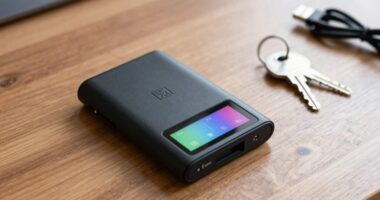

Many beginners overlook how critical private keys are, often thinking they’re just long strings to hide. They might store keys on insecure devices or share them, risking theft or loss. Relying solely on exchanges or simple backups can lead to irreversible asset loss if things go wrong. Proper security, offline storage, and backups are essential—but it’s easy to underestimate these steps. Stay with us, and you’ll discover how to protect your crypto assets effectively.

Get hardware and tech essentials delivered free with Prime
- Fast, free delivery on millions of items
- Prime Video, Amazon Music and more included
- Member-only deals all year
Key Takeaways
- Beginners often think private keys are just long strings to hide, not understanding their critical role in controlling assets.
- Many underestimate the risk of storing private keys on devices or notes vulnerable to hacking or damage.
- Relying solely on exchanges for security can be dangerous if they get hacked or go bankrupt.
- Sharing private keys or emailing them increases theft risk and compromises security.
- Failing to create secure backups can lead to permanent asset loss if private keys are lost or damaged.
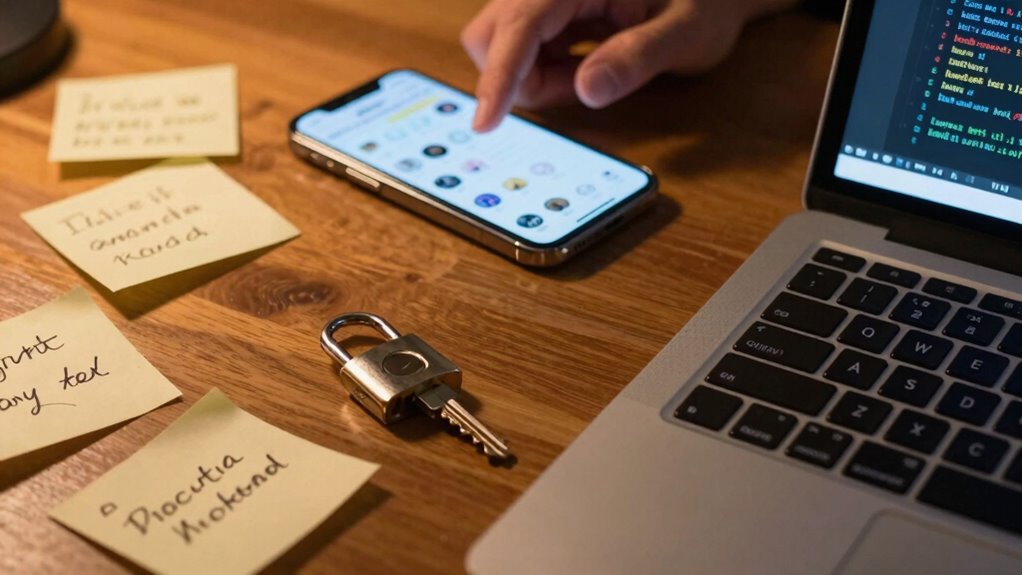
When you’re just starting out with cryptocurrencies, it’s easy to overlook the importance of safeguarding your private keys. Many newcomers fall into common traps because they believe certain cryptocurrency misconceptions, which can jeopardize their digital asset security. You might hear that private keys are just long strings of characters—something to hide away and forget about. But in reality, your private key is the most critical piece of your crypto holdings; it’s the key to accessing and controlling your funds. If someone else gains access to it, they can drain your wallet instantly, making the stakes high.
Your private key is the most vital element for controlling and securing your cryptocurrency assets.
One mistake beginners make is thinking they can store their private keys anywhere without consequences. Some assume that keeping their keys on a device or in a simple note is enough. This can be dangerous because digital asset security isn’t just about keeping your private key offline; it’s about protecting it from theft, loss, or damage. Relying solely on basic storage methods exposes you to hacking, malware, or accidental deletion. Instead, you should use secure hardware wallets or other trusted cold storage options that isolate your private key from the internet. This way, you considerably reduce the risk of theft and preserve your assets. Ensuring your private key is stored in a secure environment is crucial for long-term protection.
Another misconception is that private keys are not worth worrying about if you’re only trading small amounts. But even with modest holdings, losing access to your private key can mean losing everything you’ve put into your crypto. Many beginners believe that exchanges or third-party wallets handle security for them. While these platforms can offer some protection, you’re ultimately responsible for securing your private keys. Relying on exchanges to safeguard your assets can backfire if they suffer security breaches or go bankrupt. Proper key management is an essential aspect many overlook in their initial steps. Understanding the significance of private key security can make all the difference in safeguarding your investments.
You might also underestimate how easily private keys can be compromised if you share them or store them insecurely. Some think that copying or emailing their private key isn’t risky, but that’s false. Sharing your private key or storing it in insecure locations makes it vulnerable to theft or accidental exposure. Always keep your private keys private and store them in a secure, offline environment. Additionally, it’s important to be aware of private key best practices to ensure your assets remain protected. Being aware of the importance of backups can also prevent devastating losses in case your storage device fails or is compromised. Proper backups and secure storage practices are fundamental in avoiding irreversible loss of access.
As an affiliate, we earn on qualifying purchases.
Frequently Asked Questions
Can Private Keys Be Changed or Reset if Lost?
Private keys can’t be changed or reset if you lose them, which highlights the importance of strong security measures. Losing your private key exposes you to security vulnerabilities, as there’s no way to recover it through key recovery methods. To protect yourself, always back up your private keys securely, use reputable wallets, and consider hardware wallets for added safety. Remember, safeguarding your private key is essential for maintaining control over your assets.
Are Private Keys the Same Across Different Cryptocurrencies?
Think of private keys as unique signatures, tailored through private key generation for each cryptocurrency. They aren’t the same across different coins because public key differences and underlying protocols vary. When you create a private key, it’s like crafting a one-of-a-kind key for a specific lock. So, each cryptocurrency demands its own private key, ensuring your assets stay secure and separate, like different keys fitting only their designated locks.
Is Sharing My Private Key Ever Safe?
Sharing your private key is never safe, even if you think it’s just with a trusted party. Your private key grants full access to your funds and assets, unlike your public key, which is safe to share. Always practice key rotation by regularly updating your private keys to reduce risk. Maintaining your private key private ensures your security and control over your cryptocurrency holdings.
How Do Private Keys Relate to Digital Signatures?
Your private key is essential for creating digital signatures, which provide cryptographic verification of your identity or message. When you sign a document or transaction, your private key generates a digital signature, proving it came from you. This process guarantees authenticity and integrity, allowing others to verify your signature with your public key. Keep your private key secure, because anyone with access can forge signatures or access your data.
Can Private Keys Be Stored Securely on Mobile Devices?
You can absolutely store private keys securely on mobile devices, but it’s no walk in the park! Modern mobile encryption and biometric security make it possible to protect your private keys with fingerprint or facial recognition, creating a fortress around your digital assets. Still, you must stay vigilant—always update your device, use strong passwords, and choose reputable wallets to minimize risks of theft or hacking.
As an affiliate, we earn on qualifying purchases.
Conclusion
Think of your private key as the master key to your digital house. Just like you wouldn’t leave your house key under a doormat, you shouldn’t share or lose your private key. Remember Sarah’s story—she thought her private key was safe on her laptop, but a simple mistake cost her access forever. Protect it like a treasure, and you’ll keep your digital assets secure. After all, a small mistake can release big trouble.
As an affiliate, we earn on qualifying purchases.
As an affiliate, we earn on qualifying purchases.
Halloween Picks
halloween
As an affiliate, we earn on qualifying purchases.