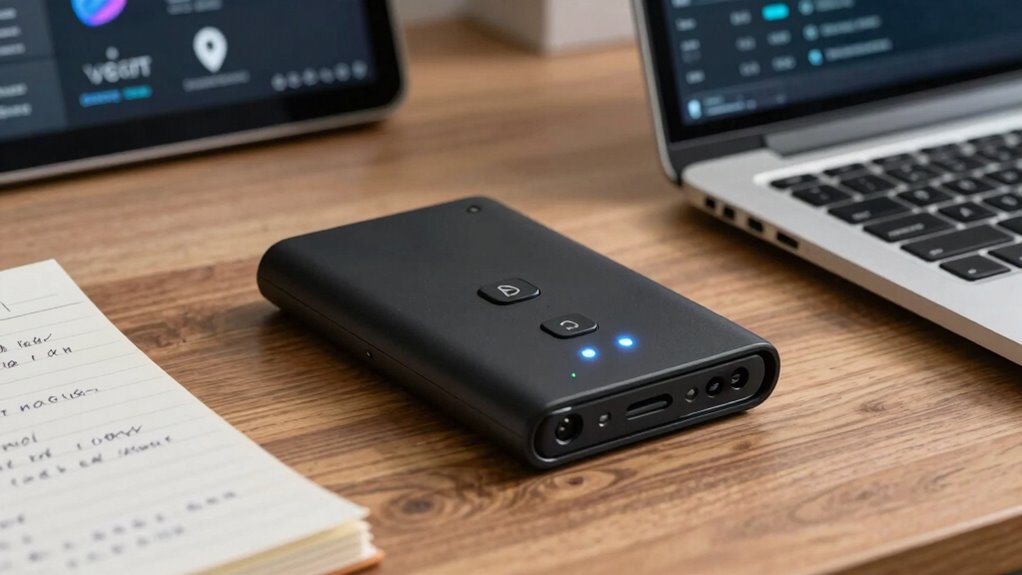

Hardware wallets are essential in your self-custody strategy because they store private keys offline, protecting your assets from hacking and malware. By giving you full control, they act as a secure vault for your crypto, especially when combined with strong passwords and safe storage of seed phrases. This layered security approach minimizes external threats and keeps your assets safe. Keep exploring to discover how integrating these tools can make your self-custody even stronger.

Get hardware and tech essentials delivered free — and shop member deals
- Fast, free delivery on millions of items
- Access to Prime Big Deal Days deals on October 6–7
- Prime Video, Amazon Music and more included
Key Takeaways
- Hardware wallets securely store private keys offline, forming the core of a comprehensive self-custody security system.
- They work best when combined with strong passwords, two-factor authentication, and offline seed phrase storage.
- Hardware wallets enable direct control over assets, reducing reliance on third-party custodians.
- Integrating hardware wallets within layered security measures enhances protection against cyber threats.
- Proper management of private keys and seed phrases ensures long-term asset accessibility and security.
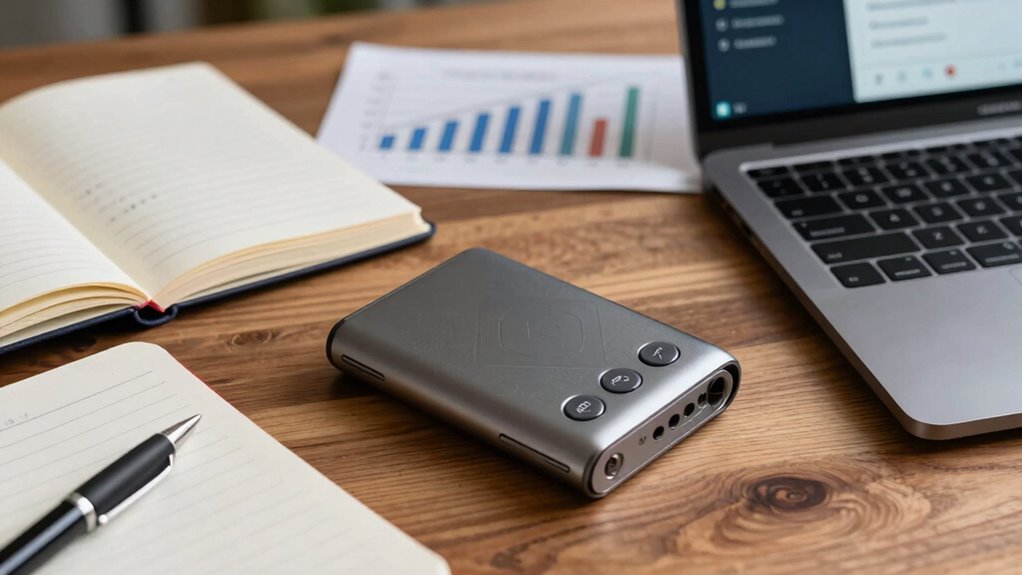
In today’s rapidly evolving crypto landscape, taking control of your digital assets is more important than ever, and a well-crafted self-custody strategy is key to doing so securely. Central to this approach is understanding how hardware wallets fit into your overall security plan. Unlike keeping your private keys on exchanges or online wallets, hardware wallets give you a physical device that stores your private keys offline. This offline storage greatly enhances your digital security because it eliminates the risk of hacking, phishing, or malware attacks that target online wallets. When you hold your private keys securely in a hardware wallet, you retain full control over your assets, which is the foundation of true self-custody.
Taking control of your assets with hardware wallets enhances security by keeping private keys offline and out of reach of cyber threats.
A hardware wallet acts as a dedicated vault for your private keys, ensuring they never leave the device in an unencrypted form. When you want to make a transaction, you connect the hardware wallet to your computer or mobile device, but the private keys stay protected inside the device. This process minimizes exposure to cyber threats because your private keys aren’t stored on connected devices or cloud services that can be compromised. You’re essentially creating a physical barrier that keeps your digital assets safe, even if your computer becomes infected with malware or is targeted by hackers. Additionally, understanding the importance of digital asset security is crucial for maintaining long-term control over your holdings. Implementing layered security measures, such as hardware wallets, significantly reduces your vulnerability to potential threats. Recognizing how security layers work together can help you develop a more resilient security infrastructure. Incorporating encryption techniques further enhances your overall security by protecting sensitive information from unauthorized access.
Integrating a hardware wallet into your self-custody strategy isn’t just about storing private keys securely; it’s about establishing a layered security approach. You should also implement strong passwords, enable two-factor authentication where possible, and keep your recovery seed phrase in a safe, offline location. Your seed phrase is critical because it’s the master key to regenerating your private keys if your hardware wallet is lost or damaged. By safeguarding this seed phrase meticulously, you ensure that your assets remain accessible only to you, even in worst-case scenarios. Understanding private keys and their importance is fundamental to managing your digital assets securely.
Using a hardware wallet also emphasizes the importance of understanding the role of private keys in your overall digital security. Your private keys are essentially the keys to your crypto kingdom—they prove ownership and authorize transactions. With a hardware wallet, you’re taking responsibility for these keys directly, rather than relying on third parties. This control is empowering but also demands vigilance: never share your seed phrase or private keys, and always verify transaction details on your device before confirming. Recognizing the significance of offline storage can help you appreciate why hardware wallets are a vital part of protecting your assets.
In essence, hardware wallets are an essential component of a comprehensive self-custody strategy. They provide a secure, offline environment for your private keys, reducing the risk of theft or loss. When combined with good security practices, they give you peace of mind knowing that your digital assets are under your control, protected from external threats and vulnerabilities. Your self-custody journey begins with understanding how hardware wallets safeguard your private keys and how that fits into your broader security framework.
As an affiliate, we earn on qualifying purchases.
Frequently Asked Questions
How Do Hardware Wallets Compare to Paper Wallets?
Hardware wallets offer better offline security than paper wallets because they store your private keys securely within a device, reducing exposure to hacking. While paper wallets are simple and cost-effective, they lack user convenience, as they require careful handling and can be easily damaged. Hardware wallets provide a more user-friendly experience with quick access to funds, making them ideal for those seeking a balance between security and convenience.
Can Hardware Wallets Be Hacked Remotely?
Hardware wallets are generally secure, but they can be hacked remotely through vulnerabilities like phishing scams or malware targeting your connected device. You shouldn’t trust links or attachments claiming to be from your wallet provider. Always keep your firmware updated, use strong security practices, and verify transactions carefully. While remote vulnerabilities exist, staying vigilant considerably reduces the risk of your hardware wallet being compromised remotely.
What Are the Costs Associated With Hardware Wallets?
The costs associated with hardware wallets vary, typically ranging from $50 to $200, depending on features like digital security and hardware durability. Investing in a reputable wallet enhances your self-custody strategy by offering robust protection against hacks and physical damage. While the upfront price might seem high, the added security benefits make it a worthwhile expense to safeguard your digital assets effectively.
How Often Should I Update My Hardware Wallet’s Firmware?
Think of your hardware wallet as a castle needing regular defenses. You should update your firmware promptly when new updates are released, ideally as soon as possible, to patch security risks. Delaying firmware updates leaves your fortress vulnerable to hackers exploiting known flaws. Staying current guarantees your hardware wallet remains secure, safeguarding your assets from evolving threats. Regular updates are your best defense in maintaining a resilient self-custody strategy.
Are Hardware Wallets Suitable for Large Crypto Holdings?
Yes, hardware wallets are suitable for large crypto holdings, especially when combined with multi-signature setups, which enhance security. Their cold storage advantages mean your assets stay offline, reducing hacking risks. For significant holdings, consider diversifying across multiple wallets or using multi-sig configurations, ensuring you maintain control while minimizing potential losses. Hardware wallets provide a secure, reliable way to safeguard substantial assets effectively.
As an affiliate, we earn on qualifying purchases.
Conclusion
Think of your hardware wallet as a sturdy lighthouse guarding your treasure on a stormy night. It keeps your assets safe from lurking dangers, guiding you through the turbulent seas of the crypto world. By integrating it into your self-custody strategy, you become the captain of your financial ship, steering confidently with a reliable beacon. With this steadfast lighthouse, you can navigate securely, knowing your wealth is protected against the tempests of cyber threats.
secure seed phrase storage device
As an affiliate, we earn on qualifying purchases.
As an affiliate, we earn on qualifying purchases.
As an affiliate, we earn on qualifying purchases.
Fall Picks
fall essentials
As an affiliate, we earn on qualifying purchases.