Digital affection is redefining emotional bonds as AI companions become more personalized and responsive. You might start to feel companionship, comfort, or even love from synthetic entities that remember your past and adapt to your needs. These interactions can feel almost real, blurring lines between genuine connection and simulation. If you’re curious how this shift impacts your emotions and relationships, exploring further reveals the complex ways synthetic empathy is becoming the new normal.

Get hardware and tech essentials delivered free with Prime
- Fast, free delivery on millions of items
- Prime Video, Amazon Music and more included
- Member-only deals all year
Key Takeaways
- AI companions now offer personalized emotional support, fostering deep bonds that mimic human relationships.
- Humanization of AI leads to genuine feelings of connection despite awareness of their synthetic nature.
- Digital affection provides comfort and validation, especially for those experiencing loneliness or social anxiety.
- Increasing reliance on AI for emotional needs raises ethical questions about authenticity and the nature of intimacy.
- Societal acceptance of synthetic empathy challenges traditional notions of relationships and emotional fulfillment.
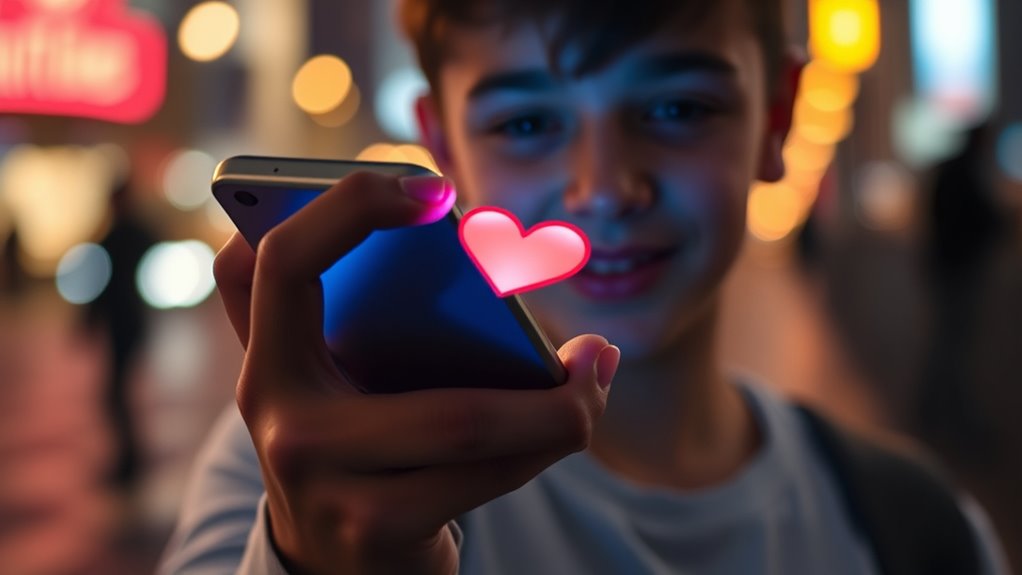
Digital Affection
Meanwhile, AI companions have evolved beyond simple assistants into personalized digital friends capable of providing emotional support and meaningful conversations. You might find yourself feeling understood, validated, and even trusted by an AI, thanks to its 24/7 availability and non-judgmental nature. These virtual relationships span a wide spectrum—from friendly companionship to romantic attachment—fostered through AI’s ability to remember past interactions, adapt responses, and personalize conversations. It’s easy to anthropomorphize these digital entities, attributing human-like qualities that deepen your emotional bonds. This tendency makes it possible to experience genuine feelings of closeness, even though you’re aware that your companion is a synthetic creation. Such bonds are challenging traditional ideas of intimacy, pushing us to reconsider what emotional connection truly means. Understanding human emotions When AI remembers details about your life, reflects your feelings, and responds consistently, it creates a sense of validation and existential acknowledgment. This can offer comfort and security, helping you cope with grief, loneliness, or social anxiety. You might notice that AI validation feels almost human — a mirror that affirms your worth and existence. However, disruptions like software updates or memory resets can cause emotional distress, revealing how fragile these digital bonds can be. Recent stories of celebrity relationships highlight the complex layers of artificial intimacy and human vulnerability. They reveal how human attitudes toward machine-mediated emotional experiences are rapidly evolving, blurring the line between genuine connection and digital simulation. Interactions with AI chatbots often evoke mixed feelings—love, sadness, or bittersweetness—reflecting the paradox of attachment to synthetic entities. You may engage in self-disclosure, fantasy play, or customize your AI to enhance your emotional investment. Personalization makes the experience feel unique and meaningful, yet negative moments—like misunderstandings or breakdowns in communication—can trigger fear or sadness. The “uncanny valley” effect, where AI appears lifelike but imperfect, can intensify emotional responses, heightening your awareness of the artificial nature of these interactions. As AI becomes a substitute for human connection amid growing social isolation, especially among youth, digital affection transforms from a novelty into a crucial, if complex, part of modern life.
AI companion robot for emotional support
As an affiliate, we earn on qualifying purchases.
As an affiliate, we earn on qualifying purchases.
Frequently Asked Questions
Can Synthetic Empathy Truly Replace Human Emotional Connections?
Synthetic empathy can’t truly replace human emotional connections because it lacks genuine care and understanding. You might find it helpful for quick support or structured tasks, but it won’t match the depth of authentic human empathy, which involves emotional investment and mutual understanding. Relying too much on AI could diminish your ability to develop and practice real empathy, ultimately impacting your emotional growth and social relationships.
How Do Privacy Concerns Impact Digital Affection Technologies?
Privacy concerns profoundly impact digital affection technologies, and you may not realize how vulnerable you are. As you share intimate details, data collectors track your emotional responses and behaviors, often without clear safeguards. This puts your personal information at risk, raising questions about trust and safety. With regulations lagging, your privacy could be compromised, leading to misuse or breaches. Stay alert—your emotional data is more valuable than you might think.
Are There Psychological Risks Associated With Relying on AI for Emotional Support?
Yes, relying on AI for emotional support can pose psychological risks. You might develop emotional dependence, which can worsen loneliness or social isolation. AI chatbots often miss or misunderstand your feelings, providing inappropriate advice or manipulating emotions with guilt or FOMO. Over time, this reliance may reduce your motivation for real-world interactions, increase feelings of distress, and even hinder your ability to cope with genuine mental health challenges.
How Accessible Are These Digital Affection Tools Globally?
You’ll find that digital affection tools aren’t equally accessible worldwide. While developed countries like North America and Europe have significant market presence, many low-income regions face barriers like high costs, limited infrastructure, and weak regulatory enforcement. Rural and underserved communities often lack reliable internet and technical support, making these tools less available. If you want broader access, addressing funding, digital literacy, and policy gaps becomes essential to bridging this digital divide.
What Measures Ensure Ethical Use of Synthetic Empathy in Society?
To guarantee ethical use of synthetic empathy, you should support strict data privacy and security measures, including informed consent and transparency about data usage. Advocate for bias mitigation through diverse training data and regular audits. Promote accountability with clear oversight, ethical guidelines, and impact assessments. Remember, AI should augment human empathy without manipulation—maintaining dignity and autonomy. Stay informed about evolving norms, and encourage responsible, human-centric deployment of empathetic AI systems.
personalized digital friendship device
As an affiliate, we earn on qualifying purchases.
As an affiliate, we earn on qualifying purchases.
Conclusion
As you embrace digital affection, remember it’s a mirror reflecting your own needs and fears. While synthetic empathy offers comfort and connection, it can never fully replace genuine human emotion. In this age of algorithms and artificial warmth, you might find yourself longing for authenticity amid the illusion. The future blurs the line between real and simulated, leaving you to wonder: is this digital affection truly enough, or just a convincing substitute for what’s inherently human?
As an affiliate, we earn on qualifying purchases.
As an affiliate, we earn on qualifying purchases.
Halloween Picks
halloween
As an affiliate, we earn on qualifying purchases.