Small process changes often beat big announcements because they create immediate, tangible results that boost morale and engagement. They’re easier to manage, requiring less disruption and resistance, which helps build momentum quickly. Plus, these incremental tweaks foster ongoing innovation and ownership among employees. Over time, they support larger goals without overwhelming your team. Keep exploring how small adjustments can make a big difference—you’ll find more ways to drive sustainable success.

Get hardware and tech essentials delivered free with Prime
- Fast, free delivery on millions of items
- Prime Video, Amazon Music and more included
- Member-only deals all year
Key Takeaways
- Small changes are less disruptive, making them easier to implement and accept by employees.
- Incremental adjustments deliver quick wins, building momentum and confidence over time.
- Continuous improvements foster a culture of innovation and engagement, enhancing long-term adaptability.
- Smaller modifications allow targeted problem solving, reducing resistance and addressing specific pain points effectively.
- Ongoing, manageable changes align with broader strategic goals, reinforcing sustained progress and organizational resilience.
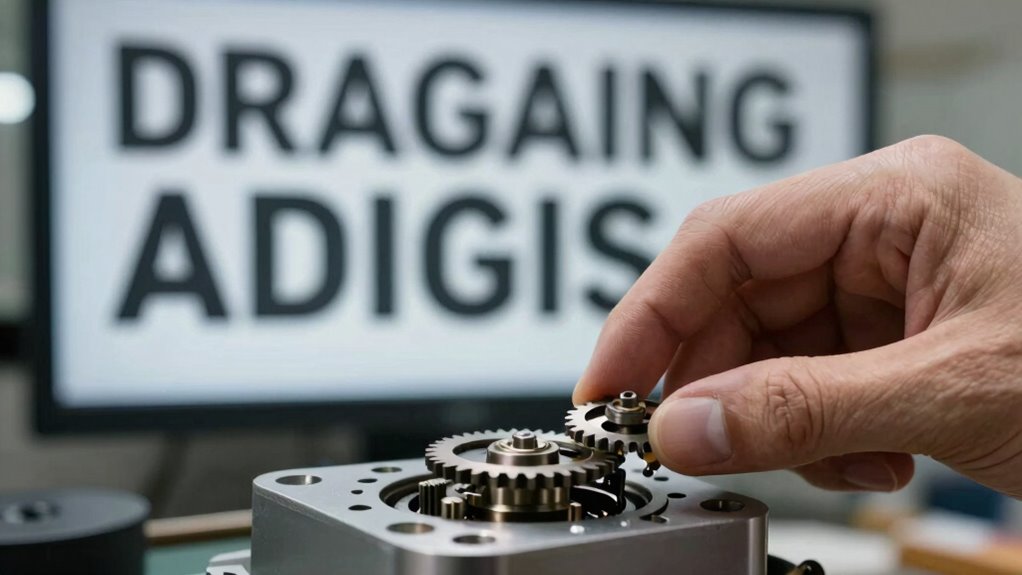
Big announcements often grab headlines, but it’s the small process changes that truly drive lasting improvements. When you focus on tweaking everyday routines or workflows, you’re more likely to see consistent progress than with grand declarations. These incremental adjustments become part of your team’s daily habits, fostering a culture of continuous improvement. They also create a sense of ownership among employees, boosting engagement because team members see how their efforts directly impact results. This heightened employee engagement makes your organization more adaptable and motivated, fueling further innovation strategies that stem from within rather than waiting for top-down directives.
Small process tweaks foster ownership, boost engagement, and drive sustainable, continuous improvement within your team.
Small process changes tend to be more manageable and less disruptive. Instead of overhauling entire systems, you identify specific pain points and address them with targeted solutions. This approach minimizes resistance and encourages everyone to buy into the change, knowing it’s achievable and beneficial. As a result, you get quicker wins, which build momentum and confidence. These quick wins are crucial because they demonstrate tangible benefits, reinforcing the value of steady, ongoing improvements over flashy but superficial announcements. Additionally, focusing on biodiversity and sustainable practices can enhance your organization’s reputation and long-term resilience. Incorporating continuous improvement principles can further solidify this mindset, ensuring that progress remains steady and persistent. Recognizing how these incremental adjustments can align with broader sustainability goals helps reinforce their importance and commitment. Regularly applying design thinking methods can also foster innovative solutions and encourage a mindset of ongoing experimentation.
Moreover, small process changes foster a culture where innovation strategies can flourish organically. When you make minor tweaks regularly, you create an environment where experimentation feels safe and encouraged. Employees become more willing to suggest improvements, knowing that their ideas can lead to real change without waiting for approval of massive initiatives. This ongoing cycle of small, manageable innovations keeps your organization agile and forward-thinking, rather than stuck in a cycle of waiting for the next big reveal. Recognizing how these incremental adjustments fit into a broader strategy can help reinforce their importance and encourage ongoing commitment.
As an affiliate, we earn on qualifying purchases.
Frequently Asked Questions
How Do Small Changes Impact Team Morale Over Time?
Small changes boost your team’s morale by fostering a sense of progress and ownership, which enhances employee engagement. As team members see continuous improvement through these incremental steps, they feel more motivated and valued. Over time, this creates a positive cycle where morale stays high, productivity increases, and the team stays committed to ongoing growth. Small adjustments build trust and confidence, making your team more resilient and enthusiastic to embrace future challenges.
Can Small Process Adjustments Lead to Long-Term Organizational Growth?
A journey of a thousand miles begins with a single step, and small process adjustments fuel long-term organizational growth. By embracing continuous improvement and applying effective leadership strategies, you foster a culture of adaptability and innovation. These incremental changes build momentum, prevent burnout, and create sustainable progress. Over time, they lead to significant gains, proving that steady, thoughtful tweaks often outperform grand, short-lived initiatives.
What Are Common Challenges When Implementing Incremental Process Changes?
When you implement incremental process changes, resistance hurdles often emerge as team members worry about instability or added workload. Communication gaps can further hinder progress, causing misunderstandings or lack of buy-in. To overcome these challenges, you need clear, consistent communication and involve your team early. Address concerns transparently, demonstrating how small changes benefit everyone. This approach helps reduce resistance hurdles and bridges communication gaps, making the process smoother and more successful.
How Do Small Changes Compare Financially to Large-Scale Initiatives?
Small process changes generally cost less upfront, making them more financially accessible. You’ll see quicker cost savings because you’re addressing issues incrementally, avoiding large investments. These changes also lead to efficiency gains, optimizing workflows without disrupting operations or requiring extensive resources. Over time, continuous small adjustments can accumulate significant financial benefits, proving more cost-effective than large-scale initiatives that involve hefty budgets, extensive planning, and longer implementation periods.
Are There Industries Where Small Process Changes Are Less Effective?
Like trying to bend steel, small process changes often struggle in industries with high rigidity and change resistance. You’ll find these sectors—such as aerospace or nuclear power—less receptive to minor tweaks, making big innovations necessary. In such environments, incremental improvements may fail to address core issues, requiring substantial overhauls for meaningful progress. You need to recognize when industry rigidity limits small changes and prepare for more significant transformations.
whiteboard for team collaboration
As an affiliate, we earn on qualifying purchases.
As an affiliate, we earn on qualifying purchases.
Conclusion
You might think big announcements make the biggest impact, but often, it’s the small process changes that truly transform. While a grand reveal can create a buzz, consistent, subtle adjustments build momentum over time. Like a steady stream carving a canyon, these tiny shifts gradually reshape your work and results. In the end, it’s not the loudest messages that create lasting change, but the quiet, persistent improvements that quietly rewrite your success story.
As an affiliate, we earn on qualifying purchases.
As an affiliate, we earn on qualifying purchases.
Halloween Picks
halloween
As an affiliate, we earn on qualifying purchases.