

TL;DR

Get hardware and tech essentials delivered free — and shop member deals
- Fast, free delivery on millions of items
- Access to Prime Big Deal Days deals on October 6–7
- Prime Video, Amazon Music and more included
A new report outlines 13 AI trends expected to dominate in 2026, emphasizing technological breakthroughs, ethical considerations, and industry impacts. These developments will influence how AI integrates into daily life and business.
A new industry report highlights 13 AI trends expected to shape the landscape in 2026, emphasizing technological innovation, ethical frameworks, and sector-specific applications. These trends will influence AI development, regulation, and integration into society, making them critical for businesses and policymakers to monitor. For a broader overview, see Future Focus: 9 AI Trends To Watch In 2026.
The report, published by ThorstenMeyerAI.com, consolidates insights from industry experts and recent technological advancements, as detailed in the original analysis. Among the key trends are the rise of generative AI models with increased capabilities, the adoption of ethical AI frameworks to address bias and transparency, and the expansion of industry-specific AI solutions in healthcare, finance, and manufacturing.
Additional predicted trends include the maturation of AI-powered automation, greater emphasis on AI governance, and advancements in AI hardware to support larger models. Learn more in AI signals and trends. The report also notes the growing importance of AI literacy and regulatory developments across jurisdictions.
The 13 picks
- 1
 Jackery HomePower 3600 Plus Portable Power Station, 3600W AC Output, 3584Wh L…View on Amazon →
 - 2
 EF ECOFLOW DELTA 3 Max Portable Power Station, 2048Wh LFP Battery, 2400W / 34…View on Amazon →
 - 3
 Jackery Explorer 2000 v2 Portable Power Station, 2042Wh, 2200W AC Output, LiF…View on Amazon →
 - 4
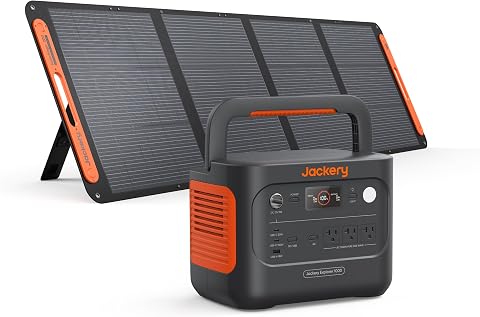 Jackery Solar Generator 1000 V2 with 200W Solar Panel, 1070Wh, 1500W AC, Fast…View on Amazon →
 - 5
 Anker SOLIX C1000 Gen 2 Portable Power Station, 1024Wh, 2000W, Camping, Emerg…View on Amazon →
 - 6
 Jackery Explorer 1000 v2 Portable Power Station, 1070Wh, 1500WView on Amazon →
 - 7
 Jackery Explorer 300 Portable Power Station, 292Wh, LiFePO4 Battery, Solar Ge…View on Amazon →
 - 8
 EF ECOFLOW Portable Power Station Delta 3 Classic, 1024Wh, 1800W AC, LiFePO4…View on Amazon →
 - 9
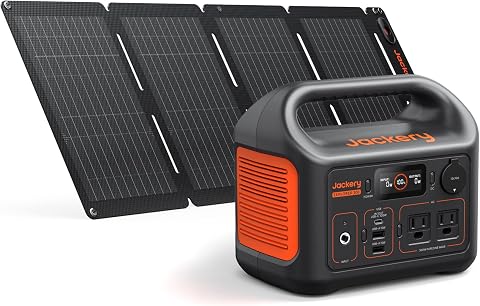 Jackery Solar Generator 300 with 40W Solar Panel, 292Wh, 300W AC OutputView on Amazon →
 - 10
 BLUETTI Elite 30 V2 Portable Power Station 288Wh 600W LFP Solar GeneratorView on Amazon →
 - 11
 Portable Power Station 300W, 192Wh LiFePO4 Battery Solar Generator with Carry…View on Amazon →
 - 12
 EnginStar Portable Power Station 300W 296Wh Battery Bank with 110V Pure Sine…View on Amazon →
 - 13
 HOWEASY Portable Power Station, 88Wh Solar Generator with 120W Peak OutputView on Amazon →
Implications of 2026’s AI Trends for Society and Industry
Understanding these trends is vital as they will shape industry innovation, regulatory policies, and ethical standards. The widespread adoption of advanced AI models could revolutionize sectors like healthcare and finance, but also raises concerns about privacy, bias, and job displacement. Policymakers, businesses, and technologists must prepare for these shifts to ensure responsible AI deployment.
Current State of AI and Emerging Directions
As of 2024, AI technology is rapidly evolving, with breakthroughs in generative models like GPT-4 and beyond. Industry leaders are investing heavily in AI research and deployment, while regulatory bodies are beginning to draft frameworks to manage AI’s societal impact. The upcoming developments in 2026 are expected to build upon these foundations, emphasizing both technological progress and ethical considerations.
Unconfirmed Aspects of the 2026 AI Forecast
While the report identifies key trends, specific technological breakthroughs, regulatory changes, and industry adoption rates remain uncertain. The pace of innovation and policy responses could accelerate or slow, influencing how these trends unfold. Additionally, unforeseen challenges related to AI safety and societal impact may alter the predicted trajectory.
Next Steps for Stakeholders in AI Development
Industry leaders should focus on investing in ethical AI research and collaborative policy development. Policymakers need to establish clear regulations to guide AI deployment responsibly. Researchers and developers are encouraged to prioritize transparency and robustness in AI systems, while businesses should prepare for increased AI literacy and workforce adaptation to harness these emerging trends effectively.
Key Questions
What are the most impactful AI trends expected in 2026?
The report highlights generative AI advancements, ethical frameworks, industry-specific applications, automation, and AI governance as key trends shaping 2026.
How might these AI trends affect everyday life?
Enhanced AI capabilities could improve healthcare, finance, and customer service, but also raise concerns about privacy, bias, and job changes. Responsible implementation will be crucial.
What role will regulation play in these AI developments?
Regulatory bodies are expected to develop frameworks to ensure AI safety, fairness, and transparency, influencing how quickly and responsibly these trends are adopted.
Are there any risks associated with these AI trends?
Potential risks include bias, misuse, privacy violations, and societal disruption. Continued focus on ethics and safety measures will be essential to mitigate these issues.
Source: ThorstenMeyerAI.com
Halloween Picks
halloween
As an affiliate, we earn on qualifying purchases.