

📊 Full opportunity report: Nine Game-Changing AI Innovations For 2026 on ThorstenMeyerAI.com — validation score, market gap, and execution plan.

Get hardware and tech essentials delivered free — and shop member deals
- Fast, free delivery on millions of items
- Access to Prime Big Deal Days deals on October 6–7
- Prime Video, Amazon Music and more included
TL;DR
Nine AI innovations are confirmed to emerge in 2026, spanning areas like natural language processing, autonomous systems, and healthcare. These developments could significantly impact industries and daily life, though some details remain uncertain.
Nine AI innovations are confirmed to debut or advance significantly in 2026, including breakthroughs in natural language understanding, autonomous systems, and healthcare applications. These developments are poised to impact industries and everyday life, making 2026 a pivotal year for artificial intelligence. For a comprehensive overview, see the original analysis.
Sources from industry experts and leading AI research labs have indicated that 2026 will see the release of nine major AI innovations. These include advanced language models capable of nuanced understanding, autonomous vehicles with improved safety features, and AI-driven healthcare diagnostics. Some of these innovations are already in late-stage development or testing, with official launches expected throughout the year. For more details, see 2026’S Most Exciting AI Innovations.
For example, OpenAI and other tech giants are reportedly preparing to release next-generation language models that surpass current capabilities in context understanding and generation. Additionally, autonomous vehicle companies like Tesla and Waymo are advancing their AI systems to enable safer, more reliable self-driving cars. Healthcare AI startups are also anticipated to introduce diagnostic tools that utilize AI for early detection of diseases, potentially revolutionizing medical practice.
While these innovations are confirmed or highly anticipated, specific release dates, full capabilities, and regulatory approvals remain uncertain, with some projects still in pilot phases or awaiting final testing. If you’re interested in the latest tech, check out the 9 Best 3D Printers in 2026 guide.
The 9 picks
- 1
 Bambu Lab P1S Combo 3D Printer with Auto Bed Leveling and Multi-Color PrintingView on Amazon →
 - 2
 Creality K2 Combo 3D Printer with Multicolor Printing, Auto Leveling, and Sma…View on Amazon →
 - 3
 FlashForge Adventurer 5M Pro 3D Printer with Auto Printing System, 600mm/s Hi…View on Amazon →
 - 4
 Anycubic Kobra X Multicolor 3D Printer with 19-Color Capability and AI Monito…View on Amazon →
 - 5
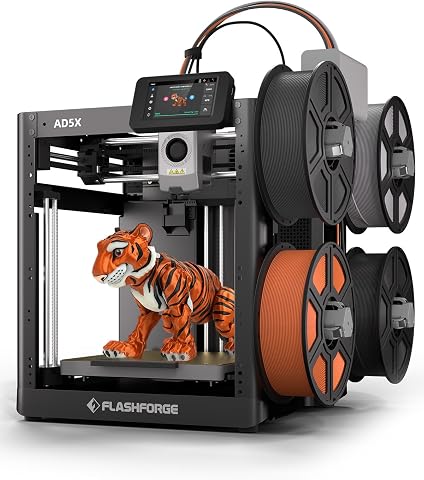 FLASHFORGE AD5X Multi-Color 3D Printer, CoreXY, 600mm/s High-Speed, Auto Leve…View on Amazon →
 - 6
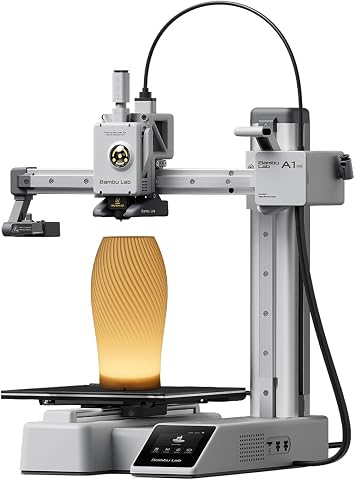 Bambu Lab A1 Mini 3D Printer + LED Lamp Kit, Beginner-Friendly, Quiet OperationView on Amazon →
 - 7
 FlashForge Adventurer 5M 3D Printer with Auto Leveling and High-Speed PrintingView on Amazon →
 - 8
 Creality Ender 3 V3 SE 3D Printer, 250mm/s Faster Print Speed, CR Touch Auto…View on Amazon →
 - 9
 3D Printer with Auto Leveling, 280°C Direct Extruder, CoreXY Metal Structure,…View on Amazon →
Impact of 2026 AI Innovations on Industries
The confirmed emergence of these nine AI innovations in 2026 could reshape multiple sectors, including transportation, healthcare, communication, and manufacturing. They are likely to improve efficiency, safety, and accessibility, but also pose ethical and regulatory challenges. Understanding these developments helps stakeholders prepare for the transformative changes ahead and navigate potential risks and opportunities.
Previous AI Trends Leading to 2026 Breakthroughs
Over the past few years, AI has rapidly advanced with breakthroughs in natural language processing, computer vision, and autonomous systems. Companies like OpenAI, Google DeepMind, and others have pushed the boundaries of what AI can achieve, leading to more sophisticated models and practical applications. These trends set the stage for the nine innovations expected in 2026, which build upon earlier developments such as GPT-4, autonomous vehicle pilot programs, and AI in medical diagnostics.
Industry experts have emphasized that ongoing investments in AI research and increased regulatory clarity are accelerating the pace of innovation. The convergence of improved algorithms, larger datasets, and specialized hardware has enabled these breakthroughs, making 2026 a crucial year for AI deployment at scale.
“The autonomous systems coming in 2026 will set new safety standards and accelerate adoption across urban and rural environments.”
— John Carter, CEO of Autonomous Mobility Inc.
Unconfirmed Details and Regulatory Hurdles
While the innovations are confirmed or highly anticipated, specific details such as exact release dates, full feature sets, and regulatory approvals remain uncertain. Some AI systems are still in pilot phases or undergoing testing, and regulatory frameworks for widespread deployment are still evolving, which could influence the timing and scope of these innovations.
Next Steps for AI Development and Adoption
In the coming months, industry players are expected to finalize product launches, conduct regulatory reviews, and begin broader deployments of these AI innovations. Stakeholders should monitor official announcements from key companies and regulatory agencies to stay informed about timelines and possible hurdles. Additionally, ongoing discussions about AI ethics and safety will shape how these innovations are integrated into society.
Key Questions
Which AI innovation is most likely to impact daily life in 2026?
While all nine innovations are significant, advancements in natural language understanding and autonomous systems are expected to most directly affect daily communication, transportation, and healthcare services.
Are these AI innovations already in development?
Yes, most are in late-stage development, testing, or pilot phases, with official launches expected throughout 2026, though exact timelines vary by project.
What challenges could delay these AI innovations?
Challenges include regulatory approval processes, technical hurdles in safety and reliability, and ethical concerns related to AI deployment, which could impact timelines and scope.
Will these innovations require new laws or regulations?
Likely yes. As AI systems become more advanced and integrated into critical sectors, regulatory frameworks will need to evolve to address safety, privacy, and ethical issues, potentially affecting deployment speed.
Source: ThorstenMeyerAI.com
Fall Picks
fall essentials
As an affiliate, we earn on qualifying purchases.