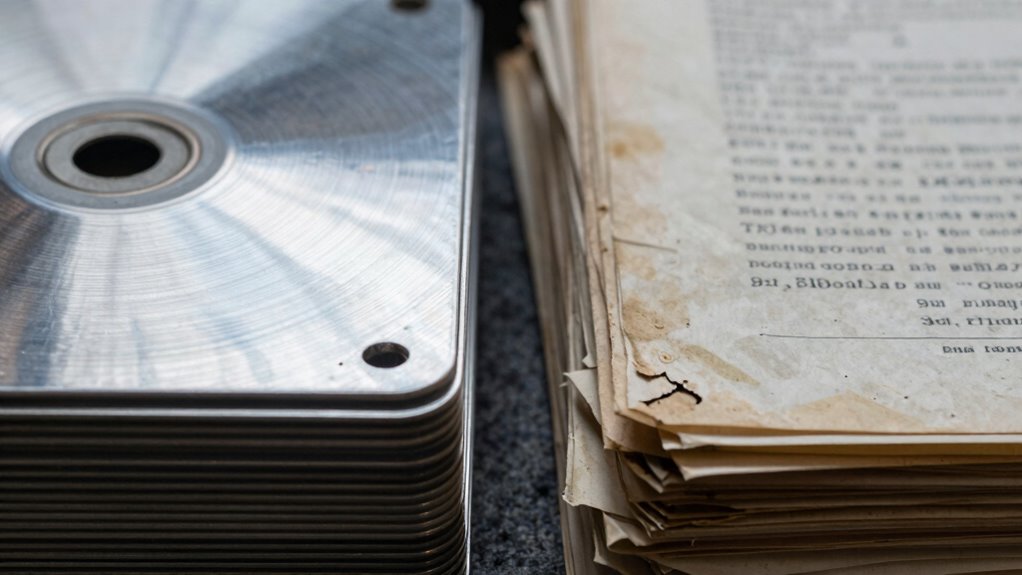

You shouldn’t treat backup plates and backup papers the same because they have different physical properties and storage needs. Backup plates are made of durable metals or materials that require stable, corrosion-resistant environments, while backup papers need controlled humidity and temperature to prevent deterioration like yellowing or brittleness. Handling and storing them improperly can cause damage or loss of valuable information. If you want to learn how to properly preserve each type, keep looking for helpful guidance.

Get hardware and tech essentials delivered free — and shop member deals
- Fast, free delivery on millions of items
- Access to Prime Big Deal Days deals on October 6–7
- Prime Video, Amazon Music and more included
Key Takeaways
- Backup plates are made of metal and require corrosion-resistant, stable environments, unlike paper which needs humidity and temperature control.
- Handling procedures differ: plates must be kept flat and free of scratches, while papers require minimal contact and gloves.
- Storage materials vary: plates need inert, acid-free containers to prevent corrosion, whereas papers are stored in acid-free folders.
- Damage risks differ: plates are prone to physical damage and warping, while papers are susceptible to fading, yellowing, or brittleness.
- Preservation strategies must be tailored to material properties to ensure long-term integrity and accessibility.
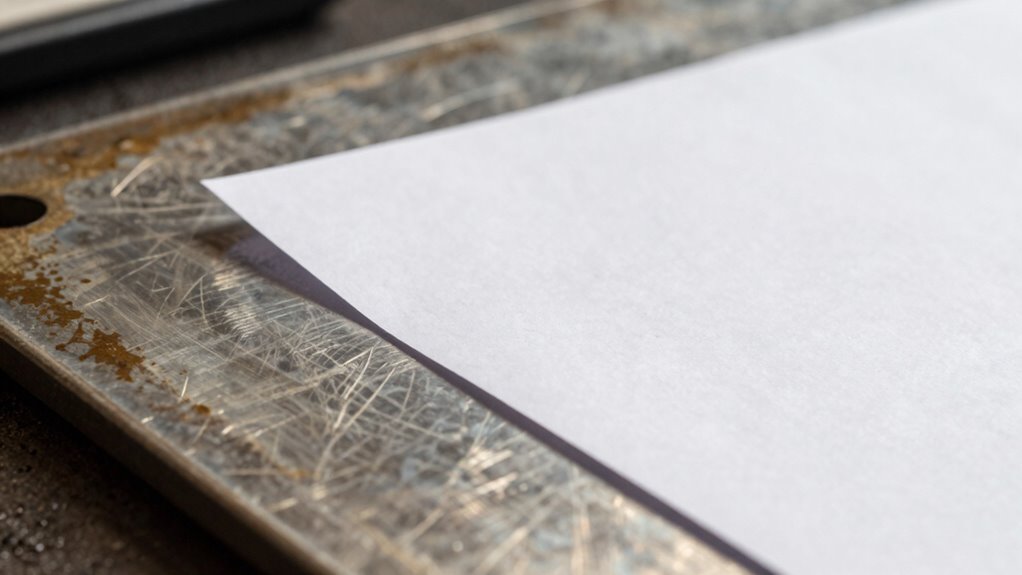
When it comes to protecting important documents, backup plates and backup papers serve different purposes and require distinct handling. You need to understand their unique roles to ensure proper preservation. Backup plates are typically metal or durable materials used to reproduce or verify original records, often in environments where longevity and durability are crucial. Backup papers, on the other hand, are standard documents or copies that support or complement the original records. Because of these differences, their storage and handling procedures must be tailored accordingly to prevent damage and ensure long-term accessibility. Proper storage techniques are essential to maintaining their integrity over time.
Archival storage plays a vital role in preserving both backup plates and backup papers, but the specific conditions vary. Backup plates demand stable, corrosion-resistant environments, free from humidity, extreme temperatures, and chemical exposure. When storing backup plates, you must use acid-free, inert materials that don’t react with the metal or material of the plate. It’s essential to keep them flat and protected from scratches or physical damage. Moreover, environmental control is crucial to prevent corrosion and deterioration of the materials. Additionally, proper handling methods, such as avoiding unnecessary movement, can significantly reduce the risk of damage. For backup papers, the focus shifts to controlling humidity and temperature to prevent deterioration, such as yellowing, fading, or brittleness. Acid-free folders and boxes are standard for storing papers, but handling procedures also include minimal contact, using gloves when necessary, to avoid oils or dirt transferring onto the documents. Proper handling and storage are especially critical for archival preservation, which ensures the longevity of both types of backup materials.
acid-free archival storage boxes
As an affiliate, we earn on qualifying purchases.
As an affiliate, we earn on qualifying purchases.
Frequently Asked Questions
How Do Backup Plates and Backup Papers Differ in Durability?
Backup plates and backup papers differ considerably in durability due to their material composition and chemical stability. Backup plates are made from more robust, chemically stable materials like metal or durable plastics, making them resistant to wear and environmental factors. Backup papers, however, are often paper-based with less chemical stability, making them prone to tearing, fading, or damage over time. This is why they require different handling and storage.
What Are the Cost Implications of Treating Them Differently?
Cost considerations creep in when you treat backup plates and papers differently. By applying tailored preservation strategies, you boost cost efficiency, avoiding unnecessary expenses. While backup plates demand more durable, often pricier preservation methods, backup papers need simpler, budget-friendly approaches. This targeted treatment prevents overspending on fragile materials and guarantees your resources are wisely allocated, ultimately saving money while maintaining material integrity.
How Does Storage Environment Affect Backup Plates Versus Papers?
The storage environment greatly impacts backup plates more than papers because climate considerations like humidity, temperature, and fluctuations can cause plates to warp or degrade faster. If stored in a humid or poorly controlled location, plates are at higher risk of damage, whereas papers are more resilient but still benefit from a stable environment. Ensuring proper climate control and choosing a suitable storage location help preserve both materials effectively.
Are There Specific Handling Procedures Unique to Each?
You should follow distinct handling protocols and preservation techniques for backup plates and papers. For backup plates, handle with gloves to prevent oils and dirt transfer, and store them horizontally in a stable environment. Backup papers require gentle handling, minimal contact, and proper support during movement to avoid tears or creases. Tailoring your approach guarantees each medium’s longevity, making your preservation efforts more effective and enjoyable.
What Are the Long-Term Preservation Challenges for Backup Plates and Papers?
You face long-term preservation challenges with backup plates and papers, especially regarding digital conversion and chemical stability. Backup plates may degrade chemically over time, risking data loss unless properly stored and digitized early. Backup papers, on the other hand, can become fragile or discolored, complicating preservation efforts. Ensuring timely digital conversion helps safeguard the information, but maintaining chemical stability through controlled environments is essential for both formats to prevent deterioration.
As an affiliate, we earn on qualifying purchases.
Conclusion
Think of backup plates and backup papers as the sturdy foundation and the guiding star of your workflow. While one anchors your process with resilience, the other illuminates your path forward. Treating them the same is like building a house without distinguishing between the roots and the roof — it weakens your entire structure. Recognize their unique roles, nurture each accordingly, and you’ll guarantee your workflow stands tall and bright, no matter the storm.
archival quality document folders
As an affiliate, we earn on qualifying purchases.
As an affiliate, we earn on qualifying purchases.
humidity control storage for documents
As an affiliate, we earn on qualifying purchases.
As an affiliate, we earn on qualifying purchases.
Fall Picks
fall essentials
As an affiliate, we earn on qualifying purchases.