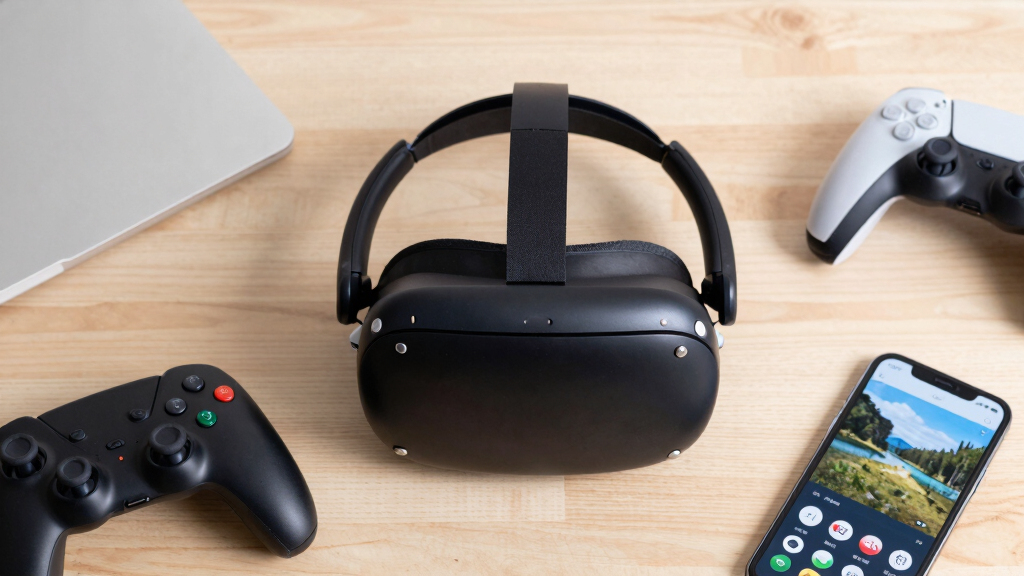

Searching for the best standalone VR headsets in 2026? The Meta Quest 3S stands out as the top overall choice thanks to its balance of performance and affordability. The HTC Vive XR Elite offers a premium mixed reality experience, while the Meta Quest 2 remains a reliable budget-friendly option. Each headset faces tradeoffs—such as display quality versus price or versatility versus ease of use—that can influence your decision. Keep reading to explore these options in detail and find the perfect fit for your virtual reality needs.
Key Takeaways
- The Meta Quest 3S offers the best mix of performance and affordability, especially with increased storage and processing power.
- The HTC Vive XR Elite excels for users seeking mixed reality capabilities and high-end build quality, but comes at a higher price.
- Budget options like the Meta Quest 2 still deliver solid experiences, but may lack the latest hardware improvements.
- Display resolution and refresh rates are pivotal for visual clarity, often trading off against battery life and comfort.
- Ease of setup and ecosystem compatibility remain key factors influencing overall user satisfaction across these headsets.




More Details on Our Top Picks
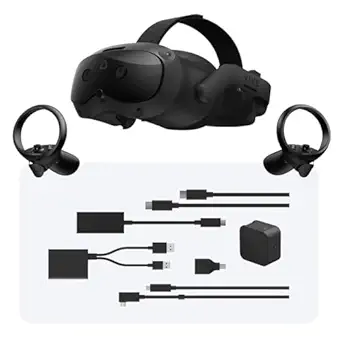
HTC Vive Pro Focus Plus 6DOF VR Headset in Almond White Bundle Including VR Headset, Controllers, face Cushion, QC 3.0 Charger and USB Type-C Cable
This HTC Vive Focus Plus stands out for its 2880 x 1600 high-resolution display and world-scale tracking, making it a top choice for professional and enterprise environments. Compared to the Meta Quest 2, it offers superior visual clarity and more precise hand tracking, which can be essential for training or detailed visualization. However, its connectivity issues and subscription model for PC content make it less appealing for casual or consumer gaming. Its ergonomic design and compatibility with glasses improve comfort during extended sessions. Nonetheless, the setup complexity and price are significant tradeoffs for non-commercial users. If your goal is high-fidelity VR for professional use, this is a compelling pick.
Pros:- Exceptional high-resolution display (2880 x 1600)
- World-scale 6DoF tracking for immersive experiences
- Comfortable ergonomic design accommodating glasses
- Enterprise features like Kiosk mode
Cons:- Connectivity issues and unreliable Wi-Fi setup
- Requires a subscription for PC VR content
- Heavier and more complex than consumer headsets
Best for: Businesses and professionals requiring high-resolution, precise tracking, and portable enterprise VR solutions
Not ideal for: Casual gamers or home users seeking affordable, plug-and-play VR without connectivity hassles
- Display Resolution:2880 x 1600
- Field of View:110 degrees
- Controller Type:6DoF hand controllers
- Weight:5.4 pounds
- Connectivity:USB Type-C, Wi-Fi
- Platform:Android
Bottom line: This headset is best suited for professionals or organizations prioritizing visual fidelity and precise tracking over ease of use.
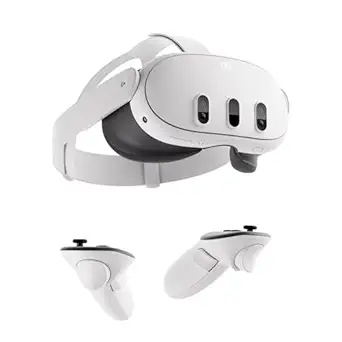
Meta Quest 3S 128GB | VR Headset — Thirty-Three Percent More Memory — Virtual Reality Without Wires — Access to 40+ Games with a 3-Month Trial of Meta Horizon+ Included (Renewed Premium)
This Meta Quest 3S offers wireless freedom and a powerful Snapdragon XR2 Gen 2 processor, making it ideal for gamers who value mobility and quick load times. Compared with the Quest 2, it provides 33% more memory (8GB RAM) and an upgraded graphics pipeline, leading to smoother gameplay and richer visuals. It’s a great choice for casual and advanced gaming, but the reliance on standalone hardware means it lacks some of the depth or customization of PC-tethered headsets like the HTC Vive Pro Focus Plus. The 3-month Horizon+ trial adds value for new users. The tradeoffs include its limited storage options and the need for a stable Wi-Fi connection for cloud-based features. If you want a versatile, untethered VR experience with extensive game access, this makes a lot of sense.
Pros:- Wireless, untethered VR experience
- 33% more RAM (8GB) for smoother multitasking
- Next-gen graphics with Snapdragon XR2 Gen 2
- Access to 40+ games with free trial
Cons:- Limited internal storage options
- Dependent on Wi-Fi stability for optimal performance
- Battery life of just over 2 hours
Best for: Wired-free gamers seeking high performance and abundant memory for casual and immersive experiences
Not ideal for: Hardcore VR users needing extensive local storage or PC-based graphics power
- Memory RAM:8GB
- Processor:Snapdragon XR2 Gen 2
- Field of View:120 degrees
- Display Resolution:1920 x 1080 per eye
- Battery Life:2+ hours
- Storage Capacity:128GB
Bottom line: This headset is perfect for wireless VR gaming and casual exploration, offering excellent mobility and performance.
Meta Quest 2 — Advanced All-In-One Virtual Reality Headset — 256 GB (Renewed)
The Meta Quest 2 remains a leader for consumer VR with its high-res 1832 x 1920 display and simple, wireless setup. Compared to the Quest 3S, it offers a more mature ecosystem with a broader selection of titles and proven reliability. However, it has a lower field of view and slightly older hardware, which can impact immersion and graphics fidelity. Its lightweight design and adjustable straps make it comfortable for long sessions, but it lacks some advanced features like Passthrough or higher RAM of newer models. The 256GB storage supports many games and apps, but storage may fill quickly. It’s a strong all-around headset for dedicated VR gamers wanting a dependable, standalone experience without the latest upgrades.
Pros:- High-resolution display (1832 x 1920 per eye)
- Lightweight and comfortable design
- Large 256GB storage capacity
- Proven ecosystem with many game titles
Cons:- No Passthrough or mixed reality features
- Field of view is narrower than newer headsets
- Older hardware may impact future compatibility
Best for: Casual to mid-level gamers seeking a reliable, standalone VR headset with extensive content library
Not ideal for: Power users or professionals needing enterprise-grade tracking or ultra-high resolution
- Display Resolution:1832 x 1920 per eye
- Field of View:90 degrees
- Platform:Quest
- Controller Type:Motion-sensing controllers
- Weight:1.8 pounds
- Internal Storage:256GB
Bottom line: This headset offers a solid, high-quality standalone VR experience ideal for casual and dedicated gamers alike.
VR Headset with Built-in Headphones, 120° FOV Aspheric Lenses for 4.7-7″ Smartphones, 3D VR Glasses Adjustable Focus/IPD, Compatible iPhone Android
This COCERKET VR headset excels in its affordable price point and broad compatibility with smartphones from 4.7 to 7.2 inches, making it ideal for entry-level users. Its 120° wide FOV and adjustable focus and IPD help optimize the visual experience, especially for casual movie watching or light gaming. Compared to dedicated headsets like the Quest or Vive, it lacks standalone processing power and tracking but compensates with built-in headphones and ergonomic design. The absence of a controller limits interaction, so it’s best for simple viewing and basic 3D experiences. The main tradeoff is the lower resolution and limited interactive capabilities, which makes it less suitable for intense gaming or professional applications. If you want an inexpensive way to enjoy mobile VR, this is a solid option.
Pros:- Affordable price point
- Compatible with most smartphones (4.7-7.2 inches)
- 120° wide FOV for immersive viewing
- Built-in headphones for better audio
Cons:- Limited interaction without controllers
- Lower resolution compared to dedicated VR headsets
- No standalone processing or tracking capabilities
Best for: Budget-conscious beginners or casual users wanting simple mobile VR experiences
Not ideal for: Advanced gamers or users seeking high-fidelity VR with tracking and controllers
- Field of View:120 degrees
- Display Resolution:1920 x 1080
- Platform:Android/iOS
- Lens Technology:Aspheric
- Connectivity:Wired
- Controller:None
Bottom line: This headset is best for casual, mobile VR experiences on a budget, with straightforward comfort and compatibility.
Mryzzsf 3D VR Headset, Virtual Reality Glasses Headset Helmets, Compatible with 5.0-7.0 inch with Controller, for Mobile Games
The Mryzzsf VR headset offers compatibility with 5.0-7.0 inch smartphones and features an immersive 3D viewing experience with adjustable focus and IPD. Compared to more advanced headsets, it is a cost-effective option designed primarily for mobile gaming and casual viewing. Its 120° FOV and built-in remote controller make it suitable for kids and adults looking for simple VR entertainment. However, it lacks the tracking, high resolution, and immersive features of standalone or PC-tethered headsets, limiting its use to basic gaming and viewing. The design is lightweight, but the limited compatibility with only smartphones and the absence of advanced controls restrict its scope. If affordability and mobile compatibility are your priorities, this headset fits the bill.
Pros:- Compatible with a wide range of smartphones (5.0-7.0 inch)
- Affordable and lightweight design
- Includes a remote controller for basic interaction
- Adjustable focus/IPD for better comfort
Cons:- Limited to mobile phone use, no standalone power
- No tracking or high-end features
- Lower resolution than dedicated VR headsets
Best for: Families or casual users seeking affordable, mobile VR for gaming and media
Not ideal for: Enthusiasts seeking high-fidelity VR or immersive experiences with controllers and tracking
- Field of View:120 degrees
- Display Resolution:1920 x 1080
- Platform:Smartphone
- Lens Technology:Aspheric
- Connectivity:Wired
- Controller:Included remote
Bottom line: This headset is best for budget-friendly, casual mobile VR experience suitable for kids and family entertainment.
HTC Vive XR Elite with Deluxe Pack — Mixed Reality and PC VR Headset + Controllers
The HTC Vive XR Elite stands out for its impressive combination of standalone and PC VR capabilities, making it a versatile choice for both immersive gaming and productivity. Compared to the Meta Quest 3S, the Vive XR Elite offers a more premium build and advanced tracking features, but it is noticeably heavier and pricier. Its compact design and adjustable IPD ensure a comfortable fit, while the hot-swappable battery and full-color passthrough foster seamless, extended use. However, setup can be more complex, and the heavier weight might cause fatigue during long sessions. This headset makes the most sense for serious VR enthusiasts who want a premium experience across different environments without sacrificing quality. Its high-resolution display (3840 x 1920) and inside-out tracking make it suitable for immersive gaming, work, and creative applications, but the weight and price are notable tradeoffs.
Pros:- High-resolution display with 3840 x 1920 pixels for crisp visuals
- Full-color passthrough for mixed reality experiences
- Hot-swappable, replaceable battery extends usage time
Cons:- Heavier and less comfortable for prolonged wear
- More complex setup process compared to standalone headsets like Quest 3S
- Higher price point may be prohibitive for casual users
Best for: VR power users seeking a premium, adaptable headset for gaming, work, and creative pursuits
Not ideal for: Casual users or those prioritizing lightweight comfort and budget-friendly options
- Display Resolution:3840 x 1920
- Field of View:120 Degrees
- Battery Life:Up to 2 hours (swappable)
- Weight:5.9 Pounds
- Tracking Technology:Inside-out with full-body support
- Memory Capacity:128 GB
Bottom line: This headset is best suited for VR enthusiasts wanting a high-end, all-in-one device with PC VR flexibility.
HTC Vive Focus Vision Wired Bundle — XR Headset with DisplayPort PC VR Streaming Kit
The HTC Vive Focus Vision Wired Bundle offers a compelling blend of standalone and PC VR functionality, with a 5K display and precise motion tracking, making it ideal for immersive gaming and professional use. Unlike the Meta Quest 3S, it provides a dedicated displayport mode for lossless PC VR streaming, enhancing visual fidelity for serious gamers or designers. The auto-IPD adjustment and full-body tracking support allow for a personalized, natural experience. Its 2448 x 2448 per eye resolution and 120° FOV create an immersive visual environment, but its weight (5.5 pounds) and complex setup are less appealing for casual users. This makes it suitable for users who want a versatile headset for both standalone and PC VR, especially those with a focus on high-fidelity visuals and precision tracking. The tradeoff remains in its bulk and learning curve, compared to lighter, more straightforward headsets like Quest 3S.
Pros:- High-resolution 5K display with 2448 x 2448 pixels per eye
- DisplayPort mode for lossless PC VR streaming
- Full-body and eye tracking support for immersive interaction
Cons:- Relatively heavy (5.5 pounds) for extended wear
- Complex setup process for PC streaming and calibration
- Higher price and bulk may limit portability
Best for: VR users seeking a high-fidelity experience with both standalone flexibility and PC VR streaming capability
Not ideal for: Casual gamers or users looking for an ultra-light, simple setup VR headset
- Display Resolution:2448 x 2448 per eye
- Field of View:120 Degrees
- Battery Life:Not specified
- Weight:5.5 Pounds
- Tracking Technology:Cameras with 26-point precision
- Memory Capacity:128 GB
Bottom line: This headset is perfect for VR enthusiasts who need both standalone and PC VR capabilities with a focus on high-fidelity visuals.
CocerKet VR Headset with Bluetooth Remote for 4.7-7″ Phones
This VR headset is an excellent choice for casual users and mobile enthusiasts, thanks to its compatibility with a wide range of smartphones and a built-in Bluetooth remote for easy control. Compared to dedicated standalone headsets like Quest 3S, it is more affordable and lightweight, making it suitable for quick, casual VR experiences. Its 120° FOV and 1080P resolution with aspherical lenses provide clear visuals, though they fall short of premium headsets, limiting immersion for serious VR users. The adjustable focus and pupil distance enhance comfort, but it lacks tracking and advanced features, restricting its use to simple media consumption and basic gaming. It’s ideal for those new to VR or wanting a secondary, portable device without high costs. The main tradeoff is limited tracking and lower image quality compared to high-end devices like Quest 3S or HTC Vive XR Elite.
Pros:- Compatible with 4.7-7 inch iPhone and Android phones
- Built-in Bluetooth remote for easy media control
- Adjustable focus and pupil distance for comfort
Cons:- Limited to mobile phone VR, no tracking or positional input
- Lower resolution and FOV compared to standalone headsets
- Not suitable for high-end gaming or immersive applications
Best for: Beginners and mobile users seeking an affordable, portable VR experience
Not ideal for: Serious gamers or VR creators requiring tracking and high-fidelity visuals
- Display Resolution:1920 Pixels
- Field of View:120 Degrees
- Compatibility:4.7-7 inch smartphones
- Battery Life:Not applicable
- Controller:Bluetooth remote
- Lens Technology:Aspheric
Bottom line: This mobile VR headset is perfect for casual users looking for a budget-friendly, portable experience with simple controls.
Meta Quest 3S 128GB VR Headset — 33% More Memory, 2X Graphics Power
The Meta Quest 3S offers a compelling package for entry-level VR enthusiasts, combining affordability with impressive features. Its 128GB storage and powerful Snapdragon XR2 Gen 2 processor deliver smoother graphics and faster load times, comparable to more expensive models like the Quest 3. The 110° FOV and 1832×1920 resolution provide a good visual experience, especially for casual gaming and media consumption, but it doesn’t match the ultra-sharp clarity of higher-end devices. Its wireless design offers great freedom of movement, and the 2.5-hour battery life is sufficient for most sessions. The built-in Oculus Horizon OS and access to over 40 games, including a free 3-month Horizon+ trial, make it a versatile, fun device for newcomers. However, its weight and limited internal storage could be drawbacks for serious users or extended use.
Pros:- Solid performance with 2X graphics power and 8GB RAM
- Wireless freedom for untethered VR experiences
- Access to 40+ games and 3-month Horizon+ trial
Cons:- Limited internal storage (128GB), which may fill quickly
- Battery life of about 2.5 hours can be restrictive for long sessions
- Weight felt slightly front-heavy during extended use
Best for: Casual VR users and newcomers wanting a balance of performance and affordability
Not ideal for: Power users or those seeking extensive storage and advanced mixed reality features
- Display Resolution:1832 x 1920 pixels
- Field of View:110 Degrees
- Memory:8GB RAM
- Battery Life:2.5 hours
- Connectivity:Wireless
- Internal Storage:128 GB
Bottom line: This headset is ideal for casual, budget-conscious users looking for an immersive, wireless VR experience with a good selection of content.
Meta Quest 2 — Advanced All-In-One Virtual Reality Headset — 128 GB
The Meta Quest 2 is the most well-rounded standalone VR headset, offering a seamless mix of affordability, performance, and content ecosystem. Its 1832×1920 LCD display, combined with 3D positional audio and hand tracking, creates a highly immersive experience for gaming, social, and fitness activities. Compared to the Quest 3S, it lacks the latest processor and some newer features, but it remains a popular choice due to its proven reliability and large library of over 500 titles. Its wireless operation means no cables, and the easy setup makes it accessible for beginners and casual users. However, its 128GB storage can fill quickly, and the device’s resolution, while good, is surpassed by newer headsets. Overall, this pick makes the most sense for users wanting a proven, versatile VR experience without a high price tag.
Pros:- Large library of over 500 titles and experiences
- Wireless, easy setup, and portable
- 3D positional audio and hand tracking for immersive gameplay
Cons:- Limited internal storage (128GB), filling up quickly
- Older processor than newer models like Quest 3
- Lower resolution compared to high-end headsets
Best for: General consumers seeking a reliable, content-rich standalone VR headset
Not ideal for: Power users or those wanting the latest hardware and mixed reality features
- Display Resolution:1832 x 1920
- Field of View:360
- Memory Capacity:128 GB
- Weight:1.8 Pounds
- Tracking Technology:3D positional audio, hand tracking
- Platform:Oculus Quest
Bottom line: This headset is the best all-around choice for casual users and families wanting an immersive, easy-to-use VR system with broad content support.
Meta Quest 3 512GB | VR Headset — Thirty Percent Sharper Resolution — 2X Graphical Processing Power — Virtual Reality Without Wires — Access to 40+ Games with a 3-Month Trial of Meta Horizon+ Included
The Meta Quest 3 512GB stands out for its nearly 30% increase in resolution, delivering crisp visuals that elevate immersive experiences beyond the Meta Quest 2. Its 4K Infinite Display and 120Hz refresh rate make gaming, movies, and mixed reality feel remarkably real. The device’s 2X graphical processing power ensures smoother gameplay and faster load times, which is a significant upgrade over older models. Unlike the Quest 2, it offers a more expansive library and mixed reality capabilities, making it a versatile choice. However, the high price and quick battery drain—especially with mixed reality use—are notable downsides. This headset is ideal for users seeking top-tier visuals and performance, willing to invest in an all-in-one experience. Still, its hefty price tag and limited battery life mean it’s less suited for casual or budget-conscious buyers.
Pros:- Nearly 30% sharper resolution for stunning visuals
- Powerful Snapdragon XR2 Gen 2 processor for smooth performance
- Rich mixed reality features with dual RGB cameras
Cons:- High price point may be prohibitive for many
- Battery life limited to around 2 hours, especially with MR use
- Additional headsets required for family use can get expensive
Best for: Power users and enthusiasts who prioritize high-resolution graphics and mixed reality in a standalone device
Not ideal for: Budget shoppers or casual users who want longer play sessions without extra accessories or multi-user setups
- Display Resolution:1832×1920 pixels per eye
- Platform:Meta Quest OS
- Field Of View:360 Degrees
- Battery Life:2.2 Hours
- Memory Storage Capacity:512 GB
- Display Type:OLED
- Refresh Rate:120Hz
Bottom line: This headset is best suited for serious VR users who want cutting-edge visuals and mixed reality capabilities, despite its higher cost and shorter battery life.
How We Picked
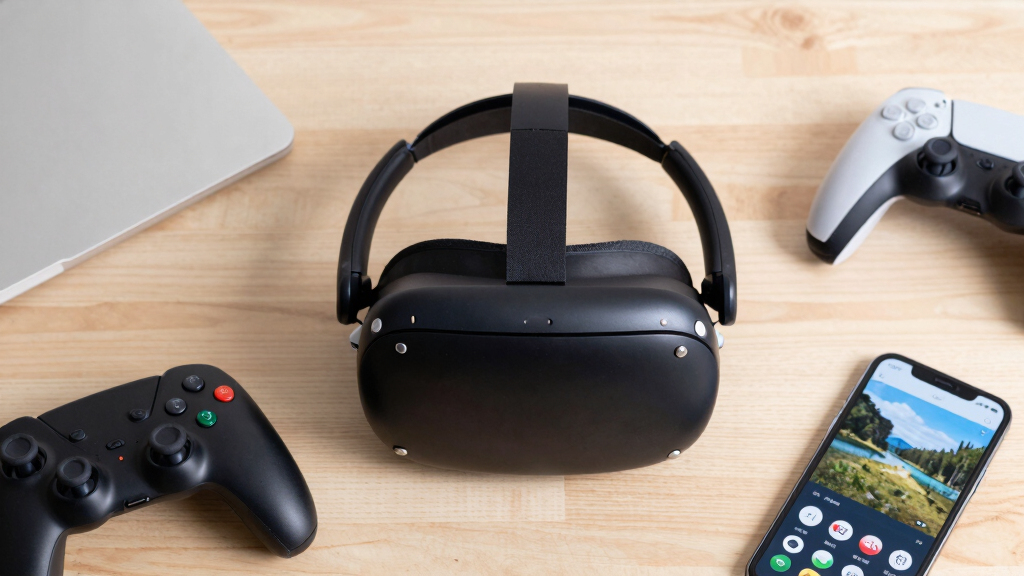
The selection process focused on standalone VR headsets that combine performance, usability, and value. We prioritized devices with robust tracking, comfortable fit, long battery life, and a wide content library. Devices that require external PCs or additional hardware were excluded to keep the focus on truly standalone options. Our rankings reflect a balance between price, features, and user experience, aiming to guide different types of buyers from beginners to enthusiasts who want the best overall experience.Factors to Consider When Choosing Best Standalone VR Headsets
Choosing the best standalone VR headset requires considering several factors beyond just hardware specs. It’s important to evaluate how comfortable the device is for extended use, the quality of its display and tracking, and the ecosystem of available content. Understanding these broader considerations helps avoid common pitfalls, such as overpaying for features you won’t use or selecting a device incompatible with your existing setup. This guide highlights key factors to keep in mind for a well-rounded purchase.Performance and Graphics
High-resolution displays and fast refresh rates significantly improve visual clarity and reduce motion sickness, making gameplay smoother and more immersive. However, these features can also impact battery life and device weight. Look for headsets that strike a good balance, especially if you plan to use them for long sessions. Consider your primary use—whether gaming, media consumption, or mixed reality—and select specs that match those needs without overpaying for unnecessary power.
Comfort and Fit
Since VR sessions often last an hour or more, comfort is vital. Adjustable straps, balanced weight distribution, and breathable materials help prevent fatigue. Some headsets come with face cushioning designed for extended wear, which can make a noticeable difference. Be cautious of bulky designs that might feel heavy or cause discomfort, especially if you have a smaller head or glasses. Trying on different models, if possible, can save you from buyer’s remorse.
Content Library and Ecosystem
The range and quality of available VR content heavily influence the overall experience. Platforms like Meta’s Quest ecosystem offer a broad selection of games and apps, making them ideal for casual users and gamers alike. Proprietary ecosystems can also dictate hardware compatibility and future updates, so consider whether a device’s content store aligns with your interests. A larger, more active community means more shared experiences and support, which enhances long-term satisfaction.
Battery Life and Portability
Battery life varies widely among standalone headsets, affecting how long you can use them between charges. Longer battery life supports more extended sessions, while shorter durations might require planning. Portability is also key if you intend to travel or use the headset in different locations. Some models feature quick-swappable batteries or power-saving modes—features worth weighing if mobility or continuous use matters to you.
Price and Future-Proofing
Budget models can deliver excellent value but might lack the latest hardware or software updates. Higher-priced headsets often include advanced features like better displays, improved ergonomics, or integrated mixed reality. Consider how long you plan to use your headset and whether investing more now could extend its relevance as VR technology evolves. Sometimes, paying a premium can mean better longevity and a more satisfying experience overall.
Frequently Asked Questions
Can I use standalone VR headsets for PC gaming?
Many standalone VR headsets, like the HTC Vive XR Elite, offer compatibility with PC gaming through optional connections or wireless streaming. However, most are primarily designed for their native ecosystems, which might limit access to some PC VR content. If PC connectivity is a priority, verify whether the device supports such features and consider models explicitly built with cross-platform compatibility. Be aware that using a headset with a PC may require additional hardware, like adapters or cables, which can impact portability and convenience.
Is it worth paying more for higher resolution headsets?
Higher resolution headsets provide sharper visuals, which can enhance immersion and reduce eye strain during prolonged use. However, they often come with increased costs and can drain batteries faster. For casual users or beginners, a mid-range resolution might be sufficient, while enthusiasts or those with specific visual needs may find the investment worthwhile. Consider your primary use case—if you’re into detailed virtual environments or professional applications, higher resolution can be a significant advantage.
How important is the content library when choosing a VR headset?
The variety and quality of available apps and games directly impact your overall experience. A large, active ecosystem ensures ongoing support, updates, and new content, keeping the device engaging over time. Some headsets have exclusive titles or better integration with popular platforms, which can influence your enjoyment. Even if you’re just starting, access to a diverse content library means more options for entertainment and learning, making the investment more valuable.
Should I prioritize comfort over technical features?
Comfort and technical features are both important, but comfort often takes precedence since VR sessions can be lengthy. A headsets with excellent specs but poor ergonomics may cause fatigue or discomfort, reducing overall satisfaction. Conversely, a well-designed, comfortable headset can make even modest hardware feel more enjoyable over time. Striking a balance between the two ensures you get the most out of your VR experience without sacrificing ease of use.
Are wireless headsets more prone to connectivity issues?
Wireless VR headsets offer greater freedom of movement but can occasionally experience latency or connection drops, especially in environments with interference. Advances in wireless technology have improved stability, yet some users prefer wired options for critical applications or competitive gaming. If you choose a wireless headset, ensure it supports reliable streaming protocols and has a strong signal range. For most casual users, modern wireless headsets provide a seamless experience when used in optimal conditions.
Conclusion
The choice of the best standalone VR headset depends on your priorities. For overall excellence that balances performance and price, the Meta Quest 3S earns the top spot. If you’re seeking the highest-end experience with mixed reality capabilities, the HTC Vive XR Elite makes sense despite its premium price. Budget-conscious buyers will find the Meta Quest 2 still very capable, especially for casual gaming. Beginners should focus on comfort and ecosystem, while enthusiasts might prioritize resolution and hardware specs. Consider your use case carefully to pick the headset that best aligns with your VR ambitions in 2026.