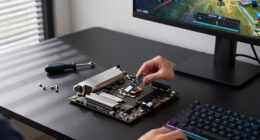

Believing your tech can be truly future-proof often leads you to overspend and replace devices too soon. This myth encourages overbuying and ignores that all devices will eventually become outdated. Instead, focus on buying flexible, upgradeable products that can adapt to rapid tech changes, especially AI advancements. By understanding these limits, you’ll make smarter choices and avoid costly mistakes. If you want to learn how to beat this myth, keep exploring the facts behind tech longevity.

Get hardware and tech essentials delivered free with Prime
- Fast, free delivery on millions of items
- Prime Video, Amazon Music and more included
- Member-only deals all year
Key Takeaways
- No device can be truly future-proof; assumptions about longevity often lead to unnecessary spending.
- Rapid AI evolution renders hardware incompatible or outdated quickly.
- Focusing on hardware durability alone doesn’t guarantee usefulness as software requirements change.
- Overbuying based on future-proofing myths ignores inevitable technological obsolescence.
- Prioritize flexibility, modular upgrades, and software support over permanence for smarter tech investments.
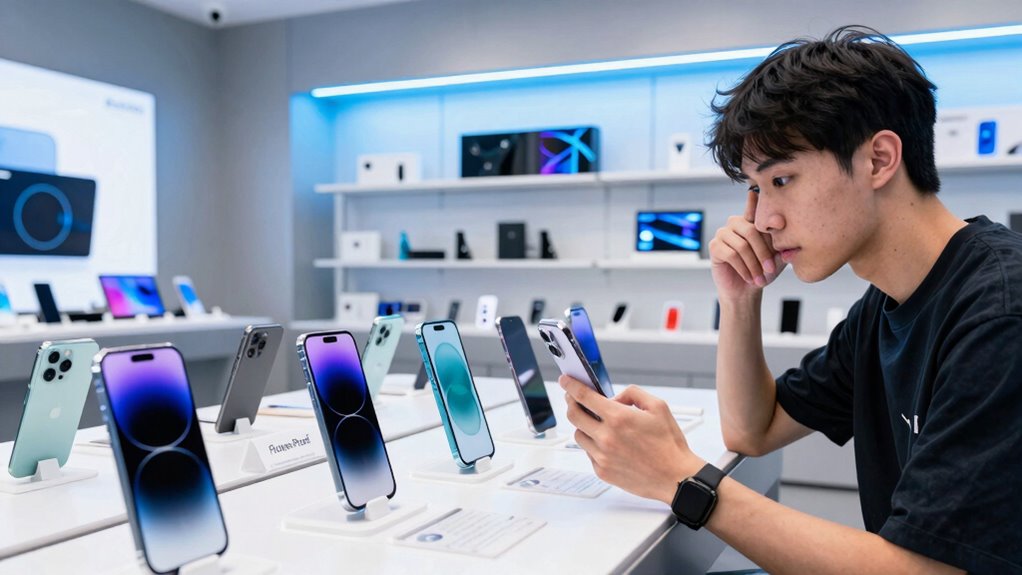
Have you ever believed that you can fully prepare for the unpredictable twists of the future? Many people buy into the idea of future-proofing, assuming that certain tech investments will keep them ahead of the game indefinitely. But the truth is, no device or system can truly be future-proof. Instead of focusing on making your tech last forever, it’s smarter to contemplate flexibility and adaptability. This mindset shift can save you from costly mistakes driven by the myth of future-proofing.
Embrace flexibility and adaptability in tech choices to avoid costly mistakes and stay ahead in an ever-changing world.
Take, for example, AI integration. While some gadgets claim to be ready for the next wave of artificial intelligence advancements, technology evolves so rapidly that what’s cutting-edge today may become obsolete tomorrow. Investing heavily in AI-compatible hardware might seem like a safe bet, but unless the device is designed with upgradeability in mind, you could find yourself stuck with outdated tech sooner than expected. Rather than trying to buy “future-proof” AI features, look for products that support modular upgrades or software updates. This approach allows you to adapt as AI technology advances without replacing entire systems.
Similarly, hardware longevity is often touted as a key feature in tech products. You might purchase a device with the promise that it will last for years, but reality is more nuanced. Hardware durability is important, but it isn’t the only factor that determines a device’s usefulness over time. As software requirements grow and new functionalities emerge, older hardware can become a bottleneck. When you cling to the idea of hardware longevity, you risk holding onto outdated devices that no longer meet your needs. Instead, focus on buying tech that’s designed with repairability and upgradeability in mind. This way, you can extend its usefulness without the false security of permanence. Recognizing the limitations of hardware durability can help you make more informed choices.
Trying to future-proof your tech can lead to bad purchases because it encourages overbuying and unnecessary spending. You might be tempted to buy the latest and greatest hardware with the expectation that it will serve you forever, but technology simply doesn’t work that way. The concept of technological obsolescence reminds us that no matter how advanced a device seems today, it will eventually be replaced or outgrown. The smarter move is to choose products built with adaptability, knowing that continuous updates and upgrades are part of the tech lifecycle. Accepting that the future is inherently uncertain will help you make wiser, more practical decisions, rather than falling for the myth that you can completely safeguard your investments against inevitable change.
upgradeable laptops with modular components
As an affiliate, we earn on qualifying purchases.
As an affiliate, we earn on qualifying purchases.
Frequently Asked Questions
How Do Manufacturers Promote the Future-Proofing Myth?
Manufacturers promote the future-proofing myth through marketing hype, claiming their products will stay relevant longer and adapt to upcoming technologies. They emphasize features that seem to anticipate future needs, making you believe you’re investing in longevity. This often fuels consumer skepticism, as you start questioning whether these claims are realistic or just clever sales tactics. Ultimately, they manipulate perceptions to boost sales, even if the product may not truly be future-proof.
Are There Specific Tech Categories Most Affected by This Myth?
You’ll find smartphone obsolescence and software compatibility are most affected by this myth. Manufacturers hype new models to suggest you’ll need the latest for peak performance, but often, your current phone remains functional longer. This leads you to believe you must upgrade sooner, even if your device still works well. By falling for this, you might buy unnecessary upgrades, overlooking your current device’s true capabilities and longevity.
What Are the Financial Risks of Chasing Future-Proof Devices?
Chasing future-proof devices risks your finances through overspending, underuse, and rapid obsolescence. Market inflation increases prices, making it more costly to upgrade later, while brand loyalty might lead you to buy premium models that don’t truly meet your needs. You might pay extra for features you won’t use, only to find that the device becomes outdated sooner than expected, draining your resources and limiting your budget flexibility.
How Can Consumers Identify Genuine Future-Proof Tech?
You can identify genuine future-proof tech by examining its tech durability, ensuring it’s built to last beyond current innovation cycles. Look for devices with upgradable components or software support that extend their usefulness. Research the manufacturer’s track record for updates and compatibility, and consider expert reviews. If a product promises to stay relevant for years without upgrades, it’s likely a smart purchase that truly aligns with future-proofing principles.
Does Future-Proofing Influence Tech Upgrade Cycles?
Sure, future-proofing fuels upgrade fatigue, making you believe your shiny new device will last forever. It definitely influences tech upgrade cycles by pushing consumers to replace gadgets sooner, fearing technological obsolescence. You end up chasing the latest, thinking it’s a smart move, but in reality, it just feeds manufacturers’ plans to sell more. So, yes, future-proofing accelerates upgrade cycles, often leaving you more frustrated than satisfied.
software-supported smart home devices
As an affiliate, we earn on qualifying purchases.
As an affiliate, we earn on qualifying purchases.
Conclusion
Don’t fall for the future-proofing fallacy—fearing fleeting tech will leave you frustrated and financially flustered. Focus instead on functionality, flexibility, and real-world needs. By bypassing the bold promises of “forever” features, you’ll make smarter, savvier, and more sustainable selections. Remember, technology evolves, so embrace evolution instead of chasing an elusive, eternal upgrade. Be wise, be wary, and buy with confidence—your future-proofing fantasy isn’t worth the fuss.
repairable smartphones with easy upgradeability
As an affiliate, we earn on qualifying purchases.
As an affiliate, we earn on qualifying purchases.
As an affiliate, we earn on qualifying purchases.
Halloween Picks
halloween
As an affiliate, we earn on qualifying purchases.