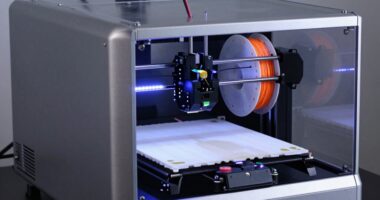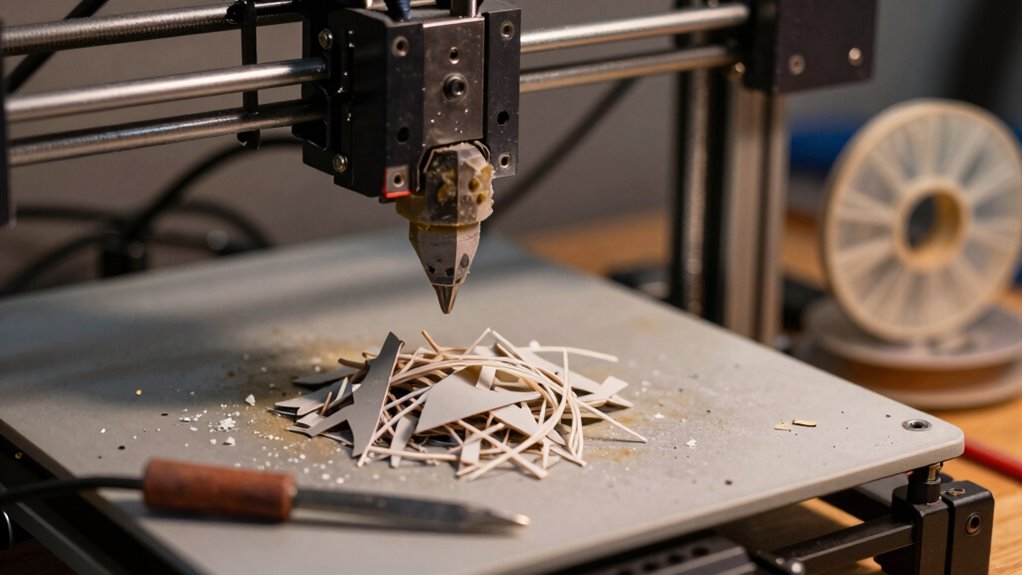

The hidden costs of 3D printing go far beyond the machine itself. You might spend more on advanced materials, electricity, and waste management than you realize. Environmental impacts from high energy use and limited recycling options also add to the expense. Additionally, legal and social challenges, like intellectual property issues and job shifts, shape its true cost. If you want to uncover more about these often-overlooked factors, there’s much more to explore.

Get hardware and tech essentials delivered free with Prime
- Fast, free delivery on millions of items
- Prime Video, Amazon Music and more included
- Member-only deals all year
Key Takeaways
- Material costs and environmental impact often surpass the price of the machine itself.
- Energy consumption and emissions significantly contribute to the true cost of 3D printing.
- Waste management and recycling limitations add hidden environmental and financial burdens.
- Supply chain shifts and workforce changes create economic costs beyond equipment expenses.
- Legal and intellectual property issues can lead to unforeseen liabilities and compliance costs.
As an affiliate, we earn on qualifying purchases.
Uncovering the Hidden Costs of 3D Printing
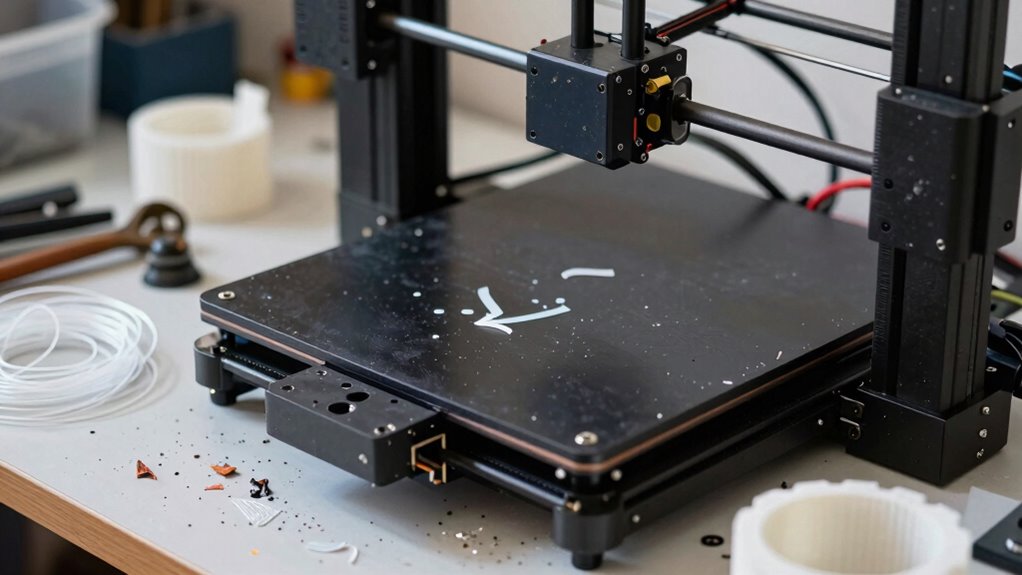
While 3D printing is often celebrated for its innovation and cost-saving potential, many overlook the hidden expenses that can quickly add up. One major overlooked cost is developing an innovative design that works well with your chosen technology. It’s not just about creating a model; you need to optimize it for printability, which can involve multiple iterations and adjustments. Additionally, material innovations come into play—advanced filaments and resins often cost more than standard options. These special materials can improve strength or flexibility but increase your expenses considerably. You might also need specialized software or hardware upgrades to handle complex designs. Furthermore, understanding digital concepts such as design optimization and material compatibility can significantly impact overall costs. All these factors add to the true cost of 3D printing, revealing that innovation often comes with hidden financial and time investments.
As an affiliate, we earn on qualifying purchases.
Environmental Impacts Beyond Material Waste

As you explore the environmental impacts of 3D printing, consider how energy use can be surprisingly high during production. Emissions released in the process can also contribute to pollution, even if material waste is managed. Additionally, recycling and disposal pose ongoing challenges, making the overall environmental footprint more complex than it seems. Moreover, understanding the contrast ratio of involved equipment can influence the perception of environmental sustainability in printing setups. Increasing awareness of energy consumption patterns can help optimize processes and reduce environmental impacts, especially as the choice of printing materials can significantly affect energy efficiency and emissions. Recognizing the importance of support networks for new dads can also promote broader community efforts toward sustainable practices in manufacturing.
A deeper understanding of brewing science can further aid in selecting more energy-efficient and environmentally conscious printing methods, contributing to a more sustainable approach overall.
Energy Consumption Concerns
Despite the advantages of 3D printing, its energy consumption raises significant environmental concerns. The process often requires high power levels, which can strain energy grids and increase carbon footprints. Improving energy efficiency in 3D printers can reduce overall energy use, but many machines still rely on power sources that aren’t renewable. If your printer runs on electricity generated from fossil fuels, it contributes more to environmental degradation. Choosing energy-efficient equipment and renewable power sources can help mitigate these impacts. Additionally, optimizing print settings and reducing idle times can lower energy consumption. Being aware of the energy demands of 3D printing technology is essential for promoting sustainable practices. By being mindful of your printer’s power usage and prioritizing sustainable energy sources, you can lessen the environmental impact of your 3D printing activities. Incorporating energy-efficient techniques into your workflow can further reduce the environmental footprint and support sustainable manufacturing.
Emissions During Production
Many 3D printing processes emit pollutants beyond just material waste, impacting the environment during production. The environmental footprint isn’t limited to the waste you see; it also involves emissions from material sourcing and production logistics. Extracting raw materials often releases greenhouse gases and pollutants, especially if sourced unsustainably. Transporting materials and finished products adds to pollution through fuel consumption and emissions from trucks, ships, and planes. These logistical steps contribute considerably to a product’s overall environmental impact. Additionally, the energy used during production releases emissions, especially if sourced from fossil fuels. Recognizing these hidden emissions helps you understand that the environmental costs of 3D printing extend beyond waste, emphasizing the importance of sustainable sourcing and optimized logistics to reduce overall emissions.
Recycling and Disposal Challenges
Recycling and disposal of 3D printed objects present significant environmental challenges that go beyond just managing material waste. The recycling infrastructure for many 3D printing materials is limited, making it difficult to process and reuse printed parts effectively. You might find that disposal regulations vary depending on your location, complicating proper waste management. Some materials, like certain plastics, aren’t widely recyclable, leading to increased landfill accumulation. Additionally, chemical residues from post-processing or support materials can contaminate waste streams, posing environmental hazards. Without clear regulations or accessible recycling options, you risk contributing to pollution and waste buildup. Addressing these challenges requires improving recycling infrastructure, developing standardized disposal regulations, and encouraging manufacturers to produce more environmentally friendly materials.
As an affiliate, we earn on qualifying purchases.
Economic Effects of Widespread 3D Printing Use
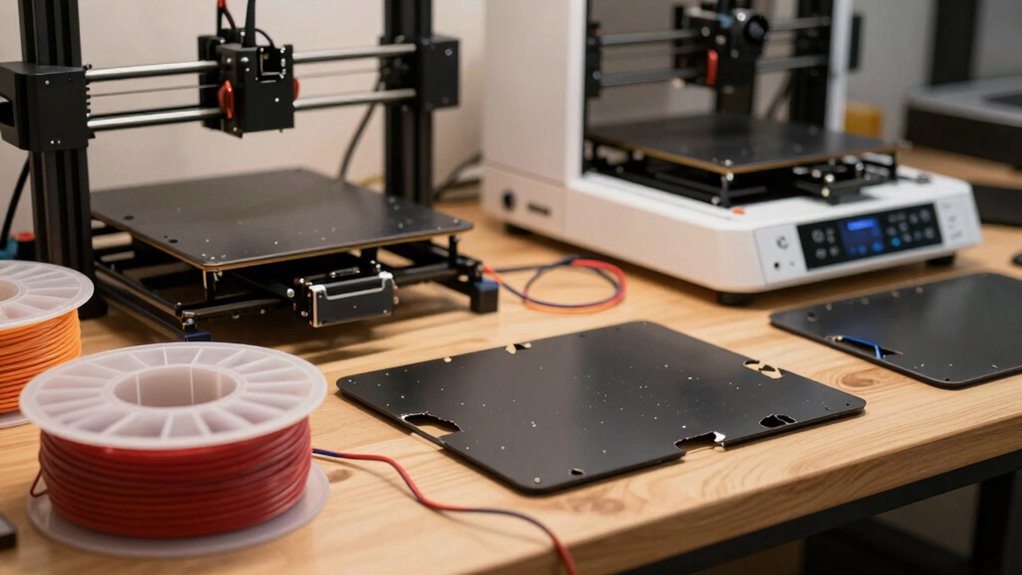
As 3D printing becomes more widespread, you’ll notice shifts in the job market as traditional manufacturing roles change or disappear. Supply chains could become shorter and more localized, but this may also widen economic gaps. These changes might impact different communities unevenly, deepening economic inequality.
Job Market Shifts
The widespread adoption of 3D printing technology is rapidly transforming the job market, creating both opportunities and disruptions. As industries shift, you’ll need to focus on workforce adaptation and skill development to stay relevant. Some jobs may become obsolete, but new roles in design, maintenance, and innovation will emerge. To thrive, you must learn to operate advanced printers, understand digital modeling, and develop technical expertise. Companies are increasingly valuing workers who can quickly adapt to these changes, emphasizing continuous learning. Your ability to acquire new skills will determine whether you benefit from these shifts or fall behind. Embracing ongoing training and staying updated on emerging 3D printing applications will be essential for your career resilience in this evolving landscape. Additionally, understanding airless paint spraying tips and gear can provide insights into how technology-driven industries adapt and innovate. Developing familiarity with new manufacturing techniques like 3D printing can give you a competitive edge in this dynamic environment.
Supply Chain Disruption
How might widespread 3D printing reshape supply chains across industries? It could profoundly impact supply chain resilience by allowing local, on-demand production, reducing reliance on global suppliers and lengthy shipping routes. This shift minimizes delays caused by disruptions like factory shutdowns or transportation issues. As you adopt 3D printing, you’ll notice increased production efficiency—parts and products can be made quickly and customized easily, cutting inventory costs. However, this transformation also introduces disruptions, as traditional manufacturing hubs may see reduced demand, complicating logistics networks. Overall, 3D printing’s ability to decentralize production challenges established supply chain models, forcing businesses to rethink sourcing and distribution strategies while potentially boosting resilience against global shocks.
Economic Inequality
Widespread adoption of 3D printing could deepen economic inequality by enabling small businesses and individuals to produce goods locally, often with fewer resources, while traditional manufacturing remains concentrated in large, established corporations. This shift might increase wealth disparity, as those with access to advanced printers and skills thrive, leaving behind those facing access barriers. The gap widens when only a few can afford the technology needed to innovate and compete.
| Wealth Gap | Access Barriers | Impact |
|---|---|---|
| Small producers thrive | High costs limit entry | Increased local entrepreneurship |
| Big corporations dominate | Skill requirements grow | Greater innovation disparities |
| Wealth concentrates | Limited access widens divide | Socioeconomic tensions |
| Opportunities expand | Education gaps persist | Unequal economic growth |
| Local economies grow | Technology gap persists | Growing inequality |
recyclable 3D printing materials
As an affiliate, we earn on qualifying purchases.
As an affiliate, we earn on qualifying purchases.
Social and Legal Challenges in 3D Printing
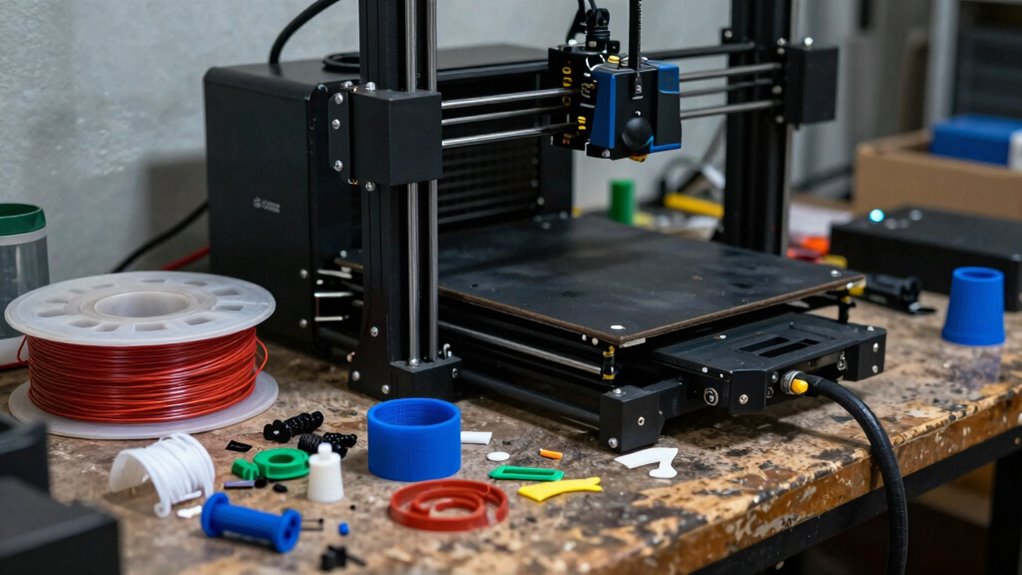
As 3D printing becomes more accessible, it introduces complex social and legal challenges that demand careful attention. You need to take into account issues around intellectual property, as easily replicating designs raises concerns about theft and infringement. Unauthorized copying can lead to legal liabilities for individuals and companies, especially when patented or copyrighted items are involved. Additionally, the decentralized nature of 3D printing complicates enforcement, making it harder for authorities to regulate misuse. This technology blurs traditional boundaries of ownership and accountability, creating risks for creators, consumers, and regulators alike. Without clear legal frameworks, you might unknowingly face lawsuits, fines, or damages. Implementing cookie categories and other sustainable backyard features can also influence how communities respond to 3D printing challenges. Recognizing the importance of design protection is crucial for safeguarding intellectual property rights in this evolving landscape. As the technology continues to advance, the lack of comprehensive regulatory measures can further hinder effective oversight. Understanding how regional laws vary can help in developing more effective legal responses. Addressing these challenges requires a balance between innovation and legal protections to ensure responsible use of 3D printing technology.
Managing Waste and Recycling Costs in 3D Printing
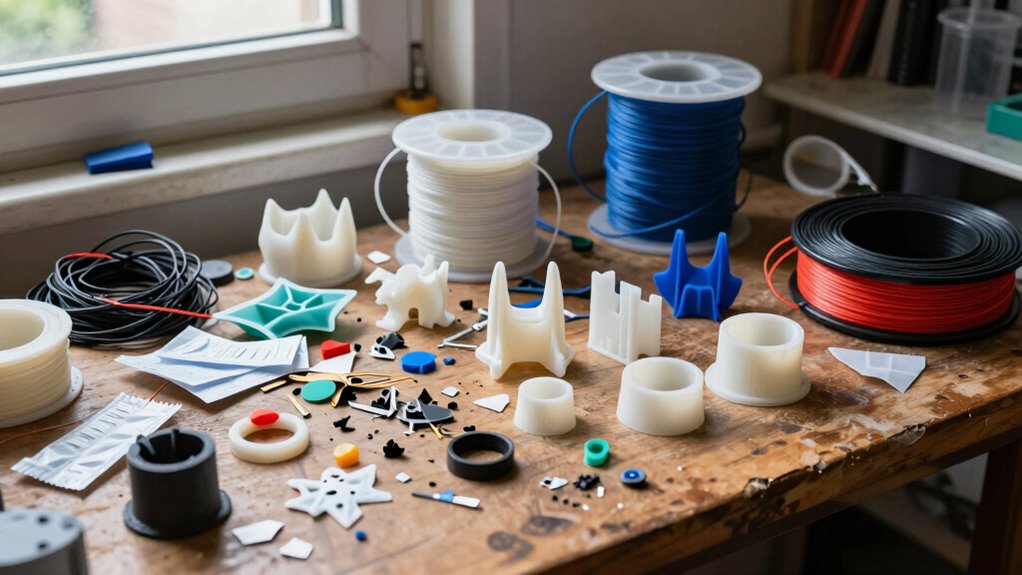
Managing waste and recycling costs in 3D printing can be challenging because, despite its potential for precise manufacturing, the process often produces excess material and unusable prints. To address this, you need to leverage material innovation, which enables the development of more sustainable, recyclable filaments. Technological advancements also play a vital role, allowing for more efficient material usage and improved recycling techniques. By adopting these innovations, you can reduce waste, lower disposal costs, and create a more sustainable workflow. Recycling leftover filament and failed prints becomes more feasible with improved processes, saving money and resources. Staying updated on the latest material and technological advancements helps you optimize your waste management strategy, ultimately making your 3D printing operation more cost-effective and eco-friendly. Incorporating advanced recycling techniques can further enhance material recovery and reduce environmental impact. Additionally, implementing waste reduction strategies can help streamline operations and minimize overall waste generation. Recognizing the importance of sustainable manufacturing practices encourages ongoing innovation and responsible resource management. As awareness of environmental impact grows, adopting these practices is increasingly essential for responsible manufacturing.
Sustainability Challenges for 3D Printing Technologies
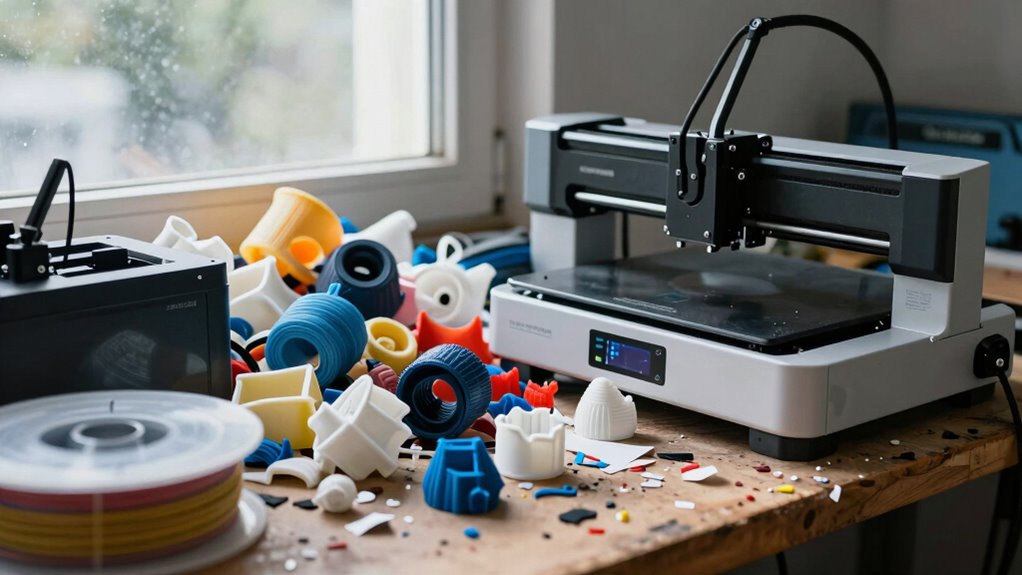
While advancements in waste management and recycling have made strides, sustainability remains a significant challenge for 3D printing technologies. Material sourcing is a major concern, as many printing materials rely on non-renewable resources, increasing environmental impact. Additionally, intellectual property issues hinder sustainable innovation, as companies hesitate to share eco-friendly designs or processes. The table below highlights key sustainability challenges:
| Challenge | Impact |
|---|---|
| Material sourcing | Dependence on finite resources, environmental strain |
| Recycling limitations | Incomplete recycling options for certain materials |
| Energy consumption | High energy use during printing processes |
| Intellectual property | Restricted collaboration on sustainable solutions |
| Waste generation | Excess or unusable prints contributing to waste |
Addressing these issues requires collaboration and innovation to guarantee sustainable growth.
How to Reduce the Hidden Costs of 3D Printing

Reducing the hidden costs of 3D printing requires a strategic approach focused on efficiency and sustainability. Start by optimizing material sourcing; choose suppliers that offer quality materials at lower costs, and consider recycled or alternative filaments to cut expenses and reduce waste. Protect your intellectual property by implementing secure file management and licensing practices, preventing costly legal disputes or theft. Efficiently managing print settings and reducing failed prints minimizes material waste and machine downtime. Regularly maintain your equipment to extend lifespan and improve performance, saving money long-term. Collaborate with suppliers and peers to share resources and knowledge, which can lead to better deals and innovative solutions. Additionally, leveraging smart technology in your 3D printers can help monitor and optimize print operations in real time. By streamlining these processes, you control hidden expenses and maximize your 3D printing investment.
Frequently Asked Questions
How Does 3D Printing Impact Traditional Manufacturing Jobs?
You might notice that 3D printing causes workforce displacement in traditional manufacturing jobs, as automation replaces manual labor. However, it also demands skill adaptation, encouraging workers to learn new technical skills related to designing and operating 3D printers. This shift can lead to more specialized roles, but it requires you to stay flexible and continuously upgrade your expertise to remain valuable in a changing industry landscape.
What Are the Cybersecurity Risks Associated With 3D Printing Technology?
A stitch in time saves nine, and that’s true for cybersecurity in 3D printing. You face risks like cybersecurity vulnerabilities and data breaches, which can compromise sensitive design files and manufacturing processes. Hackers could manipulate or steal your data, leading to IP theft or production delays. To protect yourself, implement strong security measures, regular updates, and access controls, because ignoring these risks only invites trouble.
How Do Intellectual Property Laws Apply to 3D Printed Objects?
You need to understand that intellectual property laws protect original designs and inventions, meaning unauthorized 3D printing of patented objects can lead to patent infringement. When you create or share 3D printed objects, you might be risking legal consequences if those objects violate intellectual property rights. Always verify whether a design is protected before printing it to avoid infringement, and respect patents to stay compliant with the law.
What Are the Long-Term Environmental Effects of 3D Printing Waste?
While we often overlook it, 3D printing waste could challenge the environment over time. You might notice that using biodegradable materials and supporting recycling initiatives can mitigate long-term impacts. If you stay conscious of waste management, you help reduce pollution and resource depletion. Embracing sustainable practices guarantees that the benefits of 3D printing don’t come at the planet’s expense, fostering a healthier future for all.
Can 3D Printing Lead to Increased Product Counterfeiting?
Yes, 3D printing can lead to increased product counterfeiting. As the technology becomes more accessible, counterfeit proliferation grows, making it easier for unauthorized creators to replicate designs. This poses significant authenticity challenges for brands, as counterfeit products can deceive consumers and harm brand reputation. Without proper security measures, 3D printing’s widespread availability risks undermining intellectual property rights and enabling illegal duplication of valuable products.
Conclusion
Think of 3D printing as a mighty river—you’re not just shaping its flow with the machine, but also steering its course through unseen currents. To keep this river sustainable and thriving, you need to watch for hidden rocks like environmental harm, waste costs, and legal obstacles. By staying aware and guiding your efforts wisely, you can harness its power responsibly, ensuring it becomes a source of innovation rather than an unseen burden beneath the surface.
Halloween Picks
halloween
As an affiliate, we earn on qualifying purchases.