If your project deadline is tight, a prebuilt workstation is your best choice because it offers quick deployment and immediate use, saving you valuable time. Custom builds take longer for assembly and planning, which could threaten your schedule. However, if you have more time, a custom workstation provides tailored performance and easier upgrades. Still unsure? Keep exploring to discover how to pick the right workstation for your needs and timeline.

Get hardware and tech essentials delivered free with Prime
- Fast, free delivery on millions of items
- Prime Video, Amazon Music and more included
- Member-only deals all year
Key Takeaways
- Prebuilt workstations are ideal for tight deadlines due to quick deployment and immediate usability.
- Custom workstations offer tailored performance but require more time for assembly and configuration.
- Choose prebuilts for urgent projects; opt for custom builds when customization and future upgrades are priorities.
- Budget constraints influence the decision; prebuilts often cost less upfront and save time.
- Assess task complexity: demanding tasks may benefit from custom setups despite longer setup times.
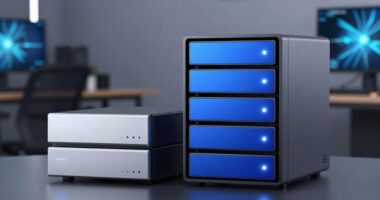
prebuilt workstation for quick deployment
As an affiliate, we earn on qualifying purchases.
As an affiliate, we earn on qualifying purchases.
Does Your Project Deadline Affect Your Workstation Choice?
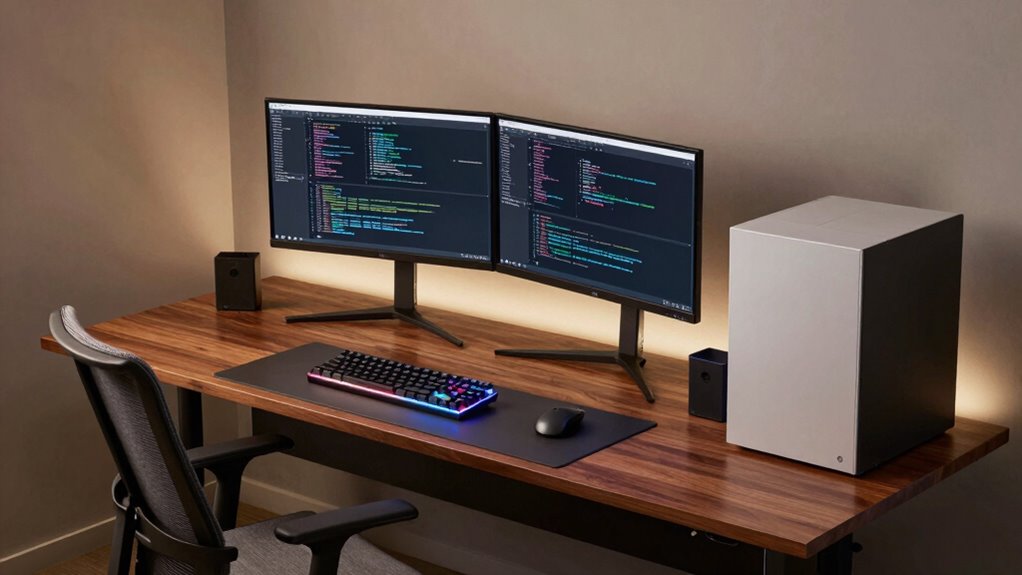
Is your project deadline tight? If so, your choice of workstation can make a big difference. Prebuilt options often have the advantage of quick availability, saving you time. When speed is vital, you won’t want to worry about hardware compatibility issues that might delay assembly or upgrades. Reputable brands typically guarantee their systems are compatible with a wide range of components and software, giving you peace of mind. Custom workstations, while flexible, may take longer to assemble and test, which could push back your project timeline. If meeting your deadline is essential, opting for a prebuilt with strong brand reputation might be your best move. It guarantees reliable performance straight out of the box, helping you stay on schedule and avoid unnecessary setbacks. Additionally, hardware compatibility plays a crucial role in ensuring your workstation can handle demanding tasks efficiently. Being aware of building a custom system can help you make informed decisions about your options. Moreover, leveraging professional services offered can streamline the setup process and provide ongoing support if needed.
As an affiliate, we earn on qualifying purchases.
Prebuilt vs. Custom Workstations: Key Differences

Prebuilt workstations come ready to use out of the box, offering convenience and quick deployment, whereas custom workstations are built to your exact specifications, giving you more control over components and performance. With a custom setup, you can guarantee superior hardware compatibility, tailored to your specific needs. You also get better upgrade options, making future enhancements simpler and more cost-effective.
Prebuilt workstations offer quick setup, while custom builds ensure tailored performance and easier future upgrades.
Key differences include:
- Hardware compatibility: Custom workstations allow you to select components that work seamlessly together.
- Upgrade options: Custom builds are easier to upgrade over time, extending their lifespan.
- Time to set up: Prebuilt systems are faster to deploy but less flexible for future modifications.
Choosing depends on your need for flexibility versus immediate readiness.
professional prebuilt workstation
As an affiliate, we earn on qualifying purchases.
As an affiliate, we earn on qualifying purchases.
Advantages and Disadvantages of Prebuilt Workstations When Time Is Short

When time is tight, opting for a prebuilt workstation can be a smart choice because it allows you to get up and running quickly without the delays of assembling or configuring components yourself. Budget considerations play a significant role; prebuilt systems often offer predictable costs and avoid unexpected expenses during assembly. However, upgrade flexibility might be limited, making it harder to customize or expand your system later. While prebuilt workstations save time, they may not perfectly match your specific needs, leading to potential compromises. Still, if your priority is rapid deployment and cost control, they’re an efficient solution. Just keep in mind that, compared to custom builds, prebuilt options might restrict future upgrades, which could matter if your workload evolves.
As an affiliate, we earn on qualifying purchases.
Is Custom Building Still Worth It When You’re in a Hurry?
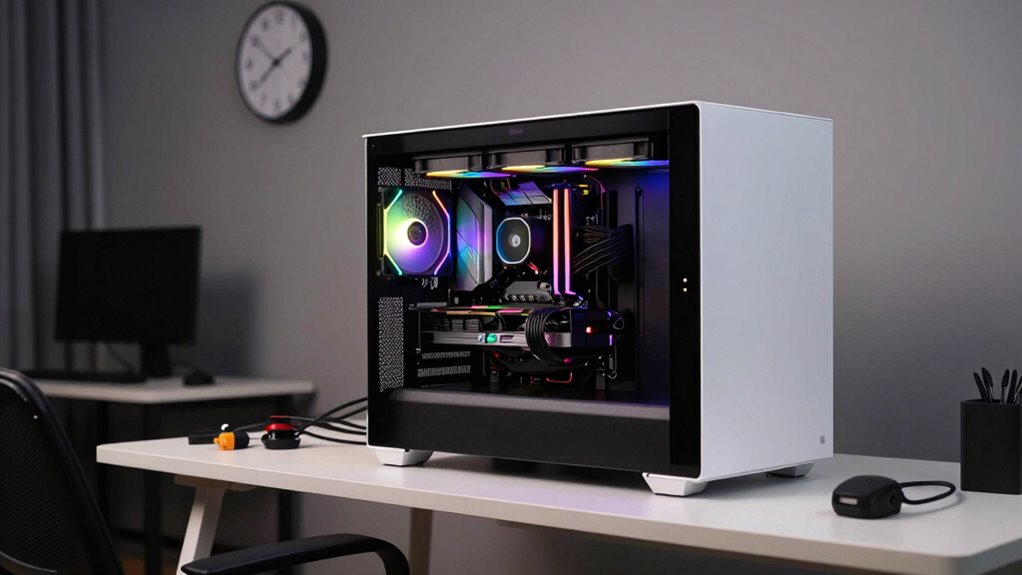
In urgent situations, many wonder whether custom building a workstation is still worth the extra time and effort. If you’re facing tight deadlines, the answer depends on your priorities. While custom builds typically take longer, they offer unmatched hardware flexibility, allowing you to optimize performance for your specific tasks. However, budget constraints may limit your options, making prebuilt options more appealing for quick deployment. Consider these points:
- Custom builds can be tailored precisely, but they require planning and assembly time.
- Prebuilts are ready-to-use, ideal for urgent needs with limited downtime.
- Streamlined options like semi-custom systems might balance flexibility and speed.
If time is critical, weigh whether the benefits of customization outweigh the delay, especially if budget constraints force compromises.
How to Choose the Right Workstation Based on Your Needs and Timeline

Choosing the right workstation depends largely on your specific needs and how quickly you need it up and running. If you require hardware flexibility for tasks like 3D rendering or video editing, a custom build might be best, even if it takes longer to assemble. Conversely, if your deadline is tight, a prebuilt system offers immediate availability and reliable performance. Budget considerations also influence your decision; prebuilt options tend to be more cost-effective and come with warranties, while custom workstations can be tailored precisely but may cost more upfront. Assess your priority—speed or customization—and balance it against your financial constraints. This approach guarantees you select a workstation that aligns with your timeline, meets your performance needs, and fits within your budget.
Frequently Asked Questions
What Are the Typical Costs Associated With Prebuilt Versus Custom Workstations?
Prebuilt workstations usually cost less upfront, making them better if you’re on a tight budget, but they might limit your customization options. Custom workstations often have higher costs due to tailored components and assembly, but they allow you to prioritize brand reliability and specific features. Your decision depends on your budget considerations and the importance you place on reliable brands, with custom options often offering better long-term value.
How Long Does It Usually Take to Assemble a Custom Workstation?
You can usually expect to spend anywhere from a few hours to a full day assembling a custom workstation. The process involves tackling assembly challenges and ensuring compatibility issues are addressed properly. If you’re experienced, you might finish faster, but beginners could need extra time to troubleshoot problems. Rushing assembly can lead to issues down the line, so allocate enough time to carefully build and double-check everything for peak performance.
Can Prebuilt Workstations Be Upgraded Easily Later?
Think of a prebuilt workstation as a sturdy ship—built to sail smoothly, but its upgrade options are like adding new sails or a bigger engine. They can be upgraded, but compatibility considerations matter. Some components may be locked or harder to replace, limiting your options. Always check the system’s specifications, as not all prebuilt models are designed for extensive upgrades, making future improvements more challenging.
What Warranty Options Are Available for Prebuilt Versus Custom PCS?
You’ll find that prebuilt PCs often come with extensive warranties from trusted brands, offering reliable customer support and coverage for parts and labor. Custom PCs’ warranty options vary depending on the components you choose, but they usually require you to handle repairs yourself or coordinate with individual manufacturers. Brand reliability and strong customer support make prebuilt systems a safer bet for hassle-free warranty coverage, especially if you want quick, dependable assistance.
Which Type Offers Better Future-Proofing for Evolving Software Needs?
Custom workstations typically offer better future-proofing because you can choose hardware components that guarantee compatibility with evolving software needs. This means you can upgrade specific parts to improve hardware compatibility and adapt to new software demands over time. Prebuilt systems might limit your flexibility, making it harder to keep up with changing software requirements. So, if future-proofing matters, a custom build usually provides more control and adaptability.
Conclusion
Choosing between a prebuilt or custom workstation is like steering a river’s bend—you need to select your vessel wisely based on your journey’s urgency and destination. If time’s tight, a sturdy prebuilt can be your reliable boat, swift and ready. But if you have the luxury to craft your vessel, a custom build can steer you toward ideal performance. Ultimately, your project’s deadline guides your choice, shaping your perfect vessel for the voyage ahead.
Fall Picks
fall essentials
As an affiliate, we earn on qualifying purchases.