
A 4K monitor isn’t automatically better just because it has higher resolution. To get the most out of 4K, you need to match the screen size to your workspace and viewing distance. A small monitor can make details hard to see, while a large one too close can cause eye strain. Proper size, calibration, and setup are key to enjoying crisp, comfortable visuals. If you want to learn how to optimize your 4K experience, keep exploring.

Get hardware and tech essentials delivered free — and shop member deals
- Fast, free delivery on millions of items
- Access to Prime Big Deal Days deals on October 6–7
- Prime Video, Amazon Music and more included
Key Takeaways
- A larger screen enhances 4K benefits but must be proportionate to viewing distance to avoid pixelation or eye strain.
- Matching monitor size to workspace and ergonomics ensures comfortable viewing and optimal image clarity.
- Proper calibration and refresh rate are essential for maximizing visual quality, regardless of resolution.
- Oversized monitors with 4K can appear blurry or pixelated if not paired with adequate pixel density.
- Smaller screens with high resolution may cause eye strain if the size isn’t appropriate for the viewing distance.
As an affiliate, we earn on qualifying purchases.
Why Screen Size Is Critical When Choosing a 4K Monitor
When choosing a 4K monitor, screen size is vital because it directly affects how sharp and immersive the image appears. A larger screen enhances your experience, especially for tasks requiring high color accuracy, like photo editing or gaming. If the monitor is too small, the details can seem lost, and the benefits of 4K resolution diminish. Conversely, a bigger screen demands a high refresh rate to keep motion smooth and avoid blurriness, which is essential for gaming or fast-paced work. The right screen size balances sharpness, color accuracy, and refresh rate, ensuring you get the full benefit of a 4K display. Ultimately, selecting the appropriate size helps you enjoy crisp visuals without sacrificing performance or clarity. Exploring content formats can also influence how you utilize your display for various digital tasks.
ergonomic 4K monitor calibration tools
As an affiliate, we earn on qualifying purchases.
As an affiliate, we earn on qualifying purchases.
How Resolution and Screen Size Work Together for Clarity
Resolution and screen size must work together to deliver true clarity on a 4K monitor. When your screen is too large for its resolution, images can appear pixelated or blurry, reducing sharpness. Conversely, a small screen with high resolution can make details crisper but may strain your eyes. Proper color calibration enhances clarity by ensuring colors are accurate and vibrant, making details stand out. A high refresh rate smooths motion, especially important for fast-paced activities like gaming or video editing. Combining ideal resolution with an appropriate screen size, along with precise color calibration and a high refresh rate, results in a clearer, more immersive viewing experience. This balance is key to maximizing your 4K monitor’s potential for professional work and entertainment. Additionally, essential oils for eye health can help reduce eye strain during extended use, further improving your viewing comfort. Understanding visual ergonomics can also help you set up your workspace to minimize fatigue and improve long-term comfort.
high refresh rate 4K gaming monitor
As an affiliate, we earn on qualifying purchases.
As an affiliate, we earn on qualifying purchases.
How to Pick the Right Screen Size for Your Workspace
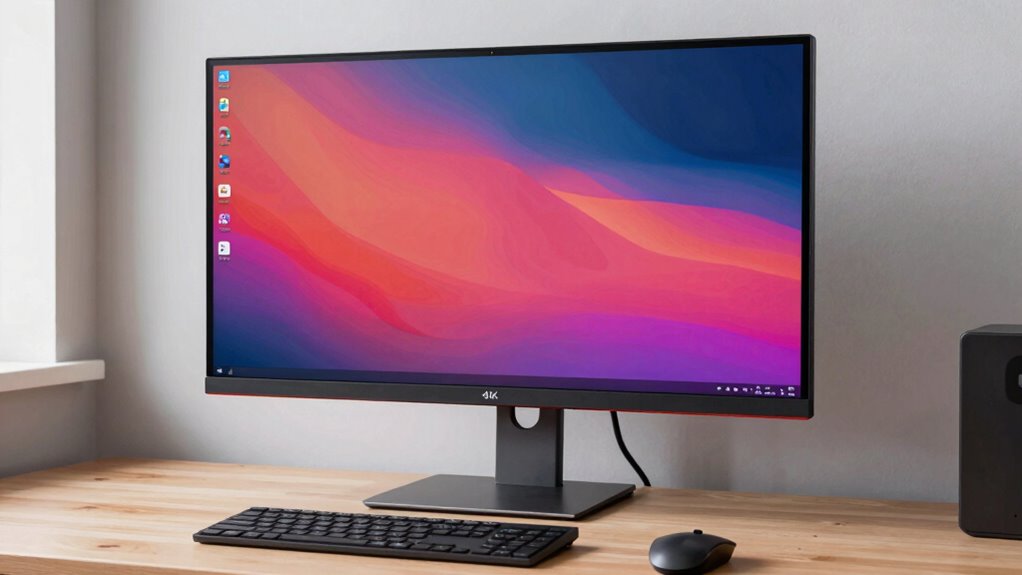
Choosing the right screen size for your workspace involves balancing how much visual real estate you need with how comfortably you can view it. To do this, consider:
- Your desk space—measure available room to avoid overcrowding.
- Typical viewing distance—generally, sit about an arm’s length away.
- Screen resolution—guarantee clarity, especially with 4K monitors, matching size to pixel density.
- Color calibration and refresh rate—select a size that allows proper calibration without strain and supports the refresh rate needed for your tasks.
- Additionally, understanding the battery capacity of your devices can help optimize your overall workspace setup, especially if you rely on portable power sources.
- When choosing a monitor, consider how HNW strategies might influence your setup, particularly if you require advanced display configurations for financial analysis or client presentations.
- Ensuring your monitor size aligns with visual ergonomics can help prevent fatigue during long working hours. Moreover, staying updated on the latest AI tools can streamline your workflow and improve productivity.
- Keep in mind that display calibration is crucial for color-sensitive work, and the monitor size should support easy adjustments to maintain visual accuracy.
monitor screen size and resolution guide
As an affiliate, we earn on qualifying purchases.
As an affiliate, we earn on qualifying purchases.
Common Mistakes When Selecting a 4K Monitor Size
Many people choose a 4K monitor without considering their viewing distance, which can lead to discomfort or missed details. Overlooking the importance of screen resolution or selecting a size based solely on the numbers can also cause issues. To get the most out of your monitor, you need to match its size and resolution to how and where you work. Additionally, understanding the contrast ratio of your display can significantly impact your viewing experience, especially in dark environments. Proper monitor calibration is also essential to optimize image quality and reduce eye strain over extended use. Being aware of visual ergonomics principles can further enhance comfort during prolonged usage.
Ignoring Viewing Distance
One of the most common mistakes when selecting a 4K monitor is ignoring your viewing distance. If you sit too close, even a large screen can cause eye strain and ergonomic concerns. Conversely, sitting too far may diminish the benefits of 4K resolution. To help visualize, consider:
- Sitting 1-2 feet away for a 24-inch monitor to avoid strain.
- Positioning a 27-32 inch screen at 3-4 feet for maximum clarity.
- Using a 40-inch or larger monitor at 4+ feet to maintain immersion.
- Adjusting your desk setup to match your aesthetic preferences and ergonomic needs.
Ignoring distance leads to discomfort and may undercut your visual experience. Matching screen size to your typical viewing distance ensures comfort while satisfying aesthetic preferences.
Overlooking Screen Resolution
Even if you select a large 4K monitor, overlooking the importance of screen resolution can limit your visual experience. A higher resolution offers sharper images, but without proper color calibration, colors may appear dull or inaccurate, reducing visual quality. Additionally, a high refresh rate is essential for smooth motion, especially if you’re gaming or working with fast-moving content. Neglecting these factors means you might buy a monitor with impressive size but subpar image quality. You could end up with eye strain or misrepresented colors that hinder your work or entertainment. Ensuring your monitor has accurate color calibration and a suitable refresh rate maximizes the benefits of 4K resolution, providing a clearer, more vibrant, and comfortable viewing experience.
Choosing Based on Size Alone
Why do people often choose a 4K monitor based solely on size? They assume bigger screens mean better visuals, but size isn’t everything. Oversizing can compromise color calibration, making images look dull or oversaturated. A large screen with a low refresh rate causes flickering or motion blur, reducing clarity during fast-paced tasks. Without considering these factors, you might end up with a monitor that looks impressive but performs poorly.
Here are common mistakes:
- Prioritizing size over pixel density for sharpness
- Ignoring color calibration for accurate colors
- Overlooking refresh rate for smooth motion
- Choosing a size that doesn’t match your workspace or viewing distance
Matching size with the right specs ensures a better, more immersive experience.
How to Find Your Ideal Monitor Size Based on Viewing Distance
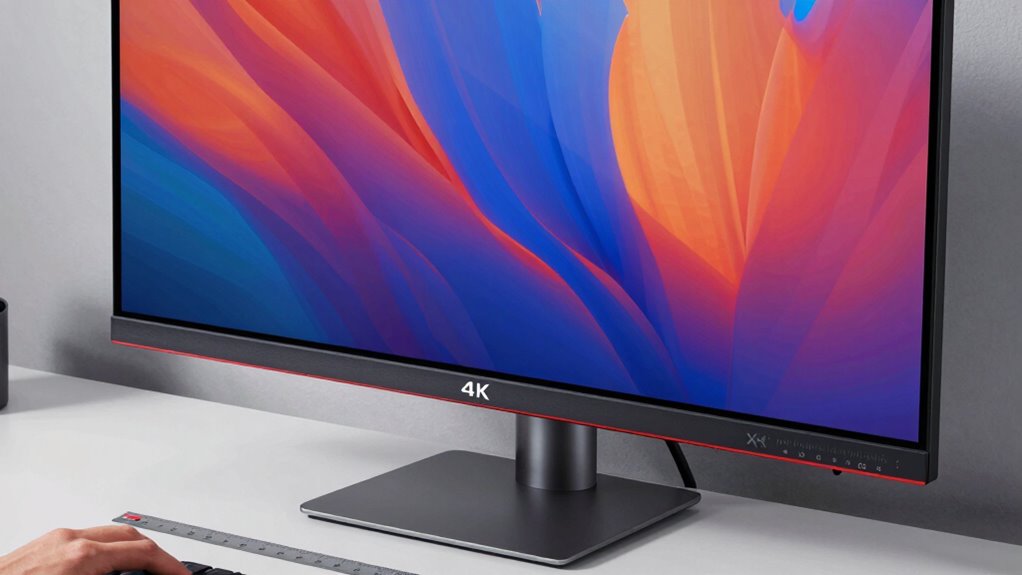
Your ideal monitor size depends on your viewing distance, which affects how sharp and comfortable the image feels. Generally, larger screens work better when you sit farther back, while smaller screens are ideal for closer distances. Considering these factors helps you choose a screen size that offers the best balance of clarity and immersion.
Optimal Viewing Distance
Have you ever wondered how close you should sit to your monitor to get the best viewing experience? Your ideal distance depends on monitor size, screen resolution, and your focus on color accuracy and refresh rate. To find it:
- Sit about 1.5 to 2.5 times the diagonal size of your monitor away.
- For sharper images, especially with 4K screens, sit closer without losing detail.
- Keep a comfortable distance where text remains crisp and colors stay vivid.
- Adjust your position to minimize eye strain, especially if high refresh rates are essential for smooth visuals.
Proper distance enhances color accuracy and reduces eye fatigue, ensuring you enjoy your monitor’s full capabilities without sacrificing comfort or clarity.
Screen Size Recommendations
Choosing the right monitor size hinges on your typical viewing distance; larger screens demand more space while smaller ones allow for closer positioning. To find your ideal size, consider how far you’ll sit from the screen. For example, if you sit about 2 feet away, a 24-inch monitor works well. For 3-4 feet, go for 27-32 inches. Keep in mind that a larger screen enhances immersion but also requires proper color calibration for accurate visuals and a refresh rate suited to your activities, like gaming or editing. Fabric technology innovations also emphasize the importance of proper calibration and setup for optimal performance. Proper screen size and resolution can significantly impact your viewing experience, especially when matched correctly to your workspace and usage needs. Additionally, understanding viewing distance and its relation to screen size can help optimize your overall setup and reduce eye strain. Here’s a quick guide:
| Viewing Distance | Recommended Screen Size | Additional Tips |
|---|---|---|
| 1-2 feet | 21-24 inches | Prioritize color calibration |
| 2-3 feet | 24-27 inches | Opt for higher refresh rate |
| 3-4 feet | 27-32 inches | Match size with workspace |
| Over 4 feet | 32+ inches | Consider ultra-wide options |
How Screen Size Affects Productivity and Comfort
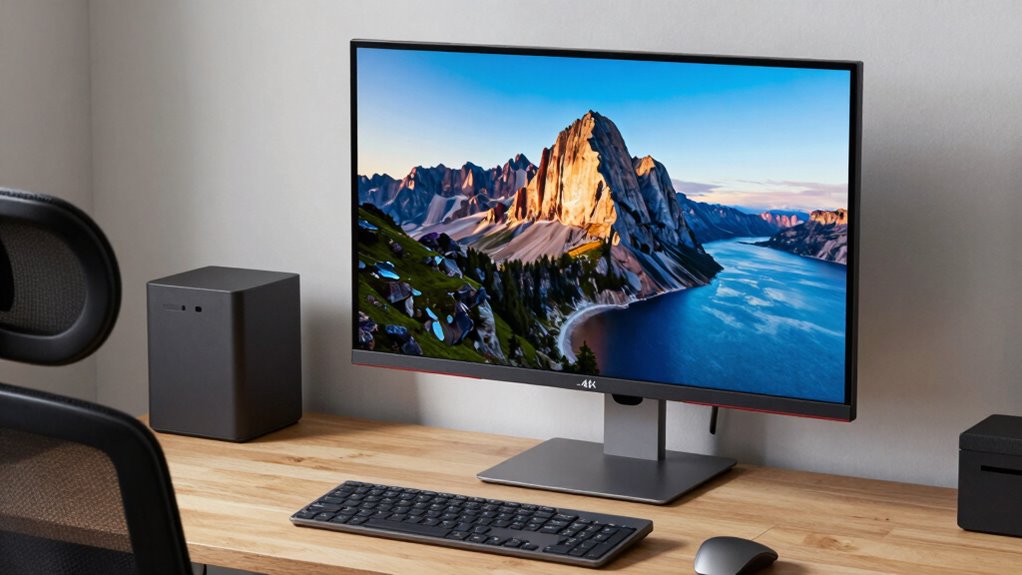
A screen size that’s too small can strain your eyes and make it difficult to focus on multiple tasks at once, reducing your overall productivity. Larger screens allow you to see more detail without constant zooming or scrolling. When choosing the right size, consider:
- Color accuracy: A bigger display helps you see subtle color differences, vital for creative work.
- Ergonomic design: Larger screens promote better posture, reducing neck and eye strain.
- Multitasking: More screen real estate lets you arrange multiple windows side by side for efficiency.
- Comfort: Properly sized screens reduce fatigue, making long work sessions more comfortable.
- Indoor air quality can also influence your comfort and focus during long work hours, so ensure your workspace has proper ventilation. Additionally, ergonomic principles can guide you in optimizing your monitor placement to further improve comfort. Maintaining good Air quality can help prevent discomfort and distraction caused by dust or pollutants during extended work periods. Proper monitor positioning also plays a crucial role in reducing physical strain and enhancing overall ergonomic setup.
Balancing Budget and Features When Buying a 4K Monitor
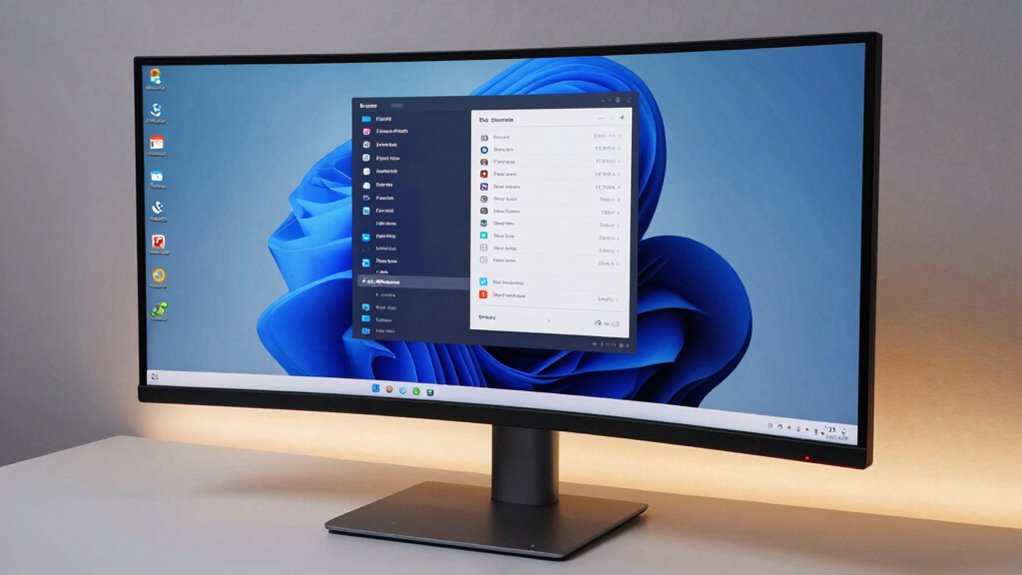
Balancing your budget with the features you need can be challenging when shopping for a 4K monitor, but understanding what matters most can help you make a smart choice. Prioritize monitors with good color calibration for accurate visuals, especially if you work in design or photography. A higher refresh rate improves smoothness, which benefits gaming and fast-paced tasks. You don’t need top-tier specs for everyday use, so focus on essential features that match your needs without overspending. Look for models that offer decent color accuracy and a refresh rate suitable for your activities. Avoid paying extra for bells and whistles you won’t use. By weighing these factors, you’ll find a 4K monitor that balances affordability with the features that truly enhance your experience.
Tips for Setting Up Your 4K Monitor for the Best Visual Quality

To get the best visual quality from your 4K monitor, start by adjusting the display settings to match your environment and usage needs. First, verify your hardware compatibility supports 4K at your desired refresh rate. Second, calibrate the color settings for accurate color reproduction, which enhances image clarity. Third, set the resolution to native 4K to avoid blurriness and maximize sharpness. Fourth, tweak brightness and contrast to suit your lighting environment, reducing eye strain and improving detail. Additionally, perform color calibration regularly to maintain color accuracy over time. Proper setup ensures your monitor delivers stunning visuals, making the most of its 4K capabilities without compromising performance or color fidelity.
Knowing When to Upgrade Your Monitor Size or Resolution

As your workflow or entertainment habits evolve, recognizing the right moment to upgrade your monitor size or resolution becomes essential. If you find yourself straining your eyes, or if your current display no longer supports your desired level of detail, it’s time to contemplate an upgrade. Pay attention to ergonomic positioning—if you’re constantly adjusting your setup to see content clearly, a larger screen might help. Additionally, if your color calibration feels off or your monitor can’t display the color range you need, upgrading can enhance visual accuracy. A bigger or higher-resolution monitor can improve productivity and immersion, but only if it matches your workspace and viewing distance. Knowing when to upgrade ensures your setup remains comfortable, efficient, and visually optimized.
Frequently Asked Questions
How Does Monitor Aspect Ratio Influence Perceived Image Quality?
Your monitor’s aspect ratio impacts perceived image quality by influencing how content fits and appears on the screen. A wider ratio can enhance immersion but might reduce pixel density, making details less sharp. Conversely, a balanced aspect ratio can improve pixel density and color accuracy, resulting in clearer, more vibrant images. So, choosing the right aspect ratio guarantees you get the best image quality without sacrificing sharpness or color fidelity.
Can a Larger Screen Size Compensate for Lower Resolution?
A larger screen size can’t fully compensate for lower resolution, especially if screen brightness and color accuracy suffer. When the resolution drops, images appear less sharp, no matter how big the display is. If you want a better viewing experience, focus on maintaining good screen brightness and color accuracy. These factors enhance image quality, making even a lower-resolution screen look better and more vibrant at larger sizes.
What Is the Optimal Viewing Distance for Different Monitor Sizes?
Think of the ideal viewing distance as finding the sweet spot for your monitor. For smaller screens, sit about an arm’s length away, ensuring sharpness and color accuracy. For larger displays, you might need to back up a bit to see full detail without strain. Keep in mind, a good refresh rate enhances smoothness, especially at close distances, while proper distance helps you appreciate vibrant colors without distortion.
How Do Ergonomic Considerations Change With Different Monitor Sizes?
Your ergonomic posture shifts with monitor sizes to prevent eye strain and discomfort. For smaller screens, sit closer and keep the top of the screen at eye level; for larger monitors, maintain a comfortable distance so you don’t lean forward or strain your neck. Adjust your chair and monitor height to keep your back straight and eyes level, supporting better ergonomics and reducing eye strain regardless of screen size.
Are There Specific Brands Known for Better 4K Monitor Size Options?
You’ll find brands like LG, Dell, and ASUS stand out for their size versatility and excellent brand compatibility. These manufacturers offer a range of 4K monitors in various sizes, making it easier to match your workspace needs. They typically include ergonomic features tailored to different sizes, so you get both ideal performance and comfort. Choosing these brands helps guarantee you get the right size and compatibility for your setup.
Conclusion
Remember, a bigger 4K monitor isn’t always better—you need the right size for your workspace and viewing habits. Did you know that most people sit about 20 inches away from their screens? Choosing the perfect size can boost your comfort and productivity without breaking the bank. So, measure your space, consider your distance, and pick a monitor that truly fits your needs. Your eyes will thank you for it!
Fall Picks
fall essentials
As an affiliate, we earn on qualifying purchases.