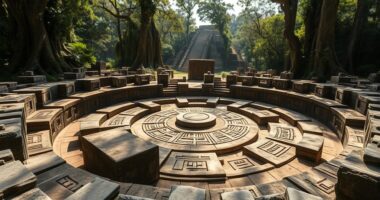

🔍 Read the full analysis: Steal This: The Signature Technique Behind “The Cenotaph At Night | A Two-Minute Vigil” on ThorstenMeyerAI.com

Get hardware and tech essentials delivered free with Prime
- Fast, free delivery on millions of items
- Prime Video, Amazon Music and more included
- Member-only deals all year
TL;DR
This article explores the unique design and technical methods behind the virtual memorial ‘The Cenotaph at Night.’ It highlights how disciplined restraint and timed silence create a powerful, contemplative experience.
The virtual memorial ‘The Cenotaph at Night | A Two-Minute’ employs a deliberate, restrained design approach centered on silence and timed interaction to evoke reflection. Its core feature is a static, floodlit photograph combined with a precise two-minute countdown that culminates in a moment of shared silence and remembrance. This technique, confirmed by the design team, transforms digital space into a meditative memorial, emphasizing materiality and restraint over movement or spectacle. For a detailed analysis, see the original analysis.
The experience is built around a single, high-quality, floodlit architectural photograph that remains static, avoiding looping videos or animations. The design uses CSS techniques such as cover cropping, monochrome grading, and precise sizing to ensure visual consistency across devices. Interaction is minimal but meaningful: scrolling triggers a clock that transitions from 23:58 to midnight, during which the interface dims, pauses grain and petals, and reveals names and inscriptions in a carefully curated, procedural list. Learn more about the design techniques in the original analysis. These names, representing fallen individuals of varying ages, appear as if rising like smoke, creating a solemn visual effect. An optional sound switch offers low tones and wind effects at midnight, fading out to reinforce the quiet, contemplative tone. Accessibility considerations include static states for users with reduced motion preferences, ensuring the experience remains undistracted and meditative.
The design’s signature lies in this disciplined restraint—focusing on materiality, timed silence, and the absence of animation or motion—creating an immersive moment of remembrance that emphasizes stillness and shared quietude.
Steal This: The Signature Technique Behind “The Cenotaph at Night”
How disciplined restraint, a static floodlit photograph, and a precisely timed two-minute countdown transform digital space into a meditative memorial — emphasizing materiality and stillness over motion and spectacle.
“The choice of static imagery and timed interactions was deliberate — to focus attention on materiality and the passage of time, rather than motion or spectacle.”
— Art DirectorWhy the Technique Creates a Lasting Impact
No Spectacle
By eschewing animation, sound effects, and visual spectacle, the design directs visitors’ focus to the passage of time and the material presence of the memorial itself.
Shared Contemplation
The timed silence and static visuals foster a shared, contemplative space that contrasts sharply with typical digital experiences.
Timeless & Personal
Discipl restraint produces powerful emotional impact, making the memorial both timeless and deeply personal for each visitor.
The Two-Minute Vigil, Step by Step
Static Entry
A single high-quality floodlit architectural photograph, cover-cropped and monochrome-graded for consistency across devices.
Clock Triggers
Scrolling reveals a clock transitioning from 23:58 toward midnight — the vigil begins.
Interface Dims
The interface dims; grain and petals pause. Names and inscriptions rise like smoke in a procedural list.
Midnight Silence
Optional low tones and wind fade out. A shared moment of stillness and remembrance.
Pure Code, Total Control
image → cover-crop, monochrome grade
clock → 23:58 → 00:00 timed transition
names → procedural, curated list
motion → paused under prefers-reduced-motion
// Stillness is the feature, not a limitation.
The project emerged from a broader series of 175 memorial websites, each built through AI. This room emphasizes materiality, timed silence, and minimal interaction. Multiple critique passes refined accessibility, visual consistency, and emotional impact — balancing technical precision with artistic restraint.
Static states are enforced for users with reduced motion preferences — the experience stays undistracted and meditative for everyone.
Accessibility · Built InTypical Digital Memorial vs. The Cenotaph Approach
| Design Element | Typical Digital Experience | Cenotaph at Night |
|---|---|---|
| Primary visual | ✗ Looping video, parallax | ✓ Static floodlit photograph |
| Interaction model | ✗ Constant motion & feedback | ✓ Timed two-minute countdown |
| Sound | ~ Ambient loops, autoplay | ✓ Optional tones that fade out |
| Reduced-motion support | ~ Often partial | ✓ Full static state |
| Emotional register | ✗ Spectacle & engagement | ✓ Shared stillness & remembrance |
Still Being Explored
Open Questions
How do visitors from diverse cultural backgrounds perceive the experience? What is the long-term emotional impact of restraint-focused memorials? How effective are optional sound and accessibility features across all user groups?
Future Developments
Gathering visitor feedback, refining the interaction model, and applying the technique to other contemplative digital spaces — with subtle timing and visual variations that deepen meditative quality without compromising restraint.
Quick Answers
What makes the design unique?
Static imagery, timed silence, and minimal interaction create a meditative experience centered on materiality and the passage of time.
How does timed interaction enhance impact?
The two-minute countdown culminating in silence fosters a shared, contemplative moment — transforming digital space into a quiet, respectful ritual.
Are there accessibility features?
Yes — static states are enforced for reduced-motion preferences, keeping the experience undistracted for all visitors.
Could this technique transfer elsewhere?
Potentially, yes — restraint, materiality, and timed silence offer a model for contemplative digital spaces that prioritize reflection over spectacle.
Why the Technique Creates a Lasting Impact
This approach matters because it redefines how digital memorials can evoke solemnity and reflection. By eschewing animation, sound effects, or visual spectacle, the design directs visitors’ focus to the passage of time and the material presence of the memorial. The timed silence and static visuals foster a shared, contemplative space that contrasts sharply with typical digital experiences, emphasizing the importance of stillness in remembrance. This technique demonstrates how disciplined restraint can produce a powerful emotional impact, making the memorial both timeless and deeply personal.
high-quality digital memorial display
As an affiliate, we earn on qualifying purchases.
As an affiliate, we earn on qualifying purchases.
Design Philosophy and Development of the Memorial
The creation of ‘The Cenotaph at Night’ was guided by an art-direction brief emphasizing simplicity, restraint, and meditative tone. The design was executed using only HTML, CSS, and vanilla JavaScript, with no external assets or frameworks, to ensure purity and control. The concept was to craft a space that embodies stillness, with a static photograph as the central visual element, and timed interactions that evoke a shared moment of silence. The project emerged from a broader series of 175 memorial websites, each built through AI, with this particular room emphasizing materiality, timed silence, and minimal interaction to evoke a contemplative mood. The design process involved multiple critique passes to refine accessibility, visual consistency, and emotional impact, culminating in a site that balances technical precision with artistic restraint.
“The choice of static imagery and timed interactions was deliberate—to focus attention on materiality and the passage of time, rather than motion or spectacle.”
— Art director
As an affiliate, we earn on qualifying purchases.
What Aspects of the Technique Are Still Being Explored
While the core concept of timed silence and static visuals is confirmed, it is not yet clear how visitors from diverse cultural backgrounds perceive the experience. Additionally, the long-term emotional impact of such restraint-focused memorials remains to be studied. The effectiveness of optional sound effects and accessibility features across all user groups is also an area for ongoing evaluation.
As an affiliate, we earn on qualifying purchases.
Future Developments and Potential Enhancements
Future steps include gathering visitor feedback to assess emotional impact and accessibility, refining the interaction model, and exploring how similar techniques might be applied to other memorials or contemplative digital spaces. Developers and designers may also experiment with subtle variations in timing or visual elements to deepen the meditative quality without compromising restraint. As the site remains accessible, ongoing observation will inform how the technique evolves to serve different audiences and contexts.
As an affiliate, we earn on qualifying purchases.
Key Questions
What makes the design of ‘The Cenotaph at Night’ unique?
The design’s focus on static imagery, timed silence, and minimal interaction creates a meditative experience that emphasizes materiality and passage of time, rather than motion or visual spectacle.
How does the timed interaction enhance the memorial’s impact?
The two-minute countdown culminating in silence fosters a shared, contemplative moment that underscores the solemnity of remembrance and transforms digital space into a quiet, respectful ritual.
Are there accessibility features incorporated into the design?
Yes, static states are enforced for users with reduced motion preferences, ensuring the experience remains undistracted and contemplative for all visitors.
Could this technique be used for other memorials or spaces?
Potentially, yes. The emphasis on restraint, materiality, and timed silence offers a model for creating contemplative digital spaces that prioritize emotional reflection over spectacle.
What are the next steps for this project?
Future efforts will focus on visitor feedback, refining interaction details, and exploring how similar techniques can deepen engagement in other digital memorials or contemplative experiences.
Source: ThorstenMeyerAI.com
Fall Picks
fall essentials
As an affiliate, we earn on qualifying purchases.