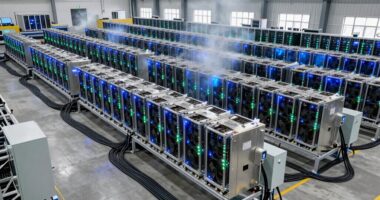

Bitmain’s dominance in cryptocurrency mining hardware does raise concerns about centralization, as one company controls a large share of the supply and significant hashing power. This concentration can make the network more vulnerable to 51% attacks and reduce decentralization’s benefits like security and censorship resistance. If you want to understand how this impacts the blockchain ecosystem and what might happen next, there’s more to discover beyond the surface.

Get hardware and tech essentials delivered free with Prime
- Fast, free delivery on millions of items
- Prime Video, Amazon Music and more included
- Member-only deals all year
Key Takeaways
- Bitmain is a dominant producer of Antminer hardware, controlling a significant share of mining equipment supply.
- This hardware monopoly can lead to centralization of mining power among a few large entities.
- Concentration of mining hardware increases risks of network attacks, undermining blockchain security.
- Limited hardware options stifle innovation and reduce decentralization in the mining industry.
- The dominance of a single company raises concerns about the long-term health and fairness of blockchain networks.

Bitmain, one of the largest producers of cryptocurrency mining hardware, has played a significant role in shaping the landscape of blockchain decentralization. As a dominant manufacturer of Antminer devices, it has a substantial influence over the mining industry, which raises questions about the emergence of mining monopolies and network centralization. When a handful of companies control most of the mining hardware, it becomes easier for them to amass significant hashing power, potentially leading to centralization of the network. This can threaten the core principle of decentralization that underpins cryptocurrencies like Bitcoin, where no single entity should have outsized control.
You might notice that mining monopolies start forming when a few players, such as Bitmain, dominate hardware supply. Since they manufacture the majority of mining equipment, it limits the options available to miners, especially those who lack the resources to buy from limited suppliers. This situation can create a bottleneck, making it difficult for smaller miners to compete effectively. As a result, large mining pools and corporations can amass enough computational power to exert influence over the network, increasing the risk of centralization. This scenario challenges the very idea of a censorship-resistant and censorship-free blockchain, as control becomes concentrated in the hands of a few.
The influence of Bitmain also extends beyond hardware sales. They have historically operated large mining pools, which contribute further to network centralization. When a single pool controls a significant portion of the network’s hashing power, it increases the risk of a 51% attack, where malicious actors could potentially manipulate transactions or double-spend coins. Such centralization undermines the security and trustworthiness of the entire blockchain. While efforts are underway to diversify hardware sourcing or develop alternative mining algorithms, the dominance of companies like Bitmain keeps the risk of mining monopolies and network centralization very present.
A market concentration can also stifle innovation and lead to fewer choices for miners and developers alike. You should be aware that these dynamics could impact your involvement in cryptocurrency. If mining power becomes concentrated, it affects decentralization’s fundamental promise—security, censorship resistance, and fairness. As a miner, investor, or enthusiast, understanding how industry giants influence the network helps you grasp the broader implications for blockchain resilience. Even if you’re not directly involved in mining, recognizing the power structures at play allows you to evaluate the long-term health of the networks you support. Ultimately, the presence of mining monopolies driven by companies like Bitmain raises crucial questions about the future of blockchain decentralization and the need for ongoing innovation to ensure a truly decentralized ecosystem.
Frequently Asked Questions
How Does Bitmain’s Market Share Compare to Other Mining Hardware Manufacturers?
You’ll find that Bitmain holds significant market dominance among mining hardware manufacturers, often leading in sales and innovation. This strong position impacts hardware competition, making it challenging for smaller companies to gain ground. While other manufacturers exist, Bitmain’s substantial market share influences the industry’s landscape, raising concerns about decentralization. Staying aware of these dynamics helps you understand how market power can shape mining capabilities and overall blockchain decentralization.
What Are the Potential Risks of Centralization in Bitcoin Mining?
You risk a mining monopoly, which can threaten network decentralization and security. When a few entities dominate mining, it increases the vulnerability of the network to attacks or manipulation, reducing trust among users. This centralization diminishes the resilience that decentralized mining offers, making the system more susceptible to censorship and potential failure if those few miners face issues or collude. Maintaining diverse miners is vital for a secure, resilient Bitcoin network.
How Does Bitmain Influence Bitcoin’s Network Security and Stability?
You hold the power to influence Bitcoin’s network security and decentralization balance. When Bitmain controls a large share of mining, it can sway network stability, making it vulnerable to central points of failure or manipulation. This company’s influence impacts how secure and resilient the network remains. By keeping mining distributed, you help maintain a robust, safe system where no single entity can tip the scales.
Are There Alternative Companies Challenging Bitmain’s Dominance?
Yes, there are alternative competitors challenging Bitmain’s dominance, supporting decentralization efforts. Companies like MicroBT with their Whatsminer series and Canaan with Avalon miners are gaining market share. Your involvement in choosing diverse mining hardware helps promote decentralization by reducing reliance on a single manufacturer. This competition encourages innovation, lowers costs, and fosters a more resilient network, making the ecosystem less vulnerable to centralization risks.
What Impact Does Mining Centralization Have on Cryptocurrency Price Volatility?
Think of the market as a boat, and mining centralization as a giant anchor. When a few miners hold significant influence, it can cause market volatility to spike, making prices sway unpredictably. This miner influence can lead to sudden shifts, increasing overall price swings. As a result, centralization can undermine trust, making the crypto market feel less like a steady voyage and more like a turbulent sea.
Conclusion
In the end, Bitmain’s dominance is like a giant shadow over the mining landscape, casting doubt on true decentralization. While they’ve fueled growth and innovation, their control risks turning the network into a puppet show, where one company pulls the strings. To keep the blockchain’s spirit alive, we need more players stepping into the spotlight, spreading power like rays of sunlight—illuminating a future where decentralization isn’t just a dream, but a reality.
Halloween Picks
halloween
As an affiliate, we earn on qualifying purchases.