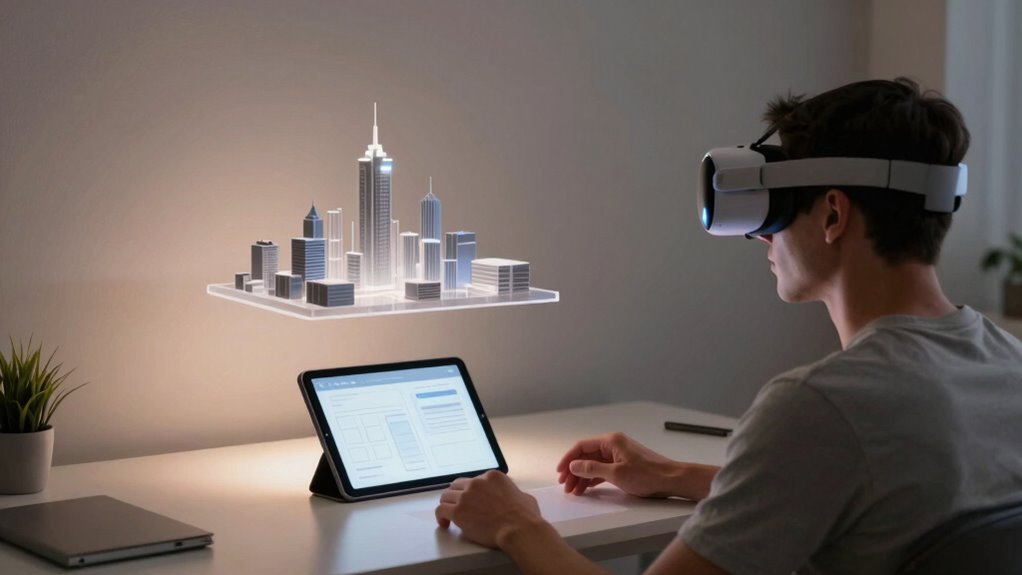

The future of the metaverse is shifting toward smaller, more focused spaces that deliver real-world value. As technology improves, you’ll find virtual environments tailored for specific needs, like work, learning, or hobbies, making interactions more practical and meaningful. Personal avatars will become more customizable, reflecting your identity and purpose. These user-centered spaces will be easier to access and more useful daily. To see how this all fits together, keep exploring what’s coming next.

Get hardware and tech essentials delivered free with Prime
- Fast, free delivery on millions of items
- Prime Video, Amazon Music and more included
- Member-only deals all year
Key Takeaways
- Focused virtual spaces enhance utility and purpose, making interactions more meaningful than vast, sprawling worlds.
- Smaller environments reduce hardware and bandwidth requirements, increasing accessibility and participation.
- Customized avatars and purpose-built environments improve engagement and functionality in specific activities.
- Virtual economies thrive on practical transactions, investments, and services rather than sheer user volume.
- Emphasizing utility-driven experiences fosters a more connected and efficient metaverse aligned with daily needs.
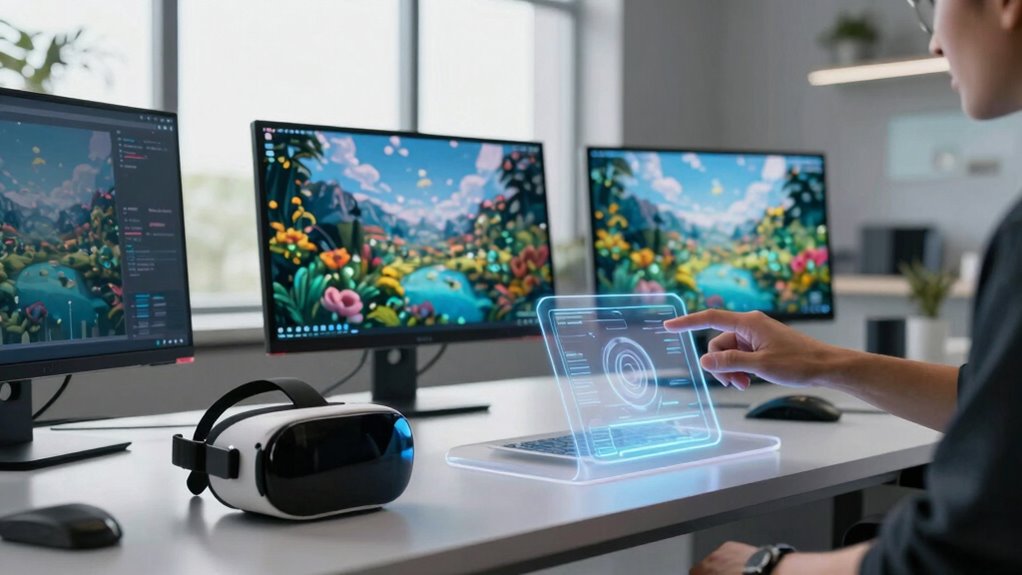
As technology continues to evolve at a rapid pace, the metaverse is emerging as the next frontier of digital interaction, promising to reshape how you work, play, and connect. But the future might not be as vast or as sprawling as some imagine. Instead, it could become more focused, smaller, and ultimately more useful. You’ll notice that the most successful metaverse experiences tend to be those that prioritize utility over scale, delivering real value in everyday life. Virtual economies are a prime example: rather than just digital playgrounds, these economies are becoming integral to how you buy, sell, and trade goods and services. You might find yourself investing in virtual real estate, creating digital assets, or participating in marketplaces that mirror real-world commerce. These economies thrive on purpose, and their growth depends on how well they serve your needs rather than how many users they attract. As these economies develop, they demonstrate how Virtual economies can be sustainable and beneficial for everyday transactions. This shift towards purpose-driven design reflects a broader trend of focused virtual environments that cater to specific needs and activities. Avatar customization is another element that hints at a more personalized and practical future. Instead of cookie-cutter digital personas, you’ll craft avatars that reflect your identity, interests, and goals. This customization isn’t just about aesthetics; it’s about making your virtual presence meaningful and functional. You could tailor your avatar for specific tasks—like a professional avatar for work meetings or a casual one for social hangouts—making interactions more efficient and authentic. As avatar customization becomes more sophisticated, it’ll help streamline your digital interactions, reducing friction and increasing engagement. Additionally, advancements in avatar technology will enable more realistic and useful representations, further enhancing this personalization. The idea of a smaller, more useful metaverse aligns with a shift toward practicality. Instead of sprawling, all-encompassing worlds, you’ll likely see focused environments designed for particular activities—like remote work, education, or niche hobbies. These spaces will be optimized for productivity and connection, not just exploration. This approach makes the metaverse more accessible; you won’t need high-end hardware or endless bandwidth to participate fully. Instead, you’ll engage in curated virtual spaces that serve specific purposes, making your experience more seamless and purposeful. Furthermore, the development of purpose-driven virtual spaces emphasizes creating environments that directly support your goals and daily routines. As the technology behind virtual reality hardware improves, it will further lower barriers to entry and enhance immersion in these practical environments. Ultimately, the future of the metaverse might be less about endless virtual worlds and more about meaningful, utility-driven experiences. You’ll find yourself in environments that support your goals and interests, powered by robust virtual economies and highly personalized avatars. This focus on usefulness over size promises a future where the metaverse genuinely enhances your daily life—more efficient, more tailored, and more connected.
virtual reality headset for metaverse
As an affiliate, we earn on qualifying purchases.
As an affiliate, we earn on qualifying purchases.
Frequently Asked Questions
How Will Privacy Be Protected in a Smaller Metaverse?
In a smaller metaverse, your privacy is protected through strict privacy regulations and advanced data encryption. You’ll have clearer control over your personal data, with transparent policies guiding its use. Developers focus on secure communication channels and limited data collection, reducing risks. This targeted approach guarantees your information stays safe, giving you confidence to explore and interact without concerns about breaches or misuse.
What Industries Will Benefit Most From a Practical Metaverse?
Ever wondered which industries will thrive in a practical metaverse? You’ll find that virtual commerce and immersive education stand to benefit the most. Retailers can create interactive shopping experiences, while educators can offer engaging, hands-on learning from anywhere. These sectors will leverage the smaller, more focused metaverse to enhance connection and efficiency, making daily interactions more immersive and impactful. Isn’t it exciting to see how these industries will transform?
How Accessible Will the Metaverse Be for Non-Tech Users?
You’ll find the metaverse becoming more accessible to non-tech users through simple interfaces and user-friendly features like avatar customization. As technology advances, virtual real estate will become easier to navigate and acquire, making the experience less intimidating. These improvements help you easily create, explore, and personalize your digital space, so you can enjoy the metaverse without needing extensive technical knowledge, making it more inclusive and practical for everyone.
Will a Smaller Metaverse Reduce or Increase Digital Divide Issues?
A smaller metaverse could reduce digital divide issues by focusing on digital accessibility and user engagement, making it easier for more people to participate. While it limits some opportunities, it promotes inclusivity by prioritizing usability over scale. This targeted approach helps non-tech users access essential features, fostering a more equitable digital landscape. Ultimately, a smaller, more focused metaverse might bridge gaps rather than widen them.
How Will Content Moderation Work in a More Focused Metaverse?
In a more focused metaverse, content moderation will rely heavily on moderation algorithms to manage user-generated content effectively. You’ll see automated systems filtering out inappropriate material quickly, reducing the need for constant manual oversight. This setup helps maintain a safe environment, ensuring interactions stay positive. As a user, you’ll benefit from a more curated space where moderation is seamless, allowing you to enjoy the metaverse without worrying about harmful content.
As an affiliate, we earn on qualifying purchases.
Conclusion
While the metaverse promises vast virtual worlds, its future may be smaller yet more practical. Instead of sprawling digital landscapes, you’ll find focused, functional spaces that genuinely enhance your daily life. Think of it like a cozy, well-designed home rather than a sprawling mansion—you get what you need without the excess. Bigger isn’t always better; sometimes, a smaller, more useful metaverse can create deeper connections and meaningful experiences, making technology work for you, not overwhelm you.
As an affiliate, we earn on qualifying purchases.
metaverse focused virtual environments
As an affiliate, we earn on qualifying purchases.
As an affiliate, we earn on qualifying purchases.
Halloween Picks
halloween
As an affiliate, we earn on qualifying purchases.