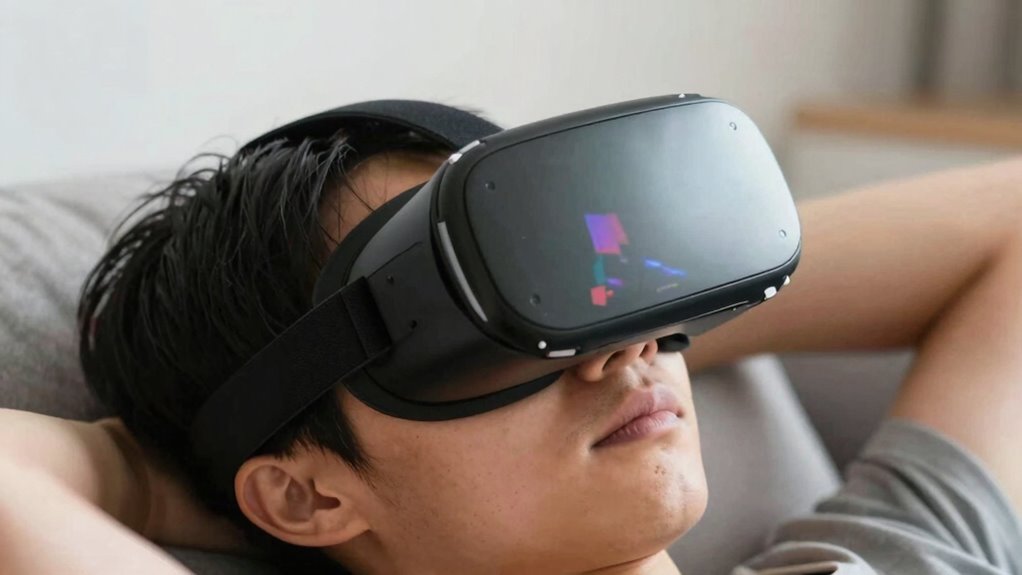

Your comfort with VR largely depends on how well the headset fits your head, not on marketing promises. A good fit comfortably distributes weight, prevents slipping, and reduces pressure points, making each session more enjoyable. Poor fit can lead to discomfort, headaches, or distractions, ruining immersion. Adjustable straps and ergonomic features help customize the fit for your head shape and size. If you’re curious about how proper fit improves your VR experience, keep exploring these key points.

Get hardware and tech essentials delivered free with Prime
- Fast, free delivery on millions of items
- Prime Video, Amazon Music and more included
- Member-only deals all year
Key Takeaways
- Proper fit ensures even weight distribution, reducing pressure points and enhancing overall comfort during extended VR sessions.
- Ergonomic design tailored to head shape improves comfort more significantly than marketing claims.
- Adjustable straps and padding allow personalized fit, directly impacting user immersion and safety.
- Comfort depends on actual fit, not just features advertised as “ergonomic” or “comfortable.”
- A well-fitting headset minimizes fatigue, distractions, and discomfort, leading to better VR experiences.

When it comes to enjoying virtual reality, comfort isn’t just about flashy marketing or stylish design—it’s about how well the headset fits your head. The importance of a good fit directly influences your overall experience. If your VR headset isn’t comfortable, you’ll find yourself adjusting it constantly or, worse, stopping your session early altogether. That’s why ergonomic design matters so much. A well-designed headset considers the shape and size of your head, distributing weight evenly and reducing pressure points. This ergonomic design ensures you can wear it for longer periods without discomfort.
Your user experience hinges on more than just visual quality. Comfort impacts immersion, focus, and even safety. A snug fit prevents the device from slipping during active movements, which is crucial for seamless gameplay or detailed virtual exploration. If a headset is too tight, it might cause headaches or discomfort; if it’s too loose, it can create distracting visual artifacts or make you constantly readjust. Finding that perfect balance involves choosing a device with adjustable straps and padding that molds comfortably to your head. Considering personalized fit options is essential, as it allows you to tailor the headset to your unique head shape and size, enhancing overall comfort. Additionally, selecting a headset with adjustable features can further optimize your experience by accommodating various head shapes and preferences.
Many marketing claims emphasize high-resolution displays or powerful processors, but these features are meaningless if your headset causes pain or distraction. Ergonomic design isn’t a luxury—it’s a necessity for maximizing your user experience. Good design considers the weight distribution and padding placement, ensuring the headset feels natural rather than cumbersome. This not only enhances comfort but also reduces fatigue, letting you stay engaged for longer periods. Additionally, paying attention to weight distribution can help prevent strain and make extended VR sessions more enjoyable.
Your head size and shape are unique, so a one-size-fits-all approach rarely works perfectly. That’s why adjustable headbands and customizable padding make a difference. When you can tweak the fit to suit your preferences, you create a more immersive environment free from discomfort. Investing in a headset with thoughtful ergonomic features means you’re prioritizing your comfort, which directly correlates with how much you enjoy VR sessions. Additionally, understanding personalized fit and how it influences comfort can lead to a more satisfying virtual experience. Proper fit also minimizes the risk of developing discomfort or strain over time, making long-term use more sustainable.
Ultimately, a headset that fits well isn’t just about avoiding discomfort—it’s about enhancing every aspect of your VR experience. Comfort and ergonomic design create a foundation for better immersion, less fatigue, and safer use. Instead of being swayed solely by marketing buzzwords, pay attention to how a headset fits and supports your head. When comfort is integrated into the design, your virtual reality adventures become more engaging, more enjoyable, and, most importantly, sustainable over longer periods.
As an affiliate, we earn on qualifying purchases.
Frequently Asked Questions
How Do I Measure My Head for the Best VR Fit?
To measure your head for the best VR fit, start with a flexible tape measure. Wrap it around your head at the widest part, usually just above your eyebrows and ears, to find your head circumference. Use consistent measurement techniques—keep the tape snug but not tight. Record the measurement in centimeters or inches, then compare it with the VR headset’s sizing guide to guarantee a comfortable, secure fit.
Can Adjustable Straps Improve VR Comfort Significantly?
Adjustable straps are like a tailor-made suit—they can considerably boost your VR comfort by ensuring a snug, personalized fit. They improve head size compatibility, preventing the headset from slipping or feeling too tight. With the right straps, you can evenly distribute weight and reduce pressure points. So, yes, adjustable straps can make a noticeable difference, making your VR experience more comfortable and immersive for longer periods.
Do Different Face Shapes Require Different VR Headset Designs?
Yes, different face shapes and head sizes require tailored VR headset designs. Your facial structure influences how comfortably a headset fits, affecting overall experience. If you have a smaller or larger head, or a unique facial shape, a one-size-fits-all design might cause discomfort or poor visuals. Adjustable straps and customizable padding help, but head size and facial structure are essential for a snug, comfortable fit that enhances immersion and reduces fatigue.
How Long Can I Wear a VR Headset Comfortably?
You can usually wear a VR headset comfortably for about 1 to 2 hours before your face starts protesting. VR headset ergonomics matter, and so do your comfort preferences. If you ignore these, your face may turn red, or you might develop a headache. So, take breaks, adjust the fit, and listen to your body—after all, your face isn’t a crash test dummy.
Are There Specific Materials That Enhance VR Headset Comfort?
Yes, certain materials enhance VR headset comfort. Look for materials with good breathability to prevent overheating and sweating during extended use. Softer padding with moderate density offers better cushioning without feeling too firm or too soft, ensuring a snug fit. Memory foam or breathable fabric padding can improve overall comfort, making your VR experience more enjoyable and reducing discomfort during longer sessions.
As an affiliate, we earn on qualifying purchases.
Conclusion
Just like Icarus, who soared too close to the sun, you might feel tempted to chase the latest VR hype. But remember, true comfort in virtual reality isn’t about shiny marketing tricks—it’s about finding the perfect fit. When your headset molds to your head like a well-worn glove, every experience becomes effortless. So, don’t just follow the crowd—seek what truly fits you, and realize the full potential of your virtual journey.
comfortable VR headset for long sessions
As an affiliate, we earn on qualifying purchases.
As an affiliate, we earn on qualifying purchases.
As an affiliate, we earn on qualifying purchases.
Halloween Picks
halloween
As an affiliate, we earn on qualifying purchases.