

TL;DR

Get hardware and tech essentials delivered free — and shop member deals
- Fast, free delivery on millions of items
- Access to Prime Big Deal Days deals on October 6–7
- Prime Video, Amazon Music and more included
Six upcoming AI-enabled camera lenses are expected to transform photography by 2026. These lenses will feature advanced AI integration for improved autofocus, scene optimization, and image quality. The development reflects ongoing industry efforts to enhance user experience and expand creative possibilities.
Six AI-powered camera lenses are anticipated to be released or announced in 2026, representing a significant shift in photography technology. These lenses will incorporate advanced artificial intelligence to enhance autofocus, scene recognition, and image processing, making professional-level features more accessible. This development is notable for photographers, videographers, and tech enthusiasts eager to leverage AI for improved image quality and creative control.
Industry sources and manufacturers such as Sony, Canon, and Nikon are reportedly working on new lenses with integrated AI capabilities, aiming for release in 2026. These lenses are expected to feature real-time scene analysis, subject tracking, and automatic adjustments to optimize image quality without requiring manual settings. The focus is on combining optical excellence with AI-driven enhancements to simplify complex shooting scenarios.
According to industry analyst Thorsten Meyer, “AI integration in camera lenses will democratize high-end photography, allowing amateurs and professionals alike to achieve superior results with less technical effort.” While specific models and features remain under wraps, early prototypes suggest a trend toward smarter lenses that adapt dynamically to shooting conditions.
The 6 picks
- 1
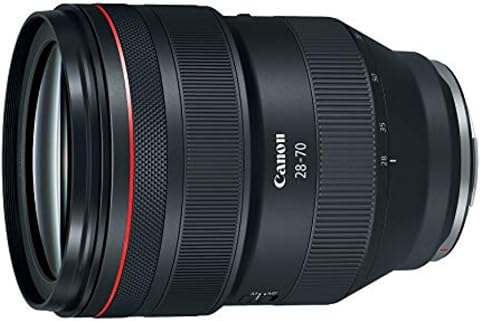 Canon RF28-70mm F2 L USM Lens, Zoom Lens for EOS R Series, BlackView on Amazon →
 - 2
 Sony FE 24-70mm F/2.8 GM II Full Frame E-Mount Standard Zoom LensView on Amazon →
 - 3
 Canon RF 24-70mm F2.8L IS USM Lens for Canon EOS R Series Mirrorless CamerasView on Amazon →
 - 4
 Canon RF 24-105mm f/4L IS USM Zoom Lens for EOS R SeriesView on Amazon →
 - 5
 Canon RF100-400mm F5.6-8 IS USM Telephoto Lens for EOS R Series CamerasView on Amazon →
 - 6
 Canon EF 50mm f/1.8 STM Lens for Canon EOS DSLR CamerasView on Amazon →
Impacts of AI-Enhanced Lenses on Photography
The integration of AI into camera lenses could revolutionize how images are captured, edited, and processed. For users, this means easier shooting in challenging environments, faster autofocus, and more accurate scene recognition. For the industry, it signals a shift toward smarter hardware that reduces post-processing time and enhances creative possibilities. This technological evolution could also influence camera design, accessories, and user workflows, making AI a standard feature in future photographic equipment.
Industry Trends and AI Development in Camera Technology
Over the past few years, camera manufacturers have increasingly incorporated AI into their products, primarily in camera bodies for autofocus and scene optimization. The move toward AI-enabled lenses marks a natural progression, aiming to embed intelligence directly into optical hardware. Historically, lens development has focused on optical quality, but recent innovations emphasize computational photography and AI-driven features, aligning with broader trends in consumer electronics and mobile devices.
Leading brands like Sony and Canon have announced prototypes and patents related to AI in lenses, indicating a competitive race to bring these features to market. The push is also driven by consumer demand for easier, more reliable photography tools that deliver professional results with minimal technical knowledge.
“We are exploring AI capabilities to enhance autofocus and scene recognition directly through our lenses, aiming for a 2026 release.”
— A representative from Sony
Unconfirmed Details and Development Timelines
While several companies are reportedly working on AI-enabled lenses, specific models, features, and release dates remain unconfirmed. Details about the exact AI functionalities, pricing, and compatibility are still emerging, and some prototypes may not reach production as initially envisioned. Industry insiders suggest that technological challenges and market readiness could influence the final product offerings.
Upcoming Announcements and Industry Adoption Milestones
Expect major camera manufacturers to announce or showcase prototypes of AI lenses at upcoming industry events such as Photokina 2026 and CES 2026. Further, user feedback from early beta tests and industry reviews will shape final product features and market strategies. Adoption rates will depend on how seamlessly AI integrates with existing camera systems and the tangible benefits it offers to users.
Key Questions
What advantages will AI camera lenses offer?
AI lenses are expected to improve autofocus speed and accuracy, automatically optimize scene settings, and assist with subject tracking, resulting in better image quality and easier shooting experiences.
Which brands are leading the development of AI lenses?
Major players like Sony, Canon, and Nikon are actively working on AI-integrated lenses, with prototypes and patents indicating significant investment in this technology.
Will AI lenses be compatible with existing camera systems?
Compatibility will vary by manufacturer and model. Some AI lenses may require specific camera bodies or firmware updates, and adoption will depend on industry standards and user needs.
When can consumers expect to buy AI-enabled lenses?
While announcements are expected in 2026, actual availability may range from late 2026 to early 2027, depending on development progress and manufacturing schedules.
Are AI lenses suitable for professional photographers?
Yes, AI lenses aim to enhance professional workflows by providing faster, more accurate autofocus and scene optimization, although initial models may be priced at a premium.
Source: ThorstenMeyerAI.com
Halloween Picks
halloween
As an affiliate, we earn on qualifying purchases.