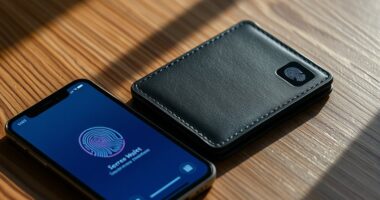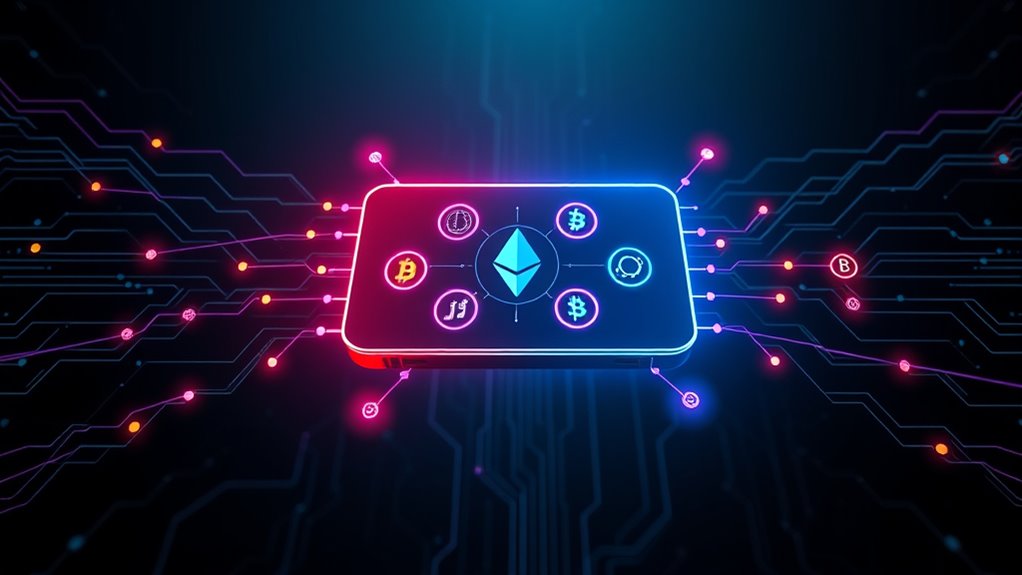

Interoperability allows you to manage multiple blockchain assets within a single wallet, simplifying your crypto experience. By using cross chain bridges and compatible token standards, you can seamlessly transfer assets between networks like Ethereum, Binance Smart Chain, and Solana without switching wallets or platforms. This unified approach increases your control, saves time, and reduces mistakes. Keep exploring how this technology works, and you’ll discover even more ways to optimize your digital asset management.
Key Takeaways
- Cross chain bridges enable seamless transfer of assets between different blockchain networks within a single wallet.
- Multi-chain wallets support multiple token standards, allowing management of diverse assets across blockchains.
- Interoperability tools eliminate the need to switch wallets, simplifying multi-chain asset access and management.
- Advanced wallets integrate cross chain functionality, providing unified control over assets on various blockchain platforms.
- Using one interoperable wallet increases portfolio flexibility, reduces operational complexity, and enhances overall crypto management efficiency.

Have you ever wished you could manage all your cryptocurrencies with just one wallet? It’s a common dream in the crypto world, especially as the number of blockchain networks grows. Interoperability makes this possible by allowing you to access multiple blockchains through a single interface. This is where cross chain bridges come into play. They act as connectors, enabling you to transfer assets seamlessly between different blockchains without needing to switch wallets or platforms. Instead of juggling separate wallets for each network, cross chain bridges let you move tokens from, say, Ethereum to Binance Smart Chain or Solana, all within one streamlined system. This reduces complexity and saves you time, while also lowering the risk of mistakes during transfers.
But for these bridges to work effectively, token standard compatibility is vital. Each blockchain has its own set of rules and standards—like ERC-20 on Ethereum or BEP-20 on Binance Smart Chain—that define how tokens behave and interact. When your wallet supports token standard compatibility, it can recognize and handle tokens across different networks without requiring conversion or special adjustments. This means your tokens stay usable and functional, no matter which blockchain they’re on. Compatibility also simplifies the process of staking, trading, or participating in decentralized finance (DeFi) projects that span multiple networks. If your wallet isn’t compatible with these standards, you might face hurdles like needing to convert tokens or use multiple platforms, which complicates your experience.
The key to a smooth, multi-chain wallet experience is integrating cross chain bridges that are compatible with various token standards. Many advanced wallets now incorporate this functionality, allowing you to connect to different networks and manage tokens with minimal fuss. As long as your wallet supports the relevant standards, you can confidently hold, send, and receive assets across multiple chains without worrying about incompatibility issues. Additionally, vetted wave and wind solutions provide reliable interoperability, ensuring seamless transfers across diverse blockchain environments. This interoperability is a game-changer, making your crypto portfolio more flexible and accessible. It also encourages greater participation in decentralized ecosystems, where assets often move between different chains for various purposes.
In essence, by leveraging cross chain bridges and ensuring token standard compatibility, you enable a more streamlined, versatile way to handle your cryptocurrencies. It’s about turning what used to be a fragmented experience into a unified one, empowering you to take full control of your digital assets without the hassle of managing multiple wallets or platforms.
Frequently Asked Questions
Can I Use the Same Wallet for Both Cryptocurrencies and NFTS?
Yes, you can use the same wallet for both cryptocurrencies and NFTs. With cross-chain compatibility and wallet interoperability, your wallet can seamlessly support multiple blockchains, allowing you to manage different assets without switching apps. Just make certain your wallet is compatible with the specific blockchains and tokens you want to use. This makes managing your digital assets more convenient and efficient, all within a single, versatile wallet.
How Secure Is a Multi-Chain Wallet Against Hacks?
A multi-chain wallet can be quite secure, but you should be aware of cross chain security risks and wallet vulnerabilities. Hackers target weak points, so always keep your private keys safe, enable two-factor authentication, and use reputable wallets. While these wallets are designed to protect your assets across blockchains, staying vigilant and practicing good security habits minimizes the chances of hacks or breaches.
Are There Fees for Transferring Assets Between Different Blockchains?
Yes, there are transaction fees or transfer costs when moving assets between different blockchains. These fees vary depending on the blockchains involved and the network congestion at the time. You’ll typically pay a small fee for the transaction to be processed, which compensates miners or validators. Be aware that some cross-chain bridges may also charge additional service fees, so always check the costs before initiating transfers to avoid surprises.
How Does a Wallet Manage Different Blockchain Protocols Simultaneously?
Your wallet manages different blockchain protocols simultaneously by utilizing cross chain bridges and ensuring protocol compatibility. It connects to multiple blockchains, allowing you to view and manage assets across platforms seamlessly. The wallet interacts with each blockchain’s unique protocol, translating transactions through cross chain bridges, so you don’t need separate wallets. This integration makes transferring assets and accessing decentralized applications across various blockchains straightforward and efficient.
What Are the Best Practices to Protect My Multi-Chain Wallet?
To protect your multi-chain wallet, prioritize private key management by securely storing your keys offline and avoiding shared or cloud storage. Enable two-factor authentication where possible and use strong, unique passwords. Be vigilant against phishing prevention by verifying URLs, avoiding suspicious links, and not sharing sensitive information. Regularly update your wallet software and security settings to safeguard your assets across multiple blockchains effectively.
Conclusion
Imagine a future where your wallet seamlessly connects to every blockchain, unlocking endless possibilities. As interoperability advances, you’re just one step away from effortlessly steering through multiple networks with a single click. But the question remains: will this connected world become your reality, or will hurdles stay in the way? Stay tuned, because what’s coming next could change how you interact with digital assets forever—and you won’t want to miss it.