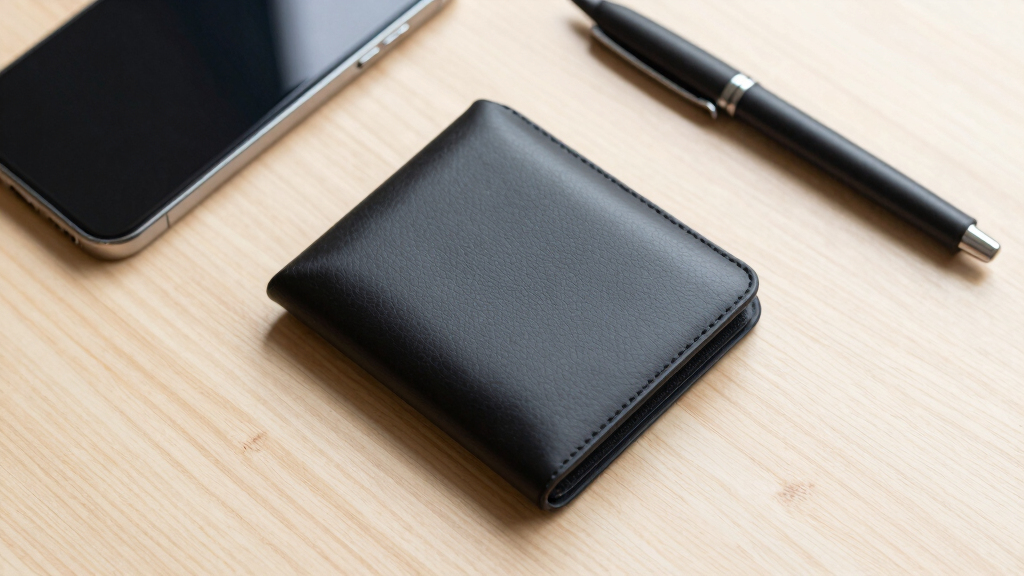
TL;DR

Get hardware and tech essentials delivered free with Prime
- Fast, free delivery on millions of items
- Prime Video, Amazon Music and more included
- Member-only deals all year
Cryptocurrency hardware wallets are physical devices that store private keys offline, offering top-tier security. Recent advances like biometric protection and open-source firmware make them more reliable and user-friendly, but proper handling remains key.
You’ve probably heard that storing your crypto safely is a huge challenge. But what if you could hold your private keys in a device that’s as secure as a bank vault? That’s what cryptocurrency hardware wallets do. They turn complex digital security into a tangible, easy-to-use device that keeps hackers, malware, and phishing scams at bay.
If you’re serious about protecting your digital wealth, understanding these devices isn’t just for tech geeks. It’s crucial knowledge for anyone navigating the unpredictable world of crypto investments. Here’s what you need to know about hardware wallets—what makes them secure, how they’ve evolved, and how to choose the right one.
Always buy hardware wallets directly from manufacturers or trusted resellers.
Use a strong PIN and keep your recovery seed in a safe, offline location.
Regularly update your device’s firmware to patch security vulnerabilities.
Support for multiple cryptocurrencies is common, but check compatibility first.
Stay aware of recent features like biometric security and open-source firmware for added trustworthiness.
What Makes a Hardware Wallet Truly Secure?
Think of a hardware wallet as a safe for your private keys. These tiny devices—like Ledger Nano X or Trezor Model T—keep your keys offline, away from internet threats. They use secure elements, similar to the chips in your credit card, to store sensitive data.
Features like PIN protection, passphrases, and recovery seeds act as multiple locks on that safe. For example, even if your wallet is stolen, a PIN prevents unauthorized access. The recovery seed—a string of 12 to 24 words—serves as a master key to restore your assets if the device breaks or is lost.
Regular firmware updates patch security flaws, much like software updates on your phone. This process is crucial because it addresses vulnerabilities that hackers may exploit over time. However, the effectiveness of these updates depends on the manufacturer’s commitment to security and your diligence in applying them. Beware—if you buy a tampered device, hackers could have pre-installed malware or backdoors, which can compromise all your stored assets. Always buy directly from trusted sources to ensure the device’s integrity and avoid supply chain risks, as counterfeit or compromised hardware can undermine your entire security setup.
As an affiliate, we earn on qualifying purchases.
How to Pick the Right Hardware Wallet in 3 Easy Steps
- Assess your needs: Consider the range of cryptocurrencies you hold or plan to hold. If you manage multiple coins, support for a broad array of tokens becomes essential. Also, think about mobility—do you need a device with wireless connectivity like Bluetooth, or is a wired connection sufficient? Your choice impacts convenience and security, as wireless connections can introduce additional vulnerabilities if not properly secured.
- Compare features: Look beyond price. Evaluate supported coins, security measures (like biometric authentication), user interface design, and firmware update policies. For instance, a device with biometric security offers an extra layer of protection but might be more complex to use. Consider tradeoffs: more features often mean a steeper learning curve or higher cost, so prioritize what aligns with your security needs and technical comfort.
- Buy from trusted sources: Always purchase directly from the manufacturer or authorized resellers. Counterfeit or tampered devices pose significant risks—they may contain malware, pre-installed backdoors, or hardware vulnerabilities that compromise your assets. This step is critical because even the most secure device can be rendered useless if it’s compromised before you start using it.
For example, if you hold Bitcoin, Ethereum, and various altcoins, choosing a device supporting multiple cryptocurrencies like Ledger Nano X can save you from managing multiple wallets. If simplicity is your priority, the Trezor One offers a straightforward experience. Remember, the security of your assets ultimately depends on how well you understand and implement your security practices, regardless of the device you choose.
Trezor Model T cryptocurrency wallet
As an affiliate, we earn on qualifying purchases.
As an affiliate, we earn on qualifying purchases.
Comparing Top Hardware Wallets: Which One Fits You?
| Feature | Ledger Nano S | Trezor One | Ledger Nano X |
|---|---|---|---|
| Supported Coins | 1000+ | 1000+ | 1000+ |
| Connectivity | USB | USB | Bluetooth + USB |
| Price | $59 | $69 | $119 |
| Ease of Use | Simple | Very simple | More features, slightly complex |
Choosing between these depends on your needs. For instance, if you want wireless convenience, Nano X is your pick, but it may come with a slightly higher security risk due to Bluetooth connectivity. If you prefer a straightforward, wired-only device, Nano S or Trezor One might be more appropriate. Consider how each feature aligns with your security preferences and usability requirements, as sacrificing simplicity for extra features can sometimes introduce new vulnerabilities or user errors.
As an affiliate, we earn on qualifying purchases.
What’s New in Hardware Wallets? 4 Exciting Trends
Hardware wallets are evolving rapidly to meet the growing demands for security and convenience. Recent innovations include biometric security features—like fingerprint scanners—that add an extra layer of protection. These biometric methods are designed to prevent unauthorized access even if someone physically steals your device, but they also introduce potential vulnerabilities if the biometric data is compromised or if the hardware isn’t properly secured against spoofing.
Integration with DeFi platforms and decentralized applications transforms these wallets from simple storage devices into multifunctional financial tools. This expansion enables users to stake, swap, or lend assets directly from their hardware wallets, reducing reliance on third-party exchanges and decreasing exposure to exchange hacks. However, these added functionalities can increase the attack surface, so understanding the security implications of each feature is vital.
Wireless connectivity, especially Bluetooth, enhances usability by allowing mobile interactions, but it also raises security concerns. Devices with strong encryption and security protocols are essential to prevent eavesdropping or man-in-the-middle attacks. Open-source firmware on models like Trezor allows independent experts to review and verify security claims, fostering transparency and trust. These reviews can reveal potential vulnerabilities or backdoors, making open-source firmware a critical factor in assessing a device’s security posture.
Finally, support for multiple currencies and the ability to manage multiple devices from a single interface offer diversification and convenience. These features enable comprehensive asset management, but they also require careful configuration and understanding to avoid accidental exposure or mismanagement, which could compromise your security.
multi-cryptocurrency hardware wallet
As an affiliate, we earn on qualifying purchases.
As an affiliate, we earn on qualifying purchases.
Handling Risks: Can Hardware Wallets Be Hacked?
Hardware wallets are extremely secure, but understanding their vulnerabilities is essential for truly safeguarding your assets. Physical attacks, such as supply chain tampering—where malicious actors pre-install malware or hardware backdoors during manufacturing—pose a significant threat. This is why purchasing directly from the manufacturer or authorized resellers is critical; it reduces the risk of receiving a compromised device. Additionally, phishing scams can trick users into revealing sensitive information or installing malicious software that mimics hardware wallet interfaces, leading to credential theft or malware infection.
Even with robust hardware security, user errors can introduce vulnerabilities. Sharing your recovery seed, losing access to it, or falling for phishing links can lead to loss of control over your assets. Treat your seed like a secret treasure map—store it securely offline, in a safe location, and never share it with anyone. Remember, your security is only as strong as your weakest link—be it device integrity or your own vigilance.
Recent reports indicate that approximately 20% of crypto thefts involve user mistakes or supply chain compromises rather than inherent flaws in the hardware itself. This underscores the importance of not only choosing secure devices but also maintaining cautious habits, such as verifying device authenticity and practicing safe storage and handling procedures.
Frequently Asked Questions
Are hardware wallets completely foolproof?
While hardware wallets are among the safest options for storing crypto, no device is entirely invulnerable. Proper use—like safeguarding your recovery seed and buying from trusted sources—is essential to maximize security.Can I use a hardware wallet for multiple cryptocurrencies?
Yes, most hardware wallets support a wide range of coins. However, compatibility varies, so check if your preferred cryptocurrencies are supported before buying.What should I do if I lose my hardware wallet?
Use your recovery seed to restore your assets on a new device. Keep this seed offline and secure—anyone with access can control your crypto.Is Bluetooth-enabled hardware wallet secure?
Bluetooth adds convenience but also introduces potential security risks. Choose devices with strong encryption and always keep firmware updated to protect against vulnerabilities.Should I buy a hardware wallet from an unofficial seller?
No. Always purchase directly from the manufacturer or authorized resellers. Counterfeit devices can contain malware or be tampered with, jeopardizing your assets.Conclusion
In a world where digital assets can vanish in a blink, a hardware wallet acts as your personal fortress. With ongoing innovations, they’re becoming more user-friendly and secure—yet your best defense remains careful handling and constant vigilance. Think of it as holding your treasure in a high-tech safe, but never forget to keep the key hidden.
Investing in a hardware wallet isn’t just about security; it’s about peace of mind. As you pick your device, remember: your assets are only as safe as your habits. Protect them wisely—and sleep easier at night.
Halloween Picks
halloween
As an affiliate, we earn on qualifying purchases.