
TL;DR

Get hardware and tech essentials delivered free with Prime
- Fast, free delivery on millions of items
- Prime Video, Amazon Music and more included
- Member-only deals all year
Hardware wallets store private keys offline, making them far safer than online options. Recent updates add biometric security and multi-asset support. They’re a smart choice for long-term crypto holders willing to invest upfront for peace of mind.
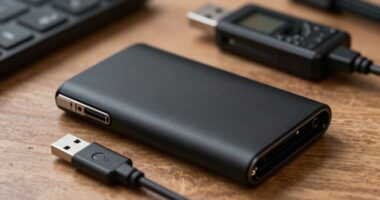
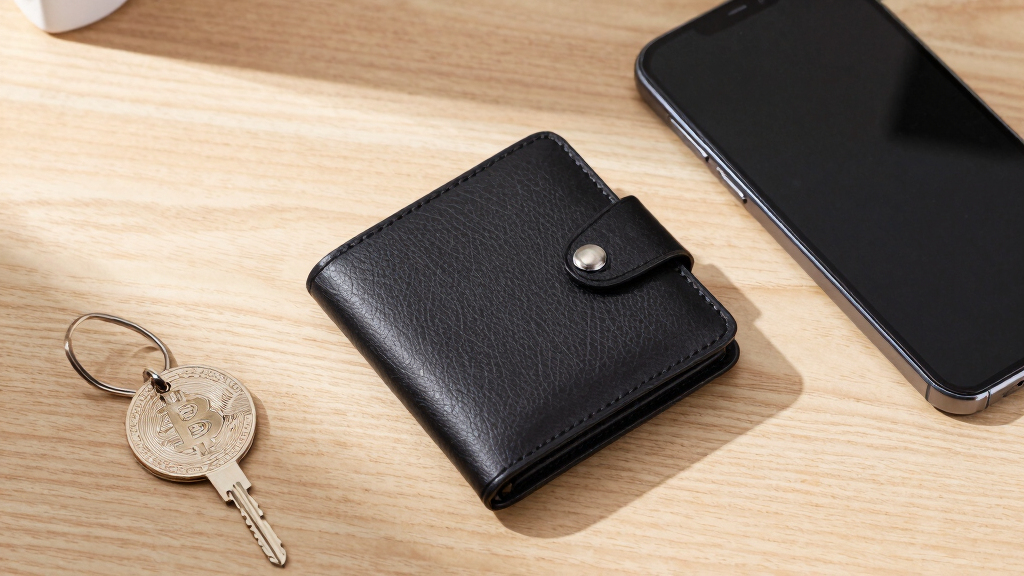
Imagine your digital assets sitting in a tiny, tamper-proof safe—completely offline, protected from hacking, malware, and phishing. That’s what a cryptocurrency hardware wallet does. It’s more than just a gadget; it’s a fortress for your crypto investments.
If you’ve ever worried about your crypto being stolen or lost, understanding hardware wallets could be a game-changer. This guide breaks down what makes them so secure, what to look for, and how recent tech advances are shaping their future.
A hardware wallet stores private keys offline, significantly reducing hacking risks.
Choose a device supporting your currencies, with features like biometric security and tamper resistance.
Seed phrases are crucial—store them offline in a safe place for effortless recovery.
Recent updates like wireless and multi-asset support make hardware wallets more versatile and user-friendly.
For long-term crypto storage, investing in a quality hardware wallet is often worth the cost.
Why Hardware Wallets Are Your Best Bet for Crypto Security
Hardware wallets are physical devices designed to keep your private keys offline. Unlike software wallets that store keys on a computer or app connected to the internet, hardware wallets generate and hold keys inside a secure chip. This makes hacking nearly impossible.
Picture this: You keep your crypto in a device that’s like a digital piggy bank, protected by a PIN and a tiny screen that confirms every transaction. Even if your computer gets infected with malware, your assets stay safe because the keys never leave the device.
For example, a Ledger Nano X costs around $120 but provides military-grade security with features like biometric access and tamper-proof hardware—worth every penny for serious investors.
Understanding this core security advantage is crucial because it addresses the fundamental vulnerability of online wallets—exposure to hacking. By isolating private keys completely, hardware wallets reduce the attack surface significantly. This approach makes them the preferred choice for safeguarding large or long-term holdings, where security outweighs convenience.
Products Worth Considering

Sony WH-1000XM4C Wireless Noise-Cancelling Headphones, Black

Apple AirPods Pro 3 Wireless Earbuds with Active Noise Cancellation

LG 34GX90SA-W 34-inch Ultragear WQHD OLED Curved Gaming Monitor
As an affiliate, we earn on qualifying purchases.
How To Pick the Perfect Hardware Wallet in 3 Easy Steps
- Check Compatibility: Ensure it supports your favorite cryptocurrencies—Bitcoin, Ethereum, or ERC-20 tokens. Some wallets handle dozens of coins, others just a few. Compatibility matters because switching devices later can be cumbersome, and missing support for certain assets could limit your portfolio management options.
- Look for Security Features: Biometric authentication, tamper-resistant hardware, and open-source code are big pluses. These features add layers of protection—biometrics make unauthorized access harder, tamper resistance deters physical attacks, and open-source code allows community vetting for vulnerabilities, increasing trustworthiness.
- Consider Ease of Use & Cost: Smaller screens and user-friendly apps matter. Prices range from $50 to $200, reflecting features and brand reputation. Investing in a user-friendly device reduces the risk of setup errors, which can compromise security. Balancing cost with features ensures you get a device that fits your needs without overspending or sacrificing usability.
For instance, if you’re managing a diverse portfolio, a Ledger Nano X with Bluetooth might suit you best because it combines broad asset support with convenience for on-the-go use. Conversely, if you prefer simplicity, the Trezor One offers straightforward functionality at a lower price point, making it ideal for beginners who want reliable security without complexity.
Latest Features Making Hardware Wallets Smarter and Safer
| Feature | Details |
|---|---|
| Biometric Security | Fingerprint or facial recognition for quick, secure access. This feature enhances security by ensuring only authorized users can access the device, reducing risks of theft or unauthorized use, especially if the device is lost or stolen. |
| Wireless Connectivity | Bluetooth support for mobile use, like Ledger Nano X—convenience with some added risks. Wireless features enable easier management of assets on-the-go but can introduce potential attack vectors if not properly secured. Always keep firmware updated to mitigate vulnerabilities. |
| Multi-Asset Support | Handles hundreds of tokens, including DeFi assets and NFTs. This versatility allows users to manage diverse portfolios from a single device, simplifying asset management and reducing the need for multiple wallets, which can increase security through consolidation. |
| Tamper-Proof Hardware | Built to resist physical attacks, with secure elements embedded. This hardware design aims to detect and prevent physical tampering, which is crucial for safeguarding against sophisticated attacks targeting the device itself. Investing in such hardware adds a significant layer of protection for high-value holdings. |
For example, the Ledger Nano X now supports over 1,800 different tokens, making it a Swiss Army knife for crypto enthusiasts. Meanwhile, biometric features add a fingerprint layer that’s quick and tough to bypass. These innovations collectively improve both usability and security, acknowledging that users demand both convenience and robust protection in a single device.
What to Do When Your Hardware Wallet Gets Lost or Damaged
Lost your device? Don’t panic—your crypto isn’t gone. Every hardware wallet comes with a seed phrase, usually 12 or 24 words, that acts as a master key to restore your assets.
Imagine losing your wallet in a park or accidentally dropping it in the sink. As long as you have that seed phrase stored securely—offline and away from prying eyes—you can restore your wallet on a new device. This seed phrase is essentially your backup plan, and its importance cannot be overstated. Without it, recovery becomes nearly impossible, especially if the device itself is damaged or lost.
For example, many users keep their seed phrases in a safe deposit box or a secure offline location. When needed, they input the phrase into a new hardware wallet, and all their crypto is restored—easy and safe. Properly storing and safeguarding this seed phrase is critical because anyone with access to it can control your assets, making secure storage paramount.
Are Hardware Wallets Still Worth It in a World of Hot Wallets and Exchanges?
Absolutely. Hot wallets and exchanges are convenient—perfect for quick trades and small amounts. But they’re prime targets for hackers. Hardware wallets, by keeping your private keys offline, drastically cut that risk.
Imagine leaving your valuables in a safe at home versus carrying cash in your pocket. The safe offers peace of mind, especially for holding large sums over time. While hot wallets are useful for day-to-day trading, they inherently carry higher risks because they are connected to the internet, which is a common attack vector. Hardware wallets, on the other hand, isolate your keys from online threats, making them the best long-term storage solution for significant holdings.
For example, during the 2022 crypto hack wave, many exchanges lost billions due to breaches, while individual users with hardware wallets preserved their assets. This stark contrast highlights the importance of using the right storage method based on your security needs. The tradeoff is clear: convenience for quick access versus long-term security for substantial assets. Investing in a hardware wallet is a proactive step towards safeguarding your wealth against evolving cyber threats.
Frequently Asked Questions
Are hardware wallets completely secure?
Hardware wallets are among the safest options, but no device is completely invulnerable. Proper handling, secure seed phrase storage, and regular updates are essential for maximum security.
How do I set up and start using a hardware wallet?
Setup involves initializing the device, creating a seed phrase, and installing companion apps. Follow the manufacturer’s instructions carefully, and never share your seed phrase with anyone.
Can I manage multiple cryptocurrencies on one device?
Yes, most hardware wallets support multiple coins and tokens, including popular options like Bitcoin, Ethereum, and ERC-20 tokens. Compatibility varies, so check your chosen device’s supported assets.
What if I lose my hardware wallet—can I recover my crypto?
Absolutely. Using your seed phrase, you can restore your wallet on a new device. Just keep that phrase safe; it’s your backup for everything.
Are hardware wallets worth the investment?
For holding significant crypto over the long term, they’re generally worth the cost. They offer peace of mind that your assets are protected from hacking and theft.
Conclusion
If you’re serious about protecting your crypto, a hardware wallet is a must-have. It’s like giving your digital assets a high-tech safe—robust, reliable, and ready for the long haul.
Remember, no device is invincible. Handle your seed phrase with care, keep your firmware up to date, and choose a reputable brand. That’s your best shot at turning your crypto holdings into a fortress.