📊 Full opportunity report: Food Trend Monitor: Lahori Zeera’s Surging Global Coverage on IdeaNavigator AI — validation score, market gap, and execution plan.

Get hardware and tech essentials delivered free with Prime
- Fast, free delivery on millions of items
- Prime Video, Amazon Music and more included
- Member-only deals all year
TL;DR
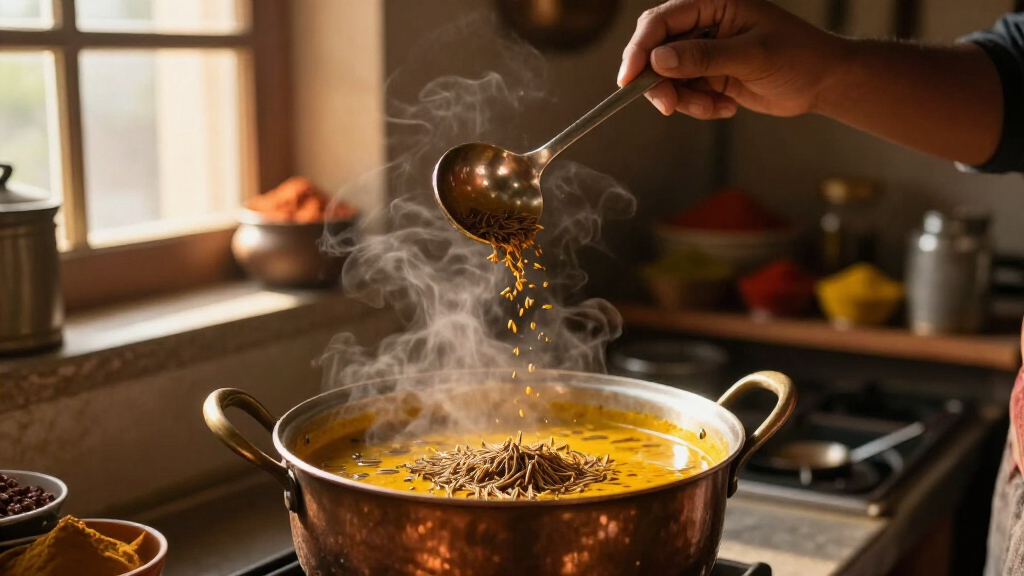
Lahori Zeera, a South Asian spice blend, has surged in global media coverage, according to a signal monitor from IdeaNavigator AI. The monitor, designed for product and marketing leads at food and beverage brands, flagged the trend with a signal strength of 88/100. This early detection could help brands act on emerging food trends before they peak.
Lahori Zeera, a South Asian spice blend traditionally used in street foods like chaat, has surged in global media coverage, according to a new signal monitor from IdeaNavigator AI. The monitor, which tracks food trends, launches, and recalls across news, forums, and filings, flagged the trend with a signal strength of 88/100, indicating unusually high and rapid growth in mentions. For product and marketing leads at food and beverage brands, this early signal could represent a narrow window to act on an emerging flavor trend before it peaks.
Lahori Zeera, named after the Pakistani city of Lahore, is a tangy spice mix typically combining cumin, black salt, dried mango powder, and chili. It is a staple in chaat, fruit salads, and other savory snacks across South Asia. The recent surge in global coverage suggests growing interest beyond traditional markets, potentially driven by food influencers, restaurant menus, or packaged snack innovations.
The signal monitor from IdeaNavigator AI is designed to address a specific problem: food trends, launches, and recalls are scattered across news outlets, forums, and regulatory filings, with no filter for what actually affects a product or marketing lead’s work. The monitor watches feeds like GDELT and similar sources, filters items by relevance to food and beverage professionals, and converts each development into a concise brief covering what changed, why it matters, and what to do.
According to IdeaNavigator AI, the monitor is intended as a same-day, role-filtered read that beats waiting for a generic weekly roundup. The company proposes a subscription model for product and marketing leads who need early, actionable intelligence on food trends, launches, and recalls.
Why Early Trend Detection Matters for Food Brands
The significance of this development lies in the speed of food trend cycles. A flavor like Lahori Zeera can move from niche regional use to global menu items or retail products within months. Brands that catch the signal early can prototype products, negotiate supply chains, and position marketing campaigns ahead of competitors. Conversely, brands that wait for a trend to appear in mainstream retail data often miss the peak.
The signal monitor’s approach is to filter by role, so a product lead sees formulation-relevant trends while a marketing lead sees consumer-facing angles. This reduces noise and increases the likelihood that a trend like Lahori Zeera translates into a concrete decision, such as a new SKU or a social media campaign.
IdeaNavigator AI notes that the opportunity is validated by hand-delivering briefs to five matching professionals and measuring whether any of them changes a decision or forwards the information to a colleague. This practical validation step underscores the intent to move from raw data to business impact.
Products Worth Considering

Samsung 27-inch Odyssey OLED G6 QD-OLED QHD Gaming Monitor

Sonos Era 100 Wireless Smart Speaker, Black

Jackery Solar Generator 1000 V2 with 200W Solar Panel
As an affiliate, we earn on qualifying purchases.
How Food Trend Monitoring Has Evolved
Food trend monitoring has traditionally relied on annual reports, trade shows, and sales data, which lag behind consumer interest. In recent years, social media listening and news aggregation have shortened that lag, but they often produce overwhelming volumes of data without clear prioritization.
Spice blends have a history of crossing over from regional to global popularity. Examples include za’atar, harissa, and gochujang, each of which gained traction through a combination of diaspora communities, restaurant adoption, and packaged food innovation. Lahori Zeera could follow a similar path, especially as South Asian cuisine continues to gain international recognition.
The GDELT project, referenced by IdeaNavigator AI, is a global database of news and broadcast coverage that provides real-time event and trend data. Using such feeds allows the monitor to detect surges like the one for Lahori Zeera within days, rather than weeks.
What Remains Unclear About the Trend
While the surge in coverage is confirmed by the signal monitor, several questions remain. First, it is not yet clear whether the coverage reflects genuine consumer demand or is driven by a limited number of viral posts or articles. Media mentions do not always translate into sales.
Second, the geographic distribution of the coverage is unknown. If the surge is concentrated in South Asian diaspora media rather than mainstream Western outlets, the commercial opportunity for global brands may be smaller.
Finally, the durability of the trend is unproven. Many food trends spike and fade within months. Whether Lahori Zeera becomes a lasting flavor or a passing novelty will depend on adoption by major retailers and restaurant chains.
Validation and Next Steps for the Monitor
IdeaNavigator AI plans to validate the monitor by hand-delivering the Lahori Zeera brief, along with two other food trend items, to five product or marketing leads at food and beverage brands this week. The goal is to measure whether any recipient changes a decision or forwards the brief to a colleague.
If validation succeeds, the next step would be to scale the monitor into a subscription service, offering daily or real-time alerts tailored to individual roles. For brands, the immediate takeaway is to monitor the Lahori Zeera trend themselves, test consumer interest, and evaluate whether it fits their portfolio.
As the trend develops, additional data on retail sales, restaurant menu mentions, and social media engagement will clarify whether Lahori Zeera is a viable product opportunity or a short-lived media blip.
Key Questions
What is Lahori Zeera?
Lahori Zeera is a tangy spice blend from Lahore, Pakistan, typically made with cumin, black salt, dried mango powder, chili, and other spices. It is commonly used in chaat, fruit salads, and savory snacks across South Asia.
How does the IdeaNavigator AI signal monitor work?
The monitor watches global news and data feeds like GDELT for food trends, launches, and recalls. It filters items by relevance to product or marketing leads at food and beverage brands and generates briefs summarizing what changed, why it matters, and what to do.
Is the surge in Lahori Zeera coverage a reliable indicator of consumer demand?
Not necessarily. Media coverage can spike without corresponding sales. The signal monitor flags early interest, but brands should validate with consumer research and retail data before investing in product development.
How can a food brand act on this trend?
Brands can test Lahori Zeera in limited-edition products, collaborate with South Asian chefs or influencers, and monitor social media sentiment. Early prototyping and small-batch launches can gauge interest with minimal risk.
What are the risks of chasing a food trend like this?
Trends can fade quickly, and supply chain or formulation challenges may arise. Brands should weigh the cost of development against the potential window of demand and avoid overcommitting until the trend shows sustained growth.
Source: IdeaNavigator AI