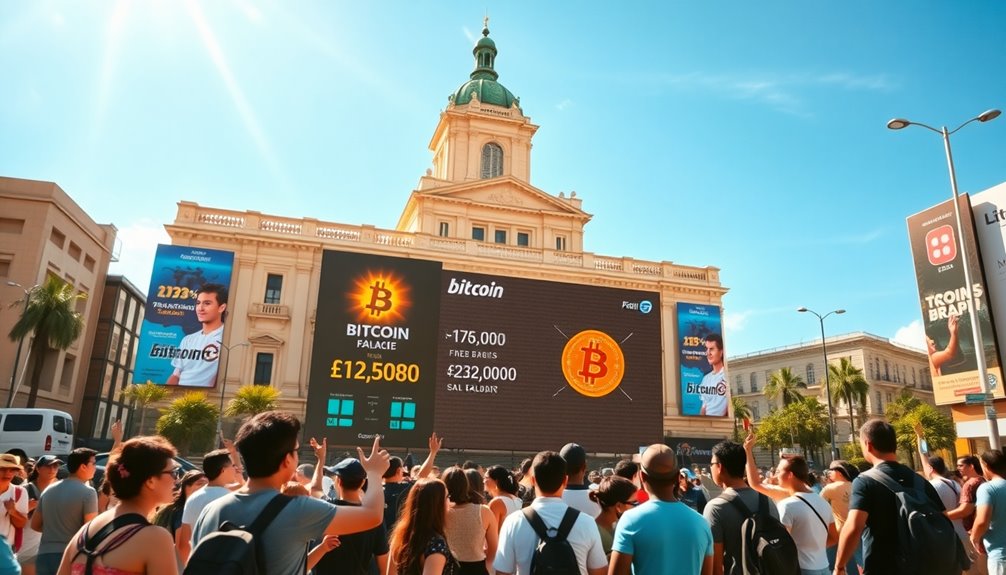

El Salvador's decision to fast-track its Digital Assets Issuance Law is a strategic move in response to the IMF's financial stability concerns. By doing so, the country aims to establish a regulated environment for Bitcoin and other digital assets. This shift not only addresses pressing financial issues but also opens doors for innovation. What implications could this have for the global cryptocurrency landscape? The answer might surprise you.

Get hardware and tech essentials delivered free — and shop member deals
- Fast, free delivery on millions of items
- Access to Prime Big Deal Days deals on October 6–7
- Prime Video, Amazon Music and more included
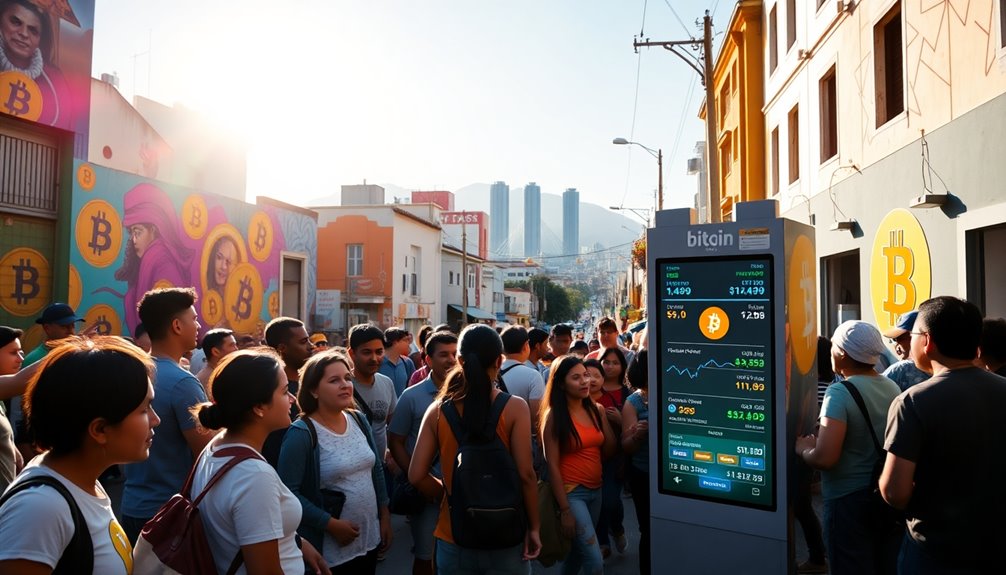
When El Salvador passed its groundbreaking Bitcoin Law on June 8, 2021, it became the first country in the world to recognize Bitcoin as legal tender. This pivotal moment aimed to increase financial inclusion and reduce remittance fees, especially for the 70% of Salvadorans without bank accounts. By September 7, 2021, Bitcoin was officially in circulation alongside the US dollar, creating a dual currency system that sparked global interest.
The government introduced the Chivo wallet to facilitate Bitcoin transactions, but initial technical issues marred its launch due to overwhelming demand. Despite this rocky start, many Salvadorans quickly adopted Bitcoin, with more people holding wallets than having traditional bank accounts by October 2021.
Still, businesses were slow to embrace Bitcoin payments, even as consumer enthusiasm grew. You might wonder how this unique approach would impact the economy, and the government hoped that Bitcoin would attract investment and stimulate growth. However, the volatility of Bitcoin led to significant challenges, and the IMF aimed to support El Salvador's reform agenda resulted in protests and financial losses for the government, raising concerns about the sustainability of this bold initiative. Public perception was mixed, with excitement tempered by apprehension regarding Bitcoin's role in the economy. The International Monetary Fund (IMF) expressed worries about financial stability, pushing El Salvador to reconsider its approach to Bitcoin.
In response to these concerns, El Salvador fast-tracked reforms to align with the IMF's requirements. By January 2023, the Digital Assets Issuance Law (LEAD) was introduced, allowing the tokenization of real-world assets, thereby creating a more structured regulatory framework. This framework established guidelines for Bitcoin and other digital assets, addressing the IMF's demand for stability.
In August 2024, further reforms were implemented, including new anti-money laundering measures. These developments reflect a balancing act between innovation and regulatory oversight, as El Salvador navigated its unique position in the global financial landscape.
Your understanding of Bitcoin's implications in El Salvador is crucial, as the country's decisions may influence perceptions of cryptocurrency adoption worldwide. Ultimately, while the Bitcoin Law sparked excitement and potential for growth, the challenges faced by El Salvador highlight the complexities of integrating a digital currency into the mainstream economy.
As the nation forges ahead, its journey serves as a critical case study for other countries considering similar paths.
Fall Picks
fall essentials
As an affiliate, we earn on qualifying purchases.