
TL;DR

Get hardware and tech essentials delivered free — and shop member deals
- Fast, free delivery on millions of items
- Access to Prime Big Deal Days deals on October 6–7
- Prime Video, Amazon Music and more included
Hardware wallets store your private keys offline, making them highly secure against hacking. Recent innovations include biometric security, DeFi support, and Bluetooth connectivity, but choosing the right device depends on your needs and assets.
Imagine your crypto assets locked inside a vault, safe from hackers lurking online. That’s exactly what a hardware wallet offers: a physical device designed to keep your private keys secure and offline. As cryptocurrencies grow more valuable, so does the need for bulletproof security. This guide will show you what makes hardware wallets a game-changer, recent innovations boosting their power, and how to pick the perfect device for your portfolio.
Whether you’re holding a few Bitcoin or managing multiple altcoins, understanding hardware wallets is key. They’re not just a gadget; they’re an investment in peace of mind. Let’s unpack what’s new, what to look for, and how to use these tiny security fortresses effectively.
Hardware wallets keep private keys offline, making them far safer than hot wallets for long-term storage.
Choose a device based on your cryptocurrencies, desired security features, and convenience—there’s no one-size-fits-all.
Recent trends like biometric security and DeFi support boost functionality, but weigh these against potential risks.
Always buy directly from trusted sources and store recovery seeds securely offline.
While highly secure, hardware wallets aren’t invincible—physical theft and user error remain risks.
Why Hardware Wallets Are the Best Shield for Your Crypto
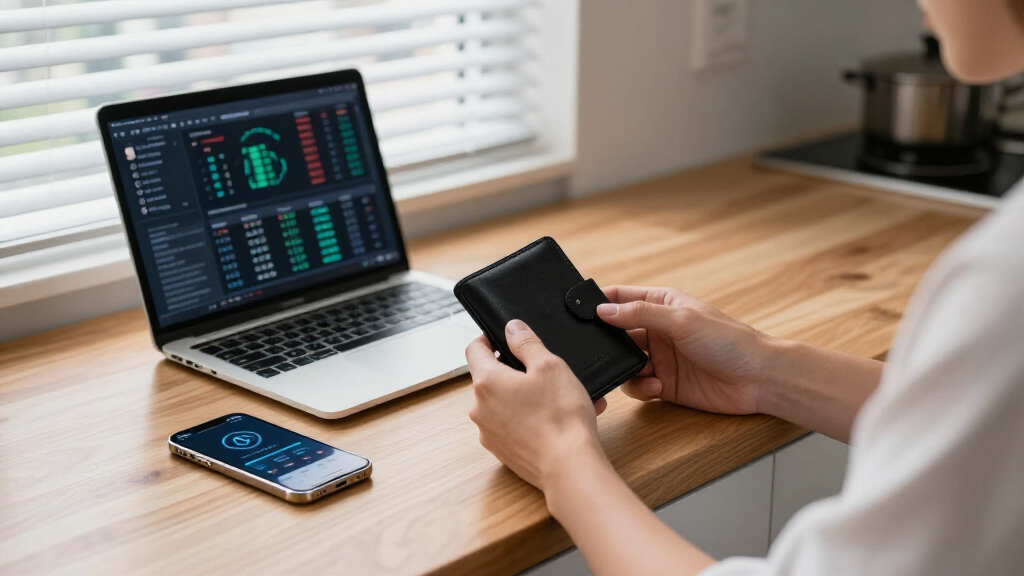
Hardware wallets are physical devices designed to securely store private keys offline. Think of them as a high-tech safe, immune to online threats. Unlike hot wallets, which stay connected to the internet, hardware wallets keep your keys tucked away, away from malware, phishing, and hacking attempts.
For example, if you’re holding over $10,000 in Bitcoin, a hardware wallet drastically reduces the chance of losing everything to a cyberattack. They’re especially vital during market surges—when your holdings become tempting targets for hackers. According to recent reports, 95% of crypto hacks target online wallets, underscoring how crucial offline storage is.
Imagine you’re at a coffee shop, managing your crypto via a laptop. A hacker could slip malicious code into your device. But if your private keys live inside a hardware wallet, they’re never exposed. That’s why many experts consider hardware wallets the gold standard for long-term holdings.
Beyond the basic protection, hardware wallets act as a physical barrier—if an attacker physically steals your device, they still need your PIN or passphrase to access your funds. This layered defense makes it much harder for cybercriminals to succeed, especially when combined with good security practices like secure seed storage and firmware updates.
hardware wallet for cryptocurrency
As an affiliate, we earn on qualifying purchases.
As an affiliate, we earn on qualifying purchases.
What Makes a Hardware Wallet Secure? The Features That Matter
A hardware wallet’s security hinges on several features working together, each addressing different threat vectors and user vulnerabilities. First, offline storage means your private keys never touch internet-connected devices, reducing exposure to remote hacking attempts. This is a fundamental tradeoff—keeping keys offline limits convenience but vastly improves security.
Second, PIN and passphrase protection serve as critical barriers against physical theft. They prevent unauthorized access even if someone physically steals your device. A well-designed PIN system can deter casual thefts, but combining it with a passphrase—an additional secret known only to you—creates a layered security model that reduces the risk of brute-force attacks.
Third, a recovery seed—usually 12 to 24 words—acts as a master backup. Its importance cannot be overstated: if your device is lost, damaged, or stolen, this seed allows you to restore access to your funds. The tradeoff is that the seed must be stored securely offline; if compromised, it’s a potential vulnerability. Properly safeguarding it in a secure location ensures your assets remain recoverable while minimizing risks of theft or loss.
Many wallets incorporate tamper-resistant chips or tamper-evident designs. These features serve as physical deterrents, signaling if someone has attempted unauthorized access or physical tampering. For example, Ledger’s Secure Element chip resists side-channel attacks, which are sophisticated hacking techniques targeting hardware vulnerabilities. Such embedded security features make physical hacking attempts costly, risky, and less likely to succeed, reinforcing the importance of choosing devices with advanced security hardware.
Ultimately, the security of a hardware wallet is a combination of these features working in tandem—offline storage, layered authentication, physical tamper resistance, and secure seed management—each playing a vital role in creating a resilient defense system.
As an affiliate, we earn on qualifying purchases.
Which Hardware Wallets Are Leading the Pack Today?
Two brands dominate the scene: Ledger and Trezor. Each offers models packed with security and features, but they cater to different needs.
| Feature | Ledger Nano X | Trezor Model T |
|---|---|---|
| Price | $119 | $170 |
| Supported Cryptos | Over 1,800+ | Over 1,600+ |
| Connectivity | Bluetooth, USB | USB, MicroSD |
| Security Features | Secure Element, biometric option | Open-source firmware, PIN & passphrase |
Ledger’s Nano X offers wireless convenience, perfect if you’re on the go. Trezor’s Model T leans into transparency with open-source firmware and a color touchscreen for easy navigation. Both devices protect your private keys with top-tier security, but your choice depends on your preferred features and budget.
Choosing between these two often comes down to your specific needs: if you value wireless connectivity and a broader crypto support, Ledger Nano X might be ideal. If transparency, open-source code, and a user-friendly interface matter more, Trezor Model T could be your best fit. Both are industry leaders, and your decision should consider your security priorities, ease of use, and the types of assets you’re managing.
As an affiliate, we earn on qualifying purchases.
What’s New? The Latest Trends in Hardware Wallets
Hardware wallets keep evolving fast. Recent upgrades include biometric authentication, like fingerprint sensors, adding a new layer of security. This feature allows you to unlock your device quickly and securely, reducing reliance on PINs, which can be guessed or observed. The tradeoff is that biometric data, if stored insecurely, could be compromised, so it’s essential to choose devices with secure biometric implementations.
Integration with DeFi and NFTs is another big step. Some wallets now let you manage not just Bitcoin or Ethereum, but also your decentralized finance assets and digital art pieces. This integration simplifies managing diverse assets in one place, reducing the need for multiple wallets or platforms, but it also introduces new attack vectors—such as vulnerabilities in DeFi protocols or NFT marketplaces. Users should weigh convenience against potential security risks and stay informed about platform updates.
Wireless connectivity, especially Bluetooth, is gaining ground. Devices like Ledger Nano X let you manage your assets via mobile, making crypto handling more flexible. However, enabling wireless features introduces additional attack surfaces—such as Bluetooth hacking or malware on mobile devices—so users must ensure their devices and apps are updated regularly. The trend toward wireless connectivity enhances usability but demands heightened security vigilance.
Open-source firmware is also on the rise, inviting community audits and building trust. Transparent code allows security researchers and users to verify the integrity of the firmware, reducing the risk of hidden backdoors or malicious code. This trend signifies a shift toward greater accountability and user empowerment in the crypto hardware space, encouraging developers to continuously improve security features and fix vulnerabilities proactively.
As an affiliate, we earn on qualifying purchases.
How to Pick the Perfect Hardware Wallet for Your Crypto Needs
Choosing the right hardware wallet isn’t just about price. It’s about matching features to your specific needs. Start by listing what cryptocurrencies you hold—some wallets support more coins than others.
Next, consider security features: do you want biometric options or open-source firmware? Do you prefer wireless convenience or wired connections? Understanding your priorities helps narrow down choices.
Here’s a quick step-by-step process:
- Identify which cryptocurrencies you hold or plan to hold.
- List essential features: multi-asset support, connectivity type, security level.
- Research compatible devices—check reviews and community feedback.
- Compare prices and warranty policies.
- Buy directly from reputable sources to avoid tampering.
For example, if you’re a mobile user with multiple coins, Ledger Nano X’s Bluetooth might appeal. If transparency and open firmware matter, Trezor’s Model T could be your pick.
Beyond features, consider the ecosystem and community support. Devices with active user communities and frequent firmware updates tend to be more secure and easier to troubleshoot, which is crucial for long-term security and usability.
Risks and How to Avoid Them When Using Hardware Wallets
No security is perfect. Physical theft is a real risk—keep your device in a safe place. Supply chain attacks are rare but possible; buy directly from trusted sources.
Never share your recovery seed with anyone. Imagine losing your wallet and someone else having your seed—your funds are gone. Store your seed in a secure, offline location, like a safe deposit box or a hidden safe at home.
Be cautious of phishing attempts. Never enter your seed or private keys on unknown websites or apps. Always verify you’re using official software and the device’s firmware.
Remember: if your device is lost or stolen, the recovery seed is your lifeline. Keep it protected, offline, and never digital. Regularly updating your device’s firmware and practicing good operational security—like verifying device authenticity and avoiding suspicious links—are critical to maintaining your security posture.
Frequently Asked Questions
Are hardware wallets really safe for long-term storage?
Yes, when used properly, hardware wallets provide one of the highest levels of security for crypto assets. They keep private keys offline, away from online threats, making hacking or malware nearly impossible. However, physical security and seed management are equally critical.
How complicated is setting up a hardware wallet?
It’s straightforward. Typically, you initialize the device, generate a recovery seed, and install the companion app or software. Most brands guide you step-by-step, and once set up, managing your assets becomes simple—just remember to keep your seed safe!
Can I use one hardware wallet for multiple cryptocurrencies?
Most modern hardware wallets support dozens, sometimes thousands, of tokens. Always verify compatibility before buying, especially for less common coins or tokens. This flexibility makes them versatile tools for diverse portfolios.
What should I do if I lose my hardware wallet?
Your recovery seed is the key. Use it to restore your assets on a new device. That’s why safeguarding the seed is as important as the device itself. Without it, your funds could be lost forever.
Are hardware wallets worth the investment?
If you hold significant amounts of crypto or plan to keep assets long-term, yes. They’re a small price for peace of mind, especially compared to the potential losses from hacks or scams targeting hot wallets.
Conclusion
Investing in a hardware wallet is like buying a sturdy, high-tech safe for your crypto treasures. It’s a step toward peace of mind in an unpredictable digital world. Stay informed about new features, keep your recovery seed safe, and choose a device that fits your needs. That’s your best shot at protecting what’s yours.
In a landscape full of threats, your best defense is knowledge and the right tools. Think of your hardware wallet as the digital equivalent of a vault—solid, dependable, and built to last. Ready to secure your crypto future? The choice is yours.
Fall Picks
fall essentials
As an affiliate, we earn on qualifying purchases.