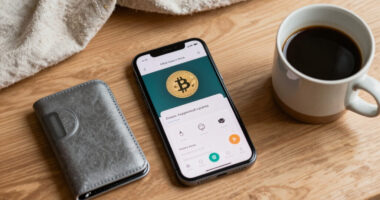

Balancing convenience and security in wallet management is often overlooked but essential. While quick access tools like biometric authentication make transactions faster, they can create vulnerabilities if compromised, and won’t be easy to change. Hardware wallets provide stronger protection but slow down your process. Relying solely on one method leaves you exposed. To truly safeguard your assets, you need to understand these trade-offs. Keep exploring to uncover smarter ways to manage your digital security effectively.

Get hardware and tech essentials delivered free with Prime
- Fast, free delivery on millions of items
- Prime Video, Amazon Music and more included
- Member-only deals all year
Key Takeaways
- Faster access methods like biometrics can create a false sense of security if biometric data is compromised.
- Hardware wallets provide strong security but sacrifice convenience, especially for quick transactions.
- Layering security measures balances ease of use with protection, reducing reliance on a single method.
- Overemphasizing convenience might lead to neglecting proper security practices, increasing vulnerability.
- Awareness of each method’s limitations ensures informed decisions in managing digital asset security.
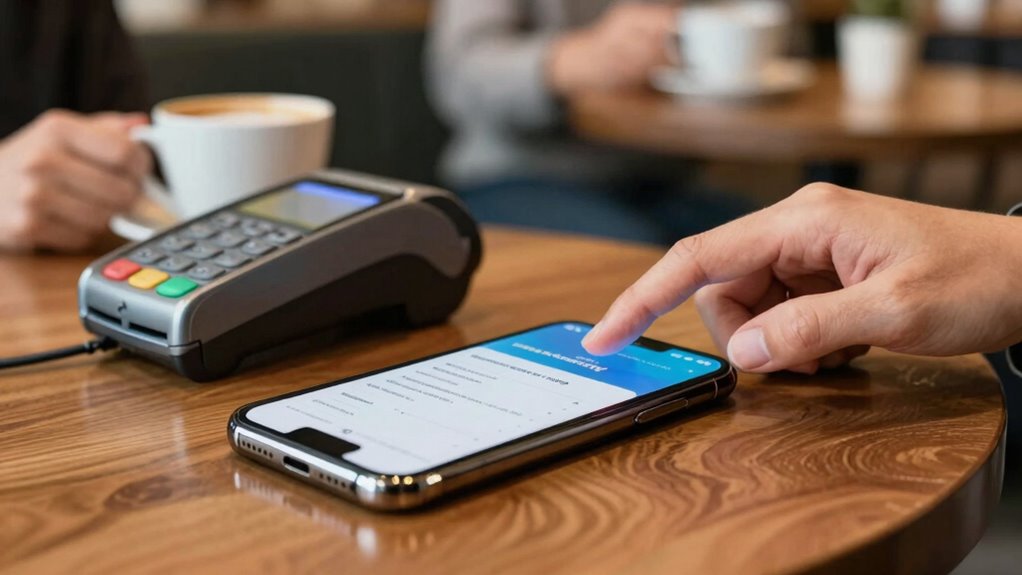
When it comes to managing your digital assets, there’s often a trade-off between convenience and security. You want quick access to your cryptocurrencies, but you also need to protect them from theft or hacking. This balance can be tricky, especially when deciding which security measures to adopt. Many people lean toward convenience, using methods like biometric authentication, which allows you to unlock wallets or apps with a fingerprint or facial recognition. Biometric authentication offers simplicity—just a glance or touch—and speeds up transactions. However, it might give a false sense of security, since biometric data, once compromised, can be difficult to change. You might find yourself tempted to use biometric security because it’s fast, but it’s essential to understand that it isn’t infallible.
Biometric security is quick and convenient but not foolproof—be aware of its limitations in protecting your digital assets.
On the other hand, hardware wallets are often considered one of the safest options for storing large amounts of crypto. These physical devices store your private keys offline, making them immune to online hacking attempts. Using a hardware wallet requires you to connect it to your device only when you need to access your funds, which adds a layer of security. Yet, this added security comes with a trade-off—less convenience. You can’t quickly make transactions or access your assets instantly; instead, you need to go through a process of plugging in the device, entering PINs, or confirming transactions manually. This extra step might seem inconvenient, especially in urgent situations. Additionally, understanding the security limitations of each method is crucial for making informed decisions about your crypto assets. The dilemma intensifies when you consider that biometric authentication can sometimes be integrated into hardware wallets, combining ease of access with security. However, relying solely on biometrics can expose you to risks if the biometric data is stolen or duplicated. Conversely, solely depending on hardware wallets for security might mean sacrificing the quick, effortless access you’re accustomed to with mobile or software wallets. Staying informed about the evolving landscape of digital asset security and security best practices is essential for effective management.
Ultimately, you’re faced with a choice: prioritize convenience by using faster, more user-friendly methods like biometric authentication, but remain aware of their limitations. Or, opt for the enhanced security of hardware wallets, accepting that it might slow your transactions down. The key is understanding that each approach has its pitfalls and benefits. The best strategy often involves a layered approach—using biometric authentication for everyday transactions and storing larger sums offline on hardware wallets. This way, you balance the need for quick access with the peace of mind that your assets are well protected. Recognizing these security trade-offs can help you make smarter decisions about safeguarding your digital assets.
As an affiliate, we earn on qualifying purchases.
Frequently Asked Questions
Can I Have Both Maximum Convenience and Top Security Simultaneously?
You can get close to both maximum convenience and top security by combining biometric authentication with a hardware wallet. Biometric methods like fingerprint or facial recognition make access quick and easy, while hardware wallets protect your funds by keeping private keys offline. Although it’s challenging to have both perfectly, using these tools together offers a strong balance—easy access without sacrificing essential security. Just remember to keep your recovery info safe.
What Are the Long-Term Risks of Prioritizing Convenience?
Prioritizing convenience may seem harmless, but it can expose you to long-term risks—like a 60% increase in successful hacking attempts when user habits favor quick access over security. If you ignore risk awareness, you might unknowingly weaken your defenses, making wallet breaches more likely over time. Relying on convenience alone risks losing valuable digital assets, so balancing ease with strong security practices is essential for long-term protection.
How Often Should I Update My Wallet Security Measures?
You should update your wallet security measures regularly, ideally every few months, to stay ahead of potential threats. Incorporate biometric authentication and guarantee device encryption is active, as these add extra layers of protection. Regular updates keep your security practices current, reducing vulnerabilities. Also, stay informed about new security features or threats, so you can adapt quickly and keep your wallet safe from hackers or unauthorized access.
Are There Any Tools That Simplify Security Without Reducing Convenience?
Think of security tools like your wallet’s guard dogs—loyal, yet needing training. Password managers simplify your security by storing complex passwords, so you don’t have to remember them. Biometric authentication offers quick, secure access without juggling codes. Using both, you get the best of both worlds—robust security without sacrificing convenience. Many apps now seamlessly integrate these features, making protection easier and more reliable than ever.
What Signs Indicate My Wallet Security Has Been Compromised?
If your wallet security is compromised, you’ll notice unusual activity like unauthorized transactions or alerts. Signs include unfamiliar charges, sudden access to your digital encryption keys, or alerts from your bank. Be alert for phishing scams, where attackers impersonate trusted entities. Regularly monitor your accounts, use strong passwords, and enable two-factor authentication to catch these signs early and protect your wallet from further threats.
As an affiliate, we earn on qualifying purchases.
Conclusion
As you stand at the crossroads of convenience and security, imagine each choice as a delicate balance beam. Lean too far toward ease, and your wallet becomes an open door; lean too far toward security, and you might find yourself locked out of quick access. The path you choose shapes your digital future—so tread carefully. Remember, safeguarding your assets is like planting roots deep in the ground; it takes patience, but it guarantees your financial garden stays protected amid life’s storms.
As an affiliate, we earn on qualifying purchases.
multi-factor authentication device
As an affiliate, we earn on qualifying purchases.
As an affiliate, we earn on qualifying purchases.
Halloween Picks
halloween
As an affiliate, we earn on qualifying purchases.