
TL;DR

Get hardware and tech essentials delivered free with Prime
- Fast, free delivery on millions of items
- Prime Video, Amazon Music and more included
- Member-only deals all year
Hardware wallets store private keys securely offline, signing transactions inside the device. They significantly reduce risk but aren’t foolproof—secure backups and cautious use matter most.
A hardware wallet stores your private keys offline, signing transactions inside the device—greatly reducing online attack risk.
Always generate your recovery phrase directly on the device and keep it offline—metal backups are best for durability.
Use a strong PIN and consider a passphrase for extra security—test your backup process to avoid being locked out.
Buy only from trusted sources, verify firmware updates, and beware of supply chain risks.
Don’t rely solely on the device’s screen; always verify transaction details carefully before signing.
What is a hardware wallet—and why it’s your crypto’s best friend
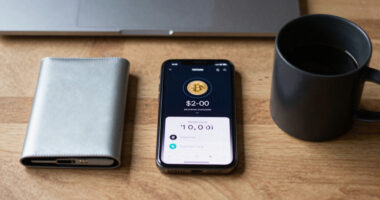
A hardware wallet is a dedicated device that stores your private keys offline, signing transactions without exposing those keys to internet-connected gadgets. Think of it as a high-tech safe for your digital assets—small, portable, and designed to keep hackers out. Unlike online wallets or exchanges, these devices keep your keys away from malware and phishing scams.
For example, if you own Bitcoin worth thousands, a hardware wallet like Ledger Nano X or Trezor keeps your private keys isolated. You can verify each transaction on the device’s screen—avoiding sneaky address swaps or malicious contracts. It’s like having a personal security guard that only signs off on what you approve.
hardware wallet for cryptocurrency
As an affiliate, we earn on qualifying purchases.
As an affiliate, we earn on qualifying purchases.
How hardware wallets actually keep your crypto safe
When you send crypto, your computer or phone prepares an unsigned transaction. The hardware wallet then steps in—displaying the transaction details on its screen. You check that the address, amount, and details look correct. Once you approve, the device signs the transaction internally, never revealing the private key.
This process is like signing a check with a pen—inside the device. The signed transaction then leaves the wallet, ready to broadcast. Because the key never leaves the device, hackers or malware on your PC can’t steal it. It’s a simple yet powerful idea: isolate and verify.
Understanding this core process emphasizes why hardware wallets are so effective: they isolate critical cryptographic operations from potentially compromised computers. This separation reduces the attack surface significantly, but it also means that the security depends heavily on secure setup, firmware integrity, and user vigilance. If the device is compromised during manufacturing or supply chain, or if someone tricks you into approving malicious transactions, the safeguards can be bypassed. So, while the internal signing process is robust, the overall security hinges on careful handling and awareness of potential vulnerabilities.
As an affiliate, we earn on qualifying purchases.
Recovery phrases and backup options—what you need to know
Most hardware wallets generate a 12- or 24-word recovery phrase, based on the BIP-39 standard. This phrase is the master key to restoring your wallet if the device is lost or damaged. But here’s the catch: if someone gains access to this phrase, they can control your assets—no device needed.
Imagine losing your wallet in a fire or having it stolen. If you have the recovery phrase stored safely offline, you can recover your crypto on a new device, ensuring your assets are not lost forever. Conversely, if this phrase is stored insecurely—say, in a cloud note or a photo—it’s vulnerable to theft. The phrase’s importance is absolute; it’s the single point of failure for your entire wallet’s security. Therefore, understanding the tradeoff is critical: convenience versus security. The more accessible the backup, the higher the risk if it falls into the wrong hands.
Advanced backup methods like Shamir’s Secret Sharing split the recovery phrase into multiple parts, requiring cooperation among trusted parties to reconstruct. This reduces the risk of a single compromised point, but increases complexity. MicroSD backups or encrypted cloud solutions offer additional options, each with their own pros and cons. The key is to balance ease of recovery with robust security practices, always storing backup information offline in a secure, tamper-proof manner.
As an affiliate, we earn on qualifying purchases.
The passphrase feature—why it’s both a shield and a risk
A passphrase is like a 25th word added to your recovery phrase, creating a separate, additional layer of security—effectively generating a different wallet. When used correctly, it acts as a powerful shield, ensuring that even if someone obtains your recovery phrase, they cannot access your assets without knowing the passphrase. This adds a significant barrier, especially in scenarios where the phrase might be exposed or stolen.
However, the flip side is that forgetting the passphrase means losing access forever. Unlike a recovery phrase, there’s no way to reset or recover a forgotten passphrase—it’s cryptographically tied to the wallet. This makes managing it critically important: it must be stored securely and memorized or recorded in a safe location. If you decide to use a passphrase, consider it part of your core security protocol, and treat it with the same level of caution as your recovery phrase. The tradeoff is clear: enhanced security versus increased risk of permanent access loss if mishandled.
For example, some users choose memorable but complex passphrases—like a unique phrase or sentence—that they store securely offline. This approach provides robust protection but requires disciplined management to prevent accidental lockout, which could be disastrous if it happens during a critical transaction or after a device failure.
As an affiliate, we earn on qualifying purchases.
Frequently Asked Questions
What is a hardware wallet, and where is the cryptocurrency actually stored?
A hardware wallet is a dedicated device that stores your private keys offline. Your actual cryptocurrencies stay on the blockchain; the wallet just keeps the keys that control access to them.Is a hardware wallet safer than keeping crypto on an exchange?
Yes, generally. Hardware wallets keep your keys out of reach from online threats, giving you full control. But they require disciplined security practices, unlike the convenience of exchanges.Can a hardware wallet be hacked?
While designed to resist hacking, they’re not invincible. Firmware flaws, physical theft, or supply chain tampering can pose risks—always buy from trusted sources and keep software up to date.What happens if the device is lost, stolen, or breaks?
If you have your recovery phrase stored securely offline, you can restore your wallet elsewhere. Without it, your assets could be lost forever—so backups are non-negotiable.Conclusion
A hardware wallet is a powerful tool for controlling your crypto, but it’s only as good as your backup habits and vigilance. Think of it as your personal vault—trust but verify. With careful handling, it turns a tiny device into a fortress for your digital wealth. Are you ready to take control and make your crypto truly yours?Columbus Day / Indigenous Peoples' Day Picks
long weekend sales
As an affiliate, we earn on qualifying purchases.