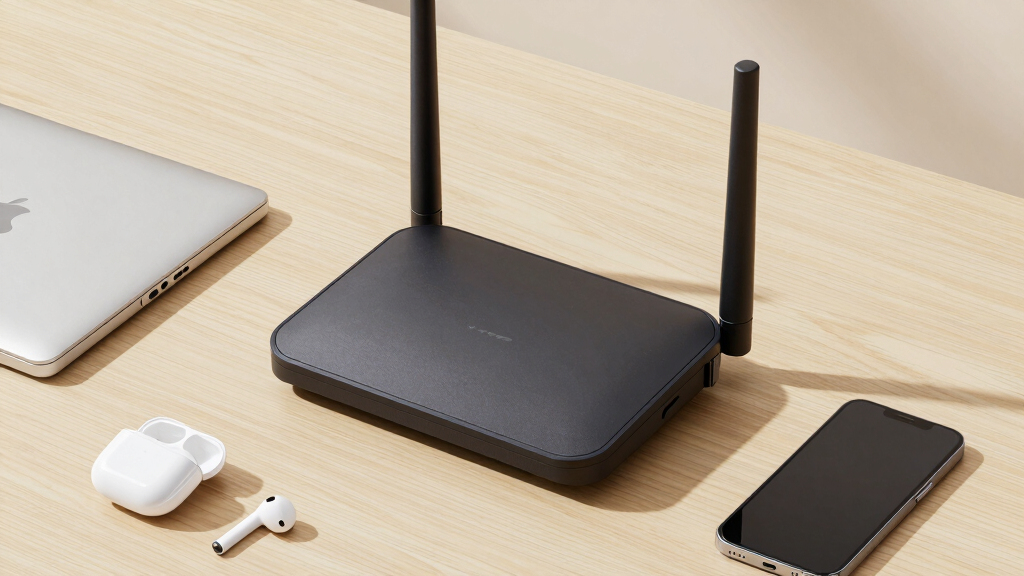

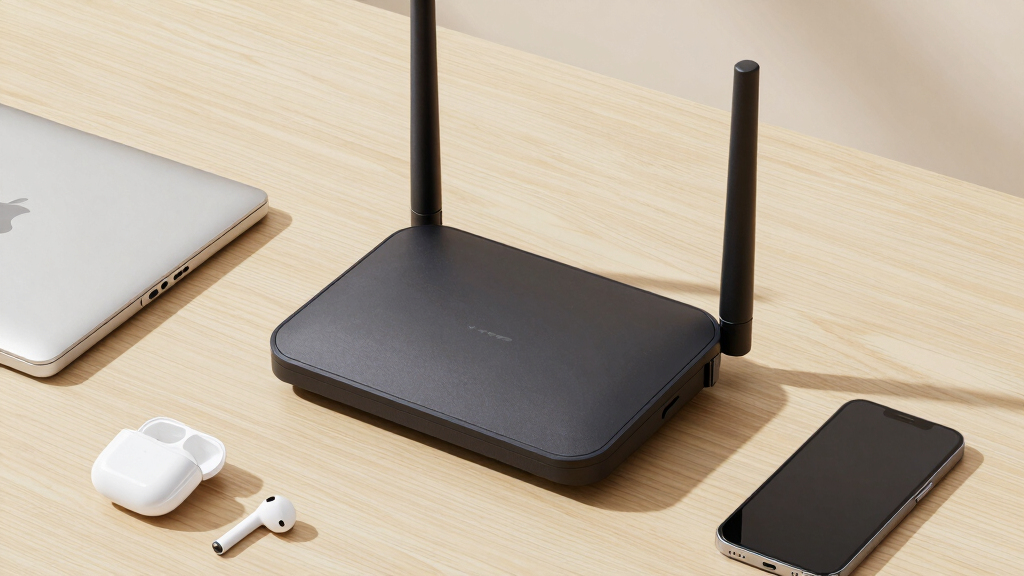
For those setting up a home office, choosing the right WiFi 7 router can be a game-changer. The NETGEAR Nighthawk BE9300 stands out as the best overall for its combination of speed, coverage, and security features. The TP-Link Deco 7 BE25 offers impressive mesh coverage for larger spaces, making it ideal for busy households. Meanwhile, the TP-Link BE6500 strikes a balance between affordability and advanced features. However, buyers face tradeoffs between coverage, speed, security, and ease of use. Keep reading for a detailed breakdown of these top picks and how they compare for your home office needs.
Key Takeaways
- Top routers combine high-speed WiFi 7 technology with extensive coverage suitable for large home offices.
- Mesh systems like TP-Link Deco 7 provide seamless coverage over sprawling spaces, but often come at a higher price.
- Choosing a router with multi-gig ports and VPN capabilities enhances security and future-proofing.
- More advanced features, such as AI-Roaming and MLO, are common in premium models but may add complexity for beginners.
- Performance tradeoffs often involve balancing maximum speed against coverage and ease of setup.


More Details on Our Top Picks
GL.iNet GL-BE6500 (Flint 3e) WiFi 7 Router, High-Speed WiFi Router for Wireless Internet w/VPN, 5 x 2.5G Ethernet Port for Fiber Optic Modem, Long Range Large Home, Business & Gaming Computer Routers
This router stands out for its impressive combination of high-speed WiFi 7, extensive coverage, and multiple Ethernet ports, making it ideal for large homes, offices, or gaming setups. Compared to the TP-Link BE9700, it offers similar multi-device support but excels in long-range performance, thanks to its advanced MLO and OFDMA features. While it supports VPNs, parental controls, and ad-blocking via AdGuard, it involves a more complex setup process and bulkier design, which could be a drawback for users seeking simplicity. Its ability to handle over a hundred devices seamlessly and deliver speeds up to 6.5 Gbps makes it perfect for power users requiring reliable, high-capacity connectivity. The inclusion of a web interface and easy setup via Ethernet is a plus, but the extensive feature set might be overwhelming for beginners. Overall, this makes the most sense for tech-savvy households or small businesses needing robust coverage and device support.
Pros:- Supports WiFi 7 with speeds up to 6.5 Gbps
- Long-range coverage up to 2,500 sq. ft.
- Handles over 100 devices simultaneously
- Includes 5 x 2.5G Ethernet ports for wired connections
Cons:- Setup process can be complex for non-technical users
- Bulkier size may require strategic placement
- Advanced features might be overkill for basic needs
Best for: Large homes or small offices needing high coverage, multiple device support, and VPN capabilities.
Not ideal for: Minimalist users or those seeking a simple plug-and-play router, due to its advanced features and setup complexity.
- WiFi Standard:WiFi 7
- Coverage:2500 sq ft
- Max Speed:6.5 Gbps
- Ethernet Ports:5 x 2.5G
- VPN Support:Yes
- Setup:Web interface via Ethernet
Bottom line: Ideal for users prioritizing coverage, speed, and device capacity who are comfortable with more involved setup.
TP-Link Tri-Band BE9700 WiFi 7 Router (Archer BE600) – 10G Port, 2.5G Port, 3× 2.5G LAN, 320MHz Channel, Covers up to 2,600 sq. ft., 120 Devices, VPN, HomeShield Security
This router offers exceptional speeds with tri-band WiFi 7, supporting up to 120 devices and covering large spaces up to 2,600 sq. ft., making it suitable for busy households or small enterprises. When compared to the NETGEAR BE9300, it provides higher maximum speed and additional LAN ports, which benefits wired network expansion. Its 10 Gbps WAN port ensures fast wired connectivity, and its security features via HomeShield are comprehensive. While it excels in speed and capacity, its setup can be more involved, and its bulkier design might require a dedicated space. The router’s advanced features include MU-MIMO, OFDMA, and beamforming, ensuring stable, high-capacity performance for demanding environments. However, users with simpler needs or smaller spaces might find it more than necessary. This router is best suited for those who require a future-proof, high-capacity network with advanced wired and wireless features.
Pros:- Tri-band WiFi 7 with speeds up to 5.765 Gbps
- Supports up to 120 devices
- Includes 10 Gbps and 2.5 Gbps Ethernet ports
- Covers up to 2,600 sq. ft.
Cons:- Setup may be complex for non-technical users
- Larger footprint requires dedicated space
- Higher price point for basic users
Best for: Households or small offices with many devices and high-speed internet needs.
Not ideal for: Users with small spaces or basic internet usage, due to its over-specification and size.
- WiFi Standard:WiFi 7
- Coverage:2600 sq ft
- Max Speed:5.765 Gbps
- Ethernet Ports:1 x 10G, 1 x 2.5G, 3 x 2.5G LAN
- Security:HomeShield
- Setup:Web and app management
Bottom line: Best for tech-savvy users needing extensive coverage, high capacity, and future-proof wired/wireless performance.
NETGEAR Nighthawk Dual-Band WiFi 7 Router (RS140) – Router Only, BE5000 Wireless Speed (up to 5.0 Gbps) – Covers up to 2,250 sq. ft., 80 Devices – 2.5 Gig Internet Port – Free Expert Help
This dual-band WiFi 7 router delivers solid performance with speeds up to 5 Gbps, ideal for households with moderate device counts and coverage needs. Compared to the TP-Link AX1800, it offers a higher maximum speed and supports more devices, making it suitable for streaming and gaming without lag. Its straightforward setup and reliable coverage up to 2,250 sq. ft. make it user-friendly, especially for those who prefer a plug-and-play experience. While it lacks tri-band support and some advanced features like VPN or extensive security options, its simplicity and dependable speed make it a strong choice for average users. The 2.5 Gbps WAN port ensures fast wired connections, and its design fits well in most spaces. However, for users with very high device counts or requiring more advanced network management, other options may be better suited. This router is best for households seeking a balance of speed, coverage, and ease of use.
Pros:- Supports WiFi 7 with speeds up to 5 Gbps
- Covers up to 2,250 sq. ft.
- Supports up to 80 devices
- Includes 2.5 Gbps WAN port
Cons:- Limited to dual-band WiFi 7
- Fewer advanced security features
- No VPN support included
Best for: Average households needing reliable WiFi 7 speeds with straightforward setup.
Not ideal for: Power users or small offices with high device density and advanced security requirements.
- WiFi Standard:WiFi 7
- Coverage:2250 sq ft
- Max Speed:5 Gbps
- Ethernet Port:2.5 Gbps WAN
- Device Capacity:80 devices
- Setup:Simple plug-and-play
Bottom line: Best for users wanting dependable, high-speed WiFi 7 with simple setup and moderate device support.
NETGEAR Nighthawk WiFi 7 Router (BE9300) – Router Only, 9.3Gbps Wireless Speed, 2.5 Gigabit Internet Port, Tri-Band for Gaming, Covers 2,500 sq. ft., 100 Devices, VPN – Free Expert Help
This router offers impressive WiFi 7 speeds up to 9.3 Gbps, tri-band support, and extensive device capacity, making it ideal for gamers and high-demand households. When compared to the TP-Link BE9700, it provides higher maximum speeds and a slightly larger device limit, plus a dedicated 6 GHz band for reduced interference. Its 2.5 Gbps Ethernet port ensures fast wired connectivity, and features like VPN support and robust security with Netgear Armor make it suitable for privacy-conscious users. The router covers up to 2,500 sq. ft., but its advanced features and high performance come with a higher price and more complex setup, which could be a barrier for less experienced users. It’s perfect for those who need top-tier speeds for gaming, streaming, and smart home device integration, but overkill for basic browsing. Overall, this makes an excellent choice for tech enthusiasts demanding maximum throughput and security.
Pros:- Supports WiFi 7 speeds up to 9.3 Gbps
- Tri-band with dedicated 6 GHz for less interference
- Supports up to 100 devices
- Includes 2.5 Gbps Ethernet port and VPN support
Cons:- Higher cost for non-enthusiasts
- Setup can be complex for beginners
- Overkill for light internet users
Best for: Gamers and households with high-speed, low-latency requirements and many connected devices.
Not ideal for: Users with basic internet needs or those seeking simple, budget-friendly setups due to its advanced features and complexity.
- WiFi Standard:WiFi 7
- Coverage:2500 sq ft
- Max Speed:9.3 Gbps
- Ethernet Port:2.5 Gbps
- Device Support:100 devices
- Security:VPN, Armor
Bottom line: Best for high-demand households and gamers needing maximum throughput, security, and device support.
TP-Link Deco 7 BE25 Dual-Band BE5000 WiFi 7 Mesh Wi-Fi System | 4-Stream 5 Gbps, 240 Mhz | Covers up to 6,600 Sq.Ft | 2X 2.5G Ports Wired Backhaul | VPN,MLO, AI-Roaming, HomeShield, 3-Pack
The Deco 7 BE25 stands out for its impressive coverage of up to 6,600 sq. ft. and support for over 150 devices, making it ideal for large homes or multi-device environments. Compared with the TP-Link BE6500, it offers a broader reach thanks to four high-gain antennas and AI-Roaming that ensures smooth transitions as you move through your space. While the size is bulkier than some might expect, the plug-and-play setup and wired backhaul with dual 2.5 Gbps ports ensure high performance and future-proofing. The system’s advanced security features, including HomeShield and VPN support, add to its appeal for users prioritizing safety. Its main tradeoff is the larger physical footprint, which could be an issue for smaller spaces. Overall, it makes the most sense for those needing extensive coverage and reliable mesh connectivity across a large home or multi-story setup.
Pros:- Extensive coverage up to 6,600 sq. ft.
- Supports over 150 devices without performance drops
- Advanced AI-Roaming for seamless device handoff
- Wired backhaul with 2x 2.5G ports for high-speed wired connections
Cons:- Larger, bulkier size may not fit in compact spaces
- LED indicators are not individually controllable
Best for: Large households or users with many smart devices who need extensive coverage and seamless mesh performance.
Not ideal for: Small apartments or desks with limited space, due to the larger size and bulkier design.
- Coverage:6600 sq. ft.
- Number of streams:4
- Maximum WiFi speed:5 Gbps
- Number of ports:2x 2.5G
- Device capacity:150+
- Security features:HomeShield, VPN
Bottom line: This mesh system is perfect for users seeking broad coverage and reliable performance in large homes with numerous devices.
TP-Link BE6500 Dual-Band WiFi 7 Router (BE400) – Dual 2.5Gbps Ports, USB 3.0, Covers up to 2,400 sq. ft., 90 Devices, Quad-Core CPU, HomeShield, Private IoT, Free Expert Support
The TP-Link BE6500 BE400 offers a compelling mix of high performance with its dual 2.5 Gbps ports and a quad-core CPU, providing fast speeds and low latency for demanding applications like 4K streaming or gaming. Compared to the Deco 7 BE25, it is better suited for users who need a more compact device with strong wired connectivity in smaller or medium-sized homes. Its coverage of approximately 2,400 sq. ft. makes it ideal for apartments or smaller homes, but it may not suffice for larger properties. The device’s advanced security and parental controls through HomeShield enhance safety, especially for families. A key tradeoff is the limited coverage compared to mesh systems, which makes it less suitable for sprawling properties. This router is best for those who prioritize high-speed wired connections and have a smaller to medium-sized space.
Pros:- Dual 2.5 Gbps ports for high-speed wired connectivity
- Quad-core CPU for smooth multitasking
- Supports up to 90 devices comfortably
- Compact size fits well in smaller spaces
Cons:- Limited coverage of around 2,400 sq. ft.
- Not designed for mesh or multi-room large coverage
Best for: Users needing fast, reliable wired connections in small to medium homes or apartments.
Not ideal for: Large households requiring extensive mesh coverage or those with a large property.
- Coverage:2400 sq. ft.
- Maximum WiFi speed:3.6 Gbps
- Number of ports:2x 2.5G
- Device capacity:90
- Processor:Quad-Core
- Security:HomeShield
Bottom line: Ideal for users who need high-speed wired connections in medium or smaller spaces without extensive mesh coverage.
TP-Link Dual-Band BE3600 Wi-Fi 7 Router Archer BE230 | 4-Stream | 2×2.5G + 3×1G Ports, USB 3.0, 2.0 GHz Quad Core, 4 Antennas | VPN, EasyMesh, HomeShield, MLO, Private IOT | Free Expert Support
The TP-Link Archer BE230 offers reliable dual-band Wi-Fi 7 speeds up to 3.6 Gbps, supported by four antennas and a quad-core processor, making it suitable for most home office setups. Compared with the BE6500, it covers a smaller area (~2,000 sq. ft.), but its compact design and simple setup via the Tether app make it a practical choice for users who want solid performance without the complexity of mesh systems. Its multiple gigabit ports, including 2.5 Gbps and 1 Gbps options, support high-speed wired devices. The device also features VPN, HomeShield, and EasyMesh compatibility, providing good security and expandability. The main limitation is its coverage, which might not suffice for larger homes, but it excels in smaller to medium-sized spaces. It’s best for users seeking straightforward, dependable performance in a manageable form factor.
Pros:- Reliable speeds up to 3.6 Gbps
- Four antennas for stable wireless signals
- Supports VPN and HomeShield security
- Easy setup through the Tether app
Cons:- Limited to about 2,000 sq. ft. coverage
- Not designed for mesh or multi-room large coverage
Best for: Small to medium-sized homes or offices looking for reliable performance with easy setup and good security.
Not ideal for: Large or multi-story homes needing extensive mesh coverage or multi-room connectivity.
- Coverage:2000 sq. ft.
- Maximum WiFi speed:3.6 Gbps
- Number of ports:3x 1G, 2x 2.5G
- Processor:Quad-Core 2.0 GHz
- Security:HomeShield, VPN
- Antennas:4
Bottom line: This router is well-suited for small to medium homes or offices that want dependable Wi-Fi 7 performance with straightforward setup.
How We Picked
These routers were selected based on performance, ease of setup, build quality, security features, and value for home office use. Priority was given to models that support WiFi 7’s latest standards, offering fast speeds and reliable coverage. We considered the range of features, particularly those that improve security, manageability, and scalability, as well as user reviews and expert insights. The ranking reflects how well each router balances these factors for typical home office environments, with an emphasis on real-world usability and future-proofing.Factors to Consider When Choosing Best WiFi 7 Routers For Home Offices
When choosing a WiFi 7 router for a home office, it’s important to focus on several key factors. Speed is essential for high-bandwidth tasks like video conferencing and large file transfers. Coverage matters if your workspace spans multiple rooms or floors, especially with mesh systems. Security features such as VPN support and HomeShield enhance privacy. Compatibility with existing devices and future scalability should also influence your choice, along with ease of setup and management. Understanding these factors helps you avoid common pitfalls and select a router that truly meets your needs.Speed and Bandwidth
High speeds are vital for a smooth remote work experience, especially if multiple devices are connected. WiFi 7 offers significantly improved bandwidth, but actual performance depends on your internet plan and the router’s hardware. Look for models that support multi-gig ports and high channel widths, such as 320MHz, which can deliver more consistent high-speed connections. Keep in mind that faster routers often come at a premium, so weigh the importance of maximum speed against your actual usage patterns.
Coverage and Mesh Capabilities
Large or multi-story homes benefit from routers that provide broad coverage or mesh systems that eliminate dead zones. Mesh options like TP-Link Deco 7 are designed to blanket extensive areas with seamless WiFi, but they tend to be more expensive than single-unit routers. Consider your space size, wall materials, and device placement when evaluating coverage needs. For smaller setups, a powerful single router may suffice, but for larger homes, mesh systems can provide more reliable connectivity across the entire home office environment.
Security and Privacy
Security features like VPN support and HomeShield are increasingly important for protecting sensitive work data. Premium models often include built-in security tools, automatic updates, and parental controls, which can be valuable for shared households. Be cautious of routers lacking security enhancements, as they may leave your network vulnerable. Choose a device that offers robust encryption, easy management, and ongoing security updates to keep your home office safe.
Ease of Setup and Management
User-friendly interfaces and mobile app management can save time and frustration, especially if you’re not tech-savvy. Mesh systems tend to be simpler to set up and maintain, with intuitive controls for device management. Conversely, advanced features like MLO or AI-Roaming may require more technical knowledge. Balance your comfort level with technical setup against the desire for advanced features, and consider whether the router’s interface simplifies ongoing management tasks.
Future-Proofing and Compatibility
Investing in a WiFi 7 router ensures your network is prepared for the latest devices and higher internet speeds. Check that the router supports multi-gig ports and is compatible with your ISP’s services. Also, consider whether it supports upcoming standards or features like WiFi 7’s multi-user MIMO and OFDMA capabilities. Future-proofing can justify a higher initial investment, especially if you plan to upgrade your devices or internet plan soon.
Frequently Asked Questions
Do I need a WiFi 7 router for my home office?
If your internet plan offers gigabit speeds and you use multiple high-bandwidth applications, a WiFi 7 router can significantly improve your experience. It provides faster speeds, lower latency, and better handling of multiple devices compared to previous standards. However, for basic tasks like email or browsing, a WiFi 6 router may still suffice. Consider your current and future needs to determine if an upgrade is worth the investment.
Can I use a WiFi 7 router with my existing devices?
Yes, WiFi 7 routers are backward compatible with older WiFi standards, so your existing devices will still connect seamlessly. However, to experience WiFi 7’s full benefits—like higher speeds and lower latency—you’ll need compatible devices that support the new standard. As new devices adopt WiFi 7, having a compatible router ensures you’re ready for improved performance in the future.
Is a mesh WiFi system better for a home office?
Mesh systems are ideal if your home office spans a large area or has multiple floors, as they provide seamless coverage and eliminate dead zones. They are generally easier to manage and expand compared to traditional routers. However, mesh systems tend to be more costly, so if your space is smaller or your connectivity needs are simple, a powerful single router may be sufficient and more cost-effective.
What security features should I look for in a WiFi 7 router?
Prioritize routers with integrated security tools like HomeShield, VPN support, and automatic firmware updates. These features help protect your network from external threats and secure your sensitive data. Advanced security options can also include parental controls and device management, which are helpful if multiple users or IoT devices are on your network. Always check for encryption standards like WPA3 for the best protection.
How much should I budget for a good WiFi 7 router for my home office?
Prices for WiFi 7 routers vary widely, typically ranging from around $200 to over $500 for premium models. For most home offices, a mid-range router around $300 offers a good balance of speed, coverage, and features. Investing more in a premium model is justified if you need extensive coverage, advanced security, or future-proofing, especially if your work depends heavily on reliable, high-speed internet.