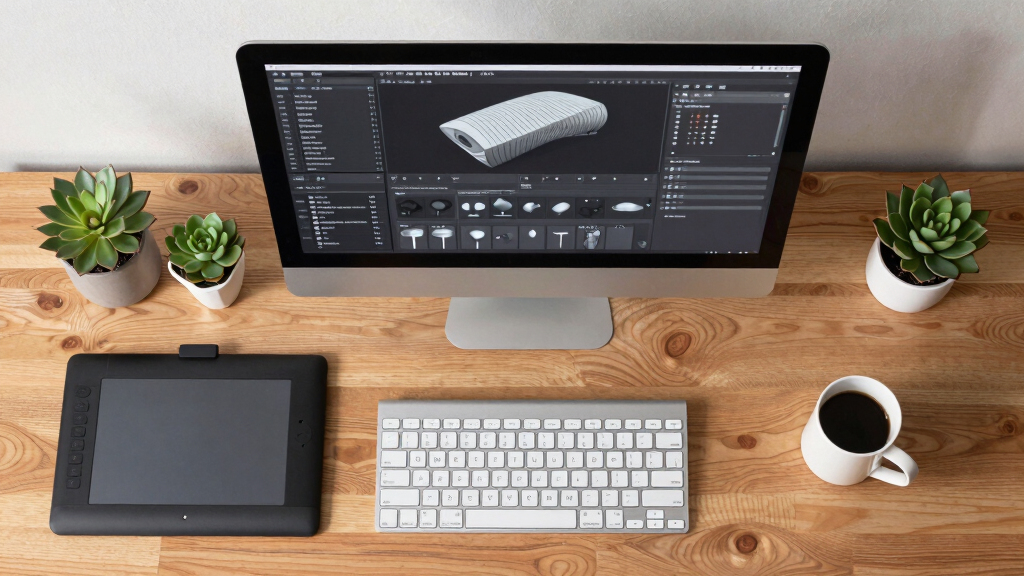

Choosing the best workstation for 3D rendering involves balancing raw performance, expandability, and reliability. The HP Z2 G1i Workstation Tower stands out for its strong CPU and GPU combo, making it a versatile choice for most creators. The PCSP High-End Precision 7920 Tower offers exceptional power for intensive rendering tasks, though at a higher price point. Meanwhile, the Lenovo ThinkStation P3 Tower delivers cutting-edge DDR5 memory and a robust GPU, ideal for demanding workflows. Buyers face tradeoffs between budget, future-proofing, and sheer performance. Keep reading for a detailed breakdown of these options to find the best fit for your 3D projects.

Get hardware and tech essentials delivered free — and shop member deals
- Fast, free delivery on millions of items
- Access to Prime Big Deal Days deals on October 6–7
- Prime Video, Amazon Music and more included
Complete the kit
![Lamicall 6Pack Cord Organizer, [1s Lock] Spring Cable Hol...](https://m.media-amazon.com/images/I/71uBLICDwfL._AC_SL480_.jpg)
Key Takeaways
- High core counts and professional GPUs significantly boost rendering speeds, but come with increased costs.
- Memory capacity and speed are essential for handling complex scenes and large assets efficiently.
- Refurbished and renewed options often provide great value but may sacrifice some warranty or future expandability.
- Workstation form factors vary from compact to full-tower, impacting upgradeability and space requirements.
- Performance gains diminish relative to cost at the highest end, so balancing your needs with your budget is key.
| HP Z2 G1i Workstation Tower – Intel Core Ultra 7, 32GB RAM, 1TB SSD, NVIDIA 20GB Graphics, Windows 11 Pro |  | Best Overall for High-Performance 3D Rendering | Processor: Intel Core Ultra 7, 20 cores, 5.3 GHz | Memory: 32 GB DDR5 RAM, expandable up to 256 GB | Storage: 1 TB SSD PCIe 4.0 | VIEW LATEST PRICE | See Our Full Breakdown |
| HP Z4 G4 Workstation with Intel Xeon W-2133, 64GB RAM, 512GB NVMe SSD, 2TB HDD, Nvidia Quadro P400, Windows 11 Pro (Renewed) |  | Best for Balanced Professional Workloads | Processor: Intel Xeon W-2133 6-Core 3.6GHz | Memory: 64GB DDR4 | Storage: 512GB NVMe SSD + 2TB HDD | VIEW LATEST PRICE | See Our Full Breakdown |
| PCSP High-End Precision 7920 Tower Workstation with Dual Intel Xeon Platinum 8160, 384GB DDR4, 1TB NVMe SSD, 4TB HDD, Quadro P2000, Windows 11 Pro |  | Best for Heavy-Duty 3D Rendering and AI Workloads | Processor: Dual Intel Xeon Platinum 8160 (48 cores, 96 threads) | Memory: Up to 384GB DDR4 | Storage: 1TB NVMe SSD + 4TB HDD | VIEW LATEST PRICE | See Our Full Breakdown |
| Dell Precision 7920 Tower Workstation Desktop with Dual Xeon Gold 6130, 192GB RAM, 2×1TB SSD + 2×4TB HDD, Quadro P2000, Windows 11 Pro (Refurbished) |  | Best Refurbished for Heavy 3D and AI Workloads | Processor: Dual Intel Xeon Gold 6130 (32 cores, up to 3.7GHz) | Memory: 192GB DDR4 ECC RAM | Storage: 2×1TB SSD + 2×4TB HDD | VIEW LATEST PRICE | See Our Full Breakdown |
| HP Z840 Workstation with Dual Intel Xeon E5-2630 V3, 96GB RAM, 250GB SSD, NVIDIA Quadro M4000, Windows 10 (Renewed) |  | Best for Mid-Range Professional 3D Rendering | Processor: Dual Intel Xeon E5-2630 V3 | RAM: 96GB DDR4 | Storage: 250GB SSD | VIEW LATEST PRICE | See Our Full Breakdown |
| Dell Tower Plus EBT2250 Workstation Desktop (Next-gen XPS) |  | Best Overall for Versatile 3D Rendering and Graphics Workloads | Processor: Intel Ultra 7-265, 2.40GHz (up to 5.3GHz, 20 cores, 20 threads) | Graphics: GeForce RTX 5060 8GB GDDR7 | Memory: 32GB DDR5 | VIEW LATEST PRICE | See Our Full Breakdown |
| Lenovo ThinkStation P2 Gen 2 Workstation Desktop with Intel Core Ultra 7 265K, 128GB DDR5 RAM, 3TB Storage, Windows 11 Pro |  | Best for Heavy Multitasking and Large Datasets | Processor: Intel Core Ultra 7 265K, 20 cores, 5.5 GHz | Memory: 128GB DDR5 | Storage: 3TB (2TB SSD + 1TB HDD) | VIEW LATEST PRICE | See Our Full Breakdown |
| HP Z2 G1i Workstation Tower – Intel Core Ultra 9 285K, 32GB RAM, 1TB SSD, NVIDIA 8GB Graphics, Windows 11 Pro, Black |  | Best for Balanced Workstation Performance with a Focus on Visualization | Processor: Intel Core Ultra 9 285K | Processor Cores: 24 | Memory: 32 GB DDR5 | VIEW LATEST PRICE | See Our Full Breakdown |
| Lenovo ThinkStation P3 Tower with Intel Core Ultra 9 285, 64GB DDR5, NVIDIA RTX 2000 |  | Best for High-End Complex Rendering and Large-Scale Projects | Processor: Intel Core Ultra 9 285 vPro | Graphics Card: NVIDIA RTX 2000 16GB GDDR6 | Memory: 64 GB DDR5 | VIEW LATEST PRICE | See Our Full Breakdown |
| workstations for 3D rendering | Processor | Storage | Operating System | Memory |
|---|---|---|---|---|
| HP Z2 G1i Workstation Tower | Intel Core Ultra 7, 20 cores, 5.3 GHz | 1 TB SSD PCIe 4.0 | Windows 11 Pro | 32 GB DDR5 RAM, expandable up to 256 GB |
| HP Z4 G4 Workstation with Inte | Intel Xeon W-2133 6-Core 3.6GHz | 512GB NVMe SSD + 2TB HDD | Windows 11 Pro | 64GB DDR4 |
| PCSP High-End Precision 7920 T | Dual Intel Xeon Platinum 8160 (48 cores, 96 threads) | 1TB NVMe SSD + 4TB HDD | Windows 11 Pro | Up to 384GB DDR4 |
| Dell Precision 7920 Tower Work | Dual Intel Xeon Gold 6130 (32 cores, up to 3.7GHz) | 2×1TB SSD + 2×4TB HDD | Windows 11 Pro | 192GB DDR4 ECC RAM |
| HP Z840 Workstation with Dual | Dual Intel Xeon E5-2630 V3 | 250GB SSD | Windows 10 | — |
| Dell Tower Plus EBT2250 Workst | Intel Ultra 7-265, 2.40GHz (up to 5.3GHz, 20 cores, 20 threads) | 1TB PCIe NVMe SSD | Windows 11 Pro-64 | 32GB DDR5 |
| Lenovo ThinkStation P2 Gen 2 W | Intel Core Ultra 7 265K, 20 cores, 5.5 GHz | 3TB (2TB SSD + 1TB HDD) | Windows 11 Pro | 128GB DDR5 |
| HP Z2 G1i Workstation Tower | Intel Core Ultra 9 285K | 1 TB SSD PCIe 4.0 | Windows 11 Pro | 32 GB DDR5 |
| Lenovo ThinkStation P3 Tower w | Intel Core Ultra 9 285 vPro | 1 TB SSD PCIe Gen5 | Windows 11 Pro | 64 GB DDR5 |
More Details on Our Top Picks
HP Z2 G1i Workstation Tower – Intel Core Ultra 7, 32GB RAM, 1TB SSD, NVIDIA 20GB Graphics, Windows 11 Pro
The HP Z2 G1i Workstation stands out for its powerhouse Intel Core Ultra 7 processor, which delivers exceptional speed for complex 3D rendering tasks compared to models like the HP Z2 G1i with less powerful CPUs. Its 32GB DDR5 RAM and PCIe 4.0 SSD ensure rapid data access and smooth multitasking, crucial for rendering large projects. The NVIDIA 20GB GDDR6 graphics card offers professional-grade visuals, outperforming less capable GPUs like the Quadro P400 in rendering speed and detail. The main tradeoff is size and power consumption, as this system weighs nearly 20 pounds and consumes 700 watts, requiring ample space and energy. If you need a high-performance machine that can handle demanding workflows without compromise, this pick is ideal.
Pros:- Exceptional CPU performance with Intel Core Ultra 7
- Large 32GB DDR5 RAM for heavy multitasking
- Fast 1TB PCIe 4.0 SSD for quick data access
- Professional NVIDIA 20GB GDDR6 graphics
Cons:- Heavy and takes up significant space
- High power consumption may increase operating costs
- Lacks integrated Wi-Fi or Bluetooth connectivity
Best for: Power users and professionals who need serious computational muscle for 3D rendering and heavy multitasking
Not ideal for: Small studios or those with space or energy constraints, as this workstation is bulky and power-hungry
- Processor:Intel Core Ultra 7, 20 cores, 5.3 GHz
- Memory:32 GB DDR5 RAM, expandable up to 256 GB
- Storage:1 TB SSD PCIe 4.0
- Graphics:NVIDIA 20 GB GDDR6
- Operating System:Windows 11 Pro
- Dimensions:23 x 19 x 11.25 inches
- Weight:19 pounds
- Power Consumption:700 watts
Our verdict“This workstation suits demanding professionals who prioritize raw power and can manage its size and energy needs.”
HP Z4 G4 Workstation with Intel Xeon W-2133, 64GB RAM, 512GB NVMe SSD, 2TB HDD, Nvidia Quadro P400, Windows 11 Pro (Renewed)
The HP Z4 G4 Workstation offers a solid balance of CPU power and memory, featuring an Intel Xeon W-2133 with 6 cores, which outperforms lower-end CPUs like the Intel Core Ultra 7 in multi-threaded tasks, but doesn’t quite match dual Xeon setups like the PCSP High-End Precision 7920. Its 64GB RAM supports intensive multitasking typical in rendering and CAD work, while the combination of a 512GB NVMe SSD and a 2TB HDD provides speedy boot and ample storage. The Nvidia Quadro P400, although capable, lags behind higher-end GPUs in rendering speed, which can be a bottleneck for very complex projects. Being a renewed product, it might pose warranty concerns, and its bulkier design is less ideal for tight spaces. This system fits professionals needing reliable performance without the extreme costs of top-tier hardware.
Pros:- Powerful Xeon W-2133 processor for demanding workloads
- Large 64GB RAM supports extensive multitasking
- Dual storage with NVMe SSD and HDD provides speed and capacity
- Pre-installed Windows 11 Pro
Cons:- Graphics card (Nvidia Quadro P400) less suited for intensive rendering
- Renewed condition may affect warranty and reliability
- Bulkier tower limits placement flexibility
Best for: Engineers, designers, and creatives seeking a dependable workstation for medium-to-heavy rendering tasks
Not ideal for: Users requiring the fastest rendering times or gaming-grade GPU performance, as the P400 is somewhat limited in high-end visualization
- Processor:Intel Xeon W-2133 6-Core 3.6GHz
- Memory:64GB DDR4
- Storage:512GB NVMe SSD + 2TB HDD
- Graphics:Nvidia Quadro P400 2GB
- Operating System:Windows 11 Pro
- Form Factor:Workstation Tower
Our verdict“A dependable choice for professionals who need balanced performance and storage at a moderate price point.”
PCSP High-End Precision 7920 Tower Workstation with Dual Intel Xeon Platinum 8160, 384GB DDR4, 1TB NVMe SSD, 4TB HDD, Quadro P2000, Windows 11 Pro
The PCSP High-End Precision 7920 Tower is designed for the most demanding tasks, featuring dual Xeon Platinum 8160 CPUs—offering 48 cores and 96 threads—far surpassing single-processor systems like the HP Z2 G1i. Its massive 384GB DDR4 RAM and dual storage options (1TB NVMe SSD and 4TB HDD) support complex rendering, large data sets, and extensive multitasking. The NVIDIA Quadro P2000 provides professional-grade graphics, but compared to the latest GPUs, it may fall short in rendering speed for very high-end projects. The 1400W power supply and size make it less portable and more suited to dedicated workspaces. This workstation is ideal for studios or firms handling multiple rendering projects simultaneously and needing maximum power and expandability.
Pros:- Exceptional multi-core performance with dual Xeon Platinum CPUs
- Massive 384GB DDR4 RAM for multitasking and large datasets
- Fast NVMe SSD plus large HDD for extensive storage needs
- Professional-grade NVIDIA Quadro P2000 graphics
Cons:- High power consumption and operational costs
- Expensive, likely prohibitive for casual users
- Large footprint and weight require dedicated space
Best for: Large studios or professionals running multi-user rendering farms or AI modeling requiring extreme hardware capacity
Not ideal for: Individual artists or small teams who don’t need such extensive hardware and prefer a more compact setup
- Processor:Dual Intel Xeon Platinum 8160 (48 cores, 96 threads)
- Memory:Up to 384GB DDR4
- Storage:1TB NVMe SSD + 4TB HDD
- Graphics:Nvidia Quadro P2000 5GB
- Power Supply:1400W
- Operating System:Windows 11 Pro
Our verdict“This workstation suits enterprise-level workflows that demand maximum power, expandability, and reliability.”
Dell Precision 7920 Tower Workstation Desktop with Dual Xeon Gold 6130, 192GB RAM, 2×1TB SSD + 2×4TB HDD, Quadro P2000, Windows 11 Pro (Refurbished)
The Dell Precision 7920 Tower offers a compelling balance of power and value, featuring dual Xeon Gold 6130 processors with 32 cores, outperforming single Xeon setups like the HP Z4 G4. Its 192GB DDR4 ECC RAM ensures stability and multitasking capacity for rendering and scientific computing, while the dual storage configuration with SSDs and HDDs supports fast workflows and large datasets. The Quadro P2000 graphics remains capable for professional visualization but isn’t suitable for the most intensive rendering tasks compared to higher-end GPUs. As a refurbished system, it provides cost savings but may lack the warranty coverage of new hardware. Its size and power draw are typical of high-end workstations, requiring dedicated space. This choice makes sense for studios seeking robust, reliable hardware at a reduced cost.
Pros:- Dual Xeon Gold 6130 processors for demanding multitasking
- Large 192GB ECC DDR4 RAM for stability and large data handling
- Multiple storage options for speed and capacity
- Pre-tested and certified for reliable professional use
Cons:- Refurbished condition may limit warranty and reliability
- Graphics card less suited for ultra-intensive rendering
- Size and power consumption require dedicated workspace
Best for: Professionals and studios seeking high performance in a cost-effective, certified refurbished machine
Not ideal for: Enthusiasts or individuals needing the latest GPU technology or guaranteed new hardware
- Processor:Dual Intel Xeon Gold 6130 (32 cores, up to 3.7GHz)
- Memory:192GB DDR4 ECC RAM
- Storage:2×1TB SSD + 2×4TB HDD
- Graphics:Nvidia Quadro P2000 5GB
- Power Supply:1450W
- Operating System:Windows 11 Pro
Our verdict“Ideal for budget-conscious professionals who need dependable, high-capacity hardware for heavy rendering and data tasks.”
HP Z840 Workstation with Dual Intel Xeon E5-2630 V3, 96GB RAM, 250GB SSD, NVIDIA Quadro M4000, Windows 10 (Renewed)
The HP Z840 Workstation features a dual Xeon E5-2630 V3 setup, offering reliable performance for serious 3D rendering tasks. Its 96GB of DDR4 RAM supports large models and multitasking, though it trails behind the 384GB capacity of the PCSP Precision 7920. The 250GB SSD ensures fast boot and load times, but its smaller size could be limiting for extensive project files. The NVIDIA Quadro M4000, while capable, isn’t as fast or as recent as higher-end GPUs like the Quadro P2000 or RTX series, limiting rendering speed for very complex scenes. Being a refurbished model, potential warranty concerns might affect long-term reliability. Still, for mid-sized studios or professionals working on demanding projects, it offers a solid balance of price and performance.
Pros:- Dual Xeon E5-2630 V3 processors for solid multi-core performance
- Large 96GB DDR4 RAM supports multitasking and large models
- Fast SSD for quick data access
- Reliable professional NVIDIA Quadro M4000 graphics
Cons:- Refurbished condition may limit warranty
- Graphics card performance lags behind newer GPUs
- Limited storage capacity for extensive projects
Best for: Small to medium-sized studios needing a capable, reliable workstation for daily rendering tasks
Not ideal for: Power users handling extremely large datasets or requiring the latest GPU technology
- Processor:Dual Intel Xeon E5-2630 V3
- RAM:96GB DDR4
- Storage:250GB SSD
- Graphics:Nvidia Quadro M4000 8GB
- Operating System:Windows 10
Our verdict“A practical choice for mid-tier professionals who need dependable rendering performance at a reasonable price.”
Dell Tower Plus EBT2250 Workstation Desktop (Next-gen XPS)
The Dell Tower Plus EBT2250 stands out for its powerful 15th Gen Intel Ultra 7-265 processor, delivering high core counts and fast clock speeds that handle complex rendering tasks efficiently. Compared with the Lenovo ThinkStation P2 Gen 2, it offers more extensive connectivity options and a more balanced design, making it suitable for users who need both raw power and flexibility. Its 32GB DDR5 RAM and 1TB PCIe NVMe SSD support seamless multitasking and quick data access. However, its sizable footprint and reliance on Ethernet or Bluetooth for connectivity might limit those with space constraints or wireless preferences. This model is best suited for professionals needing a versatile, high-performance workstation that can handle both rendering and gaming, but it might be less ideal for users seeking a compact or wireless setup.
Pros:- High-performance 15th Gen Intel processor with 20 cores and high clock speeds
- Excellent graphics capability with NVIDIA RTX 5060, VR-ready
- Ample 32GB DDR5 RAM for multitasking
Cons:- Large size may be unsuitable for tight spaces
- Limited built-in wireless options, relies on Ethernet or Bluetooth
Best for: Professionals who require a flexible, high-performance workstation capable of handling demanding 3D rendering, gaming, and multimedia tasks
Not ideal for: Small-space users or those preferring wireless connectivity, as this desktop is large and lacks integrated Wi-Fi
- Processor:Intel Ultra 7-265, 2.40GHz (up to 5.3GHz, 20 cores, 20 threads)
- Graphics:GeForce RTX 5060 8GB GDDR7
- Memory:32GB DDR5
- Storage:1TB PCIe NVMe SSD
- Operating System:Windows 11 Pro-64
- Connectivity:Bluetooth 5.4, RJ-45 Ethernet, Wi-Fi 802.11be
Our verdict“This workstation makes the most sense for users who need a balanced, powerful machine for complex rendering and multitasking in a spacious setup.”
Lenovo ThinkStation P2 Gen 2 Workstation Desktop with Intel Core Ultra 7 265K, 128GB DDR5 RAM, 3TB Storage, Windows 11 Pro
The Lenovo ThinkStation P2 Gen 2 excels at handling massive datasets and intensive multitasking, thanks to its 128GB DDR5 RAM and 20-core Intel Core Ultra 7 265K processor. Unlike the HP Z2 G1i, which offers a more balanced but less expansive memory capacity, this machine is tailored for users running complex simulations, AI workflows, or large-scale rendering projects. Its 3TB storage, combining SSD and HDD, supports fast data access and ample storage for large files. The tool-less design simplifies upgrades, but its weight at 13 pounds makes portability less practical, and the high-end specs come with a premium price tag. This pick suits professionals prioritizing raw processing power and vast memory for intensive tasks, but it may be overkill for lighter workloads or budget-conscious buyers.
Pros:- Massive 128GB DDR5 RAM for large datasets and multitasking
- Powerful 20-core CPU with 5.5 GHz speed
- Fast 3TB storage with SSD and HDD options
Cons:- Heavy and less portable for mobile workflows
- Premium price point may be a barrier for some users
Best for: Data scientists, AI developers, or 3D artists working with large models and datasets that demand extensive multitasking and storage
Not ideal for: Users with limited budgets or those needing a lightweight, portable workstation, as this is heavy and costly
- Processor:Intel Core Ultra 7 265K, 20 cores, 5.5 GHz
- Memory:128GB DDR5
- Storage:3TB (2TB SSD + 1TB HDD)
- Operating System:Windows 11 Pro
- Weight:13 pounds
- Hardware Interface:PCIe x 16
Our verdict“This workstation is best suited for professionals who need immense memory and CPU power to process large projects without compromise.”
HP Z2 G1i Workstation Tower – Intel Core Ultra 9 285K, 32GB RAM, 1TB SSD, NVIDIA 8GB Graphics, Windows 11 Pro, Black
The HP Z2 G1i offers a solid blend of processing and graphics power, featuring the Intel Core Ultra 9 285K, 24 cores, and NVIDIA 8GB graphics, making it suitable for detailed visualization and rendering tasks. Compared to the Lenovo ThinkStation P2 Gen 2, it provides a more balanced overall performance, especially for users who need reliable graphics without going into extreme RAM territory. Its 32GB DDR5 RAM and 1TB PCIe 4.0 SSD support fast rendering and multitasking, but its large footprint and 700W power draw could be limiting for smaller or energy-conscious setups. The absence of details on upgrade options might concern users planning future expansions. This machine is ideal for creative professionals who need dependable performance in a mid-range package, but it might not suffice for extremely large datasets or ultra-heavy multitasking.
Pros:- Powerful 24-core Intel Core Ultra 9 285K processor
- NVIDIA 8GB graphics card for visualization
- Reliable 1TB SSD for fast workflows
Cons:- Large size and high power consumption
- Limited info on upgrade pathways for future needs
Best for: 3D artists and visualization specialists needing a dependable, mid-range workstation with strong graphics support
Not ideal for: Those requiring extensive RAM or massive storage, or with space limitations, since it’s large and power-hungry
- Processor:Intel Core Ultra 9 285K
- Processor Cores:24
- Memory:32 GB DDR5
- Storage:1 TB SSD PCIe 4.0
- Graphics:NVIDIA 8 GB GDDR6
- Operating System:Windows 11 Pro
Our verdict“This workstation balances CPU, GPU, and storage for professionals who need dependable performance without the extremes of high-end models.”
Lenovo ThinkStation P3 Tower with Intel Core Ultra 9 285, 64GB DDR5, NVIDIA RTX 2000
The Lenovo ThinkStation P3 Tower is tailored for demanding workloads, combining a robust Intel Core Ultra 9 285 vPro processor, 64GB DDR5 memory, and NVIDIA RTX 2000 graphics. Its extensive connectivity and fast PCIe Gen5 storage make it suitable for complex simulations and large 3D scenes. When compared to the HP Z2 G1i, it offers significantly more memory and a more advanced GPU, catering to high-end rendering and visualization. The large size and 750W power supply might be considerations for space and energy costs, but these are typical for workstations in this performance tier. Its security features and extensive I/O support make it a strong choice for professional studios or research labs. This system is best for users who demand top-tier GPU and substantial RAM for intricate, large-scale projects. It may be overkill for lighter workloads or casual users.
Pros:- Powerful Intel Core Ultra 9 285 vPro with high processing capacity
- 64GB DDR5 RAM supports large, complex projects
- NVIDIA RTX 2000 GPU tailored for high-end rendering
Cons:- Large and heavy, requiring dedicated space
- High power consumption adds to operational costs
Best for: Animation studios, VFX artists, or engineers working with highly complex models and simulations requiring maximum GPU and memory capacity
Not ideal for: Casual or entry-level users, or setups with limited space, due to its size and power needs
- Processor:Intel Core Ultra 9 285 vPro
- Graphics Card:NVIDIA RTX 2000 16GB GDDR6
- Memory:64 GB DDR5
- Storage:1 TB SSD PCIe Gen5
- Operating System:Windows 11 Pro
- Power Supply:750W
Our verdict“This workstation is ideal for demanding, high-end 3D rendering, simulations, and creative workflows that require maximum GPU and RAM performance.”
How We Picked
I evaluated these workstations based on performance benchmarks relevant to 3D rendering, including CPU and GPU power, memory capacity and speed, and storage options. Build quality and reliability were also key, as professional workflows demand consistent operation. Cost-to-performance ratio was a major factor, ensuring that each choice offers value at its price point. Additionally, expandability and future-proofing considerations, such as upgrade paths and support for high-end components, influenced the rankings. This process ensures that the selected options meet a range of needs from mid-tier to high-end professional use.| workstations for 3D rendering | Graphics | Operating System |
|---|---|---|
| HP Z2 G1i Workstation Tower | NVIDIA 20 GB GDDR6 | Windows 11 Pro |
| HP Z4 G4 Workstation with Inte | Nvidia Quadro P400 2GB | Windows 11 Pro |
| PCSP High-End Precision 7920 T | Nvidia Quadro P2000 5GB | Windows 11 Pro |
| Dell Precision 7920 Tower Work | Nvidia Quadro P2000 5GB | Windows 11 Pro |
| HP Z840 Workstation with Dual | Nvidia Quadro M4000 8GB | Windows 10 |
| Dell Tower Plus EBT2250 Workst | GeForce RTX 5060 8GB GDDR7 | Windows 11 Pro-64 |
| Lenovo ThinkStation P2 Gen 2 W | — | Windows 11 Pro |
| HP Z2 G1i Workstation Tower | NVIDIA 8 GB GDDR6 | Windows 11 Pro |
| Lenovo ThinkStation P3 Tower w | — | Windows 11 Pro |
Factors to Consider When Choosing Best Workstations For 3D Rendering
When selecting a workstation for 3D rendering, it’s important to consider several factors that directly impact your workflow and project timelines. Your choice should align with the complexity of your scenes, your budget, and your future plans for upgrades. Balancing these aspects can prevent bottlenecks and ensure smooth operation over time.CPU Performance and Core Count
The CPU is the backbone of rendering speed, especially for CPU-based renderers. High core counts and clock speeds reduce rendering times, making multicore Xeon or Ultra-series Intel chips highly desirable. However, for GPU-accelerated rendering, CPU power becomes less critical, so prioritize GPU and RAM if your workflow relies heavily on GPU rendering engines like Octane or Redshift.
GPU Power and Compatibility
A professional-grade GPU, such as NVIDIA Quadro or RTX series, is essential for handling complex scenes with real-time viewport performance and faster rendering times. Compatibility with your preferred rendering software also matters—some applications optimize better with certain GPU architectures. Beware of over-investing in a GPU that exceeds your actual rendering needs, as this can inflate costs without proportional benefits.
Memory Capacity and Speed
3D scenes can be highly memory-intensive, especially with high-poly models and detailed textures. Aim for at least 64GB of RAM for demanding projects, with faster DDR5 modules providing additional performance benefits. Insufficient memory leads to slowdowns or crashes, so balance capacity with your budget and workflow requirements.
Storage Options and Speed
Fast SSDs are critical for quick project load times and smooth file management. NVMe drives, in particular, reduce bottlenecks during large file transfers and scene rendering. Consider a blend of SSDs for active projects and larger HDDs for archival storage to optimize performance and cost.
Upgradeability and Future-proofing
Look for workstations that allow easy upgrades of RAM, storage, and graphics cards. This prevents premature obsolescence and adapts to evolving project demands. Some models offer tool-less access or multiple expansion slots, making future upgrades straightforward and cost-effective.
Frequently Asked Questions
Is a high-end GPU more important than a powerful CPU for 3D rendering?
The importance of a GPU versus a CPU depends on your rendering engine. GPU-accelerated renderers like Octane or Redshift benefit significantly from high-end graphics cards, making GPU power a priority. However, CPU-based renderers such as Arnold or V-Ray still rely heavily on a robust processor with many cores. Ideally, balancing both components according to your workflow yields the best results, but prioritize the component that supports your main rendering software.
Can I upgrade a workstation later if I need more power?
Many workstations are designed with upgradability in mind, featuring multiple RAM slots, PCIe expansion, and accessible storage bays. Upgrading RAM and storage is usually straightforward, but GPU upgrades can be more complex depending on the chassis and power supply. Choosing a model with ample expansion options ensures you can adapt to increased project complexity without replacing the entire system.
Is it worth investing in a workstation with dual CPUs?
Dual CPU configurations provide a significant boost in multi-threaded performance, which benefits rendering tasks that scale well across cores. They are particularly useful for very demanding projects or studios running multiple renders simultaneously. However, they come at a higher cost and increased power consumption, so assess whether your software and workload justify this investment.
How much RAM do I really need for advanced 3D projects?
For complex scenes and large assets, 64GB of RAM is a good baseline, but high-end projects can benefit from 128GB or more. Insufficient memory causes slowdowns and potentially crashes, disrupting your workflow. Keep in mind that more RAM often means better performance in multitasking and handling large files, so plan for future needs as well as current projects.
Are refurbished workstations reliable for professional use?
Refurbished or renewed workstations can offer substantial savings while still providing reliable performance, especially if purchased from reputable sources with warranty options. They often undergo thorough testing and component replacement. However, they might lack the latest features or upgrade paths of new models, so consider your long-term needs and whether potential limitations align with your workflow expectations.
Conclusion
The best overall choice for most professionals is the HP Z2 G1i Workstation Tower due to its balanced performance and reliability. For those seeking the highest power at a premium price, the PCSP High-End Precision 7920 Tower offers unmatched capability. Beginners or those on a tighter budget should consider the Lenovo ThinkStation P2 Gen 2, which provides strong specs without overwhelming costs. If expandability and future upgrades are your priority, look for models with clear upgrade paths. Ultimately, your selection should align with your project scope, budget, and technical needs to ensure smooth, efficient 3D rendering in 2026.
Fall Picks
fall essentials
As an affiliate, we earn on qualifying purchases.