
Santoku knives are a versatile staple in any kitchen, known for their balance of precision and ease of use. The best overall pick, the Imarku 7-Inch Santoku Knife, offers a sharp edge and ergonomic handle, making it ideal for everyday chopping and slicing. For those seeking affordability without sacrificing quality, the Cuisinart 7-Inch Stainless Steel Santoku stands out. Meanwhile, the HOSHANHO Japanese Chef Knife provides ultra-sharp performance for more delicate tasks. As with any cutlery, tradeoffs exist—such as blade material versus price or handle comfort versus weight. Keep reading for a detailed breakdown to find the perfect santoku for your needs.

Get hardware and tech essentials delivered free with Prime
- Fast, free delivery on millions of items
- Prime Video, Amazon Music and more included
- Member-only deals all year
Key Takeaways
- The top-ranked Imarku santoku balances sharpness, comfort, and durability, making it the best overall choice.
- Price varies significantly, with affordable options still delivering solid performance for everyday use.
- Blade material and edge retention are key factors influencing longevity and cutting precision.
- Handle ergonomics and weight impact comfort during extended use, especially for larger or more frequent tasks.
- Some sets include multiple santoku knives, offering value but often with tradeoffs in individual quality.
| Cuisinart 7-Inch Stainless Steel Santoku Knife with Blade Guard |  | Best for Safe, Versatile Kitchen Use | Blade Length: 7 inches | Material: Stainless Steel | Includes: Blade Guard | VIEW ON AMAZON | See Our Full Breakdown |
| 7 Inch Chef Santoku Knife, High Carbon 10Cr15Mov Stainless Steel |  | Best for Precision and Style in Giftable Design | Blade Material: Japanese G5 (10Cr15Mov) Stainless Steel | Blade Length: 7 inches | Blade Hardness: 62 HRC | VIEW ON AMAZON | See Our Full Breakdown |
| imarku 7 Inch Santoku Knife – Japanese High Carbon Stainless Steel |  | Best for Effortless, Precise Slicing | Blade Length: 7 inches | Material: High carbon stainless steel | Handle: Seamless stainless steel | VIEW ON AMAZON | See Our Full Breakdown |
| Cuisinart C77SS-7SAN Graphix Collection 7-Inch Santoku Knife |  | Best for Style and Home Use | Blade Length: 7 inches | Material: High-carbon stainless steel | Handle: Textured for easy grip | VIEW ON AMAZON | See Our Full Breakdown |
| Henckels Solution 2-Piece Santoku Knife Set |  | Best for Versatile Knife Pairing and Long-Term Use | Set Includes: 5.5-inch Santoku, 7-inch Santoku | Blade Material: Stainless steel | Blade Lengths: 5.5 inches, 7 inches | VIEW ON AMAZON | See Our Full Breakdown |
| Victorinox Swiss Classic 7 Inch Santoku Knife, Granton Blade, Black |  | Best Value for Everyday Use | Blade Length: 7 inches | Blade Type: Granton | Material: Stainless steel | VIEW ON AMAZON | See Our Full Breakdown |
| Imarku 7-Inch Santoku Knife with High Carbon Stainless Steel, Ultra-Sharp Edge, and Ergonomic Handle |  | Best for Precision and Durability | Blade Length: 7 inches | Material: Japanese high carbon stainless steel | Edge Angle: 15-18 degrees per side | VIEW ON AMAZON | See Our Full Breakdown |
| HOSHANHO 7 Inch Japanese Chef Knife, Ultra Sharp Kitchen Santoku Knife |  | Best for Elegance and Versatility | Blade Material: Japanese 10Cr15CoMoV steel | Blade Length: 7 inches | Blade Hardness: 62 HRC | VIEW ON AMAZON | See Our Full Breakdown |
| Imarku 7 Inch Santoku Knife – Japanese Style Sharp Edge Kitchen Knife |  | Best for Balanced Performance and Price | Material: German HC stainless steel | Blade Length: 7 inches | Blade Thickness: 2.5mm | VIEW ON AMAZON | See Our Full Breakdown |
| Imarku 5 Inch Santoku Knife – Ultra Sharp Chef Knife with Pakkawood Handle |  | Best for Small Tasks and Precision | Blade Length: 5 inches | Blade Thickness: 2.3mm | Edge Angle: 15-18° | VIEW ON AMAZON | See Our Full Breakdown |
| santoku knife | Blade Length | Material |
|---|---|---|
| Cuisinart 7-Inch Stainless Ste | 7 inches | Stainless Steel |
| 7 Inch Chef Santoku Knife | 7 inches | — |
| imarku 7 Inch Santoku Knife | 7 inches | High carbon stainless steel |
| Cuisinart C77SS-7SAN Graphix C | 7 inches | High-carbon stainless steel |
| Henckels Solution 2-Piece Sant | — | — |
| Victorinox Swiss Classic 7 Inc | 7 inches | Stainless steel |
| Imarku 7-Inch Santoku Knife wi | 7 inches | Japanese high carbon stainless steel |
| HOSHANHO 7 Inch Japanese Chef | 7 inches | — |
| Imarku 7 Inch Santoku Knife | 7 inches | German HC stainless steel |
| Imarku 5 Inch Santoku Knife | 5 inches | — |
More Details on Our Top Picks
Cuisinart 7-Inch Stainless Steel Santoku Knife with Blade Guard
This 7-inch stainless steel santoku from Cuisinart offers a reliable balance of sharpness and durability, making it ideal for everyday chopping, dicing, and mincing tasks. Compared to the imarku 7-inch, it lacks detailed handle material info, but its included blade guard enhances safety. While it’s versatile, the limited size might not satisfy those needing a larger or more specialized blade, and the absence of handle specifics could concern users seeking ergonomic comfort. This pick is perfect for home cooks prioritizing safety and straightforward performance without fussing over high-end materials.Pros:- Sharp, durable stainless steel blade suitable for various tasks
- Includes a blade guard for safe storage
- Versatile for multiple chopping needs
Cons:- Handle material details are not specified, which could affect grip comfort
- Limited to a 7-inch blade size, offering less flexibility for larger ingredients
Best for: Casual home cooks who want a reliable, safe santoku for everyday prep
Not ideal for: Professional chefs or users needing a high-end, ergonomically optimized handle
- Blade Length:7 inches
- Material:Stainless Steel
- Includes:Blade Guard
Our verdict“A solid choice for those seeking a safe, all-purpose santoku for regular kitchen use.”
7 Inch Chef Santoku Knife, High Carbon 10Cr15Mov Stainless Steel
This 7-inch santoku from SANMEIHO stands out for its high-end Japanese G5 stainless steel, offering exceptional sharpness and corrosion resistance. Its pakkawood handle provides a comfortable grip, making it better suited to those who value long-term control and aesthetic appeal, especially as a gift for culinary enthusiasts. Compared with the imarku, it’s more refined but requires handle maintenance to prevent moisture damage, and its sharpness demands careful handling. This knife is ideal for those who want a stylish, high-performance tool that doubles as a gift.Pros:- High-quality Japanese stainless steel for durability and sharpness
- Ergonomic pakkawood handle for comfort
- Matte finish adds style and corrosion resistance
- Great gift option for professionals or enthusiasts
Cons:- Handle may require maintenance to prevent moisture damage
- Blade may be too sharp for inexperienced users without proper handling
Best for: Cooks who appreciate Japanese craftsmanship and are willing to care for their knife
Not ideal for: Beginners or those seeking a maintenance-free, low-effort option
- Blade Material:Japanese G5 (10Cr15Mov) Stainless Steel
- Blade Length:7 inches
- Blade Hardness:62 HRC
- Handle Material:Pakkawood
- Edge Angle:12° on both sides
- Included Components:Gift box
Our verdict“This pick suits those wanting a stylish, precision-engineered santoku for long-term use, with a focus on craftsmanship.”
imarku 7 Inch Santoku Knife – Japanese High Carbon Stainless Steel
The imarku 7-inch santoku features a razor-sharp double-bevel edge and a seamless stainless steel handle, making it highly practical for precise slicing of vegetables, meats, and cheeses. Its hollow scallops help prevent sticking, a feature not always found in the Cuisinart or C77SS-7SAN models. While it excels in control and ease of cleaning, it requires careful handling to maintain its sharpness, especially compared to the more maintenance-free options like the Henckels set. This knife is ideal for cooks who prioritize precision and easy maintenance in a durable, rust-resistant design.Pros:- Razor-sharp double-bevel edge for clean cuts
- Balanced weight reduces wrist strain
- Seamless handle for easy cleaning
- Rust and stain resistant
Cons:- Requires careful handling to keep its sharp edge
- No traditional handle or rivets, which might lessen grip feel for some users
Best for: Home cooks and amateurs who want a reliable, high-performance santoku that’s easy to clean and maintain
Not ideal for: Users seeking traditional wooden handles or those unfamiliar with sharpening needs
- Blade Length:7 inches
- Material:High carbon stainless steel
- Handle:Seamless stainless steel
- Blade Thickness:0.1 inches
- Dishwasher Safe:Yes
- Rust-Resistant:Yes
Our verdict“Best suited for those who want a straightforward, high-precision santoku with minimal fuss and maximum control.”
Cuisinart C77SS-7SAN Graphix Collection 7-Inch Santoku Knife
The Cuisinart Graphix 7-inch santoku combines high-carbon stainless steel with a textured handle designed for comfort, making it a good choice for home cooks wanting style and dependable performance. It’s comparable with the Henckels set in durability but might require more frequent sharpening due to the high-carbon steel. Its stylish design makes it appealing for those who want a visually striking knife that still performs well for everyday tasks. However, the limited size and lack of included accessories mean it’s best for users who already have or prefer their own storage solutions and don’t need a full set.Pros:- Sharp, precise cutting edge
- Comfortable textured handle for grip
- Durable high-carbon stainless steel blade
Cons:- Limited to a 7-inch size, less versatile for larger ingredients
- No included accessories or storage options
Best for: Home cooks looking for a stylish, reliable santoku for daily use and aesthetic appeal
Not ideal for: Professional kitchens or users needing a broader set of knives for diverse tasks
- Blade Length:7 inches
- Material:High-carbon stainless steel
- Handle:Textured for easy grip
- Warranty:Lifetime
Our verdict“Ideal for style-conscious home cooks who want a durable, reliable santoku for everyday slicing tasks.”
Henckels Solution 2-Piece Santoku Knife Set
This Henckels set offers a 5.5-inch and a 7-inch santoku, both crafted with stain- and rust-resistant German stainless steel. Compared with single options like the SANMEIHO, this set provides versatility, allowing users to handle a broader range of ingredients with precision. Its single-piece, precision-stamped construction enhances durability, but having only two knives might limit flexibility, especially for users who want additional sizes or specialized blades. The set is ideal for those who want long-lasting, easy-to-maintain blades for everyday and more detailed tasks, despite the higher price point.Pros:- Ultra-sharp, long-lasting blades
- Rust- and stain-free stainless steel
- Easy to clean and maintain
- Lightweight and comfortable to use
Cons:- Limited to only two knives, reducing versatility
- Requires careful handling to preserve sharpness
Best for: Home cooks or small kitchens seeking a durable, versatile santoku set for daily and detailed prep
Not ideal for: Users needing a full knife collection or specialized blades beyond two sizes
- Set Includes:5.5-inch Santoku, 7-inch Santoku
- Blade Material:Stainless steel
- Blade Lengths:5.5 inches, 7 inches
- Construction:Single-piece, stamped
- Dishwasher Safe:Yes
Our verdict“A smart choice for those wanting a durable, high-quality santoku set with seamless maintenance for everyday use.”
Victorinox Swiss Classic 7 Inch Santoku Knife, Granton Blade, Black
This Victorinox Santoku stands out for its reliable performance at an accessible price point, especially when compared to premium options like the HOSHANHO. Its stainless steel blade with a granton edge minimizes food sticking, making slicing smoother for everyday tasks. The lightweight, ergonomic handle offers comfort for extended use, but the smaller grip may not suit larger hands and is less suitable for heavy-duty chopping. Compared with more elaborate knives, it sacrifices some finesse but excels in durability and ease of cleaning. This pick makes the most sense for those who want a dependable, low-maintenance Santoku for daily kitchen chores without breaking the bank.
Pros:- Affordable price point for reliable quality
- Granton edge reduces sticking and friction
- Ergonomic handle for comfortable use
Cons:- Handle may be too small for larger hands
- Not designed for heavy-duty chopping or commercial use
Best for: Budget-conscious home cooks seeking a versatile, dishwasher-safe Santoku for daily prep
Not ideal for: Professional chefs or those with large hands, as handle size and durability may fall short for intense use
- Blade Length:7 inches
- Blade Type:Granton
- Material:Stainless steel
- Handle:Ergonomic
- Dishwasher Safe:Yes
- Made in:Switzerland
Our verdict“A solid, budget-friendly choice for everyday slicing and dicing in a home kitchen.”
Imarku 7-Inch Santoku Knife with High Carbon Stainless Steel, Ultra-Sharp Edge, and Ergonomic Handle
This Imarku Santoku shines with a high carbon stainless steel blade that offers excellent sharpness and edge retention, outperforming the German HC steel of the Imarku 7-inch Japanese Style. Its hollow edge minimizes food sticking, which is ideal for delicate slicing tasks. The pakkawood handle provides a comfortable, stable grip, but it demands careful maintenance to prevent cracking, a tradeoff for its premium feel. While it excels in sharpness and durability, the handle’s expense and need for careful handling make it less suitable for casual cooks or those prone to rough use. This knife is best suited for cooks who prioritize precision and long-term performance over initial cost.
Pros:- High-quality, durable high carbon steel blade
- Excellent sharpness and edge retention
- Comfortable, stable pakkawood handle
Cons:- Handle material can be costly to replace if damaged
- Requires careful handling to preserve sharpness
Best for: Serious home cooks or professionals needing a durable, ultra-sharp blade for precise slicing
Not ideal for: Casual users or those seeking an inexpensive, low-maintenance option for simple tasks
- Blade Length:7 inches
- Material:Japanese high carbon stainless steel
- Edge Angle:15-18 degrees per side
- Handle Material:Pakkawood
- Blade Thickness:2.5mm
- Blade Design:Hollow, frosted
Our verdict“A premium choice for precision-minded cooks willing to invest in long-lasting sharpness and durability.”
HOSHANHO 7 Inch Japanese Chef Knife, Ultra Sharp Kitchen Santoku Knife
The HOSHANHO 7-inch Santoku elevates kitchen aesthetics with its frosted, laminated stainless steel blade and elegant design, making it a standout for gift-giving or display alongside more utilitarian knives like the Victorinox. Its high hardness (62 HRC) ensures a razor-sharp edge for slicing, dicing, and chopping, suitable for both home cooks and professionals. The ergonomic pakkawood handle offers excellent control, but it may need occasional maintenance to prevent cracking over time. Its premium price reflects its luxurious build and finish, which might be overkill for basic tasks. This knife is best suited for those who want a versatile, high-performance piece with a touch of elegance.
Pros:- High-hardness, ultra-sharp blade with excellent durability
- Elegant design with a luxurious gift box
- Versatile for various slicing, dicing, and chopping tasks
Cons:- Handle may need maintenance to prevent cracking
- Higher price point than standard options
Best for: Cooks who value craftsmanship, aesthetics, and versatile performance in their kitchen tools
Not ideal for: Budget buyers or those looking for a straightforward, no-frills Santoku
- Blade Material:Japanese 10Cr15CoMoV steel
- Blade Length:7 inches
- Blade Hardness:62 HRC
- Blade Design:Frosted, double groove
- Handle Material:African pakkawood
- Blade Angle:15 degrees
Our verdict“Ideal for those seeking a beautifully crafted, versatile Santoku that doubles as a gift or display piece.”
Imarku 7 Inch Santoku Knife – Japanese Style Sharp Edge Kitchen Knife
This Imarku 7-inch Santoku blends Japanese styling with German stainless steel, offering a balanced option between quality and cost. Its sharp edge, made from German HC stainless steel, provides reliable slicing and dicing, comparable to the high-carbon options but at a more accessible price. The hollow oval design helps prevent sticking, and the ergonomic handle reduces wrist fatigue, making it suitable for both home cooks and professionals. However, the handle may feel small for larger hands, and careful sharpening is necessary to maintain its edge. Compared to the Victorinox, it offers a more refined look and slightly better edge life, but it might not be as lightweight or easy to clean. It makes sense for those wanting quality without the premium price of specialized Japanese knives.
Pros:- Sharp, durable German HC stainless steel blade
- Ergonomic handle reduces wrist fatigue
- Hollow oval design prevents sticking
Cons:- Handle may feel small for large hands
- Requires careful sharpening to maintain edge
Best for: Home cooks and professionals seeking a stylish, sharp, and affordable Santoku
Not ideal for: People with large hands or those who prefer a heavier, more robust knife
- Material:German HC stainless steel
- Blade Length:7 inches
- Blade Thickness:2.5mm
- Edge Angle:15-18 degrees per side
- Handle Color:Blue
- Design Features:Hollow oval edges
Our verdict“A well-rounded, stylish Santoku for users who want good performance at a reasonable price.”
Imarku 5 Inch Santoku Knife – Ultra Sharp Chef Knife with Pakkawood Handle
This smaller 5-inch Imarku Santoku is tailored for delicate, precise cuts, making it ideal for small vegetables, garnishes, or detailed work. Its hand-polished edge with a 15–18° angle ensures sharp, effortless slicing, outperforming larger knives in fine tasks. The anti-stick blade and ergonomic pakkawood handle contribute to comfortable, controlled use, but the compact size requires some adjustment for larger ingredients or heavy-duty chopping. While the handle’s maintenance is necessary to preserve its appearance, this model offers a high level of precision in a compact form. It’s best suited for cooks who need a secondary, precise knife or those with limited storage space.
Pros:- Ultra-sharp, precise cutting edge
- Anti-stick blade design improves slicing ease
- Comfortable, ergonomic Pakkawood handle
Cons:- Small size may require adaptation for bigger tasks
- Handle needs maintenance to prevent cracking
Best for: Cooks who need a precise, versatile small knife for detailed prep work
Not ideal for: Users who regularly handle large ingredients or heavy chopping tasks
- Blade Length:5 inches
- Blade Thickness:2.3mm
- Edge Angle:15-18°
- Handle Material:Pakkawood
- Blade Material:High-carbon stainless steel
Our verdict“Perfect for intricate work, this small Santoku excels in precision but isn’t suited for heavy-duty chopping.”
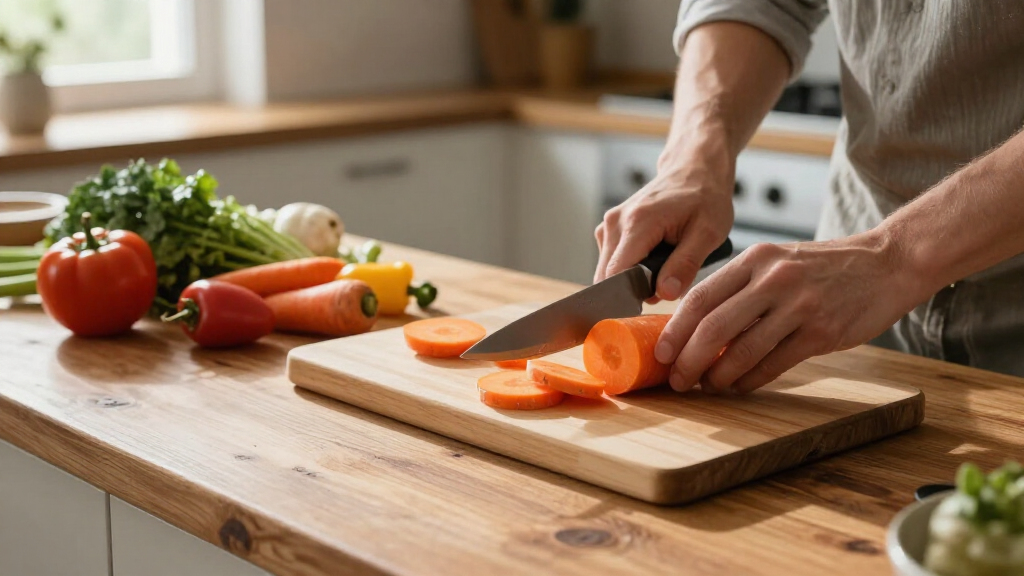
How We Picked
We evaluated santoku knives based on several core criteria: cutting performance, blade material and edge retention, handle comfort, overall build quality, and value for the price. Our ranking reflects a balance between these factors, prioritizing knives that perform well in everyday kitchen tasks while offering durability and ease of maintenance. We also considered user feedback and brand reputation to identify models suitable for both home cooks and more experienced chefs. The selected knives represent a range of budgets and styles, ensuring there’s a recommended option for different needs and preferences.| santoku knife | Material |
|---|---|
| Cuisinart 7-Inch Stainless Ste | Stainless Steel |
| 7 Inch Chef Santoku Knife | — |
| imarku 7 Inch Santoku Knife | High carbon stainless steel |
| Cuisinart C77SS-7SAN Graphix C | High-carbon stainless steel |
| Henckels Solution 2-Piece Sant | — |
| Victorinox Swiss Classic 7 Inc | Stainless steel |
| Imarku 7-Inch Santoku Knife wi | Japanese high carbon stainless steel |
| HOSHANHO 7 Inch Japanese Chef | — |
| Imarku 7 Inch Santoku Knife | German HC stainless steel |
| Imarku 5 Inch Santoku Knife | — |
Factors to Consider When Choosing Santoku Knives
Choosing the right santoku knife involves understanding key features that influence performance, comfort, and longevity. Beyond initial impressions, consider how the knife feels in your hand, how well it maintains its edge, and whether the blade material suits your care routine. Making the right choice can significantly improve your prep work, whether you’re slicing vegetables or dicing meat. Here are several factors to keep in mind as you shop for a santoku knife.Blade Material and Edge Holding
The blade material determines how sharp the knife can get and how well it retains that sharpness over time. High-carbon stainless steels, like 10Cr15Mov or Japanese VG-10, typically offer a good balance of hardness and corrosion resistance. Cheaper stainless steels may dull faster but are easier to maintain. Think about your willingness to sharpen and maintain the edge, especially if you cook frequently. Remember, a sharper knife reduces prep time and improves safety, but it may need more regular honing or sharpening if made from softer steel.
Handle Comfort and Ergonomics
A well-designed handle reduces fatigue and improves control during prolonged use. Look for ergonomic shapes that fit comfortably in your hand and materials that provide a secure grip, even when wet. Handles made from Pakkawood or textured plastics tend to offer better grip than smooth steels or plastics. Larger or heavier handles can provide more stability but might be tiring for smaller hands. Prioritize comfort if you do a lot of chopping or slicing, as this can make a noticeable difference in your kitchen experience.
Blade Size and Weight
The typical santoku blade ranges from 5 to 7 inches, with 7 inches being most common for versatility. Shorter blades are lighter and easier to control, ideal for beginners or those with smaller hands. Longer blades provide more chopping surface, which benefits slicing larger vegetables or meats, but can be less nimble for delicate tasks. Weight also influences handling; heavier blades can feel more stable but may cause fatigue, while lighter knives are more agile but might feel less substantial. Consider your comfort and the tasks you perform most often.
Price and Value
While premium knives often feature advanced steel and craftsmanship, they come at a higher cost. Budget options can still deliver decent performance, especially if you’re just starting out or have a limited budget. However, cheaper knives may require more frequent sharpening and may not last as long. Assess your cooking frequency and how much you value durability versus upfront cost. Investing a bit more can often result in a sharper, more durable blade that improves your kitchen workflow over time.
Maintenance and Care
Proper care extends the life of your santoku knife. High-carbon steels are more prone to rust if not dried properly after washing. Many quality knives are dishwasher safe, but hand washing with mild soap is recommended for longevity. Regular honing keeps the edge aligned, while occasional sharpening restores its cutting ability. Consider how much effort you’re willing to put into maintenance when choosing a blade—some steels demand more attentive care but offer better performance, while others are more forgiving but may not hold an edge as long.
Frequently Asked Questions
Can I use a santoku knife for all types of cutting tasks?
Yes, a santoku knife is designed for versatility, excelling at slicing, dicing, and mincing vegetables, meats, and even fish. Its shorter, wider blade allows for precise cuts and controlled chopping motions. However, it may not be ideal for heavy-duty tasks like splitting bones or carving large roasts, where a heavier cleaver or carving knife would be more appropriate. For most kitchen prep work, a santoku offers a balanced combination of control and efficiency.
Is a high-carbon steel santoku worth the extra maintenance?
High-carbon steels provide a sharper edge and better edge retention, but they require more careful maintenance to prevent rust and staining. If you’re willing to regularly hone and hand wash your knife, a high-carbon steel can significantly enhance your cutting experience. For casual cooks or those who prefer low-maintenance tools, stainless steel options may be more suitable, offering easier care at the expense of some edge longevity.
Should I buy a set or a single santoku knife?
Purchasing a set can be more economical and provides additional knives for different tasks, but individual quality may vary. Sets often include a santoku alongside other knives, which is convenient for home cooks building their collection. However, if you already own a good chef’s knife, investing in a high-quality santoku separately might make more sense for dedicated precision tasks. Consider your cooking style and whether you prefer a versatile set or a specialized single knife.
What is the best handle material for longevity and comfort?
Handles made from Pakkawood or textured, high-quality plastics tend to be durable and provide a secure grip, even when wet. Pakkawood offers a classic look and good comfort but may require more care to prevent moisture damage. Plastic handles are generally low-maintenance and resistant to cracking or warping. The choice depends on your preference for aesthetics and willingness to maintain the handle, but comfort and grip should be the priority for extended use.
How often should I sharpen a santoku knife?
The frequency of sharpening depends on how often you use the knife and the steel quality. Typically, honing every few uses keeps the edge aligned, while a full sharpening might be needed every 6 to 12 months for regular home use. If you notice the knife tearing or crushing ingredients instead of slicing cleanly, it’s time for a sharpen. Regular maintenance ensures your santoku remains effective and safe, preventing the need for more aggressive sharpening or replacement.
Conclusion
The best overall pick for most home cooks remains the Imarku 7-Inch Santoku Knife thanks to its balanced performance and ergonomic design. Budget-conscious buyers will find the Cuisinart 7-Inch Stainless Steel Santoku offers solid value, while those seeking premium craftsmanship should consider a high-end Japanese model. Beginners will benefit from lighter, easier-to-handle options, whereas experienced chefs may prioritize durability and edge retention. Ultimately, your choice should align with your cooking habits, maintenance willingness, and budget to ensure you get the most satisfying cutting experience.
Halloween Picks
halloween
As an affiliate, we earn on qualifying purchases.