

To determine if your change is working, you should combine performance metrics with direct employee feedback. Track specific indicators like task times or error rates to see measurable progress, and gather input from staff to understand how they experience the change. Use tools to monitor these continuously and schedule regular reviews. This approach helps you spot issues early and adjust strategies, ensuring successful implementation. Keep exploring to uncover more ways to measure your progress effectively.
Key Takeaways
- Set clear, measurable goals to evaluate progress effectively.
- Collect employee feedback to gauge acceptance and identify issues early.
- Use performance metrics to track specific indicators before and after changes.
- Combine qualitative insights with quantitative data for a comprehensive assessment.
- Implement continuous monitoring and adjust strategies based on data and feedback.

When implementing change, it’s crucial to determine if your efforts are producing the desired results. You want to be confident that your initiatives are making a tangible impact, and that means establishing clear ways to measure progress. One of the most effective methods is gathering employee feedback. Your team members are on the front lines—they experience the day-to-day effects of change firsthand. By actively seeking their input through surveys, interviews, or informal conversations, you gain valuable insights into how the change is being received, whether it’s improving workflows, morale, or collaboration. Employee feedback helps you identify unforeseen issues and gauge overall acceptance, which is critical for long-term success. Additionally, understanding the importance of biodiversity in your environment can help guide more sustainable change strategies that support ecological balance. Incorporating performance metrics allows you to track specific indicators related to your objectives and provides concrete evidence of progress. Alongside feedback, performance metrics serve as definitive indicators of whether your change efforts are working. These metrics are quantifiable data points that track specific aspects related to your goals. For example, if you’re implementing a new software system, you might look at metrics such as task completion times, error rates, or user adoption rates. If your goal is to improve customer satisfaction, you should monitor scores like Net Promoter Score (NPS) or customer retention rates. By comparing these metrics before and after the change, you can determine if there’s measurable improvement. Be sure to set specific, realistic targets for each metric so you can clearly see whether you’re on track. To get an all-encompassing picture, combine both qualitative and quantitative data. Employee feedback provides context, revealing how people feel about the change, while performance metrics give you hard data to confirm whether those feelings translate into actual improvements. It’s also beneficial to use technology tools that facilitate data collection and analysis, making it easier to track progress over time. Moreover, establishing a feedback loop ensures continuous improvement by regularly reviewing data and making necessary adjustments. Additionally, establishing a clear review schedule—such as monthly or quarterly—helps you stay updated and enables you to respond promptly to any issues or setbacks. If you notice metrics stagnating or declining, and feedback indicates dissatisfaction, it’s a sign that your change strategy might need adjustment. Conversely, positive trends in both areas validate that your efforts are effective.

Employee Surveys That Make a Difference: Using Customized Feedback Tools to Transform Your Organization
Used Book in Good Condition
As an affiliate, we earn on qualifying purchases.
As an affiliate, we earn on qualifying purchases.
Frequently Asked Questions
What Are Common Pitfalls in Measuring Change Effectiveness?
You might fall into common pitfalls like overlooking change resistance, which can skew your results if people resist or don’t adopt new ways. Ignoring cultural alignment is another mistake, as if the change doesn’t fit with your organization’s values, it won’t stick. Additionally, relying solely on quantitative data or skipping stakeholder feedback can give you an incomplete picture of the change’s effectiveness, leading to misguided conclusions.
How Often Should Progress Be Evaluated During Change Initiatives?
You should evaluate progress regularly, ideally every few weeks, to monitor change adoption and address resistance management promptly. Frequent assessments help identify issues early, enabling you to adjust strategies and keep momentum. Keep an eye on how well staff are embracing new processes and whether resistance is diminishing. This continuous review ensures your change initiatives stay on track, fostering smoother shifts and higher success rates.
Which Metrics Are Most Reliable for Assessing Change Success?
You should rely on metrics like employee engagement scores and cultural alignment indicators to assess change success. Employee engagement surveys reveal how staff connect with new initiatives, while cultural alignment measures show how well the change fits your organization’s values. Tracking these metrics regularly helps you identify areas needing improvement and confirms whether your change efforts genuinely resonate across your team, ensuring sustained progress and organizational cohesion.
How Do You Incorporate Stakeholder Feedback Into Measurement?
Stakeholder engagement is the heartbeat of effective change measurement. You actively seek their feedback through surveys, interviews, or informal chats, making certain to listen more than you speak. To integrate this feedback, you analyze patterns and adjust your metrics accordingly, turning their insights into actionable steps. This approach guarantees your measurement process remains aligned with stakeholder needs, fostering trust and creating a feedback loop that keeps everyone on the same page.
What Tools Can Simplify Tracking Change Progress?
You can simplify tracking change progress by using digital dashboards, which provide real-time visual updates on key metrics, making it easy to monitor improvements. Additionally, conducting employee surveys helps gather direct feedback on how change is impacting staff. Combining these tools allows you to quickly identify areas needing adjustment and stay aligned with your change management goals, ensuring continuous improvement and clear visibility into your progress.

Excel for Tracking Goals and Performance Metrics: Your Road from Novice to Skilled Professional
As an affiliate, we earn on qualifying purchases.
As an affiliate, we earn on qualifying purchases.
Conclusion
So, if you want to know whether your change is truly working, you gotta measure, track, and analyze like your success depends on it—because it does! Don’t just hope for the best or cross your fingers; immerse yourself with data, watch every tiny shift, and celebrate every small win. Remember, ignoring measurement is like trying to steer a ship blindfolded—you’re risking the entire voyage. Measure smart, act fast, and watch your change transform everything!

FEEDBACK SPORTS | Team Edition Bike Tool Kit | 19 Piece/25 Function Bicycle Repair Set | Professional Grade | Protective Portable and Compact Carry Case
25 FUNCTIONS IN 19 PROFESSIONAL-GRADE TOOLS: Designed specifically for bicycles, this comprehensive tool kit includes Allen wrenches, torx…
As an affiliate, we earn on qualifying purchases.
As an affiliate, we earn on qualifying purchases.
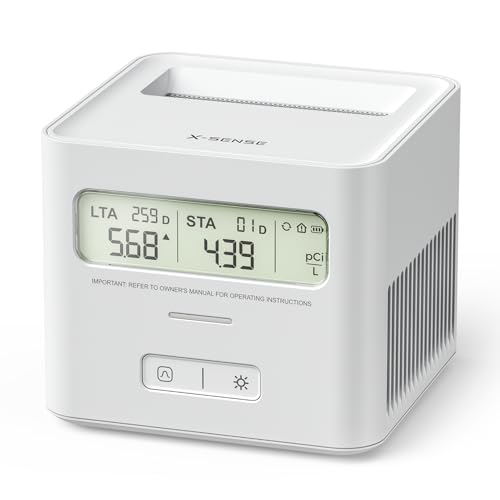
X-Sense Radon Detector for Home, Easy to Use, Zero Lab Fees, No Installation Required, Continuous Monitoring with Clear LCD Screen
Precise and High Performance: This radon detector complies with the standard requirements for performance parameters, and provides precise…
As an affiliate, we earn on qualifying purchases.
As an affiliate, we earn on qualifying purchases.