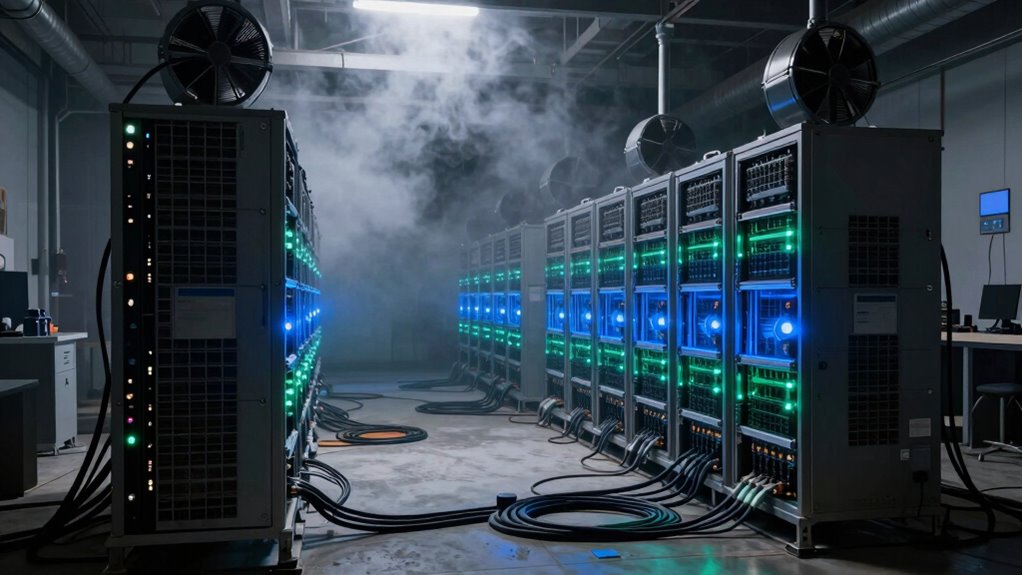

Quiet bitcoin miners may seem appealing for reducing noise pollution, but they often come with trade-offs like lower performance and higher energy use. Their passive cooling or small fans tend to increase power consumption, raising costs and offsetting savings. Plus, they’re usually less efficient and may require more maintenance or upgrades over time. If you’re curious about how these compromises affect your mining setup, you’ll find more details ahead.
Open a free Amazon Business account
Business pricing, bulk buying and tax-exempt orders.
As an affiliate, we earn on qualifying purchases.
Key Takeaways
- Quiet miners often consume more power, increasing energy costs and potentially offsetting noise reduction benefits.
- Reduced hardware performance for quieter operation can lower mining efficiency and profitability.
- Specialized cooling and compact designs may lead to higher maintenance costs and decreased reliability.
- Higher initial investments and limited upgradability can make quiet miners less cost-effective long-term.
- Balancing noise reduction with performance and expenses is essential to determine long-term practicality.
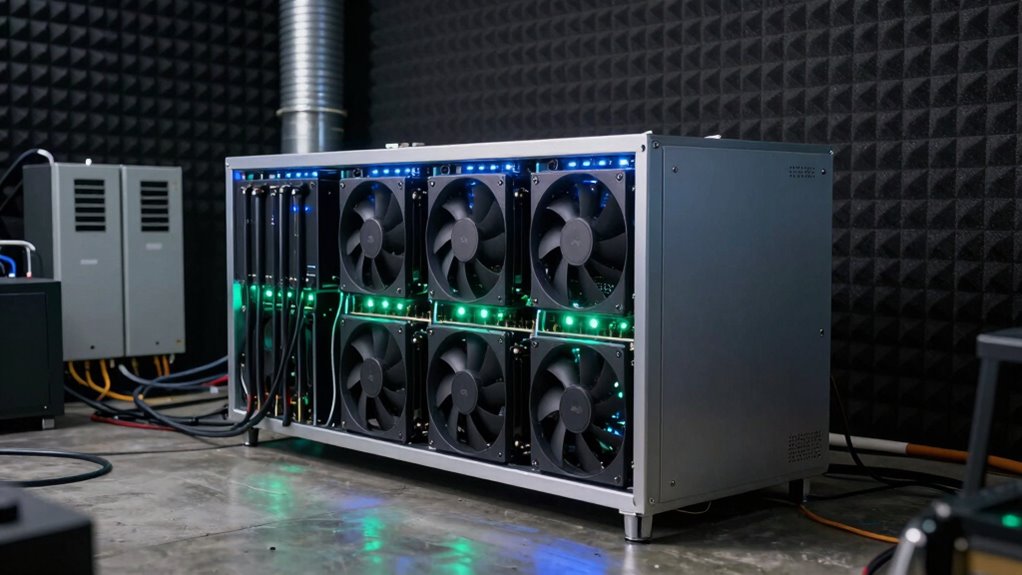
Quiet Bitcoin miners often seem like the perfect solution for anyone wanting to avoid noisy, disruptive hardware. If you’ve been put off by the loud whirring of traditional mining rigs, these silent devices might catch your eye. They promise to reduce noise pollution, creating a more peaceful environment while still allowing you to participate in cryptocurrency mining. But before you get too excited, it’s important to understand the trade-offs involved.
While these quieter miners cut down on noise pollution, they often do so by sacrificing efficiency. Many rely on different cooling methods, such as passive cooling or smaller fans, which tend to require more power to operate effectively. This increased power consumption can considerably hike your electricity bills, especially if you’re running multiple units. In some cases, the energy costs might outweigh the savings gained from lower noise levels, making the operation less economically viable over time. Additionally, the energy efficiency of these devices can vary significantly, impacting overall profitability. Reduced hardware performance may also occur as a result of design limitations aimed at noise reduction.
Another aspect to weigh is the overall performance of quiet miners. To keep noise levels down, manufacturers sometimes design these devices with less powerful hardware or reduced processing speeds. That means your mining output could be lower compared to traditional, noisier rigs. If your goal is maximum profitability, you might find that the quiet models don’t deliver the same hash rates or efficiency, ultimately slowing down your mining progress and diminishing your returns. Furthermore, the need for specialized cooling solutions can sometimes result in increased maintenance costs or more frequent repairs. It’s also worth noting that the compact designs and specialized components used in quiet miners can sometimes lead to decreased reliability, especially under continuous operation.
Furthermore, the trade-off extends beyond just power and noise. Quiet miners often come with a higher initial cost because specialized components or unique cooling systems are more expensive to produce. You might pay a premium upfront for a device that seems ideal on paper but doesn’t quite match the mining performance of standard equipment. Over time, the lower noise levels and energy savings may not compensate for the initial investment and reduced output. Also, some quieter models may have limited upgrade options, which could hinder future performance improvements.
Lastly, you should think about the long-term maintenance and reliability of these quieter devices. Specialized cooling solutions or compact designs can sometimes lead to more frequent repairs or difficulties in troubleshooting. If you value hassle-free operation and consistent performance, the compromises made to achieve quietness could become a headache. Properly assessing these trade-offs can help you determine whether a quiet miner aligns with your overall mining strategy and budget.
quiet bitcoin miner with high efficiency
As an affiliate, we earn on qualifying purchases.
As an affiliate, we earn on qualifying purchases.
Frequently Asked Questions
Are Quiet Bitcoin Miners Less Efficient Than Traditional Models?
Quiet Bitcoin miners are often less energy-efficient than traditional models because they prioritize noise reduction, which can limit their cooling capabilities. This trade-off means you might see lower performance or higher power usage to maintain quieter operation. While quieter miners improve your environment, you should consider whether the reduced energy efficiency aligns with your mining goals, as it could impact profitability over time.
Do Quiet Miners Cost More Upfront Than Louder Options?
Yes, quiet miners often cost more upfront than louder options because they use advanced noise reduction technology and specialized cooling systems. While they tend to have lower noise levels, you might notice increased energy consumption or higher initial expenses. However, this investment can pay off by reducing noise-related disturbances and possibly improving efficiency over the long term. Keep in mind, the trade-off involves balancing quieter operation against higher initial costs.
How Do Quiet Miners Impact Overall Mining Profitability?
Quiet miners can positively impact your overall profitability by reducing noise pollution, making your setup more acceptable locally. However, they often consume more energy to operate efficiently, increasing ongoing costs. While the initial investment might be higher, the lower noise levels can prevent community issues or legal restrictions. Keep in mind, increased energy consumption could cut into your profits, so weigh the trade-offs carefully before choosing a quiet mining solution.
Are Quiet Bitcoin Miners Suitable for Large-Scale Mining Farms?
Yes, quiet Bitcoin miners can be suitable for large-scale mining farms, especially if noise reduction is a priority. These miners help minimize environmental impact by reducing noise pollution, making them ideal for locations with strict noise regulations or nearby communities. However, consider trade-offs like potential higher costs or lower efficiency compared to traditional models. Ultimately, if noise reduction and environmental impact are key concerns, quiet miners can be a smart choice for large-scale operations.
What Is the Typical Lifespan of a Quiet Bitcoin Miner?
A penny saved is a penny earned, and quiet Bitcoin miners usually last around 3 to 5 years. You benefit from noise reduction and energy savings, but components wear out over time, especially with continuous use. If you keep proper maintenance, you might extend their lifespan, yet eventually, hardware will require upgrading or replacement. Stay vigilant, as longevity depends on quality, workload, and how well you care for your equipment.
energy-efficient cryptocurrency mining rig
As an affiliate, we earn on qualifying purchases.
As an affiliate, we earn on qualifying purchases.
Conclusion
Sure, here’s a short conclusion based on your instructions:
You’re drawn to quiet Bitcoin miners like a moth to a gentle glow, thinking they’re the perfect solution. But beneath that calm surface, there’s a storm of trade-offs—higher costs, energy concerns, and limited power. It’s a delicate dance, like balancing on a tightrope over turbulent waters. Before you leap, weigh the silence against what you might be sacrificing, because sometimes the quietest waters hide the deepest currents.
low noise Bitcoin mining hardware
As an affiliate, we earn on qualifying purchases.
As an affiliate, we earn on qualifying purchases.
As an affiliate, we earn on qualifying purchases.
Flea & tick season Picks
flea and tick prevention
As an affiliate, we earn on qualifying purchases.