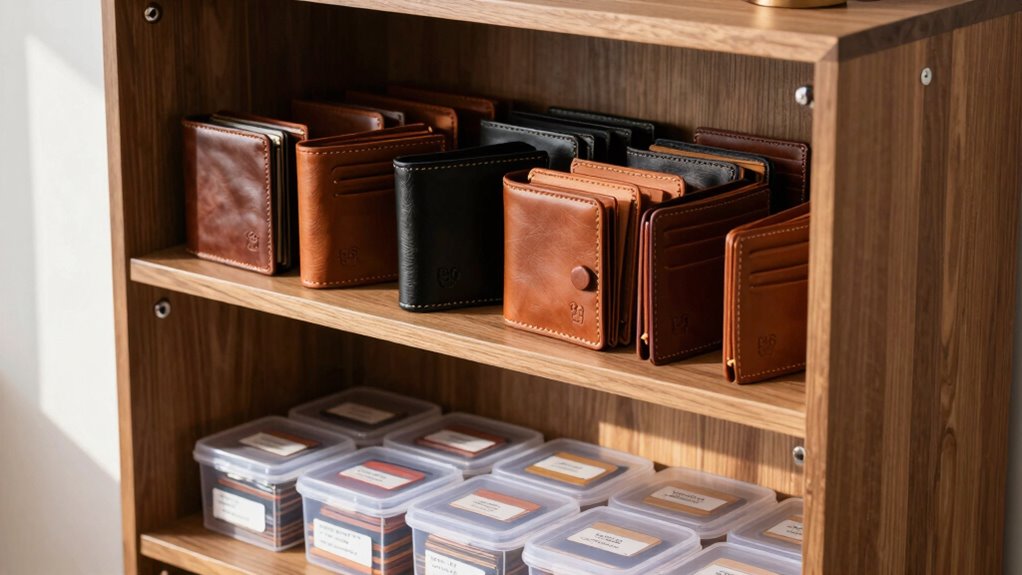

To build a two-layer storage plan, keep your primary wallet offline using hardware wallets or cold storage, protected in physical safes or safety deposit boxes. For backups, create encrypted copies stored in multiple, geographically dispersed locations, with separate encryption keys kept securely apart. Regularly test your backup recovery process to guarantee data integrity. This layered approach minimizes risks of theft, loss, or damage—continue to explore how to strengthen each layer for maximum security.

Get hardware and tech essentials delivered free — and shop member deals
- Fast, free delivery on millions of items
- Access to Prime Big Deal Days deals on October 6–7
- Prime Video, Amazon Music and more included
Key Takeaways
- Use hardware wallets for primary storage and keep private keys offline in secure, physical safes or safety deposit boxes.
- Encrypt backup files with strong, unique passwords and store them separately in geographically dispersed locations.
- Maintain separate secure locations for encryption keys and backup files to prevent simultaneous compromise.
- Regularly verify and test backup restoration processes to ensure data integrity and accessibility.
- Implement multi-factor authentication and physical security measures to safeguard both primary wallets and backup storage.
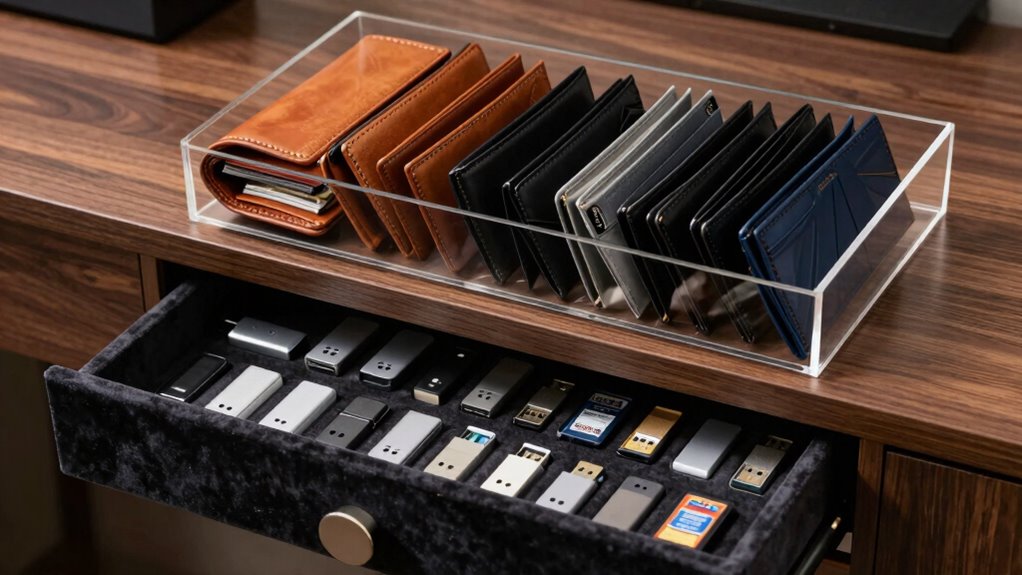
Creating a secure storage plan for your wallets and backups is essential to protect your assets from theft, loss, or damage. When it comes to cryptocurrency security, implementing a two-layer storage strategy ensures your digital wealth stays safe, even if one layer is compromised. The first layer involves securing your primary wallets, where you actively manage your funds. Use hardware wallets or cold storage solutions to keep your private keys offline, away from internet threats. These devices are less vulnerable to hacking attempts and malware. For added security, consider storing your seed phrases and private keys in physical safes or safety deposit boxes, ensuring they’re inaccessible to unauthorized individuals.
The second layer focuses on your backups. You need encrypted copies stored in multiple, geographically dispersed locations. Backup encryption is crucial here—by encrypting your backup files, you make sure that even if someone gains access, they can’t misuse your data without the decryption key. Use strong, unique passwords for your encrypted backups, and consider employing open-source encryption tools that have been vetted for security. This way, your backups remain confidential and resistant to theft or tampering. Remember, the goal is to prevent a single point of failure; if your primary wallet is compromised, your backup should remain secure and intact, ready for recovery.
To further strengthen your two-layer storage plan, regularly update and test your backups. Encryption isn’t enough if you don’t verify that your backups can be restored successfully. Keep your encryption keys separate from your backup files, ideally stored in a different secure location, to mitigate risks if one place is breached. Additionally, hardware wallets are designed to enhance your security by keeping private keys offline. Also, consider using multi-factor authentication (MFA) for your storage devices and management platforms, adding an extra layer of protection. By doing so, you make it significantly harder for someone to access your wallets or backups without your explicit approval.
hardware wallets for cryptocurrency
As an affiliate, we earn on qualifying purchases.
As an affiliate, we earn on qualifying purchases.
Frequently Asked Questions
What Materials Are Best for Secure Storage Containers?
You should choose materials that balance durability and security when designing container materials. Metal, such as stainless steel or titanium, offers high durability and resistance to tampering or environmental damage. Heavy-duty plastics like polycarbonate provide impact resistance and are lightweight. Consider fireproof and waterproof options for added protection. Overall, prioritize materials that withstand wear, environmental threats, and potential theft, ensuring your storage options remain secure over time.
How Often Should I Rotate My Backup Locations?
You should rotate your backup locations every 6 to 12 months to maintain digital redundancy and geographic diversity. Regular rotation minimizes risks from theft, damage, or natural disasters at a single site. By updating your backups periodically, you guarantee your data remains secure and accessible, while spreading the risk across different locations. This proactive approach helps safeguard your assets, making sure you’re protected even if one backup site is compromised.
Is It Necessary to Use Encryption for Physical Backups?
Yes, you should definitely use encryption for physical backups. Digital encryption protects your backup data from unauthorized access, ensuring your private keys stay secure. Incorporate backup redundancy by storing multiple encrypted copies in different secure locations. This way, even if one backup is compromised or damaged, your assets remain safe. Encryption adds an essential layer of security, safeguarding your wallet information against theft or loss during physical storage.
How Do I Prevent Physical Damage to Stored Wallets?
Think of your wallets as delicate glass sculptures—handling them with care is essential. To prevent physical damage, store them in a sturdy, waterproof case away from extreme temperatures and humidity. Use fireproof safes for theft prevention and make sure they’re kept in a secure, discreet location. Regularly check your storage conditions, and avoid unnecessary movement. This approach safeguards your digital security and preserves your wallets against physical harm.
What Are the Legal Considerations for Storing Backups?
You need to guarantee legal compliance and adhere to privacy regulations when storing backups. Check local laws regarding data protection and encryption, especially if handling sensitive information. Use secure methods to encrypt backups, and document your security practices. Be aware of any restrictions on data storage locations and retention periods. Regularly review legal requirements to prevent violations, and consult legal experts if you’re unsure about compliance standards.
As an affiliate, we earn on qualifying purchases.
Conclusion
By implementing a two-layer storage plan, you greatly enhance your crypto security—research shows that 60% of wallet hacks occur due to poor backup management. Keep your private keys in a secure hardware wallet and store backups offline in geographically dispersed locations. This approach minimizes risks and guarantees your assets are protected even if one layer is compromised. Remember, a well-structured plan isn’t just smart—it’s essential for long-term peace of mind.
As an affiliate, we earn on qualifying purchases.
multi-factor authentication security key
As an affiliate, we earn on qualifying purchases.
As an affiliate, we earn on qualifying purchases.
Fall Picks
fall essentials
As an affiliate, we earn on qualifying purchases.