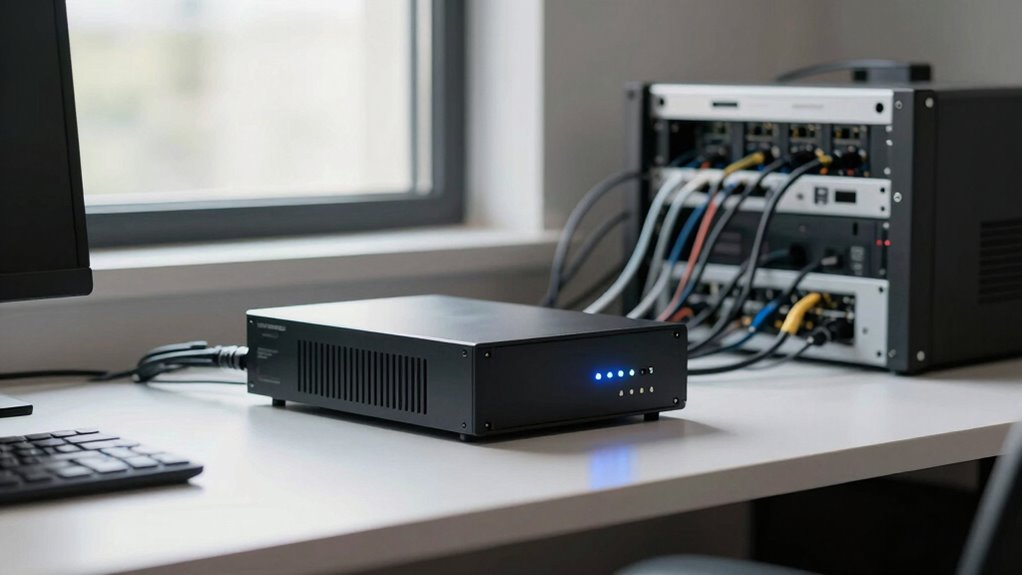

Most buyers focus on a UPS’s capacity number, but that doesn’t tell you how well your setup is protected during outages. Capacity reflects maximum load, not how long your equipment can run afterward. Relying solely on capacity can lead to inadequate backup and potential damage. Instead, pay attention to battery runtime, which determines how long your devices stay powered. To discover more about choosing the right UPS for your needs, keep exploring these key concepts.
Listen free for 30 days with Audible
Thousands of audiobooks and originals — cancel anytime.
As an affiliate, we earn on qualifying purchases.
Key Takeaways
- Buyers often prioritize capacity ratings, but runtime and voltage stability are more critical for protecting setups.
- A high capacity number doesn’t guarantee sufficient backup time during outages.
- Focusing solely on capacity can lead to choosing an undersized or oversized UPS, risking damage or unnecessary costs.
- Proper load management and runtime considerations are essential for effective backup and equipment safety.
- The most important factor is selecting a UPS that balances capacity, runtime, and reliability for specific setup needs.
As an affiliate, we earn on qualifying purchases.
Why Capacity Ratings Can Be Misleading When Choosing a UPS
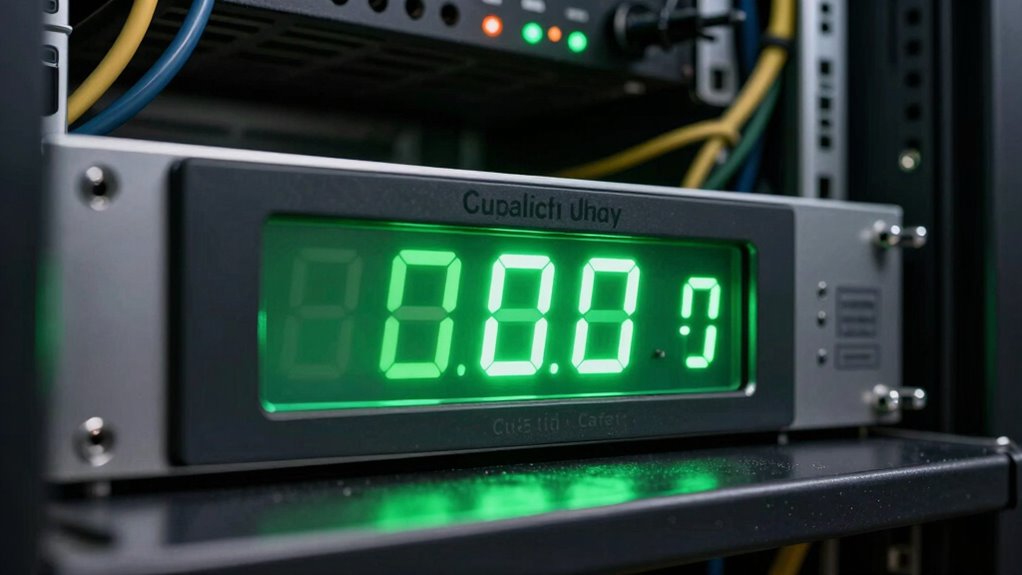
While capacity ratings might seem like a straightforward way to compare UPS units, they can often be misleading. These ratings typically focus on maximum load, but don’t fully capture voltage stability, which is vital for sensitive equipment. A higher capacity doesn’t guarantee consistent voltage output, risking power fluctuations that can damage devices. Additionally, noise levels are rarely highlighted but matter in quiet environments like offices or labs. A UPS with a lower capacity might provide better voltage stability and operate more quietly, offering more reliable backup power. Understanding power quality is crucial because it directly impacts your equipment’s safety and longevity. Relying solely on capacity ratings can lead you to choose a unit that doesn’t meet your needs for voltage stability and noise performance. To better understand the importance of these factors, consider how power quality directly impacts your equipment’s safety and longevity. Understanding power quality is essential when selecting the right UPS to ensure your setup remains protected and efficient.
uninterruptible power supply with long backup time
As an affiliate, we earn on qualifying purchases.
As an affiliate, we earn on qualifying purchases.
Why Battery Runtime Is the Most Important Metric for Backup Power
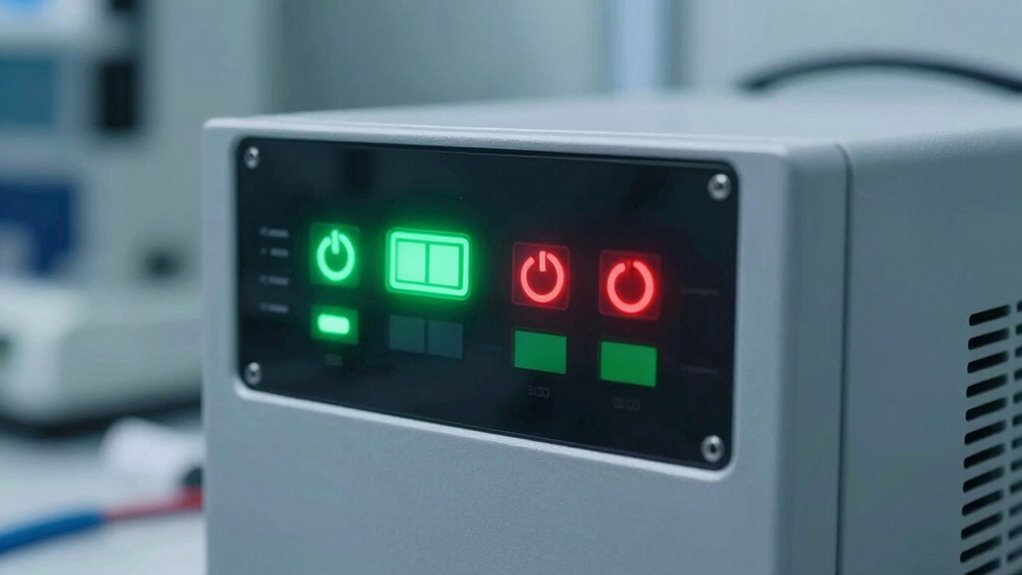
Battery runtime is the most critical metric when selecting a UPS because it determines how long your equipment can stay powered during an outage. Longer runtimes give you time to save work, shut down safely, or switch to an alternative power source. Battery longevity affects how well the UPS maintains its runtime over years, guaranteeing consistent backup power. Power efficiency also plays a role, as efficient batteries use less energy and generate less heat, prolonging battery life. Additionally, understanding smart cooking features can help optimize energy use and enhance safety in modern kitchens. Recognizing the importance of protocols in UPS systems can ensure compatibility and reliable operation during power disruptions.
As an affiliate, we earn on qualifying purchases.
How Battery Runtime Affects Your Power During Outages
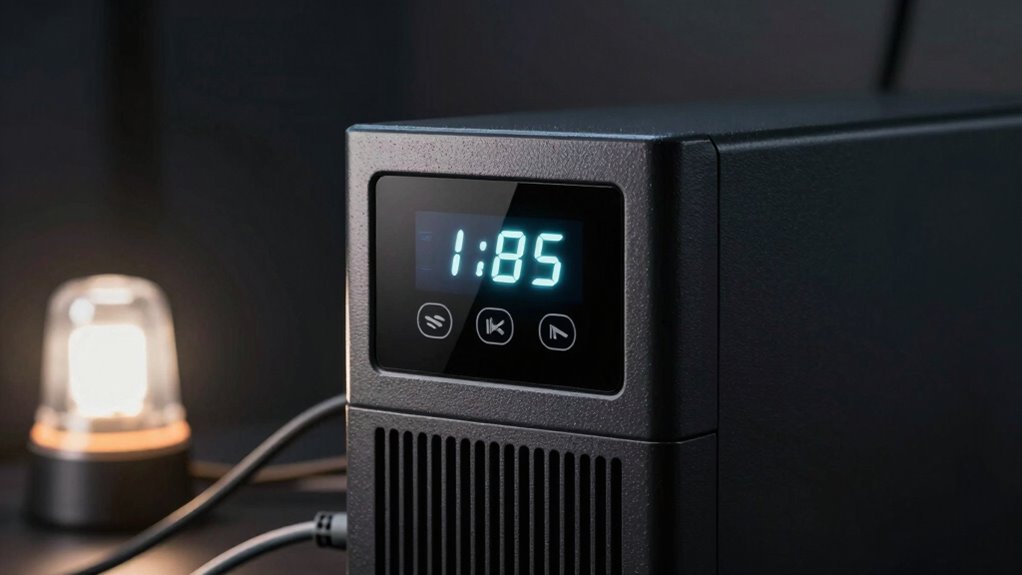
Have you ever experienced a power outage and wondered if your equipment would stay online long enough to save your work? Battery runtime directly impacts your power preservation during these moments. The longer the battery longevity, the more time you have to safely shut down or switch to backup systems. Short battery runtimes can leave you scrambling, risking data loss and equipment damage. A UPS with adequate battery capacity guarantees your setup remains powered during outages, giving you a critical window to act. This is especially important for sensitive devices that require steady power. Proper battery management features can optimize runtime and improve overall performance. Incorporating insights from the Mental Wellbeing Index, which assesses overall mental health status, can also help you better understand the importance of reliable power in maintaining a calm and focused environment. Thorough analysis of your options can help ensure you select the right capacity for your needs.
As an affiliate, we earn on qualifying purchases.
Common Myths About UPS Capacity and Backup Reliability
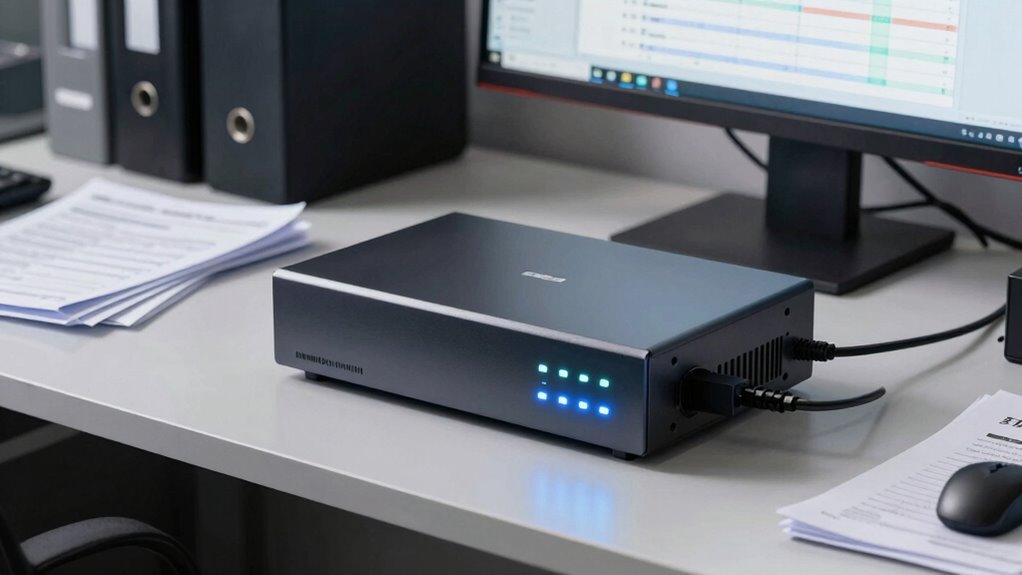
Many people assume that a larger UPS capacity always means better backup reliability, but this isn’t necessarily true. A bigger capacity doesn’t guarantee longer battery lifespan or improved power quality during outages. In fact, overloading your UPS can reduce battery lifespan and compromise backup effectiveness. It’s more important to match your UPS size to your actual load and needs. Understanding power management is crucial for making informed decisions about backup systems. Properly managing early warning signs can help prevent unexpected failures and enhance overall system reliability. Being aware of load balancing techniques can further optimize your UPS performance and longevity.
How to Choose a UPS Based on Runtime to Ensure Reliable Backup Power
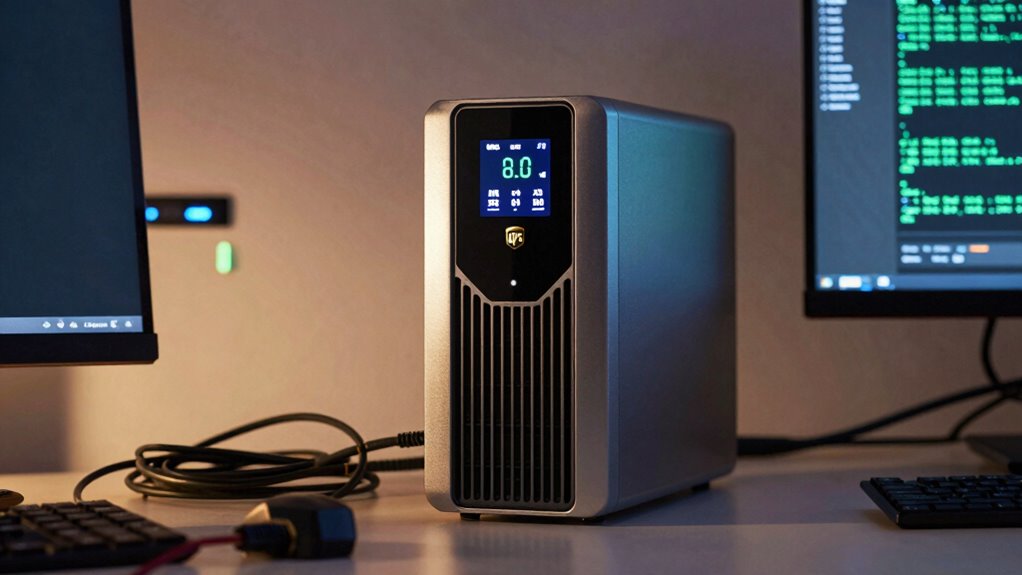
Choosing the right UPS based on runtime guarantees your critical equipment stays powered during outages without overpaying for unnecessary capacity. To do this, determine how long your devices need backup power, especially during outages. Consider the power efficiency of the UPS, as more efficient models use less energy, reducing operating costs and extending battery lifespan. Keep in mind that batteries degrade over time, so selecting a UPS with a manageable runtime ensures you’re not replacing batteries prematurely. Incorporate Eco-Friendly Natural Pools practices to minimize environmental impact while maintaining efficient backup power solutions. Additionally, understanding the AI Ethicist Jobs landscape can help organizations develop responsible AI-driven security systems that adapt to evolving cyber threats. Balance your power needs with the UPS’s runtime to avoid overspending on capacity you won’t use. By focusing on runtime, you guarantee reliable backup power when you need it most, while maintaining maximum power efficiency and extending your UPS’s overall lifespan.
Frequently Asked Questions
How Often Should I Test My UPS Battery Health?
You should test your UPS battery health at least every six months to guarantee reliable surge protection and prevent unexpected failures. Regular testing helps identify batteries needing recycling or replacement before a power outage occurs. During tests, monitor for signs of deterioration, and consider battery recycling options if replacements are necessary. Consistent testing keeps your setup protected and extends the lifespan of your UPS, ensuring it performs when you need it most.
Can a Higher Capacity UPS Improve Runtime?
Increasing your UPS capacity can definitely improve runtime. Imagine a small business upgrading from a 1000VA to a 2000VA unit; the extra capacity allows the UPS to power larger or more devices longer during outages. This capacity optimization directly enhances your runtime, giving you more time to save work or shut down safely. So yes, a higher capacity UPS can markedly extend your backup period, especially for critical setups.
What’s the Best Way to Extend My UPS Battery Life?
To extend your UPS battery life, focus on proper power management by avoiding overloads and ensuring stable power input. Regularly perform battery recycling to replace old batteries before they fail, and keep your UPS in a cool, dry place to prevent overheating. Proper maintenance reduces wear, while smart power management minimizes unnecessary strain, helping your UPS last longer and perform reliably when you need it most.
Are There Different Types of Batteries Used in UPS Units?
Imagine your UPS battery as a tiny powerhouse with different personalities—lead-acid and lithium-ion. Lead-acid batteries are common, durable, and cost-effective, thriving on multiple charging cycles. Lithium-ion batteries, however, are lighter, faster to recharge, and have a longer lifespan but come at a higher cost. Understanding these battery chemistry differences helps you choose the right type for your setup, ensuring longevity and reliable backup power.
How Does Temperature Affect UPS Battery Performance?
Temperature profoundly impacts your UPS battery performance. High temperatures accelerate battery degradation, shortening its lifespan and reducing efficiency. Conversely, low temperatures can slow chemical reactions, limiting capacity and runtime. Proper thermal management helps maintain ideal battery temperature, ensuring longer life and reliable backup power. By controlling temperature, you prevent unnecessary battery wear and maximize your UPS system’s effectiveness when you need it most.
Conclusion
Don’t be deceived by the dazzling digits of capacity—focus on the figure that truly fuels your needs: runtime. By understanding how battery lifespan supports your setup during unforeseen outages, you empower your equipment with endurance and reliability. Remember, selecting a UPS based on runtime, not just capacity, ensures your system stays strong and secure when it matters most. Prioritize practical power over pretty numbers, and your backup will be robust, resilient, and ready.
NFL season / tailgating Picks
team gear
As an affiliate, we earn on qualifying purchases.