

Choosing the best router for crypto trading involves balancing speed, stability, security, and coverage. The top pick, NETGEAR Nighthawk WiFi 7 Router, stands out for its impressive speed and broad coverage, ideal for demanding trading setups. TP-Link Archer BE550 offers excellent tri-band performance, making it suitable for multi-device environments. Meanwhile, the GL.iNet GL-BE9300 Flint provides robust security features for traders concerned about privacy. The main tradeoffs often involve balancing high performance with price and ease of setup. Continue reading for a detailed breakdown of each option and what makes it suitable for crypto traders.

Get hardware and tech essentials delivered free with Prime
- Fast, free delivery on millions of items
- Prime Video, Amazon Music and more included
- Member-only deals all year
Key Takeaways
- High-speed WiFi 7 routers significantly improve trading latency and data transfer times.
- Tri-band routers tend to offer more stable connections in environments with multiple devices.
- Security features like VPN support and advanced encryption are critical for privacy-focused traders.
- Coverage area is essential for traders with home setups spanning multiple rooms or floors.
- Price varies widely; premium routers offer better performance but may not be necessary for every trader.
| TP-Link BE6500 Dual-Band WiFi 7 Router (BE400) |  | Best Overall for High-Speed, Secure Home Networks | Wi-Fi Technology: Wi-Fi 7 | Max Speed: 5764 Mbps (5GHz), 688 Mbps (2.4GHz) | Coverage: Up to 2,400 sq. ft. | VIEW LATEST PRICE | See Our Full Breakdown |
| NETGEAR Nighthawk WiFi 7 Router, Up to 2,500 sq ft, 9.3 Gbps | 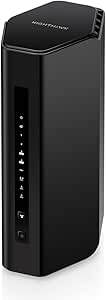 | Best for Large Homes with Max Speed and Device Support | Maximum Speed: 9.3 Gbps | Coverage Area: 2,500 sq ft | Device Capacity: up to 100 devices | VIEW LATEST PRICE | See Our Full Breakdown |
| TP-Link Tri-Band WiFi 7 Router (Archer BE550) |  | Best for Seamless Mesh Coverage and Future-Proofing | WiFi Bands: Tri-Band | Max Speed: 5760 Mbps | Ports: 1x 2.5G WAN, 4x 2.5G LAN | VIEW LATEST PRICE | See Our Full Breakdown |
| TP-Link AXE5400 Tri-Band WiFi 6E Router |  | Best for Cutting-Edge WiFi 6E Technology and Low Latency | WiFi Speed: up to 5400 Mbps | Bands: Tri-Band (6 GHz, 5 GHz, 2.4 GHz) | Processor: 1.0 GHz dual-core CPU | VIEW LATEST PRICE | See Our Full Breakdown |
| GL.iNet GL-BE9300 Flint 3 Tri-Band Wi-Fi 7 Router |  | Best for Secure, VPN-Ready, High-Speed Connectivity | Wi-Fi Speed: up to 12.5 Gbps | Bands: Tri-Band | Coverage Area: 2000 sq ft | VIEW LATEST PRICE | See Our Full Breakdown |
| NETGEAR Nighthawk WiFi 7 Router RS90, Up to 2,000 sq ft, 3.6 Gbps |  | Best Overall for Large Homes with High-Speed Needs | Speed: up to 3.6 Gbps | Coverage: up to 2,000 sq ft | Bands: Dual-band (2.4 GHz and 5 GHz) | VIEW LATEST PRICE | See Our Full Breakdown |
| TP-Link AX1800 WiFi 6 Router (Archer AX21 V5) |  | Best Value for Reliable WiFi 6 Performance | Technology: Wi-Fi 6 (802.11ax) | Bands: Dual-band | Total Bandwidth: 1.8 Gbps | VIEW LATEST PRICE | See Our Full Breakdown |
| routers for crypto trader | Ports | Bands | Security |
|---|---|---|---|
| TP-Link BE6500 Dual-Band WiFi | 1x 2.5 Gbps WAN/LAN, 1x 2.5 Gbps LAN, 3x 1 Gbps LAN | — | — |
| NETGEAR Nighthawk WiFi 7 Route | 1x 2.5 Gig WAN, 2x 2.5 Gig LAN, 2x 1 Gig LAN, 1x USB 3.0 | Tri-band (2.4 GHz, 5 GHz, 6 GHz) | — |
| TP-Link Tri-Band WiFi 7 Router | 1x 2.5G WAN, 4x 2.5G LAN | — | WPA3, HomeShield |
| TP-Link AXE5400 Tri-Band WiFi | — | Tri-Band (6 GHz, 5 GHz, 2.4 GHz) | VPN Server/Client, HomeShield |
| GL.iNet GL-BE9300 Flint 3 Tri- | 5 | Tri-Band | — |
| NETGEAR Nighthawk WiFi 7 Route | One 2.5 Gig WAN, four 1 Gig Ethernet LAN | Dual-band (2.4 GHz and 5 GHz) | NETGEAR Armor, automatic firmware updates |
| TP-Link AX1800 WiFi 6 Router | — | Dual-band | Advanced security, VPN server support |
More Details on Our Top Picks
TP-Link BE6500 Dual-Band WiFi 7 Router (BE400)
The TP-Link BE6500 stands out for delivering impressive WiFi 7 speeds on both bands, with up to 5764 Mbps on 5GHz, making it ideal for crypto traders who need fast, stable connections for trading platforms and data transfers. Compared with the NETGEAR Nighthawk, it offers a more streamlined setup via the Tether app, though it lacks compatibility with Deco mesh systems, which might limit scalability in larger homes. Its security features, including the HomeShield suite and VPN support, add layers of protection vital for sensitive trading activities. The coverage of up to 2,400 sq. ft. suits smaller to medium homes, but users will need a separate modem, which is a common tradeoff in this category. Overall, this router is best suited for crypto traders valuing speed and security without extra fuss.
Pros:- Fast WiFi 7 speeds supporting high-bandwidth trading applications
- Strong security features including VPN support and HomeShield suite
- Easy setup via mobile app; wide coverage for medium-sized homes
Cons:- No compatibility with Deco mesh systems, limiting scalability
- Requires separate modem, adding to initial setup complexity
- Limited details on firmware update frequency
Best for: Crypto traders who want a high-speed, secure WiFi 7 setup with easy mobile app management
Not ideal for: Households with large, multi-building setups needing mesh expansion, since it isn’t compatible with Deco systems
- Wi-Fi Technology:Wi-Fi 7
- Max Speed:5764 Mbps (5GHz), 688 Mbps (2.4GHz)
- Coverage:Up to 2,400 sq. ft.
- Number of Devices:Up to 90
- Antennas:6 high-performance antennas
- Ports:1x 2.5 Gbps WAN/LAN, 1x 2.5 Gbps LAN, 3x 1 Gbps LAN
Our verdict“This makes the most sense for crypto traders seeking top-tier speed and security in a straightforward setup.”
NETGEAR Nighthawk WiFi 7 Router, Up to 2,500 sq ft, 9.3 Gbps
The NETGEAR Nighthawk offers tri-band WiFi 7 speeds soaring up to 9.3 Gbps, making it ideal for crypto traders with extensive device networks and large homes. Unlike the TP-Link BE6500, it supports up to 100 devices simultaneously, which is beneficial for a busy trading environment with multiple gadgets. Its coverage of 2,500 sq ft surpasses many competitors, ensuring stable connections across sprawling spaces. The easy management via the Nighthawk app and multi-gig wired ports make setup straightforward, but it requires a separate modem, and some advanced features might incur additional subscriptions. This router is best suited for traders who need maximum speed and capacity across a wide area, with a preference for robust management tools.
Pros:- Exceptional tri-band WiFi speeds up to 9.3 Gbps for demanding trading activities
- Supports up to 100 devices for multi-device trading setups
- Wide coverage area of 2,500 sq ft with easy app management
Cons:- Requires a separate modem, adding to initial setup complexity
- Some features may require ongoing subscriptions
- Performance varies with device compatibility and home layout
Best for: Crypto traders in large homes or with many connected devices, needing the fastest speeds and extensive coverage
Not ideal for: Those with smaller spaces or minimal devices, since the advanced features may be overkill and costlier
- Maximum Speed:9.3 Gbps
- Coverage Area:2,500 sq ft
- Device Capacity:up to 100 devices
- Bands:Tri-band (2.4 GHz, 5 GHz, 6 GHz)
- Ports:1x 2.5 Gig WAN, 2x 2.5 Gig LAN, 2x 1 Gig LAN, 1x USB 3.0
- Processor:Quad-core 2.0 GHz
Our verdict“Ideal for crypto traders with large homes or many devices who prioritize speed and robust device management.”
TP-Link Tri-Band WiFi 7 Router (Archer BE550)
The TP-Link Archer BE550 combines tri-band WiFi 7 speeds up to 5760 Mbps with seamless mesh support, making it an excellent choice for crypto traders who want reliable, expandable coverage. Compared to the NETGEAR Nighthawk, it offers more ports—4 on the 2.5G LAN side—and robust security features via HomeShield, but it may be complex for users unfamiliar with advanced networking. Its compatibility with multiple smart home assistants adds flexibility. While it requires a separate modem, its multi-gig ports and mesh support help create a resilient, future-ready network. This router excels for traders who prioritize coverage and security in multi-room or multi-device environments, even if setup might initially challenge non-technical users.
Pros:- High-speed tri-band WiFi 7 performance suitable for demanding tasks
- Supports seamless mesh connections for whole-home coverage
- Multiple 2.5G ports for flexible wired connections
- Strong security with WPA3 and HomeShield
Cons:- Requires a modem for internet access, adding initial setup steps
- Complex feature set may be overwhelming for non-technical users
- Advanced networking features might be unnecessary for basic use
Best for: Crypto traders needing expansive, reliable coverage with integrated security and smart home compatibility
Not ideal for: Beginners or users with simple internet needs, due to the advanced features and setup complexity
- WiFi Bands:Tri-Band
- Max Speed:5760 Mbps
- Ports:1x 2.5G WAN, 4x 2.5G LAN
- Security:WPA3, HomeShield
- Compatibility:Works with Alexa, Google
- Mesh Support:Yes
Our verdict“This router is best for traders who need extensive coverage, security, and future-proof connectivity, accepting a steeper setup curve.”
TP-Link AXE5400 Tri-Band WiFi 6E Router
The TP-Link AXE5400 pushes into WiFi 6E territory with speeds up to 5400 Mbps, including the new 6 GHz band, ideal for crypto traders requiring ultra-low latency and high throughput for live trading. Unlike the BE6500, it supports WiFi 6E, which can offer better future compatibility and less congestion in densely connected environments. Its dual-core CPU and heat dissipation design boost performance stability, but users will need a compatible modem, and setup may be challenging for those unfamiliar with advanced networking. This router is best suited for traders who prioritize cutting-edge speed and minimal latency over simple plug-and-play setup, especially in tech-savvy households.
Pros:- Supports WiFi 6E with speeds up to 5400 Mbps on the 6 GHz band
- Enhanced heat dissipation for stable long-term performance
- Dual-core CPU ensuring efficient processing
Cons:- Requires compatible modem, increasing initial setup complexity
- Potentially complicated for non-technical users to configure
- High-end features may be unnecessary for basic browsing or trading
Best for: Crypto traders who need ultra-fast, low-latency WiFi 6E for live trading and data-intensive tasks
Not ideal for: Less technical users or those with simpler needs, since setup can be complex and high-end features may be excessive
- WiFi Speed:up to 5400 Mbps
- Bands:Tri-Band (6 GHz, 5 GHz, 2.4 GHz)
- Processor:1.0 GHz dual-core CPU
- Memory:512 MB
- Compatibility:EasyMesh-compatible
- Security:VPN Server/Client, HomeShield
Our verdict“Best for traders seeking the latest WiFi 6E tech with minimal latency and maximum future-proofing, despite setup complexity.”
GL.iNet GL-BE9300 Flint 3 Tri-Band Wi-Fi 7 Router
The GL.iNet GL-BE9300 offers impressive speeds up to 12.5 Gbps on tri-band WiFi 7, with a coverage of around 2,000 sq ft and built-in VPN support for secure trading activities. Compared to the TP-Link BE6500 and Archer BE550, it provides more advanced VPN options like OpenVPN and Wireguard, making it appealing for privacy-conscious traders. Its high RAM (1 GB) and multiple security protocols support high-performance, secure connections, but setup can be intricate, requiring careful configuration. It’s best for tech-savvy traders who want a combination of speed, security, and VPN flexibility, even if initial setup takes time.
Pros:- Exceptional speeds up to 12.5 Gbps supporting demanding trading tasks
- Supports multiple VPN protocols for maximum privacy
- Good coverage with reliable connectivity
- Advanced security features for sensitive data
Cons:- Setup complexity requiring technical knowledge
- Price may be high for casual or basic users
- Requires compatible internet service and careful configuration
Best for: Crypto traders prioritizing high speeds, strong security, and VPN flexibility in a high-end router
Not ideal for: Less experienced users or those with simple internet needs, due to complex setup and high price
- Wi-Fi Speed:up to 12.5 Gbps
- Bands:Tri-Band
- Coverage Area:2000 sq ft
- Ports:5
- Antenna Count:4
- Security Protocols:wpa2-psk, wpa3, wpa2-enterprise, wpa-enterprise, wps
Our verdict“This router suits traders needing maximum speed, security, and VPN options, accepting a more involved setup process.”
NETGEAR Nighthawk WiFi 7 Router RS90, Up to 2,000 sq ft, 3.6 Gbps
The NETGEAR Nighthawk RS90 stands out for its impressive WiFi 7 speeds up to 3.6 Gbps and wide coverage, making it ideal for crypto traders who prioritize fast, reliable internet across large spaces. Compared with the TP-Link AX1800, which offers solid WiFi 6 performance, the RS90’s WiFi 7 technology provides a future-proof edge for consistent, high-bandwidth activities like crypto trading platforms and simultaneous device use. However, actual speeds depend heavily on compatible devices, and its larger size may require additional mesh systems in very expansive homes. The included security, powered by NETGEAR Armor, adds value but requires a subscription after the trial. Best suited for traders with large homes or multiple devices who want top-tier WiFi performance without complex setup. Not ideal for users on tight budgets or with smaller spaces due to its premium price and coverage scale.
Pros:- Exceptional WiFi 7 speeds up to 3.6 Gbps for quick data transfers
- Coverage up to 2,000 sq ft, suitable for large homes
- Easy management via the Nighthawk app
- Supports multi-gig wired connections
Cons:- Real-world speeds depend on device compatibility with WiFi 7
- Larger physical size may require additional mesh units in large spaces
- NETGEAR Armor security incurs subscription costs after free trial
Best for: Crypto traders in large homes or with extensive device networks seeking high-speed, reliable internet.
Not ideal for: Small-space traders or those on a strict budget who do not need extensive coverage or the latest WiFi 7 speeds.
- Speed:up to 3.6 Gbps
- Coverage:up to 2,000 sq ft
- Bands:Dual-band (2.4 GHz and 5 GHz)
- Ports:One 2.5 Gig WAN, four 1 Gig Ethernet LAN
- Compatibility:Works with most cable, fiber, DSL, satellite providers
- Security:NETGEAR Armor, automatic firmware updates
Our verdict“This router is best for large homes or multi-device setups where top-tier speed and coverage are priorities.”
TP-Link AX1800 WiFi 6 Router (Archer AX21 V5)
The TP-Link Archer AX21 V5 offers a strong alternative to WiFi 7 models like the NETGEAR RS90 for crypto traders who need dependable speeds without premium costs. Its WiFi 6 technology delivers up to 1.8 Gbps, supporting multiple devices simultaneously—a benefit over older WiFi standards, but less than the latest WiFi 7. Compared with the RS90, it lacks support for the 6 GHz band, which could become a limitation as more WiFi 6E devices emerge. Setup can be more involved for users unfamiliar with network configurations, especially since it requires a separate modem for most ISPs. Its extended coverage with beamforming and high-gain antennas makes it suitable for mid-sized homes. The security features and VPN support add peace of mind but may require some technical know-how. This pick makes the most sense for budget-conscious traders who want solid performance without sacrificing security. Not ideal for large homes or those needing future-proofing for WiFi 6E devices.
Pros:- Fast dual-band WiFi 6 speeds up to 1.8 Gbps for smooth trading activities
- Supports multiple devices with OFDMA technology
- Expanded coverage with beamforming and high-gain antennas
- Includes advanced security features and VPN support
Cons:- Requires a separate modem for most ISPs
- Does not support the 6 GHz band, limiting future device compatibility
- Setup can be complex for non-technical users
Best for: Crypto traders with moderate-sized homes seeking reliable WiFi 6 speed and security at a reasonable price.
Not ideal for: Users with very large homes or planning to upgrade to WiFi 6E devices who need the latest wireless technology.
- Technology:Wi-Fi 6 (802.11ax)
- Bands:Dual-band
- Total Bandwidth:1.8 Gbps
- 5 GHz Speed:up to 1200 Mbps
- 2.4 GHz Speed:up to 574 Mbps
- Antennas:4 high-gain antennas
- Security:Advanced security, VPN server support
Our verdict“This router offers reliable WiFi 6 performance with strong security, ideal for budget-conscious traders in mid-sized homes.”
How We Picked
The routers included in this roundup were selected based on their ability to deliver fast, stable internet connections essential for crypto trading. We prioritized models with WiFi 6E and WiFi 7 support, as these standards offer lower latency and higher bandwidth, which can be advantageous during high-volume trading. Security features such as VPN compatibility and advanced encryption were also key factors, given the privacy concerns of crypto traders. Additionally, coverage area, ease of setup, and value for money influenced our rankings. Our goal was to identify options suitable for different trading environments and budgets, ensuring each product offers a distinctive advantage for crypto traders.| routers for crypto trader | Bands | Security |
|---|---|---|
| TP-Link BE6500 Dual-Band WiFi | — | — |
| NETGEAR Nighthawk WiFi 7 Route | Tri-band (2.4 GHz, 5 GHz, 6 GHz) | — |
| TP-Link Tri-Band WiFi 7 Router | — | WPA3, HomeShield |
| TP-Link AXE5400 Tri-Band WiFi | Tri-Band (6 GHz, 5 GHz, 2.4 GHz) | VPN Server/Client, HomeShield |
| GL.iNet GL-BE9300 Flint 3 Tri- | Tri-Band | — |
| NETGEAR Nighthawk WiFi 7 Route | Dual-band (2.4 GHz and 5 GHz) | NETGEAR Armor, automatic firmware updates |
| TP-Link AX1800 WiFi 6 Router | Dual-band | Advanced security, VPN server support |
Factors to Consider When Choosing Best Routers For Crypto Traders
When selecting a router for crypto trading, several factors can influence your experience. Faster speeds reduce latency, helping you execute trades more efficiently. Security features are vital to protect your sensitive data from potential breaches. Coverage area matters if your trading setup spans multiple rooms or floors. Ease of setup ensures you can get online quickly without technical hurdles. Lastly, consider the device’s future-proofing with latest standards like WiFi 6E or WiFi 7, especially if you plan to upgrade components or expand your network.Speed and Latency
For crypto traders, low latency is critical because it affects how quickly data reaches your device. Routers supporting WiFi 6E or WiFi 7 standards typically offer faster response times and higher data transfer rates. Investing in a router with gigabit speeds can reduce delays during high-volume trading, making your connection more reliable during volatile market movements. However, remember that actual performance also depends on your internet plan and device capabilities.
Security Features
Crypto trading involves sensitive information, so security is a top priority. Look for routers with built-in VPN support, WPA3 encryption, and firmware updates. Some models offer advanced security features like intrusion detection or automatic threat blocking, adding extra layers of protection. Avoid routers with outdated security protocols, as these can leave your network vulnerable to hacking attempts or data theft.
Coverage Area
Depending on your trading setup, coverage might be a limiting factor. Larger homes or offices require routers with extended range or mesh capabilities to maintain a stable connection across multiple rooms. Consider the size of your space and whether a tri-band or WiFi 6E router can provide enough coverage without dead zones. Investing in a router with strong range can prevent disruptions during critical trading moments.
Ease of Setup and Management
A user-friendly interface and straightforward setup process can save you time and frustration. Features like mobile app management, guest networks, and parental controls add convenience. For traders who prefer minimal fuss, routers with automatic updates and simple configuration options are ideal. Complex setups might require technical expertise, which could delay deployment or cause issues later on.
Future-Proofing
Technology evolves rapidly, so selecting a router compatible with the latest standards can extend its lifespan. WiFi 6E and WiFi 7 are designed to handle increasing data demands, making them suitable for future upgrades. Although these models tend to be more expensive, they offer better performance and longer relevance. Avoid older WiFi standards if you want to ensure your network remains competitive in handling high-speed, low-latency trading activities.
Frequently Asked Questions
Do I really need WiFi 7 for crypto trading?
While WiFi 7 offers the latest improvements in speed and latency, it isn’t strictly necessary for crypto trading. WiFi 6E can provide substantial performance benefits, especially in congested environments. The key is choosing a router that supports low latency and reliable connections, which can often be achieved with WiFi 6E or high-end WiFi 6 models. If you already have a WiFi 6E-compatible device, upgrading to WiFi 7 could offer incremental gains, but it’s not a must-have for effective trading.
How important is security in a router for crypto trading?
Security is paramount because crypto trading involves sensitive financial data. A router with robust encryption protocols, VPN support, and automatic firmware updates helps protect your network from potential breaches. Many high-end models include security features that prevent unauthorized access and safeguard your privacy, which is especially important if you use public or less secure networks. Ignoring security can expose your assets and personal information to malicious attacks.
Should I prioritize coverage or speed?
Both are important, but your choice depends on your space and setup. If your trading station is spread across multiple rooms or floors, coverage may matter more to maintain a stable connection. Conversely, if your setup is centralized and you need the lowest possible latency, speed and low response times take precedence. Ideally, choose a router that balances both, but prioritize coverage if you face dead zones and speed if your setup is compact and performance is critical.
Is mesh networking worth considering for crypto traders?
Mesh systems can be highly beneficial if you have a large or multi-story home, ensuring consistent coverage across all areas. They eliminate dead zones and provide seamless handoffs between nodes, minimizing disruptions during trading. However, mesh systems tend to be more expensive and may introduce slight latency increases if not configured properly. For traders with complex setups or extensive spaces, investing in a mesh network can improve overall stability and reliability.
Can I use a standard router for crypto trading, or do I need something special?
Most standard routers can support crypto trading if they offer sufficient speed, security, and coverage. The key is to ensure your router supports current standards like WiFi 6E or WiFi 7 if possible, and has security features such as WPA3 encryption. You don’t necessarily need a specialized router, but opting for one with advanced security and low latency features can enhance your trading experience and protect your assets effectively.
Conclusion
This roundup offers a clear path for different buyer types. The NETGEAR Nighthawk WiFi 7 Router stands out as the best overall choice, blending speed, security, and range for most crypto traders. For those on a budget, the TP-Link AX1800 WiFi 6 Router provides reliable performance without breaking the bank. Traders seeking premium features and future-proofing should consider the TP-Link Tri-Band WiFi 7 Router (Archer BE550). Beginners and casual traders will benefit from simple, user-friendly options, while high-volume or privacy-focused traders should prioritize models with advanced security and extended coverage. Carefully match your setup and priorities to these recommendations for the best trading experience in 2026.
Halloween Picks
halloween
As an affiliate, we earn on qualifying purchases.