
Choosing the best laptop for running local AI tools in 2026 means balancing performance, portability, and price. For most users, the NIMO 17.3″ Copilot+ AI Gaming Laptop stands out with its top-tier AMD Ryzen AI 9 processor and powerful graphics, making it ideal for intensive AI computations and creative workflows. Meanwhile, the Dell Pro 16 Plus offers a compelling blend of durability, long battery life, and a sharp 16-inch display—perfect for professionals on the move. If you need a large-screen experience with touch capabilities, the HP OmniBook 7 balances power and immersion, though it’s bulkier. For those prioritizing future-proofing and upgradability, the NIMO 17.3″ Gaming Laptop excels with its high-end Ryzen 9 chip and upgradable RAM. Each choice involves tradeoffs: higher specs often mean higher costs and weight, while portability might limit raw computing power.

Get hardware and tech essentials delivered free with Prime
- Fast, free delivery on millions of items
- Prime Video, Amazon Music and more included
- Member-only deals all year
Key Takeaways
- The NIMO 17.3″ Copilot+ excels in raw power and AI acceleration, suited for demanding workloads but at a premium price.
- Dell Pro 16 Plus offers a portable, durable design with excellent battery life, ideal for mobile professionals.
- HP 17.3″ Copilot balances display size and performance for multitasking and multimedia, though it’s less portable.
- HP OmniBook 7 combines a large touchscreen with fast connectivity, but its size and weight may be a drawback for some.
- Upgradability and warranty options vary, so consider future-proofing alongside current needs.
| NIMO 17.3″ Copilot+ AI Gaming Laptop with AMD Ryzen AI 9 HX 370, 64GB DDR5 RAM, 1TB SSD, Radeon 890M, Win 11, 2-Year Warranty |  | Best Overall Powerhouse for Local AI Processing | Processor: AMD Ryzen AI 9 HX 370 (up to 5.1GHz) | Graphics: Radeon 890M | Display: 17.3-inch FHD, 144Hz | VIEW LATEST PRICE | See Our Full Breakdown |
| Dell Pro 16 Plus PB16255 Laptop, 16″ FHD+, AMD Ryzen AI 7 PRO 350, 32GB RAM, 1TB SSD | 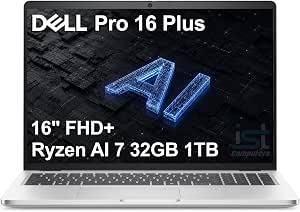 | Best for Mobile Professionals with Robust AI Capabilities | Processor: AMD Ryzen AI 7 PRO 350 (up to 5.0GHz) | Graphics: Radeon 860M | Display: 16-inch FHD+ (1920×1200), 16:10 | VIEW LATEST PRICE | See Our Full Breakdown |
| HP 17.3″ FHD Copilot AI Laptop PC with AMD Ryzen 7 7730U, 32GB RAM, 1TB SSD |  | Best for Large Screen Multitasking and Productivity | Processor: AMD Ryzen 7 7730U, up to 4.5 GHz | Graphics: Integrated AMD Radeon | Display: 17.3-inch FHD, 1920×1080 | VIEW LATEST PRICE | See Our Full Breakdown |
| HP OmniBook 7 17.3″ Next Gen AI Laptop with Touchscreen, Intel Core Ultra 7, 32GB RAM, 2TB SSD, Thunderbolt 4, WiFi 6E, Windows 11 Pro |  | Premium All-in-One for AI-Enabled Productivity | Processor: Intel Core Ultra 7 258V | Graphics: Intel Arc | Display: 17.3-inch FHD IPS Touchscreen | VIEW LATEST PRICE | See Our Full Breakdown |
| NIMO 17.3″ Gaming Laptop with AMD Ryzen 9 8945HS, 32GB DDR5 RAM, 1TB SSD, Radeon 780M Graphics, Windows 11 |  | Best for Future-Proofing and High-End AI Workloads | Processor: AMD Ryzen 9 8945HS (up to 5.2GHz) | Graphics: Radeon 780M | Display: 17.3-inch FHD | VIEW LATEST PRICE | See Our Full Breakdown |
| laptops for running local AI tool | Processor | Graphics | Display | RAM |
|---|---|---|---|---|
| NIMO 17.3" Copilot+ AI Gaming | AMD Ryzen AI 9 HX 370 (up to 5.1GHz) | Radeon 890M | 17.3-inch FHD, 144Hz | 64GB DDR5 |
| Dell Pro 16 Plus PB16255 Lapto | AMD Ryzen AI 7 PRO 350 (up to 5.0GHz) | Radeon 860M | 16-inch FHD+ (1920×1200), 16:10 | 32GB LPDDR5x |
| HP 17.3" FHD Copilot AI Laptop | AMD Ryzen 7 7730U, up to 4.5 GHz | Integrated AMD Radeon | 17.3-inch FHD, 1920×1080 | 32GB |
| HP OmniBook 7 17.3" Next Gen A | Intel Core Ultra 7 258V | Intel Arc | 17.3-inch FHD IPS Touchscreen | 32GB DDR5 |
| NIMO 17.3" Gaming Laptop with | AMD Ryzen 9 8945HS (up to 5.2GHz) | Radeon 780M | 17.3-inch FHD | 32GB DDR5 |
More Details on Our Top Picks
NIMO 17.3″ Copilot+ AI Gaming Laptop with AMD Ryzen AI 9 HX 370, 64GB DDR5 RAM, 1TB SSD, Radeon 890M, Win 11, 2-Year Warranty
This model stands out for its AMD Ryzen AI 9 HX 370 processor, which accelerates AI tasks and handles multitasking with ease. Its 64GB DDR5 RAM ensures smooth handling of large datasets, while the Radeon 890M graphics support compute-heavy workloads. Compared with lighter laptops, it sacrifices some portability for raw performance, but its 17.3-inch FHD display provides ample workspace. The premium features come at a higher price, and thermal management details are unclear, which could impact sustained workloads.
Pros:- Exceptional CPU with AI acceleration
- Large, high-refresh-rate display
- Ample RAM for large datasets
Cons:- Premium cost
- Limited info on thermal management
- Battery life not specified
Best for: Power users running intensive local AI models, creative professionals needing GPU acceleration
Not ideal for: Those prioritizing portability or battery life over raw power
- Processor:AMD Ryzen AI 9 HX 370 (up to 5.1GHz)
- Graphics:Radeon 890M
- Display:17.3-inch FHD, 144Hz
- RAM:64GB DDR5
- Storage:1TB SSD
- Battery:75Wh
Our verdict“A top-tier choice for demanding AI workloads where performance outweighs portability.”
Dell Pro 16 Plus PB16255 Laptop, 16″ FHD+, AMD Ryzen AI 7 PRO 350, 32GB RAM, 1TB SSD
The Dell Pro 16 Plus offers a compelling mix of portability and power, featuring a AMD Ryzen AI 7 PRO processor and 32GB of RAM, making it ideal for demanding AI tasks on the go. Its 16-inch FHD+ display provides sharp visuals, and the long battery life of nearly 12 hours supports extended work sessions. However, the resealed SSD upgrade process raises warranty concerns, and at 4.1 pounds, it’s not the lightest option. Its premium build and features come at a price, but it strikes a good balance for professionals needing mobility and AI performance.
Pros:- Durable, lightweight design
- Strong AI processing with 32GB RAM
- Excellent battery life
Cons:- SSD upgrade resealed, warranty concerns
- Heavier than some ultraportables
- Price premium
Best for: Freelancers, consultants, and mobile AI developers
Not ideal for: Those needing ultra-lightweight or budget-conscious options
- Processor:AMD Ryzen AI 7 PRO 350 (up to 5.0GHz)
- Graphics:Radeon 860M
- Display:16-inch FHD+ (1920×1200), 16:10
- RAM:32GB LPDDR5x
- Storage:1TB NVMe SSD
- Battery Life:Up to 11.9 hours
Our verdict“A portable, reliable machine with solid AI capabilities, best suited for professionals who need mobility.”
HP 17.3″ FHD Copilot AI Laptop PC with AMD Ryzen 7 7730U, 32GB RAM, 1TB SSD
The HP 17.3″ Copilot combines a large, immersive display with solid AI performance thanks to the AMD Ryzen 7 7730U. Its 32GB RAM and 1TB SSD facilitate multitasking and heavy workloads, making it suitable for users who consume and produce content simultaneously. Its non-touch display and modest refresh rate may limit gaming or interactive use, but it’s a good fit for prolonged productivity sessions. The open-seal for upgrades might concern those wary of warranty issues, but overall, it offers a balanced blend of size and power.
Pros:- Powerful multi-core CPU with AI capabilities
- Large display ideal for multitasking
- Fast storage and memory
Cons:- Non-touch display limits interaction
- Moderate 60Hz refresh rate
- Upgrades require opening the device
Best for: Content creators, students, and multitaskers needing a large work surface
Not ideal for: Those who need portability or touch interaction
- Processor:AMD Ryzen 7 7730U, up to 4.5 GHz
- Graphics:Integrated AMD Radeon
- Display:17.3-inch FHD, 1920×1080
- RAM:32GB
- Storage:1TB SSD
- Battery:High-capacity, long-lasting
Our verdict“A large-screen performer suited for productivity, though less portable and interactive than smaller laptops.”
HP OmniBook 7 17.3″ Next Gen AI Laptop with Touchscreen, Intel Core Ultra 7, 32GB RAM, 2TB SSD, Thunderbolt 4, WiFi 6E, Windows 11 Pro
The HP OmniBook 7 is designed for those who want a large, immersive touchscreen paired with powerful AI features. Its Intel Core Ultra 7 processor and 32GB RAM support complex AI tasks and multitasking, while the 2TB SSD ensures fast data access. The device’s military-grade durability and advanced connectivity options make it suitable for demanding environments, but its weight and size can hinder portability. This pick best suits those who need a durable, high-performance machine for both work and entertainment.
Pros:- Large, immersive touchscreen
- Strong AI and multitasking performance
- Durable military-grade build
Cons:- Heavy and bulky
- Higher price point
- Battery life details not specified
Best for: Power users needing a large, durable, and highly connected AI-capable device
Not ideal for: Frequent travelers or those seeking ultra-light laptops
- Processor:Intel Core Ultra 7 258V
- Graphics:Intel Arc
- Display:17.3-inch FHD IPS Touchscreen
- RAM:32GB DDR5
- Storage:2TB SSD
- Connectivity:Thunderbolt 4, Wi-Fi 6E
Our verdict“Ideal for heavy-duty, AI-intensive tasks in a robust, large-screen format, less suitable for frequent mobility.”
NIMO 17.3″ Gaming Laptop with AMD Ryzen 9 8945HS, 32GB DDR5 RAM, 1TB SSD, Radeon 780M Graphics, Windows 11
The NIMO 17.3″ Gaming Laptop delivers high-end performance with its AMD Ryzen 9 8945HS processor, capable of handling the most demanding AI workloads. Its 32GB DDR5 RAM and upgradable components support future expansion, making it a versatile choice for long-term AI projects. The Radeon 780M graphics add compute power, and the laptop’s design emphasizes fast charging and security features. Its weight and premium price tag make it less ideal for frequent travel but excellent for stationary, intensive AI tasks.
Pros:- High-performance CPU with future upgradability
- Large, immersive display
- Upgradable RAM and SSD
Cons:- Heavy for portability
- Cost may be high for some
- Battery life varies with workload
Best for: Advanced AI developers, gamers wanting high performance, future-proofing enthusiasts
Not ideal for: Budget-conscious buyers or those needing ultra-lightweight devices
- Processor:AMD Ryzen 9 8945HS (up to 5.2GHz)
- Graphics:Radeon 780M
- Display:17.3-inch FHD
- RAM:32GB DDR5
- Storage:1TB SSD
- Battery:75Wh
Our verdict“A robust machine built for intensive AI work and future expansion, best suited for dedicated AI labs or power users.”

How We Picked
Our selection process focused on laptops equipped with high-performance CPUs, ample RAM, and capabilities optimized for local AI workloads. We prioritized models with dedicated or integrated AI acceleration features, fast storage options, and robust connectivity. Portability and build quality were also key, since AI work often involves mobile or flexible setups. Cost was a factor, but only when balanced with the hardware’s ability to handle demanding AI tasks efficiently. Finally, we compared reviews, specifications, and features that directly impact AI performance, such as GPU power, CPU cores, and RAM capacity, to deliver a curated list of the best options for 2026.
| laptops for running local AI tool | Processor | Graphics |
|---|---|---|
| NIMO 17.3" Copilot+ AI Gaming | AMD Ryzen AI 9 HX 370 (up to 5.1GHz) | Radeon 890M |
| Dell Pro 16 Plus PB16255 Lapto | AMD Ryzen AI 7 PRO 350 (up to 5.0GHz) | Radeon 860M |
| HP 17.3" FHD Copilot AI Laptop | AMD Ryzen 7 7730U, up to 4.5 GHz | Integrated AMD Radeon |
| HP OmniBook 7 17.3" Next Gen A | Intel Core Ultra 7 258V | Intel Arc |
| NIMO 17.3" Gaming Laptop with | AMD Ryzen 9 8945HS (up to 5.2GHz) | Radeon 780M |
Factors to Consider When Choosing Best Laptops For Running Local AI Tools
When selecting a laptop for local AI work in 2026, the key factors are processing power, RAM capacity, graphics acceleration, and future upgradability. AI workloads benefit from multi-core processors and ample memory to handle large models and datasets efficiently. A dedicated GPU or AI-optimized CPU features can significantly accelerate training and inference. Portability might be secondary depending on your environment, but battery life and build quality matter if mobility is essential. Balancing these factors against your budget will help identify the best fit.CPU and GPU Performance
The core of any AI-capable laptop is its processor and graphics. Look for multi-core CPUs with high clock speeds, such as AMD Ryzen 9 or Intel Core Ultra series, which excel at parallel processing. Dedicated GPUs, like AMD Radeon or Intel Arc, also boost AI workloads, especially for training models locally. If your primary focus is on heavy computation, prioritize these components over other features.
Memory and Storage
AI tasks often involve large datasets, so ample RAM is vital. Aim for at least 32GB for demanding workflows, while 64GB or more is preferable for complex projects. Fast SSD storage minimizes bottlenecks, enabling quicker data access and model loading. Upgradability can extend the lifespan of your device, so consider options that allow RAM and storage upgrades later on.
Display and Portability
A larger display improves productivity, especially when working with multiple windows or detailed data visualizations. Touchscreens and high refresh rates are less critical for AI but enhance overall usability. Portability depends on your mobility needs; lighter models with longer battery life suit fieldwork or travel, while heavier, high-performance machines are better for stationary setups.
Frequently Asked Questions
What specs are most important for running local AI tools?
Key specs include a multi-core CPU with AI acceleration features, at least 32GB of RAM, and a dedicated GPU or AI-optimized processor. Fast SSD storage also reduces data bottlenecks. These elements together enable smooth training, inference, and multitasking with large models and datasets.
Should I prioritize portability over raw power?
If your work involves frequent travel or fieldwork, portability and battery life are essential, even if it means sacrificing some processing power. For stationary, intensive AI projects, a heavier, more powerful machine makes more sense, as portability becomes less critical.
Can I upgrade the hardware later?
Some laptops, like the NIMO gaming models, offer upgradability for RAM and SSD, which can extend their usefulness. However, many ultralights or slim models reseal for upgrades, which might void warranties. Always check the manufacturer’s policies before purchasing for future-proofing options.
Is a dedicated GPU necessary for local AI work?
For training complex models or running inference quickly, a dedicated GPU like AMD Radeon or Intel Arc significantly accelerates performance. Integrated graphics can handle lighter AI tasks but may struggle with larger datasets or advanced models.
How does battery life impact AI workloads?
AI tasks are demanding and can drain batteries quickly, especially on high-performance laptops. Devices with longer battery life are better suited for mobile use, but for sustained workloads, plugging in remains the best way to ensure consistent performance.
Conclusion
For users prioritizing raw power and future-proofing, the NIMO 17.3″ Copilot+ stands out as the best choice. Professionals who need a balance of portability and AI capability might prefer the Dell Pro 16 Plus. Those seeking a large display for multitasking and content creation should consider the HP 17.3″ Copilot. Meanwhile, users requiring a durable, highly connected device with immersive touchscreen capabilities will find the HP OmniBook 7 to be a strong fit. Ultimately, your choice depends on your specific workload demands, portability needs, and budget constraints.
Columbus Day / Indigenous Peoples' Day Picks
long weekend sales
As an affiliate, we earn on qualifying purchases.