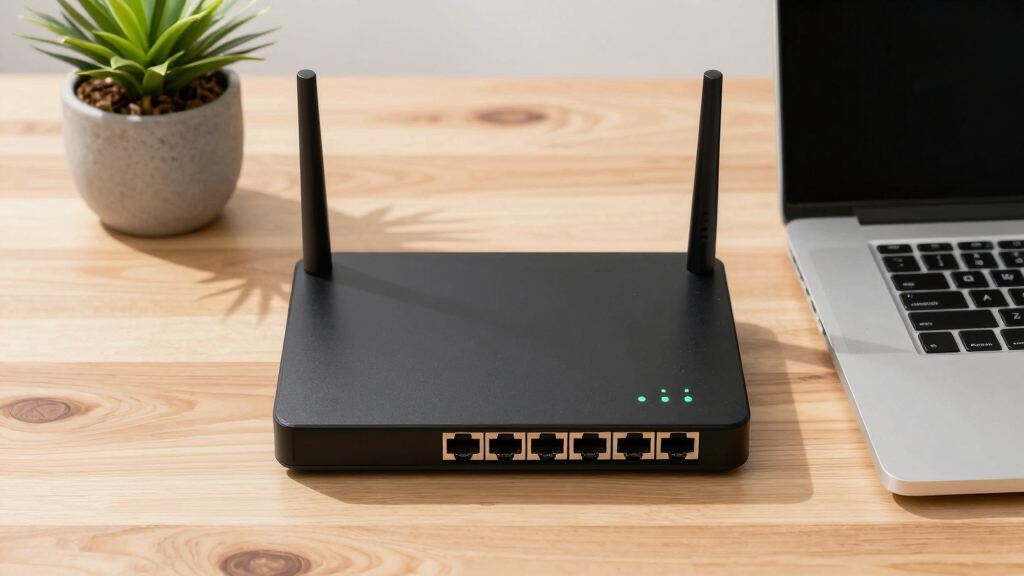

Choosing the best router for gigabit internet means balancing raw speed with reliable coverage and advanced features. The TP-Link Nighthawk WiFi 7 RS90 stands out as the top overall pick for its exceptional speed and future-proof technology. For a strong value option, the TP-Link AX5400 WiFi 6 Router offers impressive performance at a more accessible price. Compared with simpler models, these high-end options deliver the bandwidth needed for demanding tasks like 4K streaming, gaming, and multiple device connections. But buyers also face tradeoffs around cost, complexity, and compatibility. Keep reading for a detailed breakdown to help you find the perfect fit.

Get hardware and tech essentials delivered free with Prime
- Fast, free delivery on millions of items
- Prime Video, Amazon Music and more included
- Member-only deals all year
Key Takeaways
- The latest WiFi 7 routers deliver the highest speeds but come at a premium and may have limited device compatibility.
- WiFi 6 and WiFi 6E models offer a strong balance of speed and affordability, making them ideal for most gigabit internet users.
- Multi-gig ports and advanced features like tri-band support significantly boost network capacity for large households or gaming setups.
- Price often correlates with future-proofing; investing in the latest standards can extend the router’s relevance.
- Ease of setup and management varies; models with user-friendly apps are better for less tech-savvy buyers.
| TP-Link Dual-Band Wi-Fi 7 Router, Archer BE3600 |  | Best Overall for Future-Proof Home Coverage | Wi-Fi Technology: Wi-Fi 7 | Speed (5 GHz): 2882 Mbps | Speed (2.4 GHz): 688 Mbps | VIEW LATEST PRICE | See Our Full Breakdown |
| TP-Link AX5400 WiFi 6 Router (Archer AX73) |  | Best Value for High-Speed Multi-Device Homes | WiFi Speed: 5400 Mbps | Bands: Dual-band | Technology: WiFi 6, 4T4R, HE160 | VIEW LATEST PRICE | See Our Full Breakdown |
| GL.iNet GL-MT6000 Flint 2 Wi-Fi 6 Gaming Router Dual 2.5G Ports |  | Best for Gaming and VPN Enthusiasts | Wi-Fi Standard: Wi-Fi 6 | Max Speed: 6 Gbps | Ports: Dual 2.5G ports | VIEW LATEST PRICE | See Our Full Breakdown |
| TP-Link AC1200 Gigabit Dual Band WiFi Router (Archer A6) |  | Best Budget Dual-Band for Basic Gigabit Needs | Speed: 1200 Mbps | Bands: Dual-band | Antennas: 4 external with Beamforming | VIEW LATEST PRICE | See Our Full Breakdown |
| TP-Link AXE5400 Tri-Band WiFi 6E Router |  | Best for Cutting-Edge Wi-Fi with Tri-Band Flexibility | WiFi Speed: up to 5400 Mbps | WiFi Bands: Tri-Band (6 GHz, 5 GHz, 2.4 GHz) | Maximum 6 GHz Speed: 2402 Mbps | VIEW LATEST PRICE | See Our Full Breakdown |
| TP-Link BE6500 Dual-Band WiFi 7 Router (BE400) |  | Best for Advanced WiFi 7 Performance and Security | Wi-Fi Technology: Wi-Fi 7 | Bands: Dual-Band | Maximum Speed: 5764 Mbps (5GHz), 688 Mbps (2.4GHz) | VIEW LATEST PRICE | See Our Full Breakdown |
| NETGEAR Nighthawk WiFi 7 Router RS90, Up to 2,000 sq ft, 3.6 Gbps |  | Best for Large Homes Needing Fast, Reliable Coverage | Speed: Up to 3.6 Gbps | Coverage: Up to 2,000 sq ft | WiFi Bands: Dual-band WiFi 7 | VIEW LATEST PRICE | See Our Full Breakdown |
| TP-Link AX1800 WiFi 6 Router (Archer AX21 V5) |  | Best for Budget-Conscious Users Needing Reliable Gigabit WiFi | Technology: Wi-Fi 6 (802.11ax) | Bands: Dual-Band | Total Bandwidth: 1.8 Gbps | VIEW LATEST PRICE | See Our Full Breakdown |
| routers for gigabit internet | Ports | Coverage | Bands |
|---|---|---|---|
| TP-Link Dual-Band Wi-Fi 7 Rout | 1x 2.5 Gbps WAN/LAN, 1x 2.5 Gbps LAN, 3x 1 Gbps LAN | Up to 2,000 sq. ft. | — |
| TP-Link AX5400 WiFi 6 Router | 1x USB 3.0 | Up to 2,000 sq. ft. | Dual-band |
| GL.iNet GL-MT6000 Flint 2 Wi-F | Dual 2.5G ports | — | — |
| TP-Link AC1200 Gigabit Dual Ba | 4 Gigabit LAN | — | Dual-band |
| TP-Link AXE5400 Tri-Band WiFi | — | — | — |
| TP-Link BE6500 Dual-Band WiFi | 1x 2.5 Gbps WAN/LAN, 1x 2.5 Gbps LAN, 3x 1 Gbps LAN | Up to 2,400 sq. ft. | Dual-Band |
| NETGEAR Nighthawk WiFi 7 Route | One 2.5 Gig WAN port, four 1 Gbps Ethernet LAN ports | Up to 2,000 sq ft | — |
| TP-Link AX1800 WiFi 6 Router | — | — | Dual-Band |
More Details on Our Top Picks
TP-Link Dual-Band Wi-Fi 7 Router, Archer BE3600
The TP-Link Archer BE3600 stands out for its support of the latest Wi-Fi 7 standard, delivering speeds up to 2882 Mbps on the 5 GHz band, far surpassing many Wi-Fi 6 options like the AX5400. Its advanced technology supports seamless mesh networking and extensive device connections, making it ideal for large households with many smart devices. Unlike the AX5400, it lacks the 6 GHz band, which means it may not fully leverage the fastest possible connections in environments with Wi-Fi 6E devices. This router’s focus on future compatibility and wide coverage makes it a strong choice for those planning to upgrade to gigabit internet and beyond, but it requires a separate modem and might have variable performance depending on obstacles. This pick is perfect for homeowners seeking long-term investment in their Wi-Fi setup and who want excellent coverage without sacrificing speed, though it’s less suitable for environments needing 6 GHz support immediately.
Pros:- Supports Wi-Fi 7 for faster, more reliable connections
- Extensive coverage up to 2,000 sq. ft. suitable for large homes
- Easy setup and management via Tether App
- Supports mesh networking for seamless whole-home coverage
Cons:- Does not support the 6 GHz band, limiting ultra-fast Wi-Fi 6E benefits
- Requires a separate modem for internet connection
- Performance can vary based on environment and obstacles
Best for: Homeowners looking for a future-proof router that supports Wi-Fi 7 and extensive device capacity
Not ideal for: Users with limited space or budget who do not need Wi-Fi 7 or extensive device connectivity
- Wi-Fi Technology:Wi-Fi 7
- Speed (5 GHz):2882 Mbps
- Speed (2.4 GHz):688 Mbps
- Ports:1x 2.5 Gbps WAN/LAN, 1x 2.5 Gbps LAN, 3x 1 Gbps LAN
- Coverage:Up to 2,000 sq. ft.
- Antennas:4 internal antennas with beamforming
Our verdict“Best suited for users aiming for long-term compatibility with gigabit internet and expansive home coverage.”
TP-Link AX5400 WiFi 6 Router (Archer AX73)
The TP-Link AX5400 offers impressive speeds up to 5400 Mbps, making it a solid choice for large households needing reliable streaming and gaming performance. Compared to the Archer BE3600, it operates on Wi-Fi 6, which is widely supported and provides excellent speed and efficiency for multiple devices via MU-MIMO and OFDMA. While it doesn’t support Wi-Fi 7’s advanced features, its affordability and widespread compatibility make it a practical upgrade for homes with many connected devices. Its coverage of around 2,000 sq. ft. and USB port for media sharing enhance its versatility, though it still requires a modem and may face performance drops with obstacles or thick walls. This router is best for users who want high speed without paying premium Wi-Fi 6E or Wi-Fi 7 prices.
Pros:- High-speed Wi-Fi up to 5400 Mbps for smooth streaming and gaming
- Supports multiple devices simultaneously with MU-MIMO and OFDMA
- Extensive coverage up to 2,000 sq. ft.
- Includes USB port for media sharing and cloud storage
Cons:- Requires a modem for most ISPs, adding to setup complexity
- Performance may decline with obstacles or interference
Best for: Large households needing fast, reliable Wi-Fi 6 for streaming and gaming on multiple devices
Not ideal for: Tech enthusiasts seeking Wi-Fi 6E or Wi-Fi 7 features for future-proofing
- WiFi Speed:5400 Mbps
- Bands:Dual-band
- Technology:WiFi 6, 4T4R, HE160
- Coverage:Up to 2,000 sq. ft.
- Ports:1x USB 3.0
- Power:12 V 2.5 A
Our verdict“An excellent choice for budget-conscious users needing robust Wi-Fi 6 speeds for busy homes.”
GL.iNet GL-MT6000 Flint 2 Wi-Fi 6 Gaming Router Dual 2.5G Ports
The GL.iNet GL-MT6000 Flint 2 is tailored for gamers and VPN users, offering speeds up to 6 Gbps and support for over 100 devices. Its dual 2.5G ports and Wi-Fi 6 technology enable low latency gaming and streaming, outperforming many standard routers like the Archer A6 with higher speeds and better device management. Its integrated VPN options and ad-blocking features cater to privacy-conscious users who need fast, secure connections. However, performance can depend heavily on your internet provider and network environment, and initial setup may require firmware updates, which could be a hurdle for less tech-savvy users. This router makes the most sense for gaming households or those prioritizing VPN security and low latency.
Pros:- High-speed Wi-Fi 6 with speeds up to 6 Gbps
- Low latency ideal for gaming and streaming
- Supports over 100 devices simultaneously
- Fast VPN protocols and ad-blocking features
Cons:- Performance varies with ISP and environment
- Initial setup may require firmware updates
Best for: Gamers and VPN users needing high-speed, low-latency connections and extensive device support
Not ideal for: Casual users or those with limited technical skills who prefer plug-and-play simplicity
- Wi-Fi Standard:Wi-Fi 6
- Max Speed:6 Gbps
- Ports:Dual 2.5G ports
- RAM:1GB DDR4
- Storage:8GB eMMC
- Device Capacity:Over 100 devices
Our verdict“Best for gaming and VPN users seeking a high-performance, low-latency network experience.”
TP-Link AC1200 Gigabit Dual Band WiFi Router (Archer A6)
The TP-Link Archer A6 offers a straightforward dual-band WiFi experience with speeds up to 1200 Mbps, making it suitable for basic streaming and online gaming. Compared to higher-end models, it features four Gigabit LAN ports and external antennas with Beamforming, providing decent coverage for small to medium homes. Its support for WPA3 security adds peace of mind, but it relies on Wi-Fi 5 technology, which may fall short in crowded environments compared to Wi-Fi 6 or Wi-Fi 7 options. This router is ideal for users with moderate internet needs who want reliable gigabit speeds without extra bells and whistles, though it might struggle in environments with many competing networks or thick walls. This pick is perfect for budget-conscious households seeking solid performance on a limited budget.
Pros:- Gigabit dual-band Wi-Fi up to 1200 Mbps
- Four Gigabit LAN ports for wired connections
- External antennas with Beamforming for better coverage
- Supports WPA3 security for safer networks
Cons:- Limited to Wi-Fi 5, lacking future-proof Wi-Fi 6/7 features
- No built-in modem, relies on external device
Best for: Small households or individuals needing reliable gigabit Wi-Fi for streaming and casual gaming
Not ideal for: Heavy streamers or gamers in congested areas, who require higher-speed Wi-Fi 6 or Wi-Fi 7 routers
- Speed:1200 Mbps
- Bands:Dual-band
- Antennas:4 external with Beamforming
- Ports:4 Gigabit LAN
- Security:WPA3
- Compatibility:Works with all major ISPs
Our verdict“Ideal for budget-conscious users needing reliable gigabit Wi-Fi for small to medium homes.”
TP-Link AXE5400 Tri-Band WiFi 6E Router
The TP-Link AXE5400 pushes into the Wi-Fi 6E realm with speeds up to 5400 Mbps across three bands, including the new 6 GHz spectrum. Its tri-band setup offers unmatched flexibility, especially for busy households with multiple Wi-Fi 6E devices, providing speed and capacity that surpass dual-band options like the AX5400. The integrated OFDMA technology and a 1.0 GHz dual-core CPU ensure reliable performance, while EasyMesh compatibility supports expansive coverage. However, this router’s setup can be complex for non-technical users, and it requires a modem, adding to the overall cost and complexity. It makes the most sense for tech-savvy homes investing heavily in Wi-Fi 6E devices and seeking maximum future-proofing, but less so for those with simple needs or limited technical support.
Pros:- High-speed tri-band Wi-Fi 6E with 5400 Mbps total bandwidth
- Supports EasyMesh for expanded coverage
- Powerful dual-core CPU and 512 MB high-speed memory
- Built-in security features with TP-Link HomeShield
Cons:- Setup can be complex for less experienced users
- Requires a compatible modem for internet access
Best for: Tech enthusiasts and households with Wi-Fi 6E devices seeking maximum speeds and future-proofing
Not ideal for: Users with limited technical skills or those seeking easy, straightforward setups
- WiFi Speed:up to 5400 Mbps
- WiFi Bands:Tri-Band (6 GHz, 5 GHz, 2.4 GHz)
- Maximum 6 GHz Speed:2402 Mbps
- Processor:1.0 GHz dual-core CPU
- Memory:512 MB High-Speed Memory
- Compatibility:EasyMesh
Our verdict“Best for tech-savvy users aiming to maximize Wi-Fi 6E benefits with high speed and coverage.”
TP-Link BE6500 Dual-Band WiFi 7 Router (BE400)
The TP-Link BE6500 stands out for delivering cutting-edge WiFi 7 speeds up to 5764 Mbps, making it an excellent choice for users who want to maximize gigabit internet. Unlike the NETGEAR RS90, which offers slightly lower maximum speeds, this model emphasizes extensive coverage and device support, up to 90 devices, perfect for busy smart homes. However, its lack of mesh compatibility means it’s best suited for single-router setups rather than larger multi-router systems. The easy setup via the Tether App combined with robust security features like HomeShield makes it accessible for tech-savvy users seeking both performance and protection. The main tradeoff is that it requires a separate modem, and its design details are less transparent, which might concern those looking for a more integrated package.
Pros:- Supports WiFi 7 with speeds up to 5764 Mbps, ideal for high-bandwidth activities
- Extensive coverage up to 2,400 sq. ft. and supports many devices simultaneously
- Simple setup and management via the Tether App, with robust security features
Cons:- Not compatible with mesh WiFi systems like Deco, limiting scalability
- Requires a separate modem to connect to the internet
Best for: Tech enthusiasts and smart home users who want the latest WiFi 7 speeds and advanced security.
Not ideal for: Homeowners seeking mesh compatibility or an all-in-one modem/router solution, as this model doesn’t support mesh and needs a separate modem.
- Wi-Fi Technology:Wi-Fi 7
- Bands:Dual-Band
- Maximum Speed:5764 Mbps (5GHz), 688 Mbps (2.4GHz)
- Coverage:Up to 2,400 sq. ft.
- Number of Devices Supported:Up to 90
- Ports:1x 2.5 Gbps WAN/LAN, 1x 2.5 Gbps LAN, 3x 1 Gbps LAN
Our verdict“This router is perfect for users who prioritize top-tier WiFi 7 performance and security in a single-router setup.”
NETGEAR Nighthawk WiFi 7 Router RS90, Up to 2,000 sq ft, 3.6 Gbps
Compared with the TP-Link BE6500, the NETGEAR RS90 offers slightly lower maximum speeds but excels in coverage and ease of use, making it well-suited for larger homes. Its 3.6 Gbps speed, while not quite reaching WiFi 7’s top speeds, still handles gigabit internet effectively, especially with multiple devices. The four Ethernet LAN ports and broad coverage up to 2,000 sq. ft. support both wired and wireless needs, but for multi-story homes or very expansive spaces, a mesh system might still be needed. The Nighthawk app streamlines setup and management, while NETGEAR Armor adds security—though this requires a subscription after the initial trial. The main compromise is that real-world speeds can be limited by device compatibility and internet plan specifics, so it’s best for those who prioritize reliability over raw speed.
Pros:- Supports WiFi 7 with speeds up to 3.6 Gbps for fast, reliable connections
- Wide coverage up to 2,000 sq. ft. suitable for large homes
- Supports multiple devices with MU-MIMO and OFDMA technology
Cons:- Real-world speeds depend heavily on device capabilities and internet plan
- May require mesh systems for very large or multi-story homes
- NETGEAR Armor security trial requires subscription after 30 days
Best for: Large household owners who want dependable WiFi coverage and fast speeds across multiple rooms and floors.
Not ideal for: Users with smaller apartments or those seeking the highest WiFi 7 speeds, as this model prioritizes coverage and ease over sheer maximum throughput.
- Speed:Up to 3.6 Gbps
- Coverage:Up to 2,000 sq ft
- WiFi Bands:Dual-band WiFi 7
- Ports:One 2.5 Gig WAN port, four 1 Gbps Ethernet LAN ports
- Compatibility:Works with most cable, fiber, DSL, and satellite providers
- Security:NETGEAR Armor security, automatic firmware updates
Our verdict“This router is ideal for big homes where reliable, fast WiFi coverage takes precedence over maximum theoretical speeds.”
TP-Link AX1800 WiFi 6 Router (Archer AX21 V5)
While the TP-Link AX1800 doesn’t support WiFi 7 like the previous two models, it offers solid dual-band Wi-Fi 6 speeds up to 1.8 Gbps, making it a practical choice for those who want gigabit-level performance without the premium price. Unlike the NETGEAR RS90, which emphasizes coverage and device support, this router focuses on delivering reliable speeds for standard-sized homes and moderate device loads. Its four high-gain antennas and beamforming technology help extend coverage, but it doesn’t support the 6 GHz band, limiting future-proofing for very high-capacity networks. The setup is straightforward, and security features including VPN support provide added peace of mind, but performance may vary depending on environmental factors. This pick makes sense for budget-conscious consumers who need dependable gigabit WiFi, not the cutting edge of WiFi 7.
Pros:- Supports fast Wi-Fi speeds up to 1.8 Gbps, suitable for most gigabit plans
- Supports multiple devices simultaneously with OFDMA technology
- Good coverage with four high-gain antennas and beamforming
Cons:- Does not support the 6 GHz band, limiting capacity for future high-density networks
- Performance depends on environment and obstacles, which can affect speeds
Best for: Small to medium homes or budget-conscious users seeking reliable gigabit WiFi with basic future-proofing.
Not ideal for: Power users with large, multi-story homes or those wanting WiFi 6E or WiFi 7 support, as this model lacks the latest standards and bands.
- Technology:Wi-Fi 6 (802.11ax)
- Bands:Dual-Band
- Total Bandwidth:1.8 Gbps
- 5 GHz Speed:Up to 1200 Mbps
- 2.4 GHz Speed:Up to 574 Mbps
- Antennas:4 high-gain antennas
Our verdict“This router offers reliable gigabit WiFi at a budget-friendly price, ideal for small to medium homes with moderate device needs.”
How We Picked
These routers were selected based on their ability to fully support gigabit internet plans, prioritizing real-world performance, WiFi standards, and hardware capabilities. We evaluated each model’s maximum throughput, range, number of ports, and advanced features like multi-band support or mesh compatibility. Usability was also a key factor, including setup ease and management tools. Price-to-performance ratios helped differentiate models, ensuring options suit various budgets while still delivering gigabit-level speeds. The ranking reflects a combination of speed potential, future-proofing, and user experience, making these choices relevant for different types of buyers.| routers for gigabit internet | Coverage |
|---|---|
| TP-Link Dual-Band Wi-Fi 7 Rout | Up to 2,000 sq. ft. |
| TP-Link AX5400 WiFi 6 Router | Up to 2,000 sq. ft. |
| GL.iNet GL-MT6000 Flint 2 Wi-F | — |
| TP-Link AC1200 Gigabit Dual Ba | — |
| TP-Link AXE5400 Tri-Band WiFi | — |
| TP-Link BE6500 Dual-Band WiFi | Up to 2,400 sq. ft. |
| NETGEAR Nighthawk WiFi 7 Route | Up to 2,000 sq ft |
| TP-Link AX1800 WiFi 6 Router | — |
Factors to Consider When Choosing Best Routers For Gigabit Internet
When selecting a router for gigabit internet, several key factors can influence your satisfaction and network performance. Understanding these considerations can prevent costly mistakes and ensure you choose a device that meets both current and future needs.WiFi Standards and Speed Capabilities
Modern gigabit internet requires routers supporting at least WiFi 5 (802.11ac), but WiFi 6 (802.11ax) and WiFi 6E offer significant speed and capacity improvements. These standards impact how well your network handles multiple devices and high-bandwidth activities like 4K streaming and gaming. Choosing a router with the latest standards ensures future compatibility and better overall performance, especially as your internet plan upgrades.
Multi-Gig Ports and Hardware Features
Look for routers with multi-gig Ethernet ports, which allow wired devices to take full advantage of gigabit speeds. Some models include 2.5Gbps or even 10Gbps ports, making them better suited for advanced home setups or future upgrades. Additional features like MU-MIMO, beamforming, and advanced QoS can help optimize network traffic, reducing lag and improving device responsiveness.
Coverage and Mesh Compatibility
Range is a critical factor, especially in larger homes. A router with a strong antenna design or mesh support can extend coverage seamlessly, eliminating dead zones. Keep in mind that some routers are designed for standalone use, while others excel as part of a mesh system. Matching your home’s size and layout with the right hardware setup is key to consistent gigabit performance everywhere.
Ease of Setup and Management
Intuitive setup processes and user-friendly management apps make a big difference, particularly for less tech-savvy users. Features like automatic updates, parental controls, and guest networks should be considered, especially if you want a hassle-free experience. Investing in a router with good software support can save time and frustration as your network evolves.
Price and Future-Proofing
While premium routers often come with the latest standards and features, they also command higher prices. Balancing cost against your current needs and future plans is wise. A slightly more expensive model with WiFi 6E or WiFi 7 might seem costly now but can provide better value over several years as internet speeds and device capabilities increase.
Frequently Asked Questions
Do I need a WiFi 7 router for gigabit internet?
While a WiFi 7 router isn’t strictly necessary for gigabit internet, it offers the fastest possible speeds and lowest latency, making it ideal for future-proofing. If your devices support WiFi 7, investing now ensures you get the most out of your gigabit plan. However, WiFi 6 and WiFi 6E routers also deliver excellent performance and are often more affordable, making them a practical choice for most users today.
Is a multi-gig port essential for gigabit internet?
Having a multi-gig port isn’t strictly necessary, but it provides a significant boost for wired devices, especially if you transfer large files or run servers at home. For most users, a standard gigabit Ethernet port suffices, but if you have multiple wired devices or want to future-proof, choosing a router with 2.5Gbps or higher ports makes sense.
How important is WiFi coverage in a gigabit setup?
Coverage becomes crucial in larger or multi-story homes. Even the fastest router won’t perform well if parts of your house are out of reach. Investing in a router with mesh support or strong antennas ensures consistent speeds throughout your space. It’s better to have a slightly more expensive model with broader coverage than multiple weaker routers or extenders.
Are mesh systems necessary for gigabit internet?
Mesh systems can be highly beneficial for gigabit internet in large homes, providing seamless coverage without dead zones. They often simplify management and reduce the need for multiple extenders. However, if your home is small or you have a single-source internet connection close to your main devices, a high-performance standalone router may suffice, saving costs and complexity.
Should I prioritize speed or features like parental controls?
Prioritizing speed is essential for maximizing gigabit plans, but features like parental controls, security, and ease of use add significant value for families or shared households. Consider your specific needs—if you stream high-definition content or game frequently, focus on speed and capacity. If safety and device management are more important, choose a router that balances both without sacrificing core performance.
Conclusion
For most users seeking the best overall performance with gigabit internet, the NETGEAR Nighthawk WiFi 7 RS90 offers cutting-edge speeds and future compatibility. Those on a tighter budget should consider the TP-Link AX5400 WiFi 6 Router, which provides excellent value without sacrificing essential features. For premium buyers willing to invest in the latest tech, WiFi 7 models like the RS90 or TP-Link BE6500 will deliver top-tier performance. Beginners or small households might find the TP-Link AX1800 WiFi 6 Router simple to set up and manage, making it a practical choice. Overall, your choice should align with your home size, device needs, and willingness to invest in future-proofing.