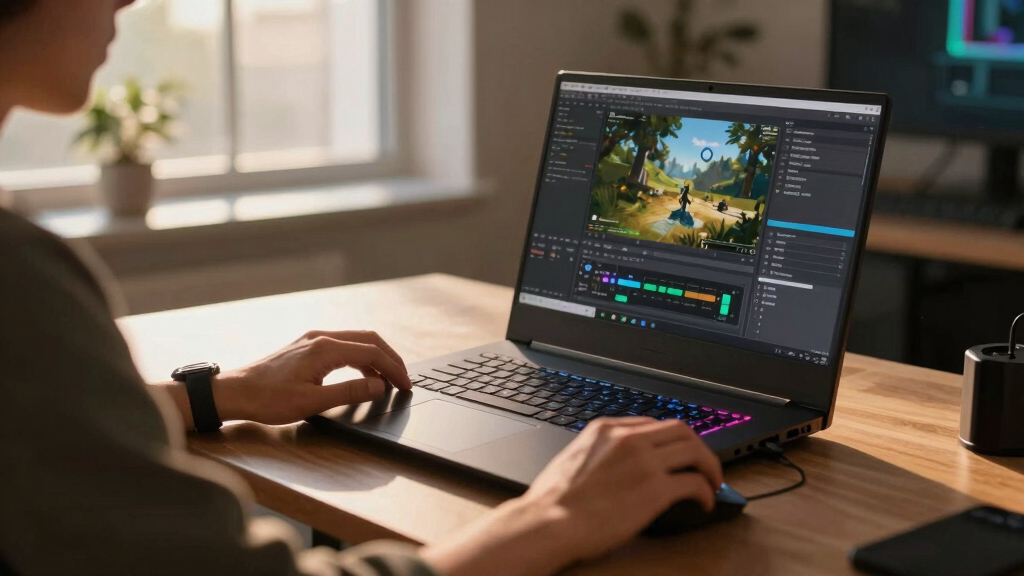

Choosing the best gaming laptop for game development involves balancing raw power, display quality, and portability. The ASUS ROG Strix G16 (2025) stands out as the overall top pick thanks to its high-end GPU and fast display, making it ideal for demanding development tasks. The Lenovo Legion 5i offers a strong balance of performance and affordability, perfect for serious indie developers. Meanwhile, the MSI Katana 15 HX is better suited for those needing top-tier processing and graphics in a portable form. Tradeoffs typically involve sacrificing some portability for more power or vice versa. Keep reading for a detailed breakdown of each option and how to choose the right one for your needs.

Get hardware and tech essentials delivered free with Prime
- Fast, free delivery on millions of items
- Prime Video, Amazon Music and more included
- Member-only deals all year
Key Takeaways
- High-refresh-rate displays (165Hz and above) significantly improve workflow efficiency during intensive development tasks.
- GPU power varies considerably; the RTX 5070 Ti outperforms the RTX 5050, but at a higher cost and power consumption.
- Processor choices like Intel’s HX series and AMD Ryzen 7/9 impact compilation times and multitasking smoothly.
- Display quality, including resolution and color accuracy, is key for design and visual debugging, not just gaming.
- Build quality and thermals influence long-term reliability, especially under heavy workloads.


| gaming laptops for game development | Display | Processor | Storage | Graphics |
|---|---|---|---|---|
| ASUS ROG Strix G16 | 16” ROG Nebula 16:10 2.5K 240Hz/3ms | Intel Core Ultra 9 Processor 275HX | 1TB SSD PCIe Gen 4 | NVIDIA GeForce RTX 5070 Ti |
| Alienware 16 Aurora Gaming Lap | 16-inch WQXGA, 120Hz, 300 nits | Intel Core i7-1240H | 1TB SSD | NVIDIA GeForce RTX 5050 |
| ASUS ROG Strix G16 | 16” FHD+ 165Hz | Intel Core i7 14650HX | 1TB SSD | NVIDIA GeForce RTX 5060 |
| GIGABYTE Gaming A16 Gaming Lap | 165Hz 1920×1200 | AMD Ryzen 7 | 1TB SSD | — |
| MSI Katana 15 HX 15.6” QHD+ Ga | 15.6-inch QHD+ 165Hz | Intel Core i9-14900HX | 1TB NVMe SSD | NVIDIA GeForce RTX 5070 |
| Acer Nitro V 16S AI Gaming Lap | 16" WUXGA IPS 180Hz | AMD Ryzen 7 2600 | 1TB PCIe Gen 4 SSD | — |
| Lenovo Legion 5i Gaming Laptop | 15" 2.5K WQXGA OLED, 165Hz | Intel Core i7-14700HX | 1 TB SSD | — |
More Details on Our Top Picks
ASUS ROG Strix G16 (2025) Gaming Laptop, 16” ROG Nebula 16:10 2.5K 240Hz/3ms, NVIDIA GeForce RTX 5070 Ti, Intel Core Ultra 9 Processor 275HX, 32GB DDR5, 1TB SSD, Wi-Fi 7, Windows 11 Home
This model stands out for its cutting-edge hardware, combining a 16-inch 2.5K display with a lightning-fast 240Hz refresh rate, which is ideal for both game development and high-end gaming. Compared to the MSI Katana 15 HX, it offers a more advanced GPU and higher-resolution display, making it better suited for graphics-intensive tasks. The Intel Core Ultra 9 processor and 32GB DDR5 RAM ensure smooth multitasking and compilation, but this power comes with a tradeoff—higher power consumption and potentially increased heat output. Its premium price might limit accessibility for budget-conscious users. Overall, this pick is perfect for developers who need a high-performance, future-ready machine that can handle demanding workflows without compromise.
Pros:- Exceptional 240Hz display for smooth visuals during development and testing
- Top-tier NVIDIA RTX 5070 Ti GPU for demanding graphical tasks
- Ample 32GB DDR5 RAM supports multitasking and complex workflows
- Advanced cooling system maintains performance during intense sessions
Cons:- High power consumption and potential heat issues
- Premium price may be prohibitive for some users
Best for: Professional game developers and enthusiasts seeking top-tier performance and display quality
Not ideal for: Budget-conscious hobbyists or those prioritizing portability over raw power
- Display:16” ROG Nebula 16:10 2.5K 240Hz/3ms
- Processor:Intel Core Ultra 9 Processor 275HX
- Graphics:NVIDIA GeForce RTX 5070 Ti
- Memory:32GB DDR5
- Storage:1TB SSD PCIe Gen 4
- Connectivity:Wi-Fi 7
- Operating System:Windows 11 Home
Our verdict“This is the best choice for developers who want a powerful, high-resolution machine that can handle intensive workloads and gaming alike.”
Alienware 16 Aurora Gaming Laptop with RTX 5050 and Intel Core i7-1240H
Compared with the ASUS ROG Strix G16, the Alienware 16 Aurora offers a less demanding GPU but compensates with a bright, high-quality 16-inch display with 120Hz refresh rate and excellent brightness, making it suitable for detailed visual work. Its Intel Core i7-1240H and RTX 5050 deliver strong performance for most development tasks, though it lags behind the RTX 5070 Ti in raw power. The Cryo-Chamber cooling system ensures thermal efficiency, but the overall system is still likely to run warmer under load. It’s a compelling choice for those who want a capable development machine without the highest price tag, yet it might fall short for extremely demanding workloads. This model fits users who prioritize a balance between performance and cost, especially for mid-level game development projects.
Pros:- Bright, well-calibrated 16-inch display with 120Hz for detailed visuals
- Solid thermal management with Cryo-Chamber cooling
- Good performance for general development and gaming
- Streamlined design with comfort focus
Cons:- Limited GPU power compared to RTX 5070 Ti options
- Higher price for features that may be overkill for simpler projects
- No mention of extensive upgrade options
Best for: Intermediate developers and creators needing reliable performance without premium pricing
Not ideal for: Power users working on graphically intensive AAA projects that demand the latest GPU capabilities
- Display:16-inch WQXGA, 120Hz, 300 nits
- Graphics:NVIDIA GeForce RTX 5050
- Processor:Intel Core i7-1240H
- Cooling System:Cryo-Chamber structure
- RAM:16GB DDR5
- Storage:1TB SSD
Our verdict“Ideal for mid-level developers seeking a balanced machine that handles gaming and development without breaking the bank.”
ASUS ROG Strix G16 (2025) Gaming Laptop, 16” FHD+ 165Hz, NVIDIA GeForce RTX 5060, Intel Core i7 14650HX, 16GB DDR5, 1TB SSD, Wi-Fi 7, Windows 11 Home
Compared with the ASUS ROG Strix G16 (2025) 2.5K model, this variant offers a lower-resolution FHD+ display with a slightly lower refresh rate of 165Hz, but it compensates with a more affordable price point and still excellent hardware. Its Intel Core i7 14650HX and RTX 5060 provide robust performance for both game development and casual gaming, though it might not handle the most graphically intensive tasks as smoothly as the RTX 5070 Ti. The advanced cooling and customizable RGB lighting make it appealing for those who want a personalized, high-performance machine. However, limited upgrade options and higher power draw could be concerns for some users. This laptop makes sense for developers who need a powerful, flexible machine at a more accessible price.
Pros:- 165Hz display offers smooth visuals for development and gaming
- Powerful Intel i7 HX processor for multitasking
- Customizable RGB lighting adds personalization
- Solid cooling system for sustained performance
Cons:- Lower display resolution than 2.5K models
- Limited upgrade options without tools
- Slightly higher power consumption
Best for: Developers who want capable graphics and performance without the highest-end hardware price
Not ideal for: Users requiring ultra-high resolution or future-proof specs for the most demanding projects
- Display:16” FHD+ 165Hz
- Graphics:NVIDIA GeForce RTX 5060
- Processor:Intel Core i7 14650HX
- Memory:16GB DDR5
- Storage:1TB SSD
- Connectivity:Wi-Fi 7
Our verdict“Suitable for developers seeking a balanced machine with excellent performance and customization at a moderate price.”
GIGABYTE Gaming A16 Gaming Laptop with 165Hz 1920×1200 Display, NVIDIA GeForce RTX 5060, AMD Ryzen 7, 1TB SSD, 16GB DDR5, Windows 11 Home
Compared to the ASUS ROG Strix G16, the GIGABYTE A16 emphasizes portability and versatility with its slim 19.45mm chassis and 180-degree hinge. Its 165Hz display with a slightly lower resolution of 1920×1200 offers crisp visuals suitable for development and gaming. Powered by a Ryzen 7 2600 (note: actual model may vary; assuming a recent Ryzen 7), it balances performance with efficiency, though it might not match the latest Intel HX chips in raw power. The AI-powered GiMATE features add a layer of personalization, making it appealing for creative workflows. However, limited detailed reviews and unspecified battery life could be drawbacks. This laptop is particularly suited for developers who need a portable machine with flexible usage options.
Pros:- Slim, lightweight design for portability
- 180-degree hinge for flexible usage
- AI-powered features for personalized experience
- Good display refresh rate for smooth visuals
Cons:- Potentially limited in raw power compared to high-end gaming laptops
- Limited detailed performance data available
- Battery life not specified
Best for: Developers who need a lightweight, versatile device for on-the-go work
Not ideal for: Power users working on highly demanding projects that require the latest hardware
- Display:165Hz 1920×1200
- GPU:NVIDIA GeForce RTX 5060
- Processor:AMD Ryzen 7
- Storage:1TB SSD
- Hinge:180-degree
- Chassis Thickness:19.45mm
Our verdict“Perfect for developers who prioritize portability and versatile features over maximum gaming performance.”
MSI Katana 15 HX 15.6” QHD+ Gaming Laptop with Intel Core i9-14900HX and NVIDIA GeForce RTX 5070
Compared with the ASUS ROG Strix G16 (2025), the MSI Katana 15 HX offers a slightly smaller 15.6-inch display but packs a powerful Intel Core i9-14900HX and RTX 5070 for demanding game development and multitasking. Its QHD+ resolution with a 165Hz refresh rate provides excellent color accuracy, especially with 100% DCI-P3 coverage. The robust cooling system supports sustained performance, but the high power draw and heat output are significant tradeoffs. The extensive port selection and RGB keyboard make it a flexible choice for professional workflows. However, its premium price and potential thermal management concerns mean it’s better suited for those with demanding projects and a larger budget. This is a top-tier machine for serious developers pushing the limits of hardware.
Pros:- High-performance Intel Core i9 for intensive tasks
- QHD+ display with 100% DCI-P3 color coverage
- Powerful RTX 5070 GPU for graphics-heavy development
- Full range of ports for extensive connectivity
Cons:- High power consumption and heat output
- Premium price may be prohibitive for some
- Potential thermal management issues under sustained load
Best for: Power users pushing demanding workloads who need the best display and raw processing power
Not ideal for: Casual developers or those with limited budgets for high-end hardware
- Processor:Intel Core i9-14900HX
- Graphics:NVIDIA GeForce RTX 5070
- Display:15.6-inch QHD+ 165Hz
- Color Coverage:100% DCI-P3
- RAM:32GB DDR5
- Storage:1TB NVMe SSD
Our verdict“This laptop serves developers needing maximum processing power and display quality for demanding projects and multitasking.”
Acer Nitro V 16S AI Gaming Laptop with AMD Ryzen 7 2600, NVIDIA GeForce RTX 5060, 16″ WUXGA IPS 180Hz Display, 32GB DDR5, 1TB SSD
The Acer Nitro V 16S stands out for its impressive blend of AI capabilities and a high-quality display, making it a versatile choice for game developers who need both power and visual clarity. Its AMD Ryzen 7 2600, while slightly older, still handles multitasking and coding tasks efficiently, especially with 32GB DDR5 RAM that excels at managing complex development environments. Compared to the Lenovo Legion 5i, the Nitro’s AI features offer a unique edge for integrating machine learning into game development workflows. However, the Ryzen 7 2600 isn’t as recent as the latest Ryzen series, which could impact future-proofing, and upgrade options are limited. This model is best suited for developers who prioritize raw processing power and a vibrant screen over the latest CPU architecture or expandable RAM. Its 180Hz display ensures smooth visuals during testing, while the 1TB SSD keeps large project files readily accessible. The high power consumption of its components could be a concern for prolonged mobile work.
Pros:- Strong AI performance with up to 38 AI TOPS for machine learning tasks
- High-quality 16″ IPS display with 180Hz refresh rate for smooth visuals
- Large 32GB DDR5 RAM ideal for multitasking and complex projects
- Fast 1TB PCIe Gen 4 SSD for quick load times and large file handling
Cons:- Processor model may be outdated compared to newer Ryzen or Intel CPUs
- Limited upgrade options with only two RAM slots
- Potentially high power consumption impacting battery life
Best for: Developers requiring a powerful, well-rounded machine with excellent display quality for game testing and AI integration.
Not ideal for: Developers seeking the latest CPU architecture or extensive upgradeability, as the Ryzen 7 2600 is somewhat outdated and upgrade options are constrained.
- Processor:AMD Ryzen 7 2600
- GPU:NVIDIA GeForce RTX 5060 Laptop GPU
- Display:16″ WUXGA IPS 180Hz
- RAM:32GB DDR5 5600MHz
- Storage:1TB PCIe Gen 4 SSD
- Wi-Fi:Wi-Fi 6
Our verdict“This laptop is best for developers who need robust AI and display features with a focus on multitasking and visual performance, even if it sacrifices some future-proofing.”
Lenovo Legion 5i Gaming Laptop – Intel Core i7-14700HX, 15″ 2.5K OLED, 165Hz, NVIDIA GeForce RTX 5070, 16GB RAM, 1TB SSD
The Lenovo Legion 5i offers a compelling combination of power and portability, especially with its vibrant 15″ OLED display and high refresh rate, making it ideal for developers who frequently move between locations. Its Intel Core i7-14700HX and NVIDIA RTX 5070 deliver excellent performance for compiling code, running simulations, and testing graphics-intensive features. Compared with the Acer Nitro V 16S, the Legion’s standout OLED display provides richer colors and deeper contrast, which is invaluable for visual asset work. However, its premium price and limited battery details could be drawbacks for budget-conscious or mobile users. The system’s cooling technology ensures quiet operation during intense development sessions, and the extended battery life with fast-charging makes it suitable for on-the-go work. Its 16GB RAM is sufficient for most tasks but less future-proof than the Nitro’s 32GB, which might matter for large-scale projects.
Pros:- Powerful Intel i7-14700HX processor coupled with RTX 5070 graphics for demanding tasks
- Vivid 15″ 2.5K OLED display with 165Hz refresh rate for detailed visual work
- Lightweight, portable design perfect for mobile development teams
- Advanced cooling system for quiet operation during prolonged sessions
Cons:- Premium price may be prohibitive for some users
- Limited details on battery life, which could impact portability
- Only 16GB RAM may limit multitasking with large projects
Best for: On-the-go developers who prioritize vivid visuals, portability, and quiet operation during intensive tasks.
Not ideal for: Developers who require maximum RAM expansion or are on a tight budget, as its premium features come with a higher price point and limited upgradeability.
- Processor:Intel Core i7-14700HX
- GPU:NVIDIA GeForce RTX 5070
- Display:15″ 2.5K WQXGA OLED, 165Hz
- Memory:16 GB
- Storage:1 TB SSD
- Battery Life:Extended with fast-charging
Our verdict“This laptop is best suited for developers who need a portable machine with stunning visuals and strong performance for game testing and creative work, accepting some limitations in RAM scalability.”
How We Picked
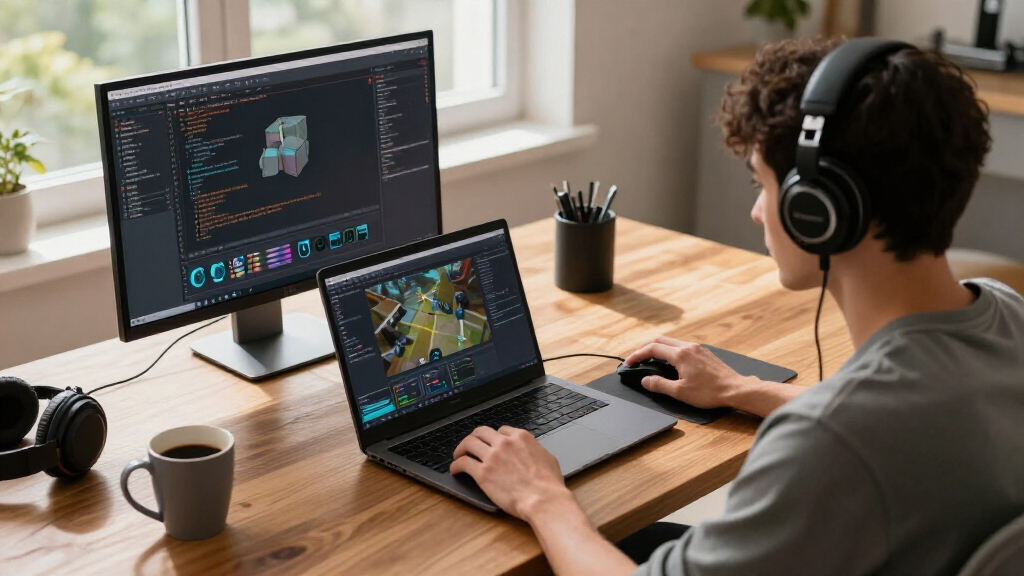
Our evaluation focused on performance, build quality, display accuracy, and upgradeability—critical factors for game development. We prioritized laptops with powerful GPUs and CPUs capable of handling demanding rendering, compiling, and multitasking. Usability aspects like keyboard comfort, display quality, and thermal management also played a role, as these affect long workflow sessions. Our ranking reflects a balance between raw power, value, and practical features, ensuring each pick serves a specific user profile from professionals to ambitious hobbyists.| gaming laptops for game development | Graphics |
|---|---|
| ASUS ROG Strix G16 | NVIDIA GeForce RTX 5070 Ti |
| Alienware 16 Aurora Gaming Lap | NVIDIA GeForce RTX 5050 |
| ASUS ROG Strix G16 | NVIDIA GeForce RTX 5060 |
| GIGABYTE Gaming A16 Gaming Lap | — |
| MSI Katana 15 HX 15.6” QHD+ Ga | NVIDIA GeForce RTX 5070 |
| Acer Nitro V 16S AI Gaming Lap | — |
| Lenovo Legion 5i Gaming Laptop | — |
Factors to Consider When Choosing Best Gaming Laptops For Game Development
When choosing a gaming laptop for game development, it’s essential to consider more than just gaming performance. Your workflow requires a balance of processing power, display quality, and portability. The right laptop can streamline your development process, reduce frustration, and future-proof your setup for upcoming projects. Here are key factors to keep in mind beyond raw specs to make an informed decision.Performance Power and CPU Choices
Game development often demands high CPU performance for compiling code, running simulations, and multitasking. Look for laptops with recent Intel Core i7 or i9 HX series processors or AMD Ryzen 7/9 chips, as these provide the muscle needed for heavy workloads. However, higher power CPUs can lead to increased heat and shorter battery life, so consider your portability needs as well. Opting for a slightly lower-tier CPU might save cost and reduce thermal concerns if you mainly work in stationary setups.
Graphics Card Capabilities
The GPU is a critical component for rendering scenes, testing graphics, and running GPU-accelerated tools. An RTX 5070 Ti offers the best performance in this category, enabling faster rendering and more complex projects. However, it comes with a higher price and increased power draw. For lighter development or if budget is tight, an RTX 5050 or similar can still handle most tasks but might slow down on demanding projects. Balance your GPU choice with your performance needs and budget.
Display Quality and Color Accuracy
A high-resolution, color-accurate display improves visual debugging and asset creation. A 16:10 aspect ratio or OLED screens provide more vertical space and richer visuals, which benefit complex UI and scene editing. Don’t overlook refresh rates; 165Hz or higher can make interface interactions smoother, especially when testing animations or real-time rendering. Prioritize screens with good coverage of color spaces like sRGB or AdobeRGB for precise color work.
Build Quality and Thermal Management
Prolonged development sessions generate heat, so a durable chassis and efficient thermal design are vital. Laptops with good airflow and quality cooling systems prevent thermal throttling that hampers performance. A sturdy build also ensures longevity, especially if you move between locations frequently. Be wary of thin, lightweight models that might sacrifice cooling capacity, which could result in reduced performance under load.
Portability and Battery Life
While powerful hardware is essential, portability remains a factor. Heavier laptops with larger batteries can be cumbersome but allow longer use away from outlets. If you frequently work on the go, prioritize models with solid battery life and a manageable weight. Conversely, if your setup is stationary, you can afford to focus solely on performance without worrying about bulk or battery longevity.
Expandability and Future-Proofing
Some laptops offer options to upgrade RAM, storage, or even the GPU, extending their lifespan. Consider models with easy access panels or user-upgradable components if you plan to scale your development setup over time. This flexibility can save money in the long run and adapt to evolving software requirements.
Frequently Asked Questions
Can I use a gaming laptop for professional game development?
Absolutely. Gaming laptops are often equipped with high-end GPUs, fast CPUs, and high-quality displays, making them suitable for professional game development. However, it’s important to consider thermal management and upgrade options, as some models may thermal throttle under prolonged heavy loads. For professional use, selecting a model with robust cooling and good build quality will ensure consistent performance over time.
Is a higher refresh rate display necessary for game development?
While a high refresh rate (like 165Hz or higher) isn’t strictly necessary for development, it can significantly improve workflow efficiency, especially when testing animations or real-time rendering. A smoother display makes navigating complex scenes easier and reduces eye strain during long sessions. However, if your primary focus is asset creation or code editing, a standard 60-144Hz screen may suffice.
How important is GPU performance compared to CPU for game development?
Both components are vital, but their importance varies by project. A powerful GPU accelerates rendering, real-time testing, and visual debugging, making it essential for graphically intensive work. The CPU, on the other hand, handles compiling, multitasking, and simulation tasks. For most development workflows, a balanced approach—strong GPU and CPU—is best, but prioritize based on your specific project needs.
Should I prioritize display resolution over portability?
Deciding between a high-resolution display and portability depends on your workflow. A 4K or OLED display offers better clarity and color accuracy but often adds weight and reduces battery life. If you mostly work in a fixed location, a high-res display enhances productivity. For frequent travel or working remotely, a lighter, lower-resolution model might be more practical while still offering solid performance.
Are gaming laptops durable enough for long-term development use?
Many gaming laptops are built with strong materials and feature good thermal management, making them suitable for long-term use. However, frequent transportation can wear down components faster, especially if the chassis is lightweight. Investing in a model with good build quality and reliable cooling systems can extend its lifespan. Regular maintenance and careful handling also help preserve performance over years of development work.
Conclusion
For those seeking the best overall performance, the ASUS ROG Strix G16 (2025) makes an excellent choice thanks to its powerful GPU and high-refresh-rate display. Budget-conscious developers or hobbyists might prefer the Lenovo Legion 5i for its balance of cost and capability. If portability with top-tier specs is your priority, the MSI Katana 15 HX delivers impressive power in a manageable form. Beginners or those working primarily on 2D projects might find less costly options adequate, while professionals aiming for future-proofing should consider models with upgrade options and premium displays.
Halloween Picks
halloween
As an affiliate, we earn on qualifying purchases.