

Finding the best AMD graphics cards for Linux users can be challenging due to driver compatibility, performance tradeoffs, and value. The ASUS Prime Radeon RX 9070 XT 16GB stands out for its strong gaming and productivity balance, while the AMD Radeon Pro W7500 offers excellent professional-grade performance for creative workflows. However, some cards excel in raw power but may lack seamless Linux driver support, creating a common tradeoff between performance and stability. Continue reading for a detailed breakdown of the top options tailored for Linux users, so you can find the best fit for your needs.

Get hardware and tech essentials delivered free with Prime
- Fast, free delivery on millions of items
- Prime Video, Amazon Music and more included
- Member-only deals all year
Key Takeaways
- High-end AMD cards like the ASUS Prime RX 9070 XT deliver top performance but may come with driver compatibility challenges on Linux.
- Professional cards such as the AMD Radeon Pro W7500 excel in stability and support for creative workloads but often lack gaming performance.
- The best value options, like the RX 7600 Challenger, provide decent performance at more accessible price points, with reliable Linux support.
- Compact and low-profile cards like the Radeon Pro WX 4100 are ideal for small builds but are less suited for intensive gaming or workloads.
- Driver support and community-backed stability are key factors that distinguish the most practical choices for Linux users.
| ASUS Prime Radeon RX 9070 XT 16GB GDDR6 OC Edition Gaming Graphics Card |  | Best Overall for Gaming and Customization | GPU Model: Radeon RX 9070 XT | Memory: 16GB GDDR6 | Design: 2.5-slot | VIEW LATEST PRICE | See Our Full Breakdown |
| XFX Swift AMD Radeon RX 9060 XT OC Triple Fan Gaming Edition with 16GB GDDR6 |  | Best for Raw Performance and High Memory Capacity | Chipset: AMD RX 9060 XT | Memory: 16 GB GDDR6 | Cooling: Triple Fan | VIEW LATEST PRICE | See Our Full Breakdown |
| AMD Radeon Pro W7500 Graphics Card – 8 GB GDDR6, Full-Height, Desktop, DisplayPort Output |  | Best for Professional Workstations and High-Resolution Tasks | Graphics Coprocessor: AMD Radeon RX 470 | RAM: 8 GB GDDR6 | Video Output Interface: DisplayPort | VIEW LATEST PRICE | See Our Full Breakdown |
| ASRock Radeon RX 9060 XT Challenger 16GB OC Graphics Card |  | Best for High-Performance Gaming and Creative Work | Graphics Coprocessor: AMD Radeon RX 9060 XT | Memory: 16 GB GDDR6 | GPU Clock Speed: 3290 MHz | VIEW LATEST PRICE | See Our Full Breakdown |
| AMD Radeon Pro W5700 Graphics Card – 8 GB GDDR6 |  | Best for Professional Creative and Engineering Work | Graphics Coprocessor: AMD Radeon Pro W5700 | RAM: 8 GB GDDR6 | Video Output Interface: Mini DisplayPort | VIEW LATEST PRICE | See Our Full Breakdown |
| AMD Radeon Pro WX 4100 Graphics Card Low Profile 4 GB GDDR5 |  | Best for Professional Workstations | Graphics Coprocessor: AMD Radeon RX 480 | RAM: 4 GB | Video Output Interface: DisplayPort, Mini DisplayPort | VIEW LATEST PRICE | See Our Full Breakdown |
| ASRock Radeon RX 7700 XT Challenger 12GB OC Graphics Card |  | Best High-Performance Gaming and Content Creation | Architecture: AMD RDNA 3 | Compute Units: 54 | Boost Clock: 2584 MHz | VIEW LATEST PRICE | See Our Full Breakdown |
| AMD Radeon Pro WX 9100 Graphics Card – 16 GB |  | Best for High-End Professional Workloads | Graphics Coprocessor: AMD Radeon Pro WX 9100 | RAM: 16 GB | Video Output Interface: DisplayPort | VIEW LATEST PRICE | See Our Full Breakdown |
| XFX Speedster SWFT210 Radeon RX 7600 Graphics Card with 8GB GDDR6 |  | Best for High-Resolution Gaming and General Use | Chipset: AMD RX 7600 | Memory: 8GB GDDR6 | Boost Clock: Up to 2655 MHz | VIEW LATEST PRICE | See Our Full Breakdown |
| ASRock Radeon RX 7600 Challenger Pro 8GB OC Graphics Card |  | Best for High-Performance Gaming and Content Creation | Memory: 8GB GDDR6 | Boost Clock: 2695MHz | Game Clock: 2280MHz | VIEW LATEST PRICE | See Our Full Breakdown |
| GIGABYTE Radeon RX 9070 XT Gaming OC 16G Graphics Card |  | Best for High-End Gaming and Professional Workloads | GPU Model: Radeon RX 9070 XT | Memory: 16GB GDDR6 | Interface: PCIe 5.0 | VIEW LATEST PRICE | See Our Full Breakdown |
| AMD graphics cards for Linux user | Memory | Graphics Coprocessor | Video Output Interface |
|---|---|---|---|
| ASUS Prime Radeon RX 9070 XT 1 | 16GB GDDR6 | — | — |
| XFX Swift AMD Radeon RX 9060 X | 16 GB GDDR6 | — | — |
| AMD Radeon Pro W7500 Graphics | — | AMD Radeon RX 470 | DisplayPort |
| ASRock Radeon RX 9060 XT Chall | 16 GB GDDR6 | AMD Radeon RX 9060 XT | DisplayPort, HDMI |
| AMD Radeon Pro W5700 Graphics | — | AMD Radeon Pro W5700 | Mini DisplayPort |
| AMD Radeon Pro WX 4100 Graphic | — | AMD Radeon RX 480 | DisplayPort, Mini DisplayPort |
| ASRock Radeon RX 7700 XT Chall | 12GB GDDR6 | — | — |
| AMD Radeon Pro WX 9100 Graphic | — | AMD Radeon Pro WX 9100 | DisplayPort |
| XFX Speedster SWFT210 Radeon R | 8GB GDDR6 | AMD Radeon RX 7600 | HDMI |
| ASRock Radeon RX 7600 Challeng | 8GB GDDR6 | — | — |
| GIGABYTE Radeon RX 9070 XT Gam | 16GB GDDR6 | — | — |
More Details on Our Top Picks
ASUS Prime Radeon RX 9070 XT 16GB GDDR6 OC Edition Gaming Graphics Card
This card stands out for its blend of high clock speeds, advanced cooling, and flexible profiles, making it a top choice for Linux gamers who want both performance and reliability. Compared with the XFX Swift AMD Radeon RX 9060 XT OC, it offers slightly higher clock speeds thanks to its OC mode, but the dual BIOS and phase-change thermal pads give it a durability edge. The 2.5-slot design might pose compatibility issues in smaller cases, yet its cooling innovations help maintain stability under load. Its software support and dual BIOS switch facilitate tuning, which is beneficial for Linux users needing stability and performance tuning. The main tradeoff is its potentially large size, which could limit compatibility with some chassis.
Pros:- Advanced axial-tech fans and phase-change thermal pads for superior cooling
- High boost clock up to 3030 MHz for demanding games
- Dual BIOS switch for customization and stability
- Long-lasting dual-ball fan bearings
Cons:- Large 2.5-slot design may limit compatibility
- No specific pricing or extensive user reviews available
Best for: Linux gamers who seek high-performance, customizable gaming graphics with reliable cooling.
Not ideal for: Users with compact PC cases or limited space who need a more compact design.
- GPU Model:Radeon RX 9070 XT
- Memory:16GB GDDR6
- Design:2.5-slot
- Cooling Technology:Axial-tech fans, phase-change thermal pad
- Fan Bearings:Dual-ball
- Clock Speeds:OC mode up to 3030 MHz, default up to 3010 MHz
Our verdict“This card is ideal for Linux gaming enthusiasts who prioritize high performance and customization, accepting size and compatibility considerations.”
XFX Swift AMD Radeon RX 9060 XT OC Triple Fan Gaming Edition with 16GB GDDR6
This card is geared toward users needing maximum memory and high clocks, with its triple fan cooling and up to 3320 MHz boost clock. While its raw speed surpasses the ASUS RX 9070 XT in clock performance, it offers less customization potential and has limited info on Linux driver support. The triple fan design helps with cooling demanding workloads, but high power consumption and limited detailed specs could be drawbacks for some users. It’s a strong choice for gamers or creators who prioritize sheer speed and large memory buffer, assuming they can manage power and compatibility issues.
Pros:- Up to 16GB GDDR6 memory for demanding applications
- Triple fan cooling system for effective thermal management
- High boost clock of up to 3320 MHz for maximum speed
Cons:- Limited information on Linux driver support and compatibility
- Potentially high power consumption and noise levels
Best for: Linux users who demand top-tier gaming performance or GPU-intensive creative work with high memory needs.
Not ideal for: Users with modest power supplies or those seeking a quiet, low-power setup, due to high clock speeds and power draw.
- Chipset:AMD RX 9060 XT
- Memory:16 GB GDDR6
- Cooling:Triple Fan
- Boost Clock:up to 3320 MHz
Our verdict“Best suited for Linux users focused on raw speed and memory capacity, provided they can accommodate its power needs and cooling.”
AMD Radeon Pro W7500 Graphics Card – 8 GB GDDR6, Full-Height, Desktop, DisplayPort Output
This professional-grade card emphasizes high-resolution support up to 7680 x 4320 and power efficiency, making it a strong candidate for demanding professional workflows on Linux. Compared with the gaming-focused RX cards, the W7500 offers stability and high-res output, but it lacks gaming optimization and may not perform as well in gaming benchmarks. Its limited cooling info and professional focus mean it’s less suited for gaming or casual use. It’s ideal for users working in 3D design, engineering, or scientific visualization who need stable, high-res output in Linux environments.
Pros:- Supports up to 7680 x 4320 resolution for high-end professional displays
- 8 GB GDDR6 memory suitable for demanding workflows
- Includes DisplayPort output for high-resolution monitors
- Power-efficient architecture
Cons:- Designed primarily for professional applications, not gaming
- Limited cooling and noise data available
- Potential confusion with graphics coprocessor info listed as RX 470
Best for: Linux professionals in 3D modeling, engineering, or scientific visualization needing high-resolution display support.
Not ideal for: Casual gamers or those seeking gaming-centric features, as this card is optimized for precision and stability, not gaming performance.
- Graphics Coprocessor:AMD Radeon RX 470
- RAM:8 GB GDDR6
- Video Output Interface:DisplayPort
- Maximum Resolution:7680 x 4320
Our verdict“This card is best for Linux users who prioritize high-res professional visualization over gaming performance.”
ASRock Radeon RX 9060 XT Challenger 16GB OC Graphics Card
This model combines high clock speeds, 16GB memory, and PCIe 5.0 support, making it suitable for both gaming and AI-accelerated creative workloads on Linux. Its boost clock of 3290 MHz rivals the XFX RX 9060 XT OC, but with dual fans for better thermal management in high-performance tasks. Compared to the ASUS RX 9070 XT, it may lack the extensive software features, but its high clock speed and large memory buffer make it a compelling option for demanding users who need stable, sustained performance. The need to verify chassis clearance and power capacity remains a consideration for potential buyers.
Pros:- Boost clock up to 3290 MHz for fast, stable performance
- 16GB GDDR6 memory supports demanding applications
- Supports 1440p gaming and AI-enhanced features
- Dual fans for effective cooling
Cons:- Requires chassis and power supply compatibility checks
- No pricing info or detailed user feedback available
Best for: Linux users who want a high-performance GPU for gaming, AI work, or creative tasks with a focus on speed and cooling efficiency.
Not ideal for: Users with small cases or limited power supply capacity, as high clocks and dual fans may demand more space and power.
- Graphics Coprocessor:AMD Radeon RX 9060 XT
- Memory:16 GB GDDR6
- GPU Clock Speed:3290 MHz
- Video Output Interface:DisplayPort, HDMI
Our verdict“This card is perfect for Linux users seeking high-speed gaming and AI performance, provided their system can handle its power and size requirements.”
AMD Radeon Pro W5700 Graphics Card – 8 GB GDDR6
The W5700 offers a professional-grade solution for high-end visualization, with support for resolutions up to 7680 x 4320 and power efficiency from its 7nm RDNA architecture. While it excels in high-resolution workflows on Linux, it isn’t optimized for gaming, unlike the other RX cards. Its power-efficient design and 8GB GDDR6 memory make it appealing for engineering, CAD, and scientific tasks. However, its single fan and professional focus mean it may underperform in gaming scenarios and lacks detailed cooling info, which could be a concern for high workloads.
Pros:- Supports up to 7680 x 4320 resolution for high-end professional displays
- Power-efficient 7nm RDNA architecture
- 8GB GDDR6 memory suitable for demanding professional workflows
- Two-year warranty adds reliability
Cons:- Designed mainly for professional use, not gaming
- Limited cooling and noise data
- Potential mismatch in performance expectations for gaming
Best for: Linux professionals engaged in CAD, 3D modeling, or scientific visualization needing reliable high-res output.
Not ideal for: Casual gamers or users seeking gaming-optimized performance, as this card is tailored for stability and precision.
- Graphics Coprocessor:AMD Radeon Pro W5700
- RAM:8 GB GDDR6
- Video Output Interface:Mini DisplayPort
- Maximum Resolution:7680 x 4320
Our verdict“Ideal for Linux professionals focusing on high-resolution, stability, and efficiency in professional workflows rather than gaming.”
AMD Radeon Pro WX 4100 Graphics Card Low Profile 4 GB GDDR5
The AMD Radeon Pro WX 4100 makes this list for Linux users needing a compact, reliable workstation GPU. Unlike the more gaming-oriented options like the RX 7700 XT, it emphasizes high-resolution support and professional rendering, making it ideal for CAD, video editing, and multi-monitor setups. Its low-profile design is perfect for small form factor desktops, and AMD PowerTune ensures efficient power use during intensive tasks. However, with only 4 GB of VRAM and an older architecture based on RX 480, it may struggle with very demanding workloads or future software updates. Compared to the Radeon Pro WX 9100, it offers less memory and raw power but at a lower price point and lower power requirements. This pick is best suited to professionals who prioritize stability and compactness over raw gaming performance.
Pros:- Supports high-resolution displays up to 5K or four 4K monitors
- Low-profile design fits small or space-constrained setups
- Efficient power management with AMD PowerTune technology
- Reliable for professional rendering and visualization tasks
Cons:- Limited to 4 GB of VRAM, which may be insufficient for demanding workloads
- Based on older RX 480 architecture, not the latest AMD tech
- No HDMI output, only DisplayPort options
Best for: Linux-based professionals working in CAD, video editing, or multi-monitor setups needing a compact, stable GPU.
Not ideal for: Gamers or users needing high VRAM for modern AAA titles or future-proofing, as it lacks the latest architecture and has limited memory.
- Graphics Coprocessor:AMD Radeon RX 480
- RAM:4 GB
- Video Output Interface:DisplayPort, Mini DisplayPort
- Graphics RAM Type:DDR5 SDRAM
- Maximum Resolution:5120×2880
- Interface:PCI Express
Our verdict“This GPU suits Linux professionals needing a compact, stable card for high-res displays and professional workflows, but not the best choice for gaming or VRAM-intensive tasks.”
ASRock Radeon RX 7700 XT Challenger 12GB OC Graphics Card
The ASRock Radeon RX 7700 XT Challenger stands out with its AMD RDNA 3 architecture and 12GB of GDDR6 memory, making it a solid choice for Linux users interested in gaming and multimedia tasks. Its high boost clock of 2584 MHz surpasses many competitors like the RX 7600, delivering smoother frame rates. The dual-fan cooling ensures effective thermal management, even during extended gaming sessions, and its support for modern outputs like DisplayPort 2.1 and HDMI 2.1 caters well to high-refresh-rate monitors. Compared to the RX 7600, it offers higher VRAM and better performance at higher resolutions, but it requires a more powerful system, including a 550W power supply and a larger case. It’s less ideal for users with smaller, less capable PCs, but perfect for those seeking a balanced gaming and creation card.
Pros:- High boost clock of 2584 MHz for excellent gaming performance
- 12GB GDDR6 memory supports high-resolution and multi-monitor setups
- Dual-fan cooling provides quiet operation and thermal efficiency
- Supports modern display outputs for immersive gaming
Cons:- Requires a robust system with at least 550W power supply
- Not compatible with all pre-built systems due to size and power demands
- Higher price point compared to entry-level cards
Best for: Gamers and content creators who want high frame rates, high-resolution support, and future-proofing on Linux.
Not ideal for: Budget-conscious users or those with small cases and lower wattage power supplies, as it demands substantial system resources.
- Architecture:AMD RDNA 3
- Compute Units:54
- Boost Clock:2584 MHz
- Memory:12GB GDDR6
- Display Outputs:3 x DisplayPort 2.1, 1 x HDMI 2.1
- Cooling:Dual Fan with Heatpipe
Our verdict“This GPU is best suited for Linux gamers and creators seeking high performance and future-ready features, provided their system can support it.”
AMD Radeon Pro WX 9100 Graphics Card – 16 GB
The AMD Radeon Pro WX 9100 delivers exceptional performance for Linux users engaged in demanding tasks like 8K video editing, virtual reality, and complex rendering. Its 16GB of HBM2 memory and Vega architecture provide a significant advantage over more consumer-focused cards like the RX 7700 XT, supporting real-time photorealistic visualization. Its dual-fan cooling system and high maximum resolution of 7680×4320 make it ideal for workstation environments. However, it comes with a steep price tag and is more suited for users with high-end workstations, rather than casual or gaming setups. Its limited cooling and noise level data may also be a concern for quiet office environments. Compared to the RX 7600 series, it offers vastly greater VRAM and professional features but at a lower value and accessibility for typical Linux users.
Pros:- 16GB of high-bandwidth HBM2 memory supports demanding workflows
- Supports 8K resolution and real-time photorealistic rendering
- Built on Vega architecture with advanced memory management
- Ideal for complex visualization and VR applications
Cons:- Expensive compared to consumer-grade GPUs
- Requires a compatible high-end desktop system
- Limited cooling and noise info for quiet environments
Best for: Professionals needing high VRAM and advanced rendering capabilities in Linux-based creative or scientific workflows.
Not ideal for: Casual gamers or home users with modest system specs, due to its professional focus and high cost.
- Graphics Coprocessor:AMD Radeon Pro WX 9100
- RAM:16 GB
- Video Output Interface:DisplayPort
- Graphics RAM Type:HBM2
- Maximum Display Resolution:7680×4320
- Interface:PCI-Express x16
Our verdict“This card is tailored for Linux professionals requiring top-tier VRAM and rendering performance, but it’s overkill for typical gaming or light workloads.”
XFX Speedster SWFT210 Radeon RX 7600 Graphics Card with 8GB GDDR6
The XFX Speedster SWFT210 Radeon RX 7600 offers solid gaming performance with AMD RDNA 3 architecture and 8GB of GDDR6 memory. Its boost clock of up to 2655 MHz rivals higher-tier cards like the RX 7700 XT, but with a more accessible price point and lower power requirements. Its dual-fan cooling system helps maintain thermal stability during extended gaming sessions, making it a good choice for Linux gamers who want high frame rates at 1080p or even 1440p resolutions. Compared to the RX 7700 XT, it offers less VRAM and slightly lower overall performance, but for many, the value and lower system demands make it appealing. The absence of detailed reviews and accessories suggests it’s aimed at users comfortable with standard PC hardware configurations.
Pros:- High boost clock of 2655 MHz for excellent gaming frame rates
- 8GB GDDR6 memory supports high-resolution gaming
- Dual fan cooling maintains temperature during intense sessions
- Supports up to 7680×4320 resolution
Cons:- Limited detailed performance reviews available
- No included accessories or extra features
- Requires a compatible PCIe slot and suitable power supply
Best for: Linux gamers seeking high performance at a more affordable price, especially for 1080p and 1440p gaming.
Not ideal for: Users aiming for ultra-high resolutions or VRAM-intensive tasks, as it’s less suitable for 4K gaming or heavy multitasking.
- Chipset:AMD RX 7600
- Memory:8GB GDDR6
- Boost Clock:Up to 2655 MHz
- Graphics Coprocessor:AMD Radeon RX 7600
- Video Output Interface:HDMI
- Graphics Ram Type:GDDR6
Our verdict“This GPU is well-suited for Linux gamers wanting high performance without the premium price of flagship models, but it’s less ideal for demanding VRAM-heavy workloads.”
ASRock Radeon RX 7600 Challenger Pro 8GB OC Graphics Card
The ASRock Radeon RX 7600 Challenger Pro emphasizes high gaming performance with an impressive boost clock of 2695 MHz and triple-fan cooling, making it a strong contender for Linux users who want reliable high-res gaming and content creation. Its support for 4K output and multiple display options makes it suitable for multitasking and professional use. The extensive cooling system maintains low temperatures even under load, and its support for PCIe 4.0 ensures compatibility with many modern systems. However, the requirement of a 550W power supply and its large size could exclude users with smaller cases or less powerful systems. Compared to the RX 7700 XT, it’s a more affordable alternative, sacrificing some VRAM and performance for value and efficiency.
Pros:- Boost clock of 2695MHz for high gaming and rendering performance
- Triple-fan cooling system maintains low temperatures
- Supports multiple high-resolution displays, including 8K
- Quiet operation during low to moderate loads
Cons:- Requires a 550W power supply, which may be high for some builds
- Large size may not fit in smaller cases
- Limited to PCIe 4.0 systems, reducing compatibility with older setups
Best for: Linux gamers and creators seeking high clock speeds and robust thermal management within a mid-range budget.
Not ideal for: Small form factor PCs or users with limited power supply capacity, due to its size and power demands.
- Memory:8GB GDDR6
- Boost Clock:2695MHz
- Game Clock:2280MHz
- Memory Bandwidth:288 GB/s
- Interface:PCIe 4.0
- Dimensions:303 mm x 131 mm x 45 mm
Our verdict“This card delivers excellent clock speeds and thermal efficiency for Linux gamers and creators with sufficiently powered systems, but it’s less suitable for compact or lower-wattage builds.”
GIGABYTE Radeon RX 9070 XT Gaming OC 16G Graphics Card
The GIGABYTE Radeon RX 9070 XT Gaming OC 16G stands out for delivering robust performance thanks to its PCIe 5.0 interface and 16GB GDDR6 memory, making it a solid choice for demanding Linux users who need both gaming power and professional-grade stability. Compared with the ASUS Prime Radeon RX 9070 XT, this model offers a more advanced cooling system with WINDFORCE technology, which is crucial for thermal management during extended workloads. However, its high power consumption and reliance on PCIe 5.0 could limit compatibility on older motherboards or power supplies. The RGB lighting adds aesthetic appeal but offers little functional benefit. This card is ideal for users who prioritize raw performance and cooling capacity, but those with older systems might face compatibility challenges.
Pros:- Exceptional performance due to high clock speeds and ample VRAM
- Advanced WINDFORCE cooling ensures thermal stability during intense workloads
- RGB lighting for customizable aesthetics
Cons:- High power consumption may increase energy costs and require a robust PSU
- Limited detailed specifications available, which could concern meticulous builders
- Requires PCIe 5.0 slot, not compatible with older systems
Best for: Linux users who demand high-end gaming performance and professional graphics work with modern PCIe 5.0 systems.
Not ideal for: Users with older motherboards or limited power supplies, as the card requires PCIe 5.0 and high wattage, and those seeking a quieter, less power-intensive setup.
- GPU Model:Radeon RX 9070 XT
- Memory:16GB GDDR6
- Interface:PCIe 5.0
- Cooling System:WINDFORCE
- Lighting:RGB
- Power Consumption:High
Our verdict“This card is best suited for gamers and professionals with modern systems who prioritize maximum performance and thermal management, but it may be overkill for casual users or those with legacy hardware.”
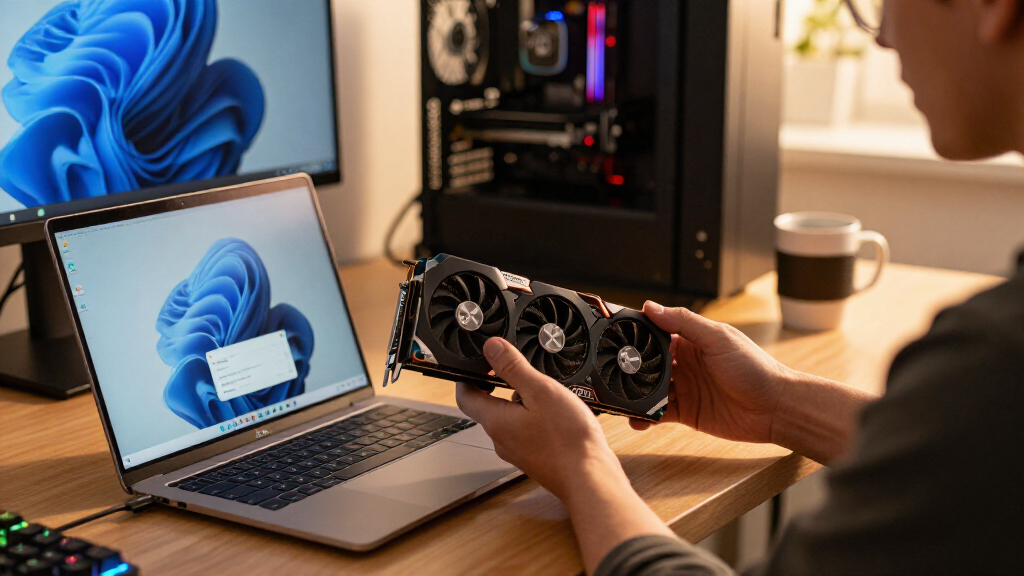
How We Picked
Our evaluation focused on performance benchmarks relevant to Linux workloads, driver support and compatibility, build quality, and overall value. We prioritized cards that have demonstrated reliable Linux driver support through community reports and manufacturer updates. The ranking considers whether a card balances gaming, professional use, and stability, which are critical factors for Linux users. Cards with better Linux support and solid performance in open-source driver environments ranked higher, while those with potential compatibility issues were placed lower. This approach ensures that recommendations serve real-world Linux users seeking dependable hardware.| AMD graphics cards for Linux user | Graphics Coprocessor | Video Output Interface |
|---|---|---|
| ASUS Prime Radeon RX 9070 XT 1 | — | — |
| XFX Swift AMD Radeon RX 9060 X | — | — |
| AMD Radeon Pro W7500 Graphics | AMD Radeon RX 470 | DisplayPort |
| ASRock Radeon RX 9060 XT Chall | AMD Radeon RX 9060 XT | DisplayPort, HDMI |
| AMD Radeon Pro W5700 Graphics | AMD Radeon Pro W5700 | Mini DisplayPort |
| AMD Radeon Pro WX 4100 Graphic | AMD Radeon RX 480 | DisplayPort, Mini DisplayPort |
| ASRock Radeon RX 7700 XT Chall | — | — |
| AMD Radeon Pro WX 9100 Graphic | AMD Radeon Pro WX 9100 | DisplayPort |
| XFX Speedster SWFT210 Radeon R | AMD Radeon RX 7600 | HDMI |
| ASRock Radeon RX 7600 Challeng | — | — |
| GIGABYTE Radeon RX 9070 XT Gam | — | — |
Factors to Consider When Choosing Best AMD Graphics Cards For Linux Users
When selecting the best AMD graphics card for Linux, it’s important to consider several key factors. Compatibility with your Linux distribution and the open-source AMDGPU driver is paramount, as some models may require additional configuration or have limited support. Performance needs vary based on whether you prioritize gaming, professional workloads, or general use, so choose a card that aligns with your primary tasks. Price-to-performance ratio can be tricky, especially given the variability in Linux driver maturity. Power consumption, physical size, and cooling solutions also influence compatibility with different PC builds. Avoid common pitfalls like assuming all AMD cards will work seamlessly—researching community feedback and driver support can save time and frustration.Driver Compatibility and Support
Linux driver support for AMD cards has improved significantly but remains inconsistent across models. Open-source drivers like AMDGPU are the default, but their maturity varies. High-end professional cards generally have better Linux support due to enterprise focus, while gaming-oriented cards might require additional tweaks or proprietary drivers. Checking community forums and recent user reports can help predict whether a specific model will function smoothly without extra hassle. Investing in cards with proven Linux compatibility reduces setup time and minimizes stability issues, making driver support a top priority for Linux users.
Performance for Gaming and Professional Work
Deciding between gaming and professional workloads influences your choice. Gaming cards like the ASUS Prime RX 9070 XT and GIGABYTE RX 9070 XT focus on high frame rates and visual fidelity but may lack optimal driver support for Linux. Conversely, professional options such as the AMD Radeon Pro W7500 prioritize stability, ECC memory, and certified drivers, which benefit creative and scientific applications. Balancing these needs requires understanding your workload priorities—if gaming is secondary, a professional-grade card could provide more consistent Linux support, while gamers may need to accept some configuration effort for top performance.
Price-to-Performance Ratio
Many Linux users seek a good balance between cost and capability. Lower-cost cards like the RX 7600 Challenger offer decent performance for everyday tasks and light gaming, with reliable Linux support. Higher-end models, though more expensive, deliver superior performance but often come with increased setup complexity or driver quirks. Recognizing that premium models may offer better longevity and stability, especially for professional use, helps avoid overspending on features that won’t translate well in Linux environments. Conversely, opting for a budget card can be a smart move if your workload is moderate and you prioritize stability over raw power.
Physical Size and Power Requirements
Compatibility with your case and power supply is sometimes overlooked. Larger, high-performance AMD cards, like the RX 9070 XT series, often demand substantial power and space, which can limit options for small or compact builds. Low-profile cards such as the Radeon Pro WX 4100 are ideal for small form-factor systems but offer limited gaming performance. Ensuring your PSU can handle the power draw and that your case has enough clearance avoids installation frustrations. These physical considerations influence long-term usability and can be deal-breakers if not matched properly.
Future-Proofing and Driver Updates
While current driver support is critical, considering future updates matters too. AMD regularly releases driver improvements, but Linux support can lag behind Windows. Opting for cards with strong community backing and recent driver updates helps ensure better longevity. Professional options tend to receive longer-term support and stability enhancements, making them more future-proof for Linux. Avoid models with sparse driver updates or limited community engagement if you want a system that remains stable and supported over time.
Frequently Asked Questions
Will AMD graphics cards work out of the box with Linux?
Many AMD cards are compatible with Linux through the open-source AMDGPU driver, which is included in most modern Linux kernels. However, the ease of setup and stability can vary depending on the specific model and your Linux distribution. While most mainstream AMD cards work with minimal configuration, some high-end or professional models may require additional driver installation or configuration tweaks. Checking recent community feedback and driver support status for your chosen card can help prevent surprises and ensure a smoother experience.
Is it better to buy an AMD professional card or a gaming one for Linux?
The choice depends on your primary workload. Professional AMD cards like the Radeon Pro series are designed for stability, certified drivers, and compatibility with creative and scientific applications, making them ideal for professional use. Gaming-oriented cards, such as the RX 7700 XT or RX 9060 XT, typically offer higher raw performance but may need more tweaking and may not be as reliable over time on Linux. If your focus is on stability and long-term support, professional cards are usually the safer bet, but gamers willing to accept some configuration effort might prefer gaming models for their higher performance.
How do I ensure my AMD card has good Linux driver support?
Research is key: look for recent user reviews, community forum discussions, and official updates from AMD. Cards that are part of AMD’s enterprise or professional line generally have better Linux driver support due to their emphasis on stability. Open-source drivers like AMDGPU are integrated into the Linux kernel, but some models might rely on proprietary components for full functionality. Choosing a card with a track record of Linux support and actively maintained driver updates reduces the risk of encountering driver issues after purchase.
Are there any AMD cards I should avoid for Linux?
Older or less common AMD models may have limited Linux driver support, leading to instability or reduced performance. Cards that rely heavily on proprietary drivers without open-source alternatives can also pose problems if AMD stops maintaining those drivers. It’s advisable to avoid very niche or legacy models unless community reports confirm stable Linux support. Checking recent compatibility lists and user experiences before purchasing helps avoid hardware that won’t deliver a smooth Linux experience.
How important is VRAM for Linux tasks like gaming or creative work?
VRAM capacity directly impacts the ability to handle high-resolution textures, large datasets, or complex graphical workloads. For gaming or creative applications on Linux, 8GB of VRAM is typically a good starting point, but for more demanding tasks like 4K gaming or 3D rendering, 12GB or more can provide smoother performance and future-proofing. Keep in mind that VRAM alone doesn’t determine performance—driver support and GPU architecture also matter. Selecting a card with sufficient VRAM ensures your Linux system can handle current and upcoming workloads without bottlenecks.
Conclusion
For most users seeking a reliable balance of performance and Linux support, the ASUS Prime Radeon RX 9070 XT offers excellent overall performance with good driver compatibility and future-proof features. Budget-conscious buyers will appreciate the Radeon RX 7600 Challenger for its decent performance and strong Linux community backing. Professionals or creative users should consider the AMD Radeon Pro W7500 or W5700 for stability and certified drivers, even if they sacrifice some gaming prowess. Beginners or those new to Linux should focus on cards known for plug-and-play support, avoiding models with limited community feedback. Ultimately, choosing the right card depends on your workload priorities, budget, and willingness to manage potential driver setup challenges.
Halloween Picks
halloween
As an affiliate, we earn on qualifying purchases.