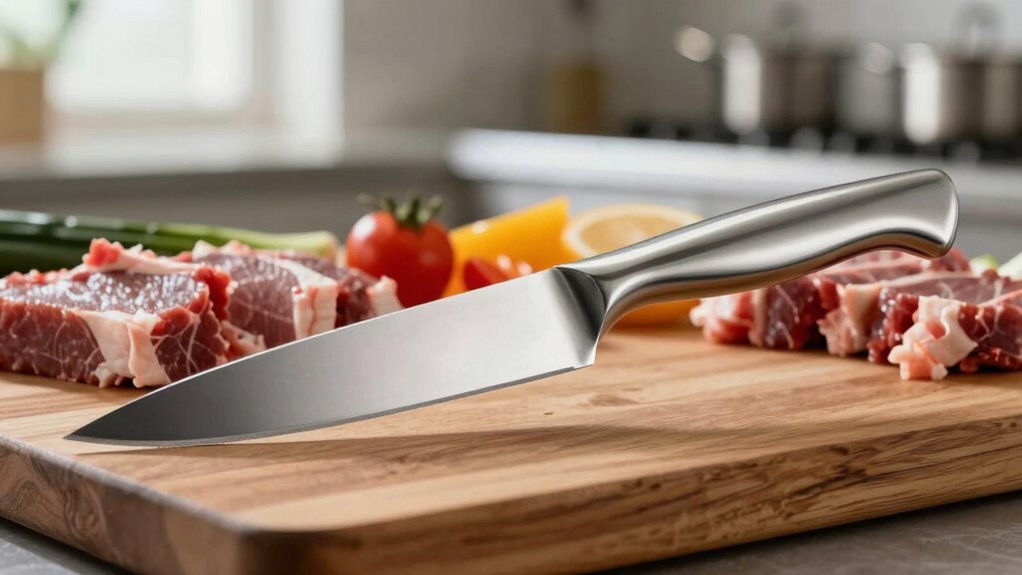

When it comes to boning knives, the right tool makes all the difference in preparing meat and fish with precision. The Victorinox Wood 6″ Boning Knife stands out for its durable curved blade and comfortable handle, ideal for detailed trimming. The imarku 6 Inch Fillet Knife offers high-carbon stainless steel for sharpness and easy maintenance, perfect for flexible cuts. These knives come with tradeoffs: some excel in flexibility but may lack robustness, while others prioritize stiffness over maneuverability. Continue reading for a detailed breakdown of the best boning knives to suit different needs and budgets.

Get hardware and tech essentials delivered free with Prime
- Fast, free delivery on millions of items
- Prime Video, Amazon Music and more included
- Member-only deals all year
Key Takeaways
- The best boning knives balance blade flexibility with stiffness depending on the type of meat or fish being prepared.
- High-quality materials like German stainless steel and Japanese carbon steel significantly improve edge retention and ease of sharpening.
- Handle comfort and balance are critical for extended use, especially for precision trimming and filleting.
- Price varies widely, but investing in a well-made boning knife can improve cutting accuracy and reduce fatigue.
- Flexibility and blade length are the main factors that differentiate models for specific tasks like fish filleting versus meat trimming.
| Victorinox Wood 6″ Boning Knife, Curved Blade, Semi-stiff, Maple Handle |  | Best Overall for Precision Meat Trimming | Blade Length: 6 inches | Blade Type: Curved, semi-stiff | Material: Stainless steel | VIEW ON AMAZON | See Our Full Breakdown |
| imarku 6 Inch Fillet Knife – German High Carbon Stainless Steel Boning Knife |  | Best for Sharpness and Versatility in Filleting | Blade Length: 6 inches | Material: German high-carbon stainless steel | Hardness: 56 Rockwell | VIEW ON AMAZON | See Our Full Breakdown |
| Victorinox Fibrox 6-Inch Curved Boning & Fillet Knife |  | Best for Flexible, Precise Cuts in Meat and Fish | Blade Length: 6 inches | Blade Material: Stainless steel | Handle Material: Fibrox | VIEW ON AMAZON | See Our Full Breakdown |
| Victorinox Swiss Classic 6-Inch Boning Knife with Narrow, Flexible Blade |  | Best for Light, Precise Deboning and Skinning | Blade Length: 6 inches | Blade Type: Flexible | Handle Material: Fibro Pro | VIEW ON AMAZON | See Our Full Breakdown |
| HOSHANHO 9 Inch Fillet Knife – Super Sharp Japanese Fish Boning Knife |  | Best for Length and Precision in Fish Filleting | Material: Japanese stainless steel 10Cr15CoMoV | Blade Length: 9 inches | Handle Material: Pakkawood | VIEW ON AMAZON | See Our Full Breakdown |
| Rondauno Boning Knife, 6-inch Razor Sharp Blade for Meat and Fish |  | Best Overall for Precision and Comfort | Blade Length: 6 inches | Blade Material: High carbon stainless steel | Edge Angle: 15 degrees per side | VIEW ON AMAZON | See Our Full Breakdown |
| Mercer Culinary Ultimate White 6-Inch Boning Knife |  | Best for Durability and Non-Slip Control | Blade Length: 6 inches | Material: High-carbon Japanese steel | Handle: Ergonomic with textured finger points | VIEW ON AMAZON | See Our Full Breakdown |
| Victorinox Fibrox Pro 6-Inch Curved Boning Knife |  | Best for Versatility and Swiss Craftsmanship | Blade Length: 6 inches | Blade Material: Stainless steel | Handle: Fibro Pro ergonomic handle | VIEW ON AMAZON | See Our Full Breakdown |
| Cutluxe Curved Boning Knife, 6″ for Meat Cutting & Trimming |  | Best for Flexibility and Filleting Precision | Blade Length: 6 inches | Blade Material: High-carbon German steel | Edge Angle: 14-16 degrees per side | VIEW ON AMAZON | See Our Full Breakdown |
| HOSHANHO 7 Inch Fillet Knife – Japanese Fish Boning Knife |  | Best for Fish Filleting and Precision Slicing | Blade Length: 7 inches | Material: Japanese stainless steel 10Cr15CoMoV | Handle Material: Pakkawood | VIEW ON AMAZON | See Our Full Breakdown |
| Mercer Culinary Ultimate White 6-inch Curved Boning Knife |  | Best Overall for Versatile, Durable Boning | Blade Length: 6 inches | Material: High-carbon Japanese steel | Handle: Ergonomic with textured finger points | VIEW ON AMAZON | See Our Full Breakdown |
| Victorinox Fibrox 6 Inch Flexible Boning Knife, Straight Blade, Black |  | Best for Precise, Flexible Deboning with Swiss Craftsmanship | Blade Length: 6 inches | Blade Type: Flexible, straight | Handle Material: Fibrox (non-slip) | VIEW ON AMAZON | See Our Full Breakdown |
| boning knife | Blade Length | Handle Material | Material |
|---|---|---|---|
| Victorinox Wood 6" Boning Knif | 6 inches | Maple wood | Stainless steel |
| imarku 6 Inch Fillet Knife | 6 inches | Pakkawood | German high-carbon stainless steel |
| Victorinox Fibrox 6-Inch Curve | 6 inches | Fibrox | — |
| Victorinox Swiss Classic 6-Inc | 6 inches | Fibro Pro | — |
| HOSHANHO 9 Inch Fillet Knife | 9 inches | Pakkawood | Japanese stainless steel 10Cr15CoMoV |
| Rondauno Boning Knife | 6 inches | ABS | — |
| Mercer Culinary Ultimate White | 6 inches | — | High-carbon Japanese steel |
| Victorinox Fibrox Pro 6-Inch C | 6 inches | — | — |
| Cutluxe Curved Boning Knife | 6 inches | Pakkawood | — |
| HOSHANHO 7 Inch Fillet Knife | 7 inches | Pakkawood | Japanese stainless steel 10Cr15CoMoV |
| Mercer Culinary Ultimate White | 6 inches | — | High-carbon Japanese steel |
| Victorinox Fibrox 6 Inch Flexi | 6 inches | Fibrox (non-slip) | — |
More Details on Our Top Picks
Victorinox Wood 6″ Boning Knife, Curved Blade, Semi-stiff, Maple Handle
This Victorinox model stands out for its narrow, curved, semi-stiff blade, making it ideal for delicate trimming and deboning tasks. Compared with the more flexible Victorinox Fibrox, this knife offers a bit more control for precision cuts, though its semi-stiff nature limits heavy-duty use. The durable stainless steel ensures longevity, while the wooden handle adds a traditional touch of comfort. However, the wooden handle demands careful maintenance, especially in moist environments. This pick is best suited for home cooks who prioritize finesse over brute strength and enjoy a classic aesthetic.
Pros:- Narrow, curved blade for detailed trimming
- Durable stainless steel construction
- Comfortable maple wooden handle
Cons:- Semi-stiff blade may not handle heavy-duty tasks
- Wooden handle requires careful maintenance
Best for: Home cooks focusing on fine trimming and deboning of poultry and small meats
Not ideal for: Heavy meat processing or butchers needing a robust, stiff blade for tough tasks
- Blade Length:6 inches
- Blade Type:Curved, semi-stiff
- Material:Stainless steel
- Handle Material:Maple wood
Our verdict“This knife offers exceptional precision for delicate trimming, perfect for home cooks who prioritize finesse over power.”
imarku 6 Inch Fillet Knife – German High Carbon Stainless Steel Boning Knife
The imarku 6-inch fillet knife excels in delivering a razor-sharp edge thanks to its high-carbon German stainless steel, making it perfect for precise deboning, filleting, and skinning. Unlike the Victorinox Fibrox, which has a flexible blade, this model offers a stiffer, more resilient edge suited for tougher fillets. Its ergonomic Pakkawood handle ensures a comfortable and secure grip, though it requires hand washing and maintenance to preserve its appearance. This knife is ideal for serious home cooks or professionals who need a versatile tool that handles multiple tasks without sacrificing sharpness.
Pros:- Exceptional sharpness with high-carbon German steel
- Ergonomic, non-slip Pakkawood handle
- Versatile for deboning, filleting, and skinning
Cons:- Handle requires manual maintenance and care
- Not dishwasher safe, increasing cleaning effort
Best for: Cooks who want a durable, high-performance fillet knife for frequent use
Not ideal for: Users seeking a low-maintenance, dishwasher-safe option or casual cooks
- Blade Length:6 inches
- Material:German high-carbon stainless steel
- Hardness:56 Rockwell
- Handle Material:Pakkawood
- Dishwasher Safe:No
Our verdict“This knife suits dedicated cooks needing a sharp, multi-use fillet tool with excellent edge retention.”
Victorinox Fibrox 6-Inch Curved Boning & Fillet Knife
This Victorinox Fibrox Pro knife shines with its flexible stainless steel blade, making it especially useful for delicate trimming of meat and fish, similar to the Swiss Classic but with added flexibility. Unlike the more rigid imarku, its blade bends easily, allowing for intricate work and close cuts. The textured Fibrox handle provides a secure grip, even when wet, and the Swiss-made quality offers peace of mind for professional and home use. The main tradeoff is that the flexible blade is less suitable for heavy-duty tasks, and you’ll need separate sharpeners to maintain its edge. It’s best for those focusing on finesse rather than brute force.
Pros:- Flexible blade for delicate cuts
- Slip-resistant Fibrox handle
- Swiss craftsmanship ensures high quality
Cons:- Requires separate sharpening tools
- Limited to specific boning and filleting tasks
Best for: Professionals or home cooks prioritizing precision in boning and filleting
Not ideal for: Cooks who need a stiff, heavy-duty knife for tough meat processing
- Blade Length:6 inches
- Blade Material:Stainless steel
- Handle Material:Fibrox
- Country of Origin:Switzerland
Our verdict“Best suited for detailed boning and fish filleting where flexibility and control are paramount.”
Victorinox Swiss Classic 6-Inch Boning Knife with Narrow, Flexible Blade
The Swiss Classic model excels with its lightweight design and razor-sharp, flexible blade, making it ideal for precise deboning of poultry, meat, and fish. Compared to the Fibrox, this version is lighter, reducing hand fatigue during extended use, and is made from high-quality European steel. Its NSF-approved handle ensures durability and a secure grip, making it suitable for both professional kitchens and home cooks. However, its focus on flexibility means it’s less suitable for heavy-duty tasks, and the higher price point may deter casual users. This knife is perfect for those who value control and comfort over brute strength.
Pros:- Flexible blade for precise deboning
- Lightweight and reduces fatigue
- High-quality Swiss steel with NSF approval
Cons:- Limited to boning and skinning tasks
- Premium price for casual users
Best for: Professional chefs or serious home cooks performing detailed boning tasks
Not ideal for: Cooks needing a versatile, all-purpose knife for heavy meat work
- Blade Length:6 inches
- Blade Type:Flexible
- Handle Material:Fibro Pro
- Country of Origin:Switzerland
- Warranty:Lifetime
Our verdict“A superb choice for detailed boning where control and comfort are prioritized over power.”
HOSHANHO 9 Inch Fillet Knife – Super Sharp Japanese Fish Boning Knife
The HOSHANHO 9-inch fillet knife offers an extended blade crafted from high-grade Japanese stainless steel, making it suitable for large fish and meat trimming. Its longer length provides increased control for filleting, especially compared to the shorter imarku or Victorinox models. The ergonomic pakkawood handle reduces fatigue and offers comfort during extended use, whether in a professional or home kitchen. Its 15-degree edge per side ensures sharpness, but the softer steel may require more careful handling to maintain its edge over time. This knife makes sense for those working with larger proteins or who need a longer blade for detailed control.
Pros:- High-quality Japanese stainless steel for durability
- Longer blade for large fish filleting
- Ergonomic pakkawood handle for comfort
Cons:- Blade softness may require careful handling
- Limited weight info and warranty details
Best for: Professional fishmongers or home cooks working with large fish and requiring extended reach
Not ideal for: Casual users or those handling only small cuts, for whom the extra length is unwieldy
- Material:Japanese stainless steel 10Cr15CoMoV
- Blade Length:9 inches
- Handle Material:Pakkawood
- Blade Edge:15 degrees per side
Our verdict“This knife is ideal for large fish filleting where length and control are needed, especially in professional settings.”
Rondauno Boning Knife, 6-inch Razor Sharp Blade for Meat and Fish
This 6-inch Rondauno boning knife stands out for its ultra razor-sharp high carbon stainless steel blade, which allows for incredibly precise cuts on meat and fish. Its ergonomic, slip-resistant handle provides comfort during extended use, making it suitable for both home cooks and professionals. Compared with the Victorinox Fibrox Pro, this knife offers a more refined edge and better control but requires more frequent sharpening and lacks a specific blade flexibility feature. Its balanced design makes it ideal for detailed deboning, though its premium materials come with the downside of needing regular maintenance. For those prioritizing accuracy and comfort, this option excels, but if you prefer low-maintenance tools, it might not be the best fit.
Pros:- Ultra razor-sharp blade for precision cuts
- Ergonomic, slip-resistant handle for comfort
- Suitable for both home and professional use
Cons:- No specific price information available
- Requires regular sharpening to maintain edge
Best for: Professional chefs or serious home cooks who need a precise, comfortable boning tool.
Not ideal for: Casual cooks or those seeking a low-cost, low-maintenance option, since it requires regular sharpening and careful handling.
- Blade Length:6 inches
- Blade Material:High carbon stainless steel
- Edge Angle:15 degrees per side
- Handle Material:ABS
- Handle Features:Textured, slip-resistant, ergonomic
Our verdict“This knife is perfect for users demanding precision and comfort, willing to invest in regular maintenance.”
Mercer Culinary Ultimate White 6-Inch Boning Knife
The Mercer Culinary Ultimate White 6-inch boning knife is crafted from high-carbon Japanese steel, making it highly durable and exceptionally sharp. Its ergonomic handle with textured finger points offers a secure grip that reduces fatigue during long tasks like deboning poultry or fish. Compared with the HOSHANHO 7-inch fillet, this knife emphasizes durability over length, which can be advantageous for detailed work but limits versatility for larger cuts. Its need for hand washing and limited scope—focused mainly on deboning—are tradeoffs, but the steel’s edge retention is notably strong. This pick makes the most sense for dedicated but careful home cooks or professional but maintenance-minded chefs who prioritize blade longevity and safety.
Pros:- Sharp, durable blade made from high-carbon Japanese steel
- Ergonomic handle offers a comfortable, non-slip grip
- Designed specifically for precise deboning and trimming
Cons:- Requires hand washing; not dishwasher safe
- Limited to deboning and trimming tasks
Best for: Cooks who want a durable, precise deboning knife and are comfortable hand washing and maintaining their tools.
Not ideal for: Users seeking a dishwasher-safe or all-around utility knife, as it requires hand washing and is focused on specific tasks.
- Blade Length:6 inches
- Material:High-carbon Japanese steel
- Handle:Ergonomic with textured finger points
- Series:Ultimate White
Our verdict“Ideal for those who want a durable, precise tool for deboning, willing to handle proper maintenance.”
Victorinox Fibrox Pro 6-Inch Curved Boning Knife
The Victorinox Fibrox Pro 6-inch curved boning knife offers a versatile option with a semi-stiff, curved blade designed for precise de-boning and meat trimming. Its Swiss-made construction and NSF certification guarantee safety and quality, making it a favorite among professionals. Compared with the HOSHANHO 7-inch fillet, this knife provides a more balanced weight and a slightly stiffer blade, which can be advantageous for control but less flexible for delicate filleting. The relatively heavy weight (5.5 pounds) may cause fatigue over extended use, especially for those with smaller hands. However, its reliable performance and ergonomic Fibro Pro handle make it a dependable choice for serious cooks. Best suited for professional kitchens or home cooks who value versatility over ultra-light handling.
Pros:- Ergonomic non-slip handle for comfortable grip
- Curved blade allows precise cuts close to bone
- Made in Switzerland with high-quality standards
Cons:- Heavy weight may cause fatigue
- Semi-stiff blade less flexible for delicate filleting
Best for: Professional chefs or experienced home cooks needing a reliable, versatile boning and trimming tool.
Not ideal for: Beginners or those preferring lightweight, highly flexible fillet knives, due to its weight and semi-stiff blade.
- Blade Length:6 inches
- Blade Material:Stainless steel
- Handle:Fibro Pro ergonomic handle
- Weight:5.5 pounds
- Design:Semi-stiff, curved blade
Our verdict“A dependable, versatile option for seasoned cooks seeking control and durability in boning tasks.”
Cutluxe Curved Boning Knife, 6″ for Meat Cutting & Trimming
The Cutluxe 6-inch curved boning knife distinguishes itself with a highly flexible, razor-sharp blade ideal for filleting, trimming, and skinning fish and meat. Its high-carbon German steel with a Rockwell hardness of 56+ offers durability and a keen edge, though this soft blade demands careful handling to avoid damage. The ergonomic pakkawood handle provides comfort and a full tang for stability, making it a great choice for detailed work. Compared to the HOSHANHO 7-inch fillet, this knife’s greater flexibility makes it better suited for delicate filleting, but it may lack the robustness needed for heavier tasks. Its limited size and handling requirements mean it’s best for dedicated filleting rather than all-purpose use. This pick appeals to experienced cooks needing a highly flexible, precise boning tool.
Pros:- Sharp, flexible blade ideal for filleting and skinning
- Ergonomic, comfortable pakkawood handle with full tang
- High-carbon German steel offers durability and edge retention
Cons:- Requires careful handling to prevent damage
- Handle may need maintenance to prevent staining
Best for: Cooks focused on filleting and delicate meat or fish work who can handle a softer, high-maintenance blade.
Not ideal for: Casual or busy kitchens where durability and ease of care are priorities, as the blade needs careful handling.
- Blade Length:6 inches
- Blade Material:High-carbon German steel
- Edge Angle:14-16 degrees per side
- Handle Material:Pakkawood
- Warranty:Lifetime
Our verdict“Perfect for experienced cooks needing precise, flexible filleting, despite the higher care requirements.”
HOSHANHO 7 Inch Fillet Knife – Japanese Fish Boning Knife
The HOSHANHO 7-inch fillet knife made from Japanese stainless steel 10Cr15CoMoV offers a combination of durability and sharpness tailored for fish and meat slicing. Its slightly longer blade enhances flexibility, making it well-suited for delicate filleting tasks, especially compared to shorter blades like the Mercer or Victorinox. The ergonomic pakkawood handle provides comfort and reduces fatigue, while its 15-degree per side edge angle helps maintain a sharp, precise cut. However, the softer steel may require more careful handling to avoid damage, and the handle’s moisture sensitivity demands proper maintenance. Compared with the Cutluxe, it offers a better balance of length and flexibility for fish but might lack the robustness for tougher meat cuts. This knife is ideal for seafood enthusiasts or cooks focusing on fish filleting.
Pros:- High-quality Japanese stainless steel for durability and sharpness
- Ergonomic pakkawood handle for comfort
- Versatile for slicing fish, meat, and other ingredients
Cons:- Soft blade may require careful handling
- Handle may need maintenance to prevent moisture damage
Best for: Cooks who need a lightweight, flexible, and precise fish fillet knife with a focus on fish and delicate meat slicing.
Not ideal for: Heavy-duty meat processing or users seeking a highly durable, low-maintenance knife, as the blade demands careful handling.
- Blade Length:7 inches
- Material:Japanese stainless steel 10Cr15CoMoV
- Handle Material:Pakkawood
- Blade Edge:15 degrees per side
Our verdict“An excellent choice for seafood lovers seeking a precise, lightweight fillet knife with smooth handling.”
Mercer Culinary Ultimate White 6-inch Curved Boning Knife
This knife stands out for its high-carbon Japanese steel blade, delivering exceptional sharpness and edge retention that surpasses many Western-styled blades like the Victorinox Fibrox. Its 6-inch curved blade makes it highly maneuverable for deboning poultry, ham, and fish, offering a good balance of flexibility and control. The ergonomic, textured handle enhances safety and comfort during extended use, a feature not always present on budget options. While it excels in precision and durability, it requires hand washing and isn’t dishwasher safe, making maintenance a slight inconvenience for busy kitchens. Compared to the Victorinox Fibrox 6-inch straight boning knife, it offers a more versatile shape but demands more careful cleaning. This pick makes the most sense for serious home cooks or professionals seeking a reliable, multipurpose boning tool that can handle frequent use without losing its edge.
Pros:- Exceptional sharpness and edge retention with high-carbon Japanese steel
- Ergonomic handle with textured, non-slip grip for safety and comfort
- Versatile 6-inch curved blade suitable for deboning various meats
Cons:- Requires hand washing; not dishwasher safe
- Limited to specific tasks like deboning and trimming, less versatile for general kitchen use
Best for: Home cooks and professional chefs who need a durable, sharp boning knife for frequent use and value high-quality steel.
Not ideal for: Casual users or those seeking an easy-care, dishwasher-safe option, as it requires hand washing and specific cleaning care.
- Blade Length:6 inches
- Material:High-carbon Japanese steel
- Handle:Ergonomic with textured finger points
- Series:Ultimate White
Our verdict“This is the best choice for those who need a durable, high-performance boning knife capable of handling demanding tasks with precision.”
Victorinox Fibrox 6 Inch Flexible Boning Knife, Straight Blade, Black
This Victorinox model makes the list for its exceptional Swiss craftsmanship and its flexible, straight 6-inch blade, which excels at delicate deboning tasks like filleting fish or removing skin from poultry. Its narrow, flexible blade offers superior control, especially compared to the stiffer curved options like the Mercer Ultimate White. The Fibrox handle provides a secure, ergonomic grip, even when wet, reducing fatigue during extended cutting sessions. However, the narrow blade may be too specialized for larger cuts or meat with thicker bones, limiting its versatility. Additionally, maintaining the edge requires proper care, and it’s best suited for boning and filleting rather than heavy-duty tasks. Compared to the Mercer knife, this one favors finesse over strength, making it ideal for precise, gentle work but less suitable for tough meat or heavy deboning. It’s perfect for professionals or home cooks focused on precision and finesse in boning and filleting tasks.
Pros:- Swiss-made quality with excellent craftsmanship
- Flexible, narrow blade offers superior control for delicate tasks
- Ergonomic, non-slip Fibrox handle for safety and comfort
Cons:- Narrow blade can be too specialized for larger, tougher cuts
- Requires proper care to maintain its edge and flexibility
- Limited to boning and filleting, less suitable for heavy-duty tasks
Best for: Professionals or serious home cooks needing a precision, flexible boning knife for delicate tasks like fish filleting or skin removal.
Not ideal for: Users looking for a versatile, all-purpose boning knife that can handle heavy or thick cuts, as its narrow blade limits its strength.
- Blade Length:6 inches
- Blade Type:Flexible, straight
- Handle Material:Fibrox (non-slip)
- Color:Black
- Made in:Switzerland
Our verdict“This knife is best suited for those who prioritize precision and finesse in boning and filleting over brute strength.”
How We Picked
These boning knives were evaluated based on several criteria: blade material quality, flexibility, edge retention, handle ergonomics, and overall durability. We also considered user feedback and the versatility of each design for different types of cuts. The ranking reflects a balance between performance, value, and suitability for various skill levels and use cases. Knives that offered specialized features for particular tasks, such as fish filleting or meat trimming, were prioritized alongside all-around performers. Our goal was to identify options that excel in key areas while acknowledging tradeoffs like price and maintenance requirements.| boning knife | Material | Handle Material |
|---|---|---|
| Victorinox Wood 6" Boning Knif | Stainless steel | Maple wood |
| imarku 6 Inch Fillet Knife | German high-carbon stainless steel | Pakkawood |
| Victorinox Fibrox 6-Inch Curve | — | Fibrox |
| Victorinox Swiss Classic 6-Inc | — | Fibro Pro |
| HOSHANHO 9 Inch Fillet Knife | Japanese stainless steel 10Cr15CoMoV | Pakkawood |
| Rondauno Boning Knife | — | ABS |
| Mercer Culinary Ultimate White | High-carbon Japanese steel | — |
| Victorinox Fibrox Pro 6-Inch C | — | — |
| Cutluxe Curved Boning Knife | — | Pakkawood |
| HOSHANHO 7 Inch Fillet Knife | Japanese stainless steel 10Cr15CoMoV | Pakkawood |
| Mercer Culinary Ultimate White | High-carbon Japanese steel | — |
| Victorinox Fibrox 6 Inch Flexi | — | Fibrox (non-slip) |
Factors to Consider When Choosing Boning Knives
Choosing the right boning knife involves understanding how different features impact your ability to work efficiently and comfortably. Beyond brand reputation, considering factors like blade flexibility, length, and handle design can help you pick a tool that suits your specific needs. A mismatch in these areas can lead to frustration or subpar results, especially with delicate fish or tough meats. This guide highlights the main considerations to help you make an informed decision and avoid common pitfalls.Blade Flexibility and Length
Blade flexibility is essential for precise filleting and deboning, especially with fish, where a more flexible blade allows for cleaner cuts. Conversely, stiffer blades are better suited for trimming tougher cuts of meat. Blade length typically ranges from 5 to 7 inches; longer blades provide more control for large pieces, while shorter ones excel in tight spaces. Choosing the right balance between flexibility and length depends on your primary use—flexible for fish, stiffer for meat—and your comfort with maneuvering the knife.
Material and Edge Retention
High-quality steel, such as German stainless or Japanese high-carbon steel, significantly impacts the knife’s sharpness and how long it stays sharp. Cheaper steels dull quickly, requiring frequent sharpening, which can be inconvenient. Investing in a knife with durable steel ensures longevity and consistent performance over time. Remember, a softer steel might be easier to sharpen but will need more frequent maintenance, while harder steel maintains an edge longer but can be more challenging to sharpen at home.
Handle Ergonomics
An ergonomic handle reduces fatigue during extended use and provides better control, minimizing slips and accidents. Handles made from materials like wood or textured plastics often offer a comfortable grip, but wood may require more maintenance. Balance is also key; a well-balanced knife feels natural in your hand and improves precision. Be cautious of handles that are too small or poorly shaped, as they can cause discomfort and reduce accuracy over time.
Maintenance and Durability
Some boning knives require careful cleaning and sharpening routines to maintain their performance, especially those made from high-carbon steels. Others, like stainless steel options, are more resistant to corrosion and easier to care for, making them suitable for busy kitchens. Consider how much effort you’re willing to invest in upkeep. A durable knife with a sturdy blade and handle can last for years, but neglecting maintenance can diminish its effectiveness and lifespan.
Price and Value
Boning knives come in a wide price range, from affordable options to premium models. While higher prices often reflect better materials and craftsmanship, some budget-friendly knives perform surprisingly well for casual use. It’s worth investing more if you plan to use the knife frequently or require high precision, but for occasional tasks, a mid-range model can provide excellent value. Beware of extremely cheap knives that may falter quickly or pose safety risks due to poor construction.
Frequently Asked Questions
Should I choose a flexible or stiff boning knife?
The choice depends on your primary task. Flexible boning knives excel at filleting fish or delicate meat, allowing for smooth, precise cuts along bones. Stiffer blades are better suited for trimming larger cuts of meat or deboning tougher joints, providing more control and strength. Consider what you’ll be working with most often and select a blade that offers the right balance of flexibility and stiffness for those tasks.
Is a longer blade always better for boning?
Not necessarily. Longer blades, typically 6 to 7 inches, can cover more surface area and provide better control for large cuts. However, they can be unwieldy in tight spaces or for detailed trimming. Shorter blades, around 5 inches, offer more precision and maneuverability, especially for intricate work or smaller cuts. Your choice should align with your typical tasks and comfort level in handling different blade sizes.
How often should I sharpen my boning knife?
The frequency depends on how often you use the knife and the type of steel it’s made from. High-carbon steel blades tend to hold an edge longer but may require more careful sharpening to prevent rust. If used daily, a quick honing every few uses can maintain sharpness, with more thorough sharpening as needed. For occasional use, sharpening a few times a year might suffice. Proper maintenance ensures safer, cleaner cuts and extends the life of your knife.
Are expensive boning knives worth the extra cost?
Higher-priced boning knives often feature premium materials, better craftsmanship, and enhanced ergonomics, which can translate into improved performance and longevity. If you’re a professional chef or frequently handle complex cuts, investing in a premium model can be justified by the increased precision and durability. For casual users, mid-range options often deliver excellent results at a lower price point, making them a more practical choice without sacrificing quality.
What should I avoid when buying a boning knife?
Avoid knives with poorly constructed handles, low-quality steel, or blades that are too short or too flexible for your needs. Cheaply made knives often lack durability and can be unsafe to use. Also, steer clear of overly complex knives that require specialized sharpening tools if you prefer low-maintenance options. Prioritize a balanced combination of high-quality materials, comfortable ergonomics, and suitable blade flexibility for your specific tasks.
Conclusion
For general use and versatility, the Victorinox Wood 6″ Boning Knife offers a reliable all-around performance, making it ideal for home cooks seeking precision and durability. If you prioritize value and ease of maintenance, the Mercer Culinary Ultimate White 6-Inch Boning Knife delivers solid performance at a reasonable price. Serious chefs or those handling frequent, complex cuts might find the HOSHANHO 9 Inch Fillet Knife or premium Victorinox models worth the investment for their superior flexibility and sharpness. Beginners should focus on ergonomics and ease of sharpening, while professionals benefit from high-end materials and specialized features tailored to specific tasks.
Halloween Picks
halloween
As an affiliate, we earn on qualifying purchases.