
Finding the best networking gear for small businesses means balancing performance, reliability, and affordability. The TP-Link Omada EAP650 stands out as the best overall choice thanks to its robust WiFi 6 capabilities and flexible power options. For wired connections, the NETGEAR MS308 offers reliable 2.5Gbps ports in a compact, unmanaged switch, perfect for expanding network capacity without complexity. Meanwhile, the GL.iNet Flint 3e delivers high-speed WiFi 7 for demanding wireless needs, making it a versatile option. However, tradeoffs such as cost versus features or simplicity versus customization are common in this category. Continue reading for a detailed breakdown of these options and what makes each one suitable for different small business setups.
Key Takeaways
- The best networking gear balances speed, ease of use, and future-proofing, with WiFi 6 and 7 leading for wireless performance.
- Managed switches like the TP-Link Omada provide more control but come at a higher price and complexity, while unmanaged switches excel in simplicity and value.
- Rack-mounted solutions are essential for organized, scalable networks but can be overkill for very small setups or home offices.
- Wireless routers with multi-gig ports and advanced security features suit businesses with high bandwidth needs and security concerns.
- Accessories like smart digital business cards can complement your network gear by enhancing contact sharing and connectivity.


More Details on Our Top Picks
TP-Link Omada WiFi 6 Wireless Access Point – AX3000 Dual Band, 1G Port, PoE+ or DC Powered, DC Adapter Included, 5yr Warranty, Captive Portal, Mesh, WPA3, Roaming, Business WiFi Experience(EAP650)
This TP-Link Omada EAP650 stands out for its seamless cloud management that eliminates the need for additional controllers, simplifying setup for small businesses. Compared with the NETGEAR GS324 switch, it offers more advanced WiFi features like WPA3, mesh, and roaming, making it ideal for environments needing flexible wireless coverage. While the EAP650 delivers impressive WiFi speeds up to 2976 Mbps, it involves a tradeoff of higher cost and complexity in managing multiple access points. Its compact, elegant design fits discreetly into modern offices, and the PoE+ support adds deployment flexibility. This makes it perfect for small business owners who want reliable, scalable WiFi without technical headaches, though it’s less suited for those only needing basic access points or wired-only networks.
Pros:- Cloud management with no extra fees simplifies network control
- WiFi 6 speeds up to 2976 Mbps support high-bandwidth applications
- Supports mesh and seamless roaming for flexible coverage
- Five-year warranty offers long-term peace of mind
Cons:- Higher price compared to basic access points or unmanaged switches
- Requires some familiarity with cloud-based network management
Best for: Small business owners seeking centralized, scalable WiFi management with advanced security features.
Not ideal for: Businesses that only require simple, standalone access points or have limited budget for network equipment.
- Wireless Technology:WiFi 6 (802.11ax)
- Speed:up to 2976 Mbps
- Ports:1G Ethernet port
- Power:PoE+ or DC powered
- Management:Cloud-based with Omada app
- Warranty:5 years
Bottom line: This pick is best for small businesses that want a scalable, secure WiFi solution with minimal hardware fuss.
NETGEAR 8-Port 2.5G Multi-Gigabit Ethernet Unmanaged Network Switch (MS308) – with 8 x 2.5Gbps Ports, Desktop or Wall Mount, Metal Case
The NETGEAR MS308 switch offers a straightforward, plug-and-play solution for expanding wired network capacity, especially when paired with a WiFi 6 access point like the TP-Link EAP650. Compared to the larger NETGEAR GS324, this 8-port model provides more than enough high-speed ports for small offices needing reliable, fast wired connections. Its unmanaged design means no configuration hassles, but it does limit customization and advanced features. The metal case and silent, fanless operation make it suitable for noise-sensitive environments like small offices or retail spaces. If your priority is quick, reliable wired expansion without complexity, this switch makes a strong case, though it’s less ideal if you need managed features or VLAN support.
Pros:- 8 x 2.5Gbps ports support high-speed wired connections
- Plug-and-play setup requires no configuration
- Silent, fanless design ideal for quiet spaces
- Durable metal case with wall mount support
Cons:- Unmanaged design limits advanced network features
- No PoE support for powering devices
Best for: Small business owners seeking an affordable, high-speed unmanaged switch to complement their WiFi network.
Not ideal for: Businesses needing managed switches with VLANs, QoS, or detailed traffic control.
- Number of Ports:8
- Speed per Port:2.5Gbps
- Power:Not PoE
- Form Factor:Desktop/Wall mount
- Warranty:3 years
- Operation Noise:Fanless
Bottom line: This switch is perfect for small offices needing fast, simple wired expansion at a good price point.
NETGEAR 24-Port Gigabit Ethernet Unmanaged Essentials Switch (GS324) – Desktop, Wall, or Rackmount, Silent Operation
Compared with the NETGEAR MS308, the GS324 offers significantly more ports, making it ideal for expanding wired infrastructure in small businesses with multiple devices. Its unmanaged, plug-and-play design simplifies deployment, and the silent, fanless operation suits noise-sensitive environments. While it provides gigabit speeds across all ports, it lacks managed features like VLANs or QoS, which could be a limitation for more complex setups. The rugged metal enclosure supports rack mounting, perfect for hardware closets. If you need many wired connections with minimal configuration, this switch delivers solid performance, but it’s less suited for businesses requiring advanced network management or PoE capabilities.
Pros:- 24 Gigabit ports support extensive wired device connections
- Plug-and-play, easy setup
- Silent, fanless operation for noise-sensitive spaces
- Supports rack mounting for professional deployment
Cons:- No managed features for traffic control or VLANs
- Lacks PoE support for powered devices
Best for: Small business environments with many wired devices needing reliable, high-density Ethernet connectivity.
Not ideal for: Organizations requiring managed switching, VLAN segmentation, or PoE support.
- Ports:24
- Speed:Gigabit
- Form Factor:Rackmount/Wall/Desktop
- Operation Noise:Fanless
- Warranty:3 years
- Power:Standard
Bottom line: This switch is well-suited for expanding wired networks in small businesses without needing network management features.
Tecmojo 16U Open Frame Network Rack for IT & AV Gear, AV Rack Floor Standing or Wall Mounted,with 2 PCS 1U Rack Shelves & Mounting Hardware,Network Rack for 19″ Networking,Audio and Video Device
Compared to the smaller Tecmojo 12U rack, the 16U model provides more room for multiple devices, making it ideal for small offices needing organized, secure housing for their networking and AV gear. Its open-frame design allows for excellent airflow and easy access, while the included shelves and mounting hardware simplify installation. The durable cold rolled steel construction ensures stability, and the wall-mount option saves space. It’s a versatile choice for small businesses with growing or multi-device setups, though it may be overkill for very limited deployments or those requiring enclosed racks with climate control. If you need a sturdy, expandable rack, this model offers broad utility with straightforward setup.
Pros:- Generous 16U capacity supports multiple devices
- Open-frame design offers excellent airflow and easy access
- Includes shelves, hardware, and mounting tools for easy installation
- Supports wall mounting for space efficiency
Cons:- Open-frame design offers less physical security and dust protection
- Requires assembly and wall-mounting space planning
Best for: Small business owners needing an organized, expandable rack for networking and AV equipment in limited space.
Not ideal for: Businesses seeking enclosed, climate-controlled server racks or minimal equipment setups.
- Size:16U
- Material:Cold Rolled Steel
- Mounting:Wall or Floor Standing
- Supports:Networking, AV equipment
- Weight Capacity:Up to 260 lbs
- Assembly:Yes
Bottom line: This rack is best for small offices or retail settings needing a sturdy, expandable setup for multiple devices.
Tecmojo 12U Open Frame Network Rack for IT & AV Gear, AV Rack Floor Standing or Wall Mounted,with 2 PCS 1U Rack Shelves & Mounting Hardware,Network Rack for 19″ Networking,Audio and Video Device
Compared with the larger 16U model, the Tecmojo 12U rack offers a more compact footprint suitable for small offices or retail counters where space is limited. Its open-frame design ensures good airflow and allows easy access to mounted devices, while the included shelves and hardware facilitate quick setup. The durable steel construction supports moderate weight loads, making it a versatile choice for a variety of AV and networking gear. It’s less suitable for businesses with extensive equipment needs or requiring enclosed racks for security and climate control. If your space is tight but you need a reliable, expandable rack, this 12U model balances size and capacity effectively.
Pros:- 12U capacity balances size and expandability
- Open-frame for airflow and easy device access
- Includes shelves and hardware for quick installation
- Supports wall mounting or floor standing
Cons:- Open design offers limited dust and security protection
- Less capacity than larger racks for extensive setups
Best for: Small office or retail environments requiring a space-efficient, sturdy rack for moderate equipment loads.
Not ideal for: Businesses with large or enclosed equipment needs, or requiring climate-controlled environments.
- Size:12U
- Material:Cold Rolled Steel
- Mounting:Wall or Floor
- Supports:Networking, AV gear
- Weight Capacity:Up to 260 lbs
- Assembly:Yes
Bottom line: This rack is ideal for small businesses needing a reliable, space-saving housing for networking and AV gear without sacrificing expandability.
GL.iNet GL-BE6500 (Flint 3e) WiFi 7 Router, High-Speed WiFi Router for Wireless Internet w/VPN, 5 x 2.5G Ethernet Port for Fiber Optic Modem, Long Range Large Home, Business & Gaming Computer Routers
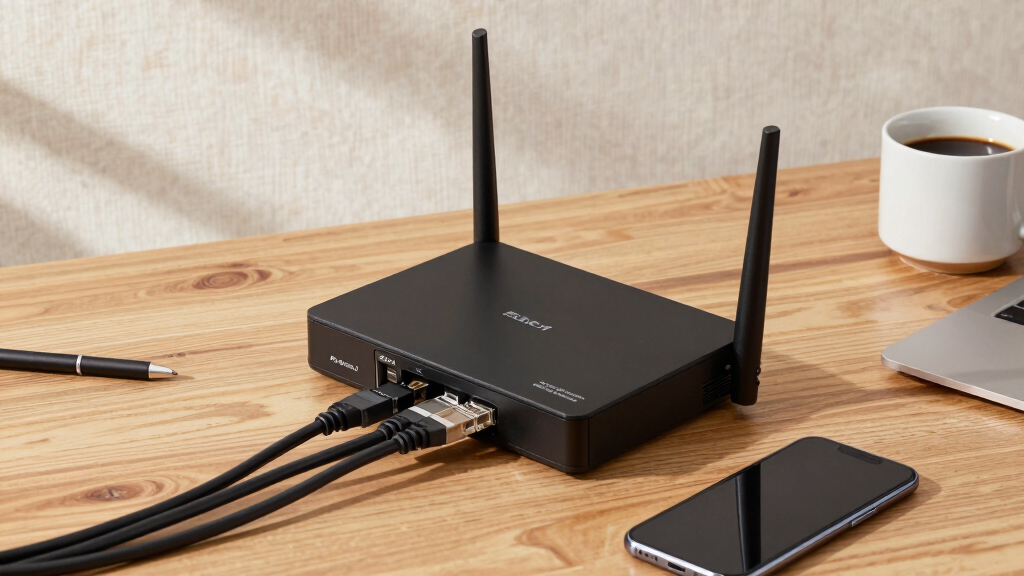
This router stands out for its combination of WiFi 7 support and extensive coverage that surpasses many standard consumer routers, making it ideal for small businesses needing reliable, high-speed wireless and wired connections. Compared with less advanced options like traditional Wi-Fi 6 routers, the Flint 3e offers ultra-low latency, multi-link operation, and a robust VPN setup, which is a major advantage for remote work and secure data transfer. Its support for over a hundred devices and VPN functionalities makes it versatile, but the complexity of setup might be daunting for less tech-savvy users. The 5 x 2.5G Ethernet ports ensure fast wired connections, especially for fiber setups, while coverage extends up to 2,500 square feet. However, the advanced features come with a higher price point and a larger physical footprint, which could be a drawback for smaller spaces. This pick makes the most sense for small businesses that prioritize speed, security, and long-range coverage, willing to handle a slightly more complex setup.
Pros:- Supports WiFi 7 with speeds up to 6.5 Gbps for future-proofing
- Long-range coverage suitable for large offices or open-plan spaces
- Multiple 2.5G Ethernet ports for fiber and high-speed wired connections
- Built-in VPN support for secure remote access
Cons:- Higher price compared to basic routers
- Complex setup may require technical knowledge
- Larger physical size may not fit in small spaces
Best for: Small business owners who need fast, secure WiFi with extensive device support and fiber compatibility.
Not ideal for: Very small offices or startups with limited technical support, due to the router’s advanced features and setup complexity.
- Wi-Fi Standard:Wi-Fi 7
- Coverage Area:2500 square feet
- Ports:5 x 2.5G Ethernet
- VPN Support:OpenVPN & Wireguard
- Speed:Up to 6.5 Gbps Wi-Fi
- Antennae:4
Bottom line: This router is ideal for small businesses seeking high performance and security, with a willingness to manage a more sophisticated device.
NFC Epoxy Keychain – VTAG.ID Smart Digital Business Card, Tap to Share Contact Info, Social Media & Links
This NFC keychain excels as a compact, always-with-you digital business card that simplifies sharing your contact details at networking events or client meetings. It’s a low-cost, high-impact alternative to traditional paper cards, with the added benefit of instant updates and multimedia integration like videos. Compared with traditional paper cards, the VTAG.ID offers touchless sharing via NFC or QR code, making it quick and hygienic. Its premium epoxy finish ensures durability and a sleek appearance, suitable for real estate agents, entrepreneurs, and freelancers who want to make a memorable impression. The setup involves free profile building and unlimited updates, with no monthly fees, but it’s primarily a personal tool rather than a comprehensive business platform. The keychain’s small size and waterproof design make it highly portable and durable, though it might not replace more detailed digital portfolios for larger teams or complex branding needs. This makes sense for professionals who want a stylish, memorable way to share their contact info on the go.
Pros:- Instant contact sharing via NFC and QR code
- Customizable profile with unlimited updates
- High-gloss, scratch-resistant epoxy finish
- Durable, waterproof construction
Cons:- Limited to sharing contact info and links, not a full business platform
- Requires physical proximity or scanning for sharing
- No advanced analytics or CRM features
Best for: Freelancers, real estate agents, and small business owners seeking a stylish, portable networking tool.
Not ideal for: Businesses needing comprehensive digital branding or team-wide contact management, as this is primarily a personal networking device.
- Material:Epoxy resin
- Sharing Methods:NFC tap & QR scan
- Durability:Waterproof, scratch-resistant
- Compatibility:All smartphones
- Profile Storage:Unlimited updates
- Size:Compact keychain
Bottom line: This NFC keychain is ideal for individual professionals wanting a durable, stylish way to share contact info instantly and effortlessly.
TP-Link TL-SG105, 5 Port Gigabit Unmanaged Ethernet Switch, Network Hub, Ethernet Splitter, Plug & Play, Fanless Metal Design, Shielded Ports, Traffic Optimization
This unmanaged switch is a solid choice for expanding wired connections without the hassle of configuration, especially in small offices or retail setups. Its plug-and-play design means you can immediately connect multiple devices like printers, desktops, or IP cameras, similar to the NETGEAR MS308 but at a more budget-friendly price point. The metal case and shielded ports provide durability and interference resistance, making it suitable for busy environments. Compared to more feature-rich switches like the NETGEAR GS324, the TP-Link TL-SG105 offers traffic prioritization with QoS and energy-efficient technology, which helps save power during off-peak hours. While it’s ideal for basic network expansion, it lacks advanced management features, making it less suitable for larger or more complex networks. Its silent, fanless operation and compact size are added benefits for office settings that prioritize quiet, unobtrusive hardware. This switch makes the most sense for small businesses that need reliable wired expansion with minimal fuss.
Pros:- Plug-and-play setup for quick deployment
- Durable metal casing with shielded ports
- Supports gigabit speeds for fast local data transfer
- Energy-efficient features reduce power consumption
Cons:- No management interface or advanced controls
- Limited to unmanaged switching, less scalable for larger networks
- No Power over Ethernet (PoE) support
Best for: Small business owners or home offices needing reliable, unmanaged Ethernet expansion.
Not ideal for: Organizations requiring managed switches, VLANs, or advanced traffic controls, due to its unmanaged nature.
- Ports:5 x 10/100/1000 Mbps
- Speed:Gigabit
- Design:Fanless, metal case
- Power:Energy-efficient
- Size:Small desktop
- Management:Unmanaged
Bottom line: This switch is perfect for small offices needing straightforward, reliable wired connectivity without complex configuration.
How We Picked
To identify the best networking gear for small businesses, I evaluated products based on performance, ease of setup, build quality, expandability, and value for money. I prioritized equipment that offers reliable connectivity, manageable complexity, and scalability suitable for small office environments. Devices with robust security features and future-proof technologies like WiFi 6/7 were favored. The ranking also considers user-friendliness, maintenance needs, and how well the gear suits different business sizes and technical expertise. This approach ensures that each product addresses specific small business needs, from simple setups to more advanced networks.Factors to Consider When Choosing Best Networking Gear For Small Businesses
Choosing the right networking gear for your small business involves understanding several key factors. Beyond basic features, you should consider your current network size, future growth plans, and technical comfort level. Properly matching equipment to your needs can prevent costly upgrades or security issues down the line. Here are four important factors to keep in mind when selecting your gear:Performance and Speed
Look for devices supporting the latest WiFi standards like WiFi 6 or 7, which offer faster speeds and better handling of multiple devices. For wired equipment, multi-gig ports (2.5Gbps or higher) can future-proof your setup, especially if you plan to upgrade your internet connection or transfer large files internally. Overestimating your speed needs can lead to unnecessary expenses, but underspending may result in sluggish performance as your network demands grow.
Ease of Use and Management
For small businesses without dedicated IT staff, unmanaged switches and simple routers are appealing due to their plug-and-play nature. Managed devices provide granular control over network settings, security, and monitoring, which benefits growing or security-conscious businesses. Consider your technical comfort level and whether the added complexity of managed gear aligns with your needs. Mistakes like choosing overly complicated equipment for a simple setup can lead to frustration and underutilization.
Scalability and Expandability
Anticipate your future needs—if you expect to add more users or devices, select gear that can grow with you. Rack-mounted switches and modular routers offer flexibility, but they also come with higher costs and setup complexity. Conversely, small unmanaged switches or WiFi routers may suffice initially but could require replacement sooner if your network expands significantly. Balancing current budget with future requirements helps avoid repeated upgrades.
Security Features
Security should be a priority, especially with increasing cyber threats. Devices supporting WPA3 encryption or with integrated VPN capabilities provide better protection for your network and data. Failing to implement strong security features can leave your business vulnerable, potentially leading to costly breaches. Evaluate whether your chosen gear includes automatic updates and management tools that simplify maintaining security standards.
Price and Value
While budget constraints matter, investing in quality gear can save money long-term by reducing downtime and preventing security issues. Sometimes, paying a little more upfront for features like multi-gig ports, better security, or managed control pays off over time. Be wary of very cheap options that may lack reliability or future-proofing—these can cause headaches and costly replacements down the line.
Frequently Asked Questions
Can I use unmanaged switches with a managed WiFi router?
Yes, unmanaged switches can be combined with managed routers, especially if you need simple network expansion without additional configuration. This setup is common in small offices where ease of use is prioritized. However, for larger or security-sensitive networks, managed switches offer better control and monitoring, which can be crucial for maintaining network health and security. Mixing these components is feasible, but understanding their limitations helps ensure your network remains reliable and secure.
Is WiFi 6 necessary for a small business?
WiFi 6 provides faster speeds, improved capacity, and better performance in crowded environments, making it beneficial for small businesses with many devices or high bandwidth needs. If your business relies heavily on wireless connections for critical tasks, investing in WiFi 6 can future-proof your network. However, for very small setups with minimal wireless traffic, WiFi 5 might suffice, allowing for cost savings while still providing reliable connectivity.
How many switches do I need for a small office?
The number of switches depends on your number of wired devices and desired network segmentation. Small offices typically start with one or two switches—such as an 8-port or 16-port model—and expand as needed. It’s wise to choose switches that can grow with your network, supporting higher speeds or additional ports later. Planning for future expansion avoids costly replacements and minimizes downtime during upgrades.
Are rack-mounted switches worth it for small businesses?
Rack-mounted switches are ideal if your business requires a centralized, organized, and scalable network infrastructure. They make cable management easier and allow for expansion without replacing existing gear. However, for very small setups or remote workers, a simple unmanaged switch may be more practical and cost-effective. Consider your current space, future growth, and technical comfort before investing in rack-mounted solutions.
What security features should I look for in a business router?
Look for routers that support WPA3 encryption, built-in VPN support, automatic firmware updates, and advanced firewalls. These features help protect sensitive business data and prevent unauthorized access. Devices with integrated security management tools simplify ongoing maintenance, which is especially valuable if you lack dedicated IT resources. Neglecting security features can expose your business to data breaches or malware attacks, leading to costly disruptions.