
You don’t need to buy the most expensive office chair to prevent or relieve back pain. Back pain often results from muscle imbalances, poor posture, or repetitive movements, not just chair quality. Instead, focus on maintaining good posture, using affordable ergonomic adjustments like monitor height and lumbar support, and adopting healthy habits like regular movement and stretching. Keep exploring to discover simple, cost-effective ways to protect your back and improve comfort.

Get hardware and tech essentials delivered free — and shop member deals
- Fast, free delivery on millions of items
- Access to Prime Big Deal Days deals on October 6–7
- Prime Video, Amazon Music and more included
Key Takeaways
- Proper posture and ergonomic habits are more effective than expensive chairs in preventing back pain.
- Supportive features like lumbar support and adjustable height are more important than the overall cost of a chair.
- Muscle imbalances and movement habits significantly impact back health, regardless of chair price.
- Regular breaks, stretching, and core exercises can alleviate back pain better than investing in costly furniture.
- Focus on overall spinal health and workspace ergonomics rather than purchasing the most expensive office chair.
ergonomic lumbar support cushion
As an affiliate, we earn on qualifying purchases.
As an affiliate, we earn on qualifying purchases.
Understanding the Real Causes of Back Pain
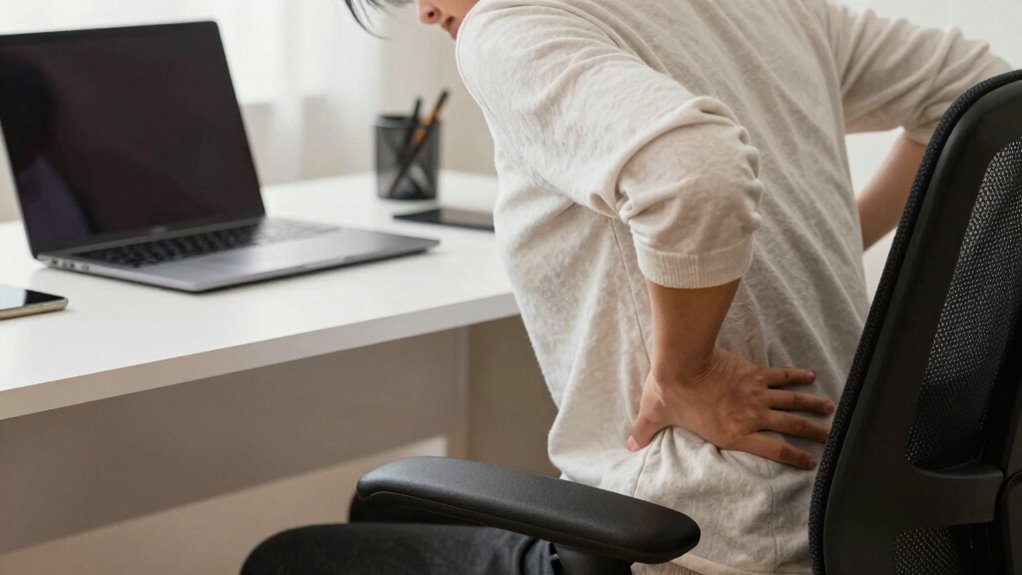
Back pain isn’t always caused by poor posture or a bad chair; often, the real causes are deeper and more complex. Your spinal anatomy plays a vital role, with the spine’s structure supporting your entire body. When muscle imbalances develop—meaning some muscles become too tight while others weaken—they can pull your spine out of alignment, leading to pain. These imbalances often stem from repetitive movements, poor ergonomics, or even stress. Instead of blaming your chair, focus on understanding how your muscles and bones work together. Recognizing that muscular imbalances and spinal issues are common causes helps you see that fixing back pain requires a broader approach—strengthening weak muscles, stretching tight ones, and maintaining a balanced posture. Additionally, understanding spinal anatomy can help you identify the root of your discomfort more effectively.
As an affiliate, we earn on qualifying purchases.
Why Posture Matters More Than Your Office Chair
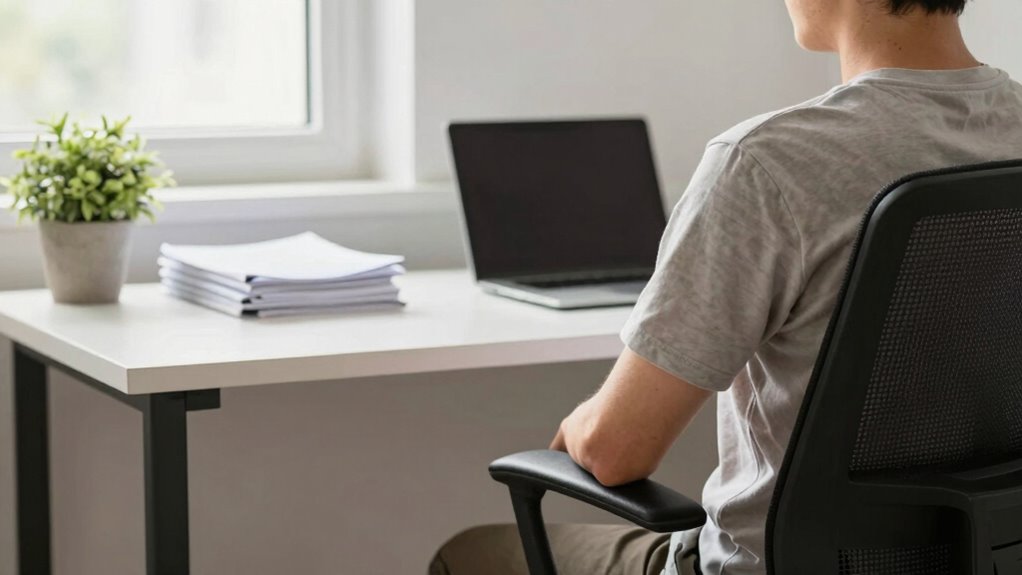
While choosing a supportive office chair is important, maintaining good posture throughout your day has a far greater impact on preventing back pain. Your posture influences how pressure is distributed across your spine, making lumbar support and chair design essential. Even the best chair can’t fix poor habits if you slouch or lean forward constantly. A lightweight design can help you adjust your seating position more easily and frequently. Focus on sitting upright with your back fully supported, feet flat on the floor, and shoulders relaxed. Regularly adjusting your position helps prevent strain. Remember, good posture isn’t just about the chair but how you sit in it. Proper chair design should promote lumbar support and encourage healthy alignment, but your awareness and effort are key. Incorporating correct seating positions and ergonomic principles can significantly reduce back discomfort. Additionally, being mindful of proper ergonomic setup can help reinforce healthy habits and prevent long-term issues. Maintaining awareness of spinal alignment during prolonged sitting is crucial for long-term back health. Consistently practicing good posture, supported by ergonomic principles, minimizes back pain more than any fancy features ever could.
As an affiliate, we earn on qualifying purchases.
Affordable Tips for a Better Desk Setup
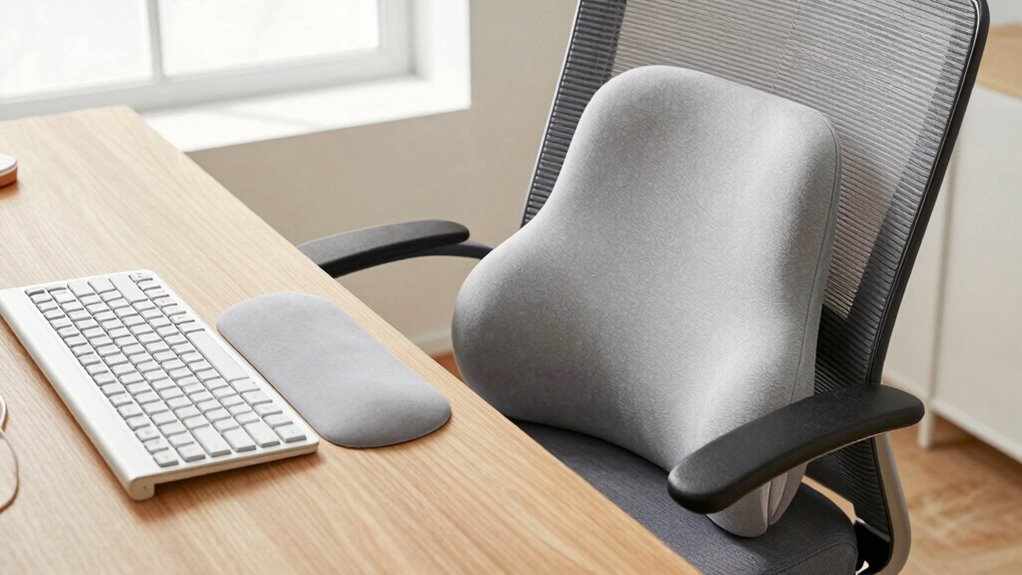
You can improve your workspace without spending a lot by making simple ergonomic adjustments, like raising your monitor or adding lumbar support. Budget-friendly accessories such as adjustable footrests or wrist pads can also make a big difference. Small changes like these help reduce strain and support better posture throughout your workday. Additionally, maintaining good air quality by minimizing microplastics in dust can contribute to overall comfort and health in your environment. Incorporating early warning signs of health issues can help you identify potential problems before they become more serious. For example, choosing the right office chair design with proper support can significantly improve your comfort and prevent long-term health issues. Ensuring proper workspace organization can also enhance your focus and reduce clutter-related stress. Incorporating DIY safety tips when making adjustments or adding accessories ensures you stay safe while optimizing your workspace.
Ergonomic Workspace Adjustments
Creating an ergonomic workspace doesn’t have to cost a fortune. Small adjustments can make a big difference in preventing back pain. Focus on your chair design, ensuring it offers proper lumbar support to maintain the natural curve of your spine. Adjust your chair height so your feet are flat on the floor and your knees are level or slightly lower. Keep your monitor at eye level to avoid neck strain. Remember, proper positioning is key to comfort and productivity. Incorporating hydrotherapy techniques like seated aquatic exercises can also help alleviate back discomfort and improve mobility. Additionally, exploring accessibility features on your devices can help customize your workspace for better comfort and support. Being mindful of ergonomic principles can guide you in making cost-effective adjustments that significantly improve your comfort. Regularly practicing herbal remedies like calming teas or herbal supplements can help manage stress that might contribute to muscle tension. Using adjustable ergonomic accessories allows for personalized workstation setup to enhance comfort and reduce strain. Take regular breaks to stretch and change positions.
Budget-Friendly Accessories
Improving your desk setup doesn’t have to be expensive; affordable accessories can considerably enhance comfort and reduce back pain. Adding a memory foam cushion to your chair can provide extra padding and support for your hips and thighs. A lumbar support pillow, placed behind your lower back, helps maintain the natural curve of your spine, preventing slouching. These budget-friendly options are easy to install and adjust, giving you immediate relief. Look for memory foam products with adjustable straps for a secure fit. Using a lumbar support pillow encourages proper posture, which minimizes strain. Incorporating ergonomic principles in your workspace setup can also help identify the most effective and affordable solutions. Additionally, understanding cookie categories can help you manage your browsing preferences while shopping for ergonomic products online. When designing a safe and effective solar system, considering panel snow management can prevent safety hazards during winter months, ensuring your setup remains both functional and secure. Moreover, applying impact of ergonomic design can further improve your overall comfort and reduce long-term musculoskeletal issues.
As an affiliate, we earn on qualifying purchases.
Simple Habits to Protect Your Back During Work
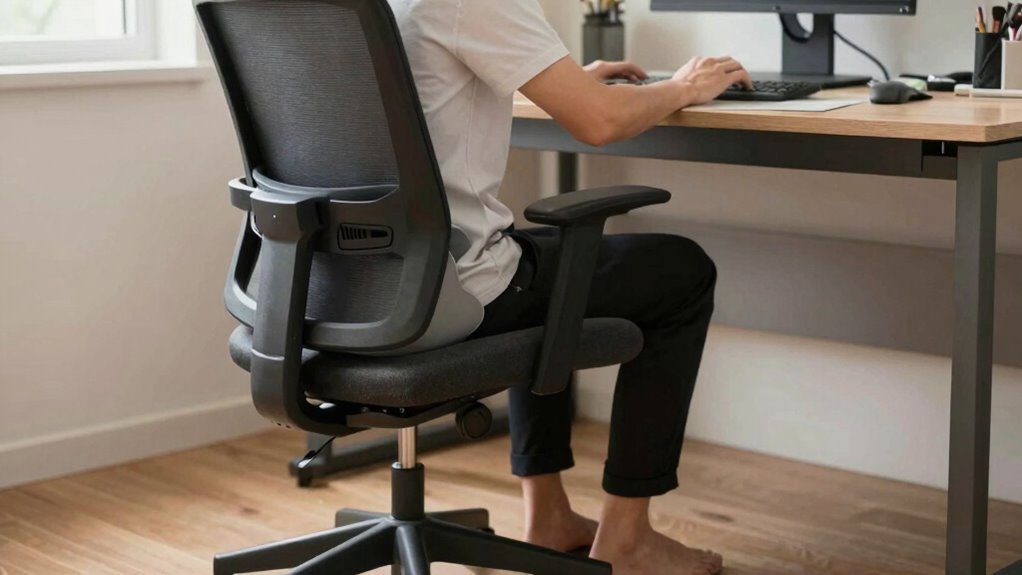
To protect your back during work, focus on maintaining proper posture and staying mindful of your sitting habits. Remember to take regular breaks to stretch and relieve tension, preventing stiffness and strain. Additionally, adjust your workspace to support good ergonomics and keep comfort front and center. Incorporating ergonomic adjustments can further enhance your comfort and reduce discomfort. Being aware of posture correction techniques can also help prevent long-term issues related to poor sitting habits. Practicing consistent mindful movement throughout the day can promote better spinal health and overall well-being.
Maintain Proper Posture
Maintaining proper posture while working at your desk is essential for protecting your back from strain and injury. Correct posture helps keep your spinal alignment intact and reduces muscle tension that builds from slouching or leaning forward. To achieve this:
- Keep your feet flat on the floor or on a footrest
- Sit with your hips level with or slightly higher than your knees
- Maintain a straight back, avoiding slouching
- Position your monitor at eye level to prevent neck strain
- Incorporating ergonomic practices can further enhance comfort and reduce the risk of discomfort over time.
These habits encourage proper spinal alignment and minimize muscle tension, which can lead to discomfort or pain over time. Staying conscious of your posture throughout the day is key to preventing back issues and maintaining a healthy, pain-free workspace.
Take Regular Breaks
Taking regular breaks during your workday is one of the simplest yet most effective ways to protect your back from strain. Briefly stand up, stretch, or walk around every 30 to 60 minutes. Engaging in stretching routines helps loosen tight muscles and improve circulation, reducing stiffness and discomfort. Incorporate ergonomic exercises to strengthen your core and back muscles, which support good posture and prevent pain. These breaks also give you a mental reset, increasing productivity and focus. Avoid staying seated in the same position for long periods; instead, move actively to relieve pressure on your spine. Consistently taking these short breaks can make a significant difference in preventing back issues, making your workday healthier and more comfortable.
Adjust Your Workspace
Adjusting your workspace is essential for maintaining good back health throughout the workday. Proper desk organization reduces clutter, helping you avoid awkward reaching and twisting. Keep frequently used items within easy reach to minimize strain. Lighting optimization prevents eye strain and encourages good posture; guarantee your workspace is well-lit with natural light or adjustable lamps. Position your monitor at eye level to prevent neck strain, and use an ergonomic chair that supports your lower back. Remember, small adjustments make a big difference in comfort and posture.
- Keep your desk tidy with essential items within arm’s reach
- Use lighting that reduces glare and eye fatigue
- Position your monitor so your eyes are level
- Support your lower back with ergonomic seating
When to Use Ergonomic Accessories
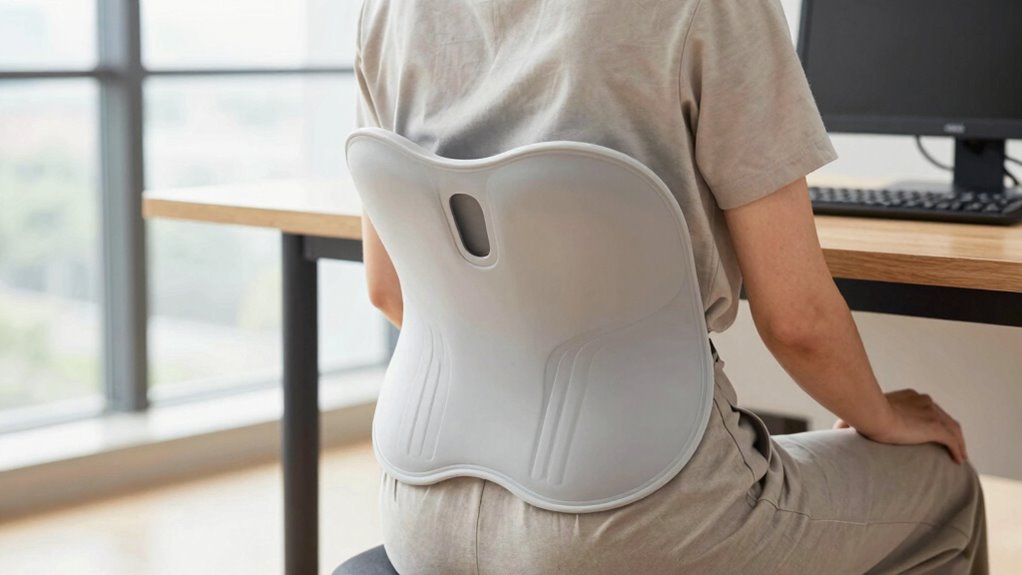
You should consider using ergonomic accessories when you notice persistent discomfort or strain during your workday. These accessories can provide targeted support and help reduce back pain caused by prolonged sitting or poor posture. Items like lumbar pillows, footrests, or ergonomic keyboard trays can make a noticeable difference. If you experience frequent aches or tension in your back, hips, or shoulders, ergonomic accessories can improve your alignment and comfort. They’re especially helpful if adjusting your chair or workspace hasn’t fully alleviated your discomfort. Using these tools isn’t a sign you need a new chair; it’s a proactive step to support your body and prevent back pain from worsening. Incorporate ergonomic accessories into your setup when discomfort persists despite basic adjustments.
Debunking Common Myths About Office Chairs and Back Pain
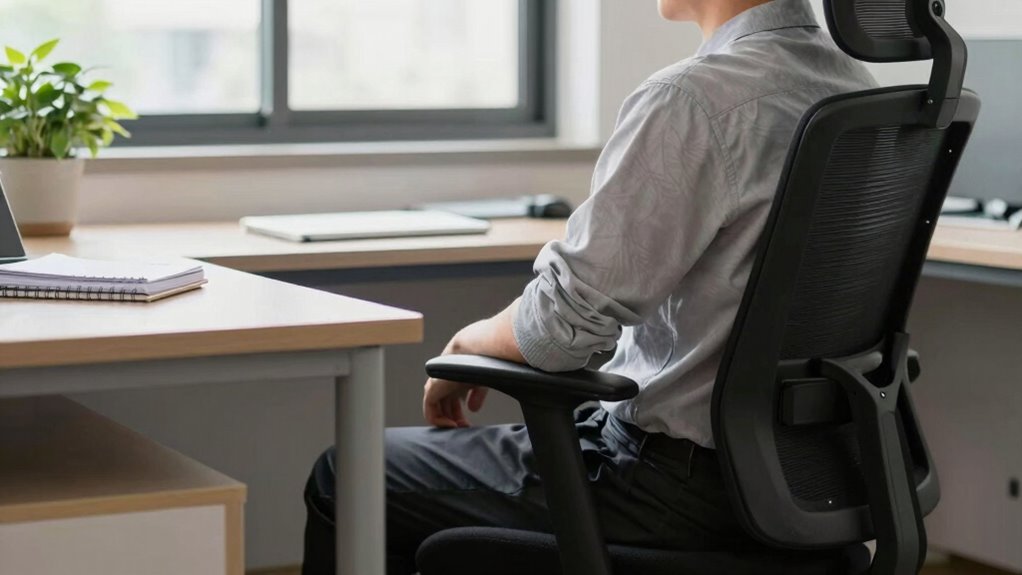
Many common beliefs about office chairs and back pain aren’t backed by scientific evidence, yet they influence how you choose and use your chair. For example, the idea that a specific chair material or desk color can prevent back pain isn’t true. Instead, comfort and proper support matter more than appearance or material.
You don’t need a fancy, expensive chair to avoid pain. Focus on factors like adjustable height, lumbar support, and overall ergonomics.
- Chair material doesn’t impact back health as much as support
- Desk color has no effect on back pain
- Price doesn’t guarantee comfort or support
- Proper posture and movement are more critical than fancy features
How Overall Health and Movement Affect Back Comfort

Maintaining good overall health and staying active play an essential role in reducing back discomfort. Building core strength supports your spine and improves posture, making it easier to sit comfortably for longer periods. Regular movement prevents stiffness and promotes flexibility, reducing the risk of pain. Additionally, hydration habits are critical—staying well-hydrated keeps spinal discs healthy and resilient. Exercise routines that include stretching and strength training enhance your back’s stability and endurance. Avoid prolonged sitting; instead, take short breaks to move and stretch. When your body is fit and well-hydrated, your back feels more supported and less prone to discomfort. Focusing on overall health and consistent movement can notably improve your back comfort, often more than just investing in expensive office furniture.
Frequently Asked Questions
Can Exercise Routines Replace Ergonomic Office Furniture Effectively?
Exercise routines can help improve your posture correction and strengthen muscles, but they shouldn’t replace ergonomic chair adjustments. Proper chair height, lumbar support, and positioning are essential for comfort and pain prevention. While exercises can reduce strain, combining regular movement, stretches, and ergonomic furniture makes the biggest difference. So, don’t rely solely on routines—use chair adjustments along with exercises for ideal back health.
How Does Stress Influence Back Pain During Work?
Stress can considerably worsen back pain during work by tightening muscles and increasing discomfort. When you’re stressed, your body releases hormones that cause muscle tension, especially in your back. To reduce this, practice stress management techniques like deep breathing and mindfulness, which boost your mental health. Staying relaxed helps prevent muscle tightness, making your back less prone to pain and improving overall comfort during work hours.
Are There Specific Foods That Help Reduce Back Discomfort?
You can reduce back discomfort with the right nutritional strategies by focusing on anti-inflammatory foods. Incorporate fruits like berries, leafy greens, and fatty fish such as salmon into your diet. These foods help fight inflammation and promote healing. Avoid processed foods and excess sugar, which can worsen inflammation. By choosing these nutrient-rich options regularly, you support your body’s ability to manage back pain naturally and improve overall comfort.
What’s the Ideal Duration for Breaks to Prevent Back Strain?
Think of your body as a delicate garden; it needs regular tending to flourish. Take a break every 30 to 60 minutes to prevent back strain. During these pauses, focus on posture correction and gentle stretching techniques, like reaching or twisting, to keep your muscles limber. These small acts nurture your spine, alleviating discomfort and helping you stay energized and pain-free throughout your day.
Does Sleeping Position Affect Office-Related Back Pain?
Yes, your sleeping position greatly impacts office-related back pain. Maintaining good sleeping posture helps reduce strain on your back, especially if you spend long hours at a desk. Make sure your mattress quality supports your spine’s natural curve, avoiding overly soft or firm surfaces. Sleeping on your back or side with proper pillow support can alleviate discomfort, preventing back pain from worsening due to poor posture during sleep.
Conclusion
You don’t need the priciest chair to protect your back. Focus on your posture, incorporate movement, and create a supportive environment. Adjust your setup, take regular breaks, and stay active—all simple steps that make a big difference. When you prioritize these habits, you’ll sit better, move more freely, and feel less pain. Remember, comfort and health come from consistent care, not just costly furniture. Your back’s well-being starts with you.
Fall Picks
fall essentials
As an affiliate, we earn on qualifying purchases.