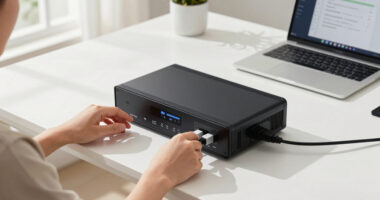
When choosing the best solar generator for remote work, the key factors are reliable power, portability, and ease of use. The Jackery Solar Generator 1000 v2 stands out for its high capacity and fast charging, making it ideal for longer work sessions in remote locations. The Anker SOLIX C1000 Gen 2 offers impressive power output and quick recharge times, suited for demanding workloads. However, tradeoffs often exist between size, weight, and maximum output—more power usually means less portability. Continue reading to see how each option balances these needs and which one fits your remote work setup best.
Listen free for 30 days with Audible
Thousands of audiobooks and originals — cancel anytime.
Start your free trialAs an affiliate, we earn on qualifying purchases.
Key Takeaways
- Top picks balance high capacity with portability, ensuring users can work remotely without interruption.
- Fast charging and efficient solar input are critical for maintaining power in off-grid environments.
- While larger units offer more power, they tend to be heavier; compact options are better for frequent travel.
- Battery chemistry, such as LiFePO4, impacts longevity and safety, influencing long-term value.
- Price varies significantly; understanding your power needs helps avoid overspending on unnecessary features.


More Details on Our Top Picks
MARBERO Portable Power Station 88Wh Camping Lithium Battery Solar Generator Fast Charging with AC Outlet 120W Peak Power Bank(Solar Panel Optional) for Home Backup Outdoor Emergency RV Van Hunting
This option stands out for its ultra-lightweight design and multiple output ports, making it ideal for outdoor enthusiasts needing reliable power on the go. Compared to larger units like the Jackery Explorer 1000 v2, it’s far more portable and easier to pack, though it sacrifices capacity and runtime. Its 88Wh battery provides enough juice to charge phones, tablets, and small devices multiple times, but won’t power larger appliances. The fast 2-hour recharge from wall or solar panels adds convenience, while the 8 output ports ensure versatility. The bright LED flashlight with SOS mode enhances emergency use. However, its small capacity limits usage for longer trips or high-power devices. It’s best suited for backpackers, campers, or small emergency kits where portability outweighs extended runtime.
Pros:- Extremely lightweight at only 3.2 lbs, easy to carry in a backpack.
- Multiple output ports including USB-C, USB-A, car, and AC outlets.
- Fast charging from wall or solar panels, with efficient use of space.
Cons:- Limited 88Wh capacity restricts it to small devices and short-term use.
- Not suitable for powering larger appliances or longer trips.
Best for: Hikers, campers, and outdoor adventurers needing a lightweight, portable power source for small devices.
Not ideal for: Users seeking to power larger devices or run home appliances during extended outages, due to its limited battery capacity.
- Battery Capacity:88Wh
- AC Output:120W peak
- Number of Ports:8
- Charging Time:2 hours from wall
- Weight:3.2 lbs
- Dimensions:6.5 x 4.6 x 3.1 inches
Bottom line: This compact, portable power bank is perfect for short outdoor excursions and emergency kits where size and weight matter most.
Jackery Solar Generator 1000 v2 with 200W Solar Panel,1070Wh Portable Power Station LiFePO4 Battery,1500W AC/100W USB-C Output, 1Hr Fast Charge for Outdoor,Off-Grid Living,RV,Emergency
This pick makes the most sense for those who need substantial power capacity and quick recharging—ideal for full-day camping, off-grid living, or backup home power. It outperforms the smaller MARBERO unit with its 1070Wh LiFePO4 battery, supporting multiple devices simultaneously, including small refrigerators or power tools. Its 1500W continuous AC output easily runs larger appliances, unlike the MARBERO, which is limited to small gadgets. The 1-hour fast charge via the innovative Jackery app is a game-changer, minimizing downtime. The durable build and 10-year lifespan of the battery provide long-term reliability. The tradeoff is its larger size and weight (about 23.8 lbs), which reduces portability. This unit is ideal for serious campers, RV owners, or backup power for small homes.
Pros:- Large 1070Wh LiFePO4 battery with a 10-year lifespan.
- Supports multiple devices simultaneously with 1500W AC output.
- Fast recharge in just one hour using the Jackery app.
Cons:- Relatively heavy at nearly 24 lbs, less suitable for backpacking.
- Higher upfront cost compared to smaller units.
Best for: Remote workers who require a dependable, high-capacity power source for extended off-grid work or emergency backup.
Not ideal for: Users needing a lightweight, portable device for short excursions, due to its heavier weight and size.
- Battery Capacity:1070Wh
- AC Output:1500W
- Weight:23.8 lbs
- Charging Time:1 hour with app
- Lifespan:Over 4000 cycles
- Ports:2 USB-C, 3 AC, 1 DC
Bottom line: This high-capacity, fast-charging generator is best for those who need reliable, long-term power solutions in remote or emergency situations.
Jackery Portable Power Station Explorer 300, 292Wh Backup LiFePO4 Battery, Solar Generator for Outdoors Camping Travel Hunting Blackout (Solar Panel Optional)
This model excels as a lightweight, affordable backup for small devices and casual camping trips. Its 292Wh battery supports multiple devices at once, including laptops, drones, and cameras, but it’s not designed for high-power appliances. The 2-hour fast recharge from AC or solar makes it convenient for short trips or emergency use. Its 7.1-pound weight and compact size make it easy to carry in a backpack, and the built-in MPPT controller optimizes solar charging efficiency. Compared to the MARBERO and Jackery 1000, it’s less capable but much more budget-friendly. The main tradeoff is its limited battery capacity, which restricts longer use or power-hungry devices. It’s best for casual outdoor enthusiasts, emergency kit owners, or occasional travelers who want reliable small-device charging.
Pros:- Lightweight at just over 7 pounds, highly portable.
- Supports multiple devices with various ports including USB-C and AC.
- Fast recharge in 2 hours, either via wall or solar.
Cons:- Limited capacity restricts extended use or larger appliances.
- Less suitable for continuous or high-power applications.
Best for: Budget-conscious users needing a portable, versatile power source for small gadgets during outdoor activities.
Not ideal for: Those needing to power larger appliances or for long-term off-grid living, because of its limited 292Wh capacity.
- Battery Capacity:292Wh
- AC Output:300W
- Weight:7.1 lbs
- Charging Time:2 hours
- Ports:2 USB-C, 2 AC, 1 DC
- Battery Type:LiFePO4
Bottom line: This budget-friendly, compact generator offers reliable power for small devices, ideal for casual outdoor use and emergency backups.
Portable Solar Generator, 300W Portable Power Station with Foldable 60W Solar Panel,110V Pure Sine Wave 280Wh Battery Power Pack with USB DC AC Outlet for Camping Smart Devices RV Van Outdoor-Orange
This unit provides a straightforward, affordable power solution for light outdoor use. Its 280Wh battery supplies enough backup to charge phones, tablets, and small gadgets during camping or power outages, but it’s not suitable for larger appliances. The foldable 60W solar panel offers eco-friendly recharging, though it takes longer and is less efficient compared to larger panels. Its 300W max AC output is sufficient for small devices but not for high-wattage tools or appliances. The simple design and low weight (around 5 pounds) make it highly portable and easy to set up. It’s a good choice for beginners or those on a tight budget who want reliable power for basic needs, but it falls short for extensive off-grid living or powering larger devices.
Pros:- Very lightweight and portable, easy to carry around.
- Includes foldable solar panel for eco-friendly recharging.
- Supports multiple small devices simultaneously.
Cons:- Limited 280Wh capacity limits runtime and device size.
- Slow solar charging compared to larger panels.
Best for: Beginner outdoor users or budget travelers needing basic device charging during camping or short outages.
Not ideal for: Powering larger devices or long-term off-grid setups, due to limited capacity and output wattage.
- Battery Capacity:280Wh
- AC Output:300W
- Weight:around 5 lbs
- Solar Panel:60W foldable
- Charging Time:Varies, slower via solar
- Ports:USB, DC, AC
Bottom line: This simple, budget-friendly solar generator suits casual outdoor users who need basic device charging without complex setup.
MARBERO Solar Generator 111Wh Portable Power Station with Solar Panel 30W Included Power Bank with AC Outlet 120W Surge for Home Outages Camping Outdoor Adventure Emergency
This model makes a strong case for emergency preparedness and light outdoor activities. Its 111Wh battery supports multiple small devices, including smartphones and tablets, with rapid charging capabilities. The included 30W solar panel adds eco-friendly recharging options, perfect for short-term power needs. Compared to larger units like the Jackery Explorer 300, it’s smaller and more portable, though with less overall capacity. The device’s compact size (5.2 x 7.8 inches) and lightweight design (around 5 pounds) make it easy to store or carry in an emergency kit. The main tradeoff is its limited runtime and power output, making it unsuitable for longer use or high-wattage appliances. It’s ideal for quick emergency power or short outdoor trips where size and weight matter.
Pros:- Compact and lightweight for easy storage or carrying.
- Includes solar panel for eco-friendly recharging.
- Supports multiple small devices simultaneously.
Cons:- Limited battery capacity restricts extended use.
- Not capable of powering larger appliances or high-wattage tools.
Best for: Homeowners or travelers seeking a small, reliable backup for essential devices during outages or short trips.
Not ideal for: Long-term off-grid living or powering multiple high-wattage devices, due to its limited capacity.
- Battery Capacity:111Wh
- AC Surge Power:120W
- Weight:around 5 lbs
- Solar Panel:30W
- Charging Time:Approx. 4 hours
- Ports:USB-A, USB-C, AC
Bottom line: This emergency-focused power station provides quick, reliable backup for essential devices in a compact form.
Anker SOLIX C1000 Gen 2 Portable Power Station, 2,000W (Peak 3,000W) Solar Generator, Full Charge in 49 Min, 1,024Wh LiFePO4 Battery for Home Backup, Power Outages, and Camping (Optional Solar Panel)
This Anker power station stands out for its remarkably fast recharge time of just 49 minutes thanks to upgraded HyperFlash tech, making it ideal for emergency prep and quick off-grid setups. When compared to the EcoFlow DELTA 2, the C1000 offers a slightly higher peak wattage (3,000W vs. 1,800W), which is beneficial if you need to power more demanding devices. The compact size (14% smaller and 11% lighter) enhances portability, appealing to those who need reliable power on the go. However, the tradeoff is that its capacity of 1,024Wh, while sufficient for many uses, falls short of larger systems like the EcoFlow, limiting longer off-grid use. The ability to fully recharge in 1.8 hours via solar or AC ensures quick turnaround times, making it a dependable choice for frequent use. Its durable LiFePO4 battery with over 4,000 cycles and 80% capacity retention after years of use provides peace of mind. The 10 ports, including UPS backup, make it versatile for remote workers needing multiple device connections. Still, the system’s relatively lower capacity compared to larger models means it may not sustain prolonged outages for power-intensive setups. This pick makes the most sense for remote workers who need a compact, fast-recharging system that can handle demanding devices in emergencies or off-grid scenarios.
Pros:- Ultra-fast recharge in 49 minutes with HyperFlash technology
- High peak wattage (3,000W) suitable for demanding devices
- Compact, lightweight design for easy portability
- Robust LiFePO4 battery with over 4,000 cycles
Cons:- Limited capacity of 1,024Wh may restrict longer off-grid use
- Higher price point compared to some competitors with similar capacity
Best for: Remote workers who require a portable, fast-recharging power source capable of supporting multiple devices during outages or remote locations.
Not ideal for: Those needing long-term power for high-energy appliances or extended off-grid living where capacity is a priority over speed.
- Wattage:2000 watts
- Peak Wattage:3000 watts
- Capacity:1024Wh
- Fuel Type:Battery
- Power Source:Solar, AC
- Recommended Uses:Home backup, camping, remote work
- Voltage:60 Volts
- Item Weight:24.9 Pounds
- Item Dimensions:15.1″L x 8.2″W x 9.6″H
Bottom line: This unit is perfect for remote workers who need reliable, quick-charging power with high wattage capacity in a portable form.
EF ECOFLOW Portable Power Station DELTA 2, 1024Wh LiFePO4 (LFP) Battery, 1800W AC/100W USB-C Output, Solar Generator(Solar Panel Optional) for Home Backup Power, Camping & RVs
The EcoFlow DELTA 2 excels in providing a robust power solution with 1800W output and expandable capacity from 1 to 3 kWh, making it ideal for those seeking longer-term off-grid reliability. Compared to the Anker C1000, the DELTA 2’s larger battery capacity and modular design offer more longevity for extended outages or off-grid living. Its rapid charging—0 to 80% in 50 minutes—mirrors the Anker’s speed but adds the benefit of capacity expansion. The 15 outlets, including USB-C, support multiple devices simultaneously, which is a clear advantage for remote workers needing flexibility. The use of LiFePO4 chemistry grants over 3,000 cycles, ensuring years of dependable operation. A notable downside is its slightly heavier weight (27 pounds), which could impact portability for some users. The solar input capability of up to 500W enhances off-grid resilience, especially if paired with panels. This system makes sense for remote workers who value long-term, scalable power solutions that can grow with their needs and prioritize sustainability.
Pros:- Fast recharge from 0 to 80% in 50 minutes
- Expandable capacity up to 3kWh with additional batteries
- High 1800W continuous power output for most appliances
- Supports up to 15 outlets including USB-C
Cons:- Heavier weight (27 pounds), less portable for frequent movement
- Higher cost when adding extra batteries and panels
Best for: Remote workers or digital nomads needing a long-lasting, expandable power source capable of supporting multiple devices over extended periods off-grid.
Not ideal for: Users who prioritize ultra-light portability or need a compact system for short-term, quick use in small spaces.
- Battery Capacity:1024Wh
- Maximum Power Output:1800W
- Number of Outlets:15
- Recharge Time:0-80% in 50 mins
- Expandable Capacity:Up to 3kWh
- Solar Input:Up to 500W
- Weight:27 Pounds
- Dimensions:15.7″ x 8.3″ x 11.3″
- Warranty:5 years
Bottom line: This power station is ideal for remote workers who need scalable, long-lasting power with quick recharge times and multiple device support.
How We Picked
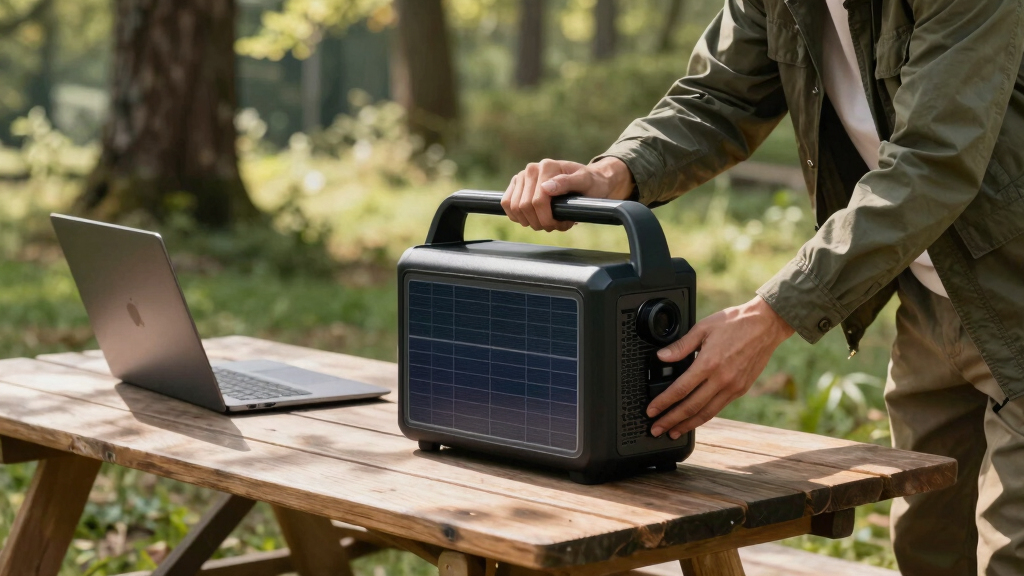
The products were evaluated based on their capacity, charging speed, portability, build quality, and versatility for remote work scenarios. Priority was given to units with sufficient power output for laptops, Wi-Fi devices, and small appliances, while also considering size and weight for portability. We also looked at solar input efficiency and recharge times, as these are vital for off-grid use. Products were ranked not just on raw specs, but on how well they balance performance with usability for remote work environments, ensuring practical value over mere technical features.Factors to Consider When Choosing Best Solar Generators For Remote Work
Selecting the right solar generator for remote work involves understanding several key factors. The ideal unit offers enough power to run your essential devices, is portable enough to carry on outdoor trips, and recharges efficiently via solar panels or grid power. Beyond specs, consider your typical work environment, budget, and future needs. Making a well-informed choice prevents frustration and ensures your remote setup remains reliable in diverse conditions.Power Capacity and Output
Assess your daily power needs by listing essential devices like laptops, routers, and phones. Look for a generator with sufficient wattage and battery capacity to handle these devices comfortably, with some buffer for unexpected demands. Higher wattage and larger batteries cost more and tend to be less portable, so balance your needs carefully. Remember, a generator with versatile AC, USB-C, and DC outputs broadens compatibility with your equipment.
Portability and Size
Remote work often means working from varied locations, so portability can be a decisive factor. Compact units are easier to carry on hikes or in RVs, but they may sacrifice capacity. Larger models provide more power but tend to be heavier and bulkier. Consider how often you’ll need to transport your generator and whether a lightweight model can still meet your power requirements. Handles, wheels, and overall weight are practical features to evaluate.
Recharge Speed and Solar Input
Quick recharge times ensure minimal downtime, especially if you’re relying solely on solar power or limited grid access. Look for units with high solar input capacity—measured in watts—and fast AC charging options. Efficient solar input is crucial for off-grid use, but not all generators handle high solar input well, so check compatibility with your panels. Combining solar with grid charging offers maximum flexibility, especially during variable weather conditions.
Battery Chemistry and Longevity
Batteries like LiFePO4 are more durable and have longer cycle lives compared to traditional lithium-ion types. Investing in a generator with high-quality chemistry can reduce replacement costs over time. Additionally, safety features and thermal management are important for long-term reliability, especially when using the generator frequently or in outdoor conditions. Weigh the upfront cost against the potential savings from longer-lasting batteries.
Price and Value
While premium models offer more power, faster recharge, and greater durability, they come with a higher price tag. Evaluate whether the additional features align with your actual needs. For many remote workers, a mid-range generator that balances capacity and portability provides the best value. Avoid overpaying for features you won’t use, but be willing to invest in quality if you depend heavily on reliable power for remote work.
Frequently Asked Questions
Will a smaller solar generator be enough for my remote work needs?
Smaller solar generators can suffice if your device demands are minimal—such as charging a laptop, phone, and Wi-Fi router. However, they often lack the capacity to run larger devices or multiple gadgets simultaneously for extended periods. If your work involves more power-intensive equipment or longer off-grid stays, a higher-capacity unit is advisable. Always calculate your total daily power consumption to choose appropriately.
Can I rely solely on solar power for my remote work setup?
Relying exclusively on solar power depends on your location, weather, and solar panel capacity. In sunny environments, a well-sized system can sustain your devices during the day and store enough energy for overnight use. However, in cloudy or unpredictable weather, having a backup grid connection or larger battery capacity provides peace of mind. Proper planning and panel sizing are essential to make solar-only setups viable for remote work.
How important is the battery chemistry in choosing a solar generator?
Battery chemistry directly impacts the lifespan, safety, and performance of your solar generator. LiFePO4 batteries are known for their longer cycle life, stability, and thermal safety, making them suitable for frequent use. Cheaper lithium-ion batteries may degrade faster and pose safety risks over time. Investing in high-quality chemistry reduces replacement costs and ensures consistent performance, especially during extended off-grid use.
Should I prioritize capacity or portability when choosing a solar generator?
This depends on your typical remote work environment. If you mostly work from fixed locations like a van or RV, higher capacity units are beneficial. Conversely, if you travel frequently or hike to remote sites, lightweight and compact models are preferable. The key is to find a balance—select a generator that offers enough power for your essentials without becoming burdensome to carry around.
Is investing in a solar generator worth it for occasional remote work?
For occasional remote work, a smaller, more affordable unit might suffice, especially if your power needs are minimal. However, if you anticipate frequent trips or need dependable backup power, investing in a more capable, durable model provides better value. Consider how often you’ll use it and whether the convenience and reliability justify the upfront cost, focusing on long-term benefits over short-term savings.
Conclusion
The best choice varies by your remote work style. For overall reliability and power capacity, the Anker SOLIX C1000 Gen 2 offers a solid blend of performance and quick recharge, making it ideal for demanding workloads. For budget-conscious users, smaller units like the MARBERO Portable Power Station 88Wh deliver essential power at a lower price. Beginners or casual remote workers will appreciate the simplicity of the Jackery Explorer 300, while those needing maximum portability should consider the Portable Solar Generator with Foldable Solar Panel. Premium users with high power demands will find the EF ECOFLOW Delta 2 worth the investment for its capacity and fast recharge. Ultimately, your choice hinges on balancing power needs, portability, and budget to keep your remote work seamless wherever you go.
Fall Picks
fall essentials
As an affiliate, we earn on qualifying purchases.