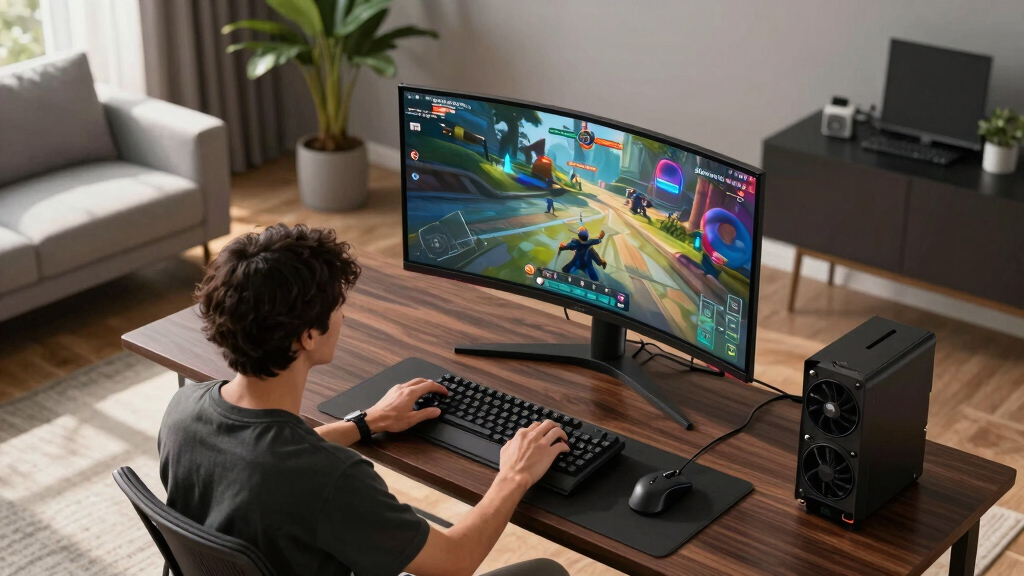

Ultrawide gaming demands powerful graphics cards that can handle high resolutions and large frame buffers without sacrificing performance. In 2026, AMD offers several compelling options, but three stand out for their balance of power, features, and price. The XFX Swift AMD Radeon RX 9060 XT OC provides excellent memory capacity and high clock speeds for demanding titles. The GIGABYTE Radeon RX 9070 XT Gaming OC emphasizes thermal stability and aesthetic flair with its advanced cooling and RGB lighting. Meanwhile, the Sapphire Nitro+ RX 9060 XT Gaming OC balances high memory with flexible connectivity, making it ideal for versatile setups. Each card has distinct strengths and tradeoffs, so understanding their differences helps you pick the right GPU for ultrawide gaming.

Get hardware and tech essentials delivered free — and shop member deals
- Fast, free delivery on millions of items
- Access to Prime Big Deal Days deals on October 6–7
- Prime Video, Amazon Music and more included
Key Takeaways
- High memory (16GB GDDR6) is essential for ultrawide resolutions and future-proofing.
- Cooling solutions vary, with dual-fan and advanced thermal management impacting performance stability.
- Power consumption and compatibility are important considerations, especially for high-end GPUs.
- Aesthetic features like RGB lighting add flair but may influence energy use and cost.
- Connectivity options differ, affecting multi-monitor setups and display compatibility.
| XFX Swift AMD Radeon RX 9060 XT OC Gaming Edition with 16GB GDDR6 |  | Best Overall for High Performance and Memory | Chipset: AMD RX 9060 XT | Memory: 16 GB GDDR6 | Cooling: Dual Fan Cooling Solution | VIEW LATEST PRICE | See Our Full Breakdown |
| GIGABYTE Radeon RX 9070 XT Gaming OC 16G Graphics Card |  | Best for Thermal Management and Aesthetics | Memory: 16GB GDDR6 | Interface: PCIe 5.0 | Cooling System: WINDFORCE | VIEW LATEST PRICE | See Our Full Breakdown |
| Sapphire Technology Nitro+ AMD Radeon RX 9060 XT Gaming OC 16GB Dual HDMI-DP |  | Best for Versatile Connectivity and Gaming | Model: RX 9060 XT | Memory: 16GB | Outputs: Dual HDMI, DisplayPort | VIEW LATEST PRICE | See Our Full Breakdown |
| AMD GPUs for ultrawide gaming | Memory |
|---|---|
| XFX Swift AMD Radeon RX 9060 X | 16 GB GDDR6 |
| GIGABYTE Radeon RX 9070 XT Gam | 16GB GDDR6 |
| Sapphire Technology Nitro+ AMD | 16GB |
More Details on Our Top Picks
XFX Swift AMD Radeon RX 9060 XT OC Gaming Edition with 16GB GDDR6
The XFX Swift AMD Radeon RX 9060 XT OC stands out for its impressive 16GB GDDR6 memory and a boost clock reaching 3320 MHz. It’s designed for demanding ultrawide gaming, where large frame buffers and high speeds are essential. The dual fan cooling system helps keep temperatures in check during extended play sessions, making it a strong choice for gamers who prioritize raw power. Compared to the GIGABYTE RX 9070 XT, this model offers a slightly higher boost clock, but it’s less transparent about detailed specifications, which can be a concern for those wanting full disclosure. It’s ideal for enthusiasts seeking a high-memory, high-clock GPU, but it may draw more power and require a robust PSU. Compatibility with certain desktop configurations might be a hurdle for some users.
Pros:- High 16GB memory supports large resolutions and future-proofing
- Effective dual fan cooling maintains performance during intense gaming
- High boost clock enhances frame rates in demanding titles
Cons:- Limited detailed specs available, which might concern tech enthusiasts
- Potentially high power consumption requiring a strong PSU
- Compatibility depends on desktop configuration
Best for: Ultrawide gamers who need maximum memory and speed for demanding titles.
Not ideal for: Users with limited power supply capacity or those seeking detailed specifications upfront.
- Chipset:AMD RX 9060 XT
- Memory:16 GB GDDR6
- Cooling:Dual Fan Cooling Solution
- Boost Clock:Up to 3320 MHz
Our verdict“A powerful choice for ultrawide gaming that demands high memory and speed, though it requires compatible hardware and sufficient power.”
GIGABYTE Radeon RX 9070 XT Gaming OC 16G Graphics Card
The GIGABYTE Radeon RX 9070 XT Gaming OC emphasizes thermal stability with its advanced WINDFORCE cooling system and uses PCIe 5.0 for faster data transfer. Its 16GB GDDR6 memory makes it suitable for ultrawide resolutions and future titles. The RGB lighting adds an aesthetic touch, making it appealing for gamers who want a visually striking build. The card’s thermal management ensures stable performance during extended gaming sessions, but the lack of detailed specifications and absence of user ratings could leave some uncertainty about real-world performance. Power consumption remains a concern, similar to other high-end models. This GPU makes the most sense for those who value cooling and appearance as much as raw performance.
Pros:- Robust thermal cooling ensures stable operation
- 16GB GDDR6 supports ultrawide resolutions and multitasking
- RGB lighting enhances visual appeal
Cons:- Limited detailed specifications and user feedback
- Power draw could be high, requiring a capable PSU
- Price and availability may vary
Best for: Gamers who want a balanced blend of cooling, aesthetics, and high memory capacity.
Not ideal for: Budget-conscious users or those needing detailed technical info before purchase.
- Memory:16GB GDDR6
- Interface:PCIe 5.0
- Cooling System:WINDFORCE
- Lighting:RGB
Our verdict“Ideal for ultrawide gamers who prioritize cooling and visual aesthetics alongside high performance.”
Sapphire Technology Nitro+ AMD Radeon RX 9060 XT Gaming OC 16GB Dual HDMI-DP
The Sapphire Nitro+ RX 9060 XT Gaming OC combines high 16GB memory capacity with multiple outputs—dual HDMI and DisplayPort—making it flexible for various ultrawide setups. Its overclocked Gaming OC version delivers extra performance for demanding titles. The card’s multi-output support simplifies multi-monitor gaming, a key feature for ultrawide users. While it offers excellent connectivity options, it shares similar drawbacks with others, such as high power consumption typical of gaming GPUs. The detailed specifications are somewhat limited, which might leave enthusiasts wanting more info. This GPU suits users who value flexible display options alongside strong gaming performance.
Pros:- High 16GB memory ideal for demanding games and multitasking
- Multiple display outputs support versatile ultrawide setups
- Overclocked performance enhances gaming experience
Cons:- Limited detailed specifications available
- High power consumption typical of high-performance GPUs
- Potentially higher cost depending on availability
Best for: Ultrawide gamers who need versatile connectivity and high memory capacity.
Not ideal for: Those prioritizing aesthetic features or seeking detailed technical specs upfront.
- Model:RX 9060 XT
- Memory:16GB
- Outputs:Dual HDMI, DisplayPort
Our verdict“A flexible choice for ultrawide gaming with multiple display support and high memory, suitable for multi-monitor setups.”
How We Picked
Our selections are based on a combination of performance benchmarks, feature sets, thermal management, and overall value for ultrawide gaming. We prioritized models with ample memory, reliable cooling, and good connectivity options that can handle high resolutions and demanding titles. We also considered user reviews and specifications to ensure each GPU offers a meaningful advantage for ultrawide enthusiasts, balancing performance with potential drawbacks like power consumption and compatibility challenges.
Factors to Consider When Choosing Best AMD GPUs For Ultrawide Gaming
Choosing the best AMD GPU for ultrawide gaming involves balancing several key factors. High-resolution gaming demands ample VRAM, typically 16GB or more, to handle large textures and frame buffers smoothly. Thermal management is equally critical; advanced cooling solutions prevent throttling and extend hardware lifespan. Connectivity options like multiple HDMI and DisplayPort outputs provide flexibility for multi-monitor setups, while power requirements influence your system compatibility. Performance benchmarks give a sense of frame rates achievable at ultrawide resolutions, but real-world needs vary based on game titles and desired settings. Carefully assessing these aspects helps ensure your investment delivers both performance and longevity.Memory Capacity and Resolution
For ultrawide gaming, 16GB of GDDR6 memory has become the standard for high-end performance, supporting resolutions around 3440×1440 or 3840×1600 with ease. More VRAM allows for better handling of complex textures and future titles, reducing stuttering or frame drops. If you plan to game at 144Hz or higher, ample VRAM helps maintain high frame rates without compromise. However, higher memory often correlates with increased power consumption and cost, so balance your budget with your resolution needs.
Cooling and Thermal Management
Effective cooling solutions such as dual fans or advanced thermal interfaces are vital for maintaining stable performance during prolonged gaming sessions. Overheating can cause throttling, reducing frame rates and stressing hardware longevity. Cards like the GIGABYTE RX 9070 XT with WINDFORCE cooling exemplify how thermal design impacts performance. Be mindful that high-performance GPUs tend to generate more heat, so ensure your PC case supports proper airflow and your power supply is capable of handling increased demand.
Connectivity and Display Support
Multi-monitor setups for ultrawide gaming depend heavily on the GPU’s output options. Dual HDMI and DisplayPort outputs, as seen on the Sapphire Nitro+ RX 9060 XT, provide flexibility and reduce the need for adapters. Compatibility with HDMI 2.1 or DisplayPort 1.4 ensures support for high refresh rates and resolutions. Consider your monitor types and future expansion plans when evaluating connectivity options. A lack of multiple outputs can limit your ability to create immersive ultrawide experiences or multi-monitor configurations.
Power Consumption and Compatibility
High-end AMD GPUs require robust power supplies, often exceeding 600W, especially with overclocking or multiple power connectors. Compatibility with your existing system’s PSU and motherboard is essential to avoid issues. Be prepared for potentially higher electricity costs and ensure your case has enough space for larger cards. Some models, despite their performance, might not fit compact builds, so measure carefully before purchasing.
Frequently Asked Questions
What is the importance of VRAM in ultrawide gaming?
VRAM acts as a dedicated memory buffer for textures, frame data, and high-resolution assets. For ultrawide gaming, which involves larger frame sizes, 16GB of VRAM provides the bandwidth needed to maintain smooth gameplay at high settings. Insufficient VRAM can lead to stuttering, lower frame rates, and reduced image quality, especially in demanding titles or future releases.
How does cooling impact GPU performance in ultrawide setups?
Effective cooling solutions prevent thermal throttling, which occurs when a GPU reduces its clock speeds to avoid overheating. In ultrawide gaming, where prolonged high loads are common, good cooling maintains consistent performance and extends the hardware lifespan. Cards with advanced cooling systems, such as dual fans or liquid cooling, often deliver more stable frame rates during extended gaming sessions.
Is high power consumption a concern with these GPUs?
Yes, high-performance AMD GPUs typically draw significant power, often requiring 600W or more power supplies. Consuming more energy not only increases electricity bills but also necessitates compatible, high-capacity PSUs to avoid stability issues. Always verify your system’s power capacity and ensure your power supply has the appropriate connectors before upgrading to a high-end GPU.
Are these GPUs suitable for multi-monitor ultrawide setups?
All three options support multiple outputs, with the Sapphire Nitro+ including dual HDMI and DisplayPort, making it highly suitable for multi-monitor ultrawide configurations. The GIGABYTE card’s PCIe 5.0 support also enhances multi-display performance. Compatibility with your monitors and the ability to handle high resolutions at high refresh rates are key factors, so check the output options and supported resolutions before purchase.
How do I choose between these three GPUs?
Your choice depends on your priorities. If you want the best raw performance and maximum memory, the XFX RX 9060 XT OC is ideal. For those valuing thermal stability and aesthetic appeal, the GIGABYTE RX 9070 XT offers advanced cooling and RGB lighting. If flexible connectivity and multi-monitor support are key, the Sapphire Nitro+ RX 9060 XT Gaming OC makes a compelling case. Consider your system compatibility, budget, and specific needs to decide.
Conclusion
For ultrawide gamers seeking absolute performance and high memory capacity, the XFX Swift AMD Radeon RX 9060 XT OC is the best fit, despite its higher power demands. Those prioritizing thermal management and visual aesthetics will find the GIGABYTE Radeon RX 9070 XT Gaming OC appealing, especially for long gaming sessions. If flexible multi-monitor support and connectivity are your main concerns, the Sapphire Nitro+ RX 9060 XT Gaming OC offers strong versatility. Each of these options caters to different user needs, making your decision based on your specific gaming setup and priorities.
Fall Picks
fall essentials
As an affiliate, we earn on qualifying purchases.